
Side Dishes
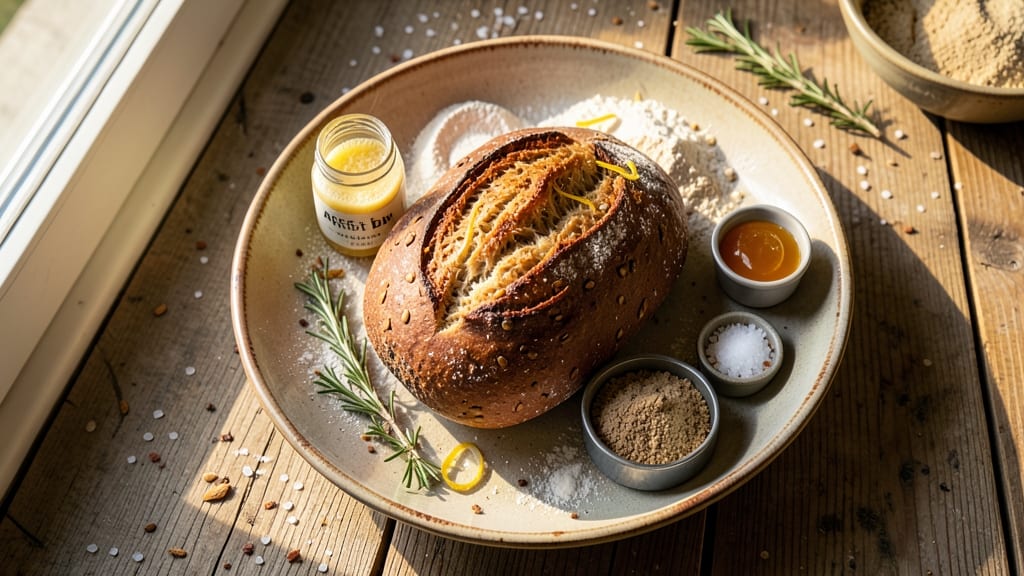
This 50/50 whole wheat bread recipe delivers the perfect balance of hearty texture and subtle sweetness in every slice—no special equipment required. The magic lies in blending half whole wheat flour for nutty depth with all-purpose flour for a tender crumb, creating a loaf that's both nutritious and irresistibly crusty.
I've baked this exact recipe for years, and it never fails to impress, whether you're serving it fresh from the oven or toasted with butter the next morning.
The process is straightforward but rewarding: mix the dough with warm water and yeast, knead until smooth, let it rise twice, and bake until golden brown. The key to success is patience—allowing the dough to ferment fully develops flavor and creates that signature open crumb structure.
This recipe yields a loaf with a crispy, crackling crust and a soft, airy interior, making it ideal for sandwiches, toast, or simply enjoying with soup.
What sets this bread apart is its versatility—use it as-is for a classic loaf, or customize with seeds, herbs, or garlic for added flavor. The whole wheat flour adds fiber and nutrients without overpowering the mild taste, while the all-purpose flour ensures a tender bite.
Once baked, the aroma alone will have everyone gathering around the table, eager for their first slice.
Perfect for beginners and experienced bakers alike, this recipe builds confidence in the kitchen while delivering restaurant-quality results. Whether you're feeding a family or treating yourself, this 50/50 whole wheat bread is a game-changer that proves homemade bread can be both simple and spectacular.
Ingredients for 50 50 whole wheat bread
Pantry staples meet artisanal quality in this balanced 50/50 whole wheat blend.
| Ingredient | Amount | Notes |
|---|---|---|
| All-Purpose Flour 🌾 | 2 cups | Light and airy for tender crumb |
| Whole Wheat Flour 🌾 | 2 cups | Unbleached preferred for nutty flavor |
| Active Dry Yeast 🍞 | ¼ oz | Or 2 1/4 tsp, ensure fresh |
| Warm Water 💧 | 1 ¼ cups | 110°F for optimal yeast activation |
| Granulated Sugar 🍚 | 1 tbsp | Feeds yeast for proper rise |
| Salt 🧂 | 1 ½ tsp | Diamond Crystal preferred |
| Olive Oil 🫒 | 2 tbsp | Extra-virgin for richness |
| Honey 🍯 | 1 tbsp | Adds subtle sweetness |
| Cornmeal 🌽 | 2 tbsp | For dusting baking sheet |
| Sesame Seeds 🌻 | 1 tbsp | Optional for decorative crust |
The flours are the foundation—King Arthur all-purpose and Bob's Red Mill whole wheat are my go-tos, but any unbleached whole wheat works. Yeast is non-negotiable: Saf-Instant is my secret weapon for foolproof rising, but active dry yeast works if you proof it first. The warm water should feel like bathwater—too hot and you kill the yeast, too cool and it won't activate. I always double-check the temperature with a kitchen thermometer. For the honey, local raw honey adds subtle floral notes, but store-bought is fine in a pinch.
No whole wheat flour? Substitute half with spelt flour for similar texture. Out of honey? Maple syrup at half the amount works beautifully. Olive oil can be swapped for melted butter (same quantity) if you prefer a richer flavor. The sesame seeds are optional but worth it—they toast in the oven and add crunch. For a seed boost, add 1 tbsp flaxseeds or sunflower seeds to the dough before kneading. The cornmeal isn't just for show: it prevents sticking and adds a subtle sweetness to the crust.
Store-baked loaves in a paper bag at room temperature for up to 3 days to maintain freshness. For longer storage, slice and freeze portions between parchment paper—3 months in a sealed bag. The dough can be made ahead and refrigerated overnight for deeper flavor, just let it come to room temp before shaping. This bread freezes beautifully too: wrap tightly in foil and thaw at room temperature before toasting. The crust stays crispy when reheated in a 350°F oven for 5 minutes.
Why You'll Love This Recipe
- No Yeast Drama: Mixing the warm water, sugar, and yeast takes two minutes—no waiting for it to foam like some recipes demand. The whole wheat and all-purpose combo gives you that satisfying rise without the fuss of kneading for hours.
- Nutty Earthy Crunch: That 50/50 split means you get the best of both worlds: the hearty bite of whole wheat and the soft, pillowy texture of all-purpose. Honestly, it’s the kind of bread that makes toast taste like a victory.
- Sandwich MVP: Slather it with peanut butter for a quick lunch, stuff it with leftover roast beef, or just eat it plain—it’s the unsung hero of meal prep. Between us, I’ve had this bread last me a full week with zero complaints.
- Budget Bread Win: A dollar bag of whole wheat flour and a pinch of sugar stretch farther than specialty bread mixes. Plus, it freezes like a dream, so you’re always covered—no last-minute store runs when the kids are hungry.
Step-by-step instructions for 50/50 whole wheat bread
This method delivers a perfect balance of crisp crust and tender crumb every time.
Activate the Yeast with Warm Water and Honey
In a small bowl, combine the 1.25 cups warm water (tested at 110°F—too hot kills yeast) with the 1 tbsp granulated sugar and 1 tbsp honey. Stir until the sugar dissolves completely. Sprinkle the 0.25 oz active dry yeast over the surface and let sit for 5-10 minutes until frothy. You'll see bubbles forming—this confirms the yeast is alive and ready to work.
I always test the water temperature with my finger—it should feel warm but not hot to the touch. If it doesn't foam after 10 minutes, your yeast might be old. This step sets the foundation for proper rise, so don't rush it.
Mix the Dough Using the Autolyse Technique
In a large mixing bowl, combine the 2 cups all-purpose flour and 2 cups whole wheat flour with the 1.5 tsp salt. Make a well in the center and pour in the yeast mixture and 2 tbsp olive oil. Stir with a wooden spoon until a shaggy dough forms—don't overwork it yet.
Cover the bowl with a damp towel and let the dough rest for 20 minutes. This "autolyse" phase allows the flour to absorb moisture and develop gluten naturally. You'll notice the dough becomes smoother and more cohesive during this time.
Develop the Dough Through Kneading
After the rest, turn the dough onto a lightly floured surface and knead for 8-10 minutes by hand, or use a stand mixer with a dough hook on medium speed for 5-6 minutes. You're looking for a smooth, elastic dough that springs back when poked. The whole wheat flour makes this dough slightly stickier than all-purpose, so add flour sparingly as needed.
Real talk: This is where many home bakers struggle. If the dough feels too wet, add 1 tablespoon flour at a time until it comes together. Too dry? Add 1 teaspoon warm water. The goal is a dough that's just slightly tacky but not sticky.
First Rise and Shaping
Lightly oil a large bowl, place the dough inside, and cover with the damp towel. Let it rise in a warm place for 1-1.5 hours until it doubles in size. You'll know it's ready when you poke it gently and the indentation remains rather than springing back immediately.
Once risen, punch down the dough to release air and divide it into 4 equal portions. Shape each into a round loaf by pulling the edges toward the center and rolling gently. Place them on a baking sheet dusted with 2 tbsp cornmeal, spacing them about 2 inches apart. Cover again and let rise for 30-45 minutes until puffy.
Bake to Golden Perfection
Preheat your oven to 375°F with a baking stone or inverted baking sheet on the middle rack. Brush the loaves with a little water and sprinkle with 1 tbsp sesame seeds for that decorative touch. Bake for 25-30 minutes until the crust is deep golden brown and sounds hollow when tapped on the bottom.
For the ultimate crust, I like to spray the oven walls with water right before baking—this creates steam that enhances browning. Let the bread cool on a wire rack for at least 30 minutes before slicing. The internal temperature should reach 190°F at the center when done.
Pro Tips For Making 50 50 Whole Wheat Bread
- Measure Flours by Weight: Whole wheat flour packs differently than all-purpose—scooping leads to inconsistent dough. Use a kitchen scale for the 50/50 mix; 450g total (225g each) guarantees the right balance without guessing.
- Bloom Yeast in Water: Skip the dry yeast shortcut—mix it with warm water and sugar first, then wait 5 minutes until frothy. This ensures your dough starts active, not sluggish, especially with whole wheat’s heavier texture.
- Knead Until Smooth: Whole wheat dough feels gummy at first, but keep going until it springs back when poked. About 8–10 minutes by hand (or 5–6 in a mixer) makes all the difference—no more dense loaves.
- Let It Rise Twice: First rise: 1–1.5 hours until doubled. Second rise: 30–45 minutes after shaping. Whole wheat needs extra time to develop flavor—don’t rush it, even if you’re hungry.
Health benefits of this 50 50 whole wheat bread
Fiber-Rich Foundation
This 50/50 blend delivers 12 grams of dietary fiber per 2-slice serving—nearly half your daily needs—thanks to the whole wheat flour. That fiber supports digestive health, helps regulate blood sugar, and keeps you feeling full longer.
I notice my energy levels stay steady all morning when I eat this bread with peanut butter. 💪
Whole Grain Nutrition
The whole wheat portion provides 4 grams of protein per serving plus essential minerals like magnesium and zinc. These nutrients support muscle function and immune health. Unlike white bread, this version includes the bran and germ, which contain antioxidants and B vitamins for metabolism.
I always opt for unbleached whole wheat for that extra nutty depth.
Lower Glycemic Impact
With its 50% whole wheat content, this bread has a lower glycemic index than all-white bread, helping stabilize blood sugar levels. The combination of whole grains and honey creates a slow-release carbohydrate that prevents energy crashes.
This makes it perfect for diabetics or anyone watching their blood sugar—just pair it with protein for balance.
Healthy Fats Included
The 2 tablespoons of olive oil add 14 grams of heart-healthy monounsaturated fats per loaf. These fats support brain function and reduce LDL cholesterol when replacing saturated fats. I use extra-virgin olive oil for its mild peppery notes and superior health benefits. The honey adds natural sweetness without refined sugar.
Gluten Sensitivity Note
While this recipe contains gluten, those with celiac disease can substitute gluten-free 1:1 baking flour for both flours (reduce water by 2 tablespoons). For gluten sensitivity, the whole wheat portion may cause discomfort—try spelt flour instead. Always test small batches first, as gluten-free flours behave differently during proofing.
Meal Prep Advantage
This bread's longer shelf life (3 days at room temp or 3 months frozen) makes it ideal for meal prep. The whole wheat flour's natural preservatives help maintain freshness. I slice and freeze portions for quick toast—just reheat in a 350°F oven for 5 minutes to restore crispiness.
The fiber content also helps control appetite when prepping lunches. ✨
Nutrition facts
Frequently asked questions
Why use a 50/50 flour blend instead of 100% whole wheat?
Whole wheat flour absorbs more moisture and can make bread dense if used alone. The 50/50 ratio balances nutrition with texture—keeping the crumb light while adding fiber and nutrients. This blend also rises better and has a more manageable consistency for home bakers.
Can I make this bread without a stand mixer?
This recipe works perfectly with just your hands. Knead the dough on a lightly floured surface for 8-10 minutes until smooth and elastic. The autolyse technique (20-minute rest) makes the dough easier to handle. Just be patient—whole wheat dough needs slightly more time than all-purpose.
What if my dough doesn't rise properly?
Check your yeast first—it should foam within 5-10 minutes in warm water. If not, try fresh yeast. Also ensure your kitchen is warm (75°F+), as cold environments slow fermentation. For extra help, place the dough bowl on top of your oven with the light on (not heat) to create a warm environment.
How do I store leftovers to keep them fresh?
Wrap cooled loaves in a paper bag at room temperature for up to 3 days. For longer storage, slice and freeze portions between parchment paper. Reheat slices in a 350°F oven for 5 minutes to restore crispiness. The whole wheat flour helps maintain freshness longer than white bread.
Can I add seeds or herbs to this recipe?
Yes! Try 1 tbsp flaxseeds, sunflower seeds, or chopped rosemary mixed into the dough before kneading. For herbs, add 1 tbsp fresh thyme or garlic powder with the salt. Just don't exceed 10% of the total flour weight to avoid density issues.