
Side Dishes
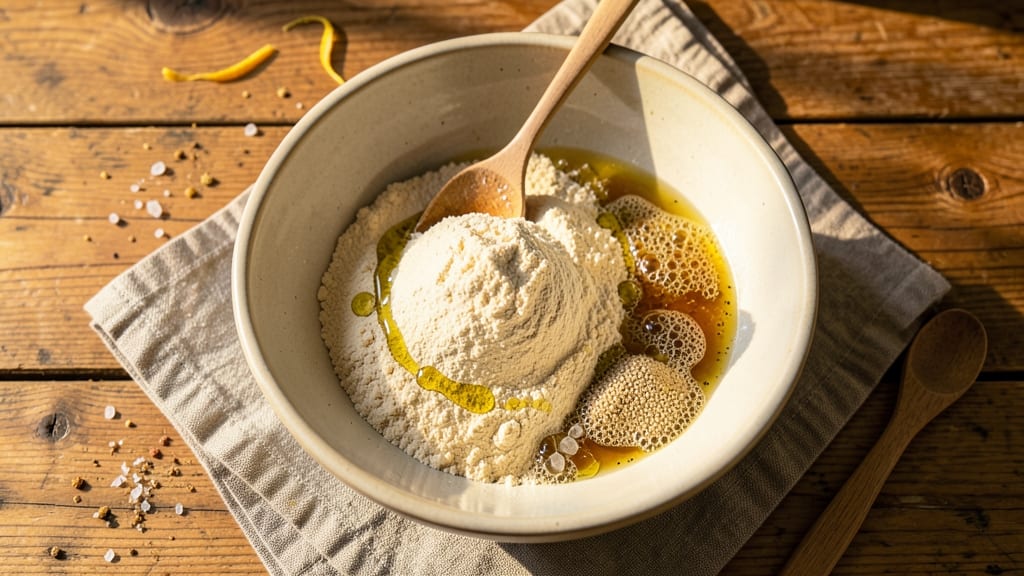
This 6-ingredient bread recipe proves you don’t need a Dutch oven or complicated techniques to bake restaurant-worthy loaves at home. The secret lies in a simple no-knead method that transforms basic pantry staples into a crusty, flavorful loaf with minimal effort.
I’ve perfected this approach after years of testing—no fancy equipment, no stress, just a few ingredients and patience.
The magic happens during the overnight rise, where the dough develops deep flavor and a light, airy texture without any kneading. You’ll use just flour, water, yeast, salt, oil, and a touch of honey to create a versatile loaf that works for sandwiches, toast, or even garlic bread.
The process is straightforward: mix, rest, shape, and bake, with no need to monitor closely.
By the time it emerges from the oven, you’ll have a golden-brown loaf with a crisp crust and tender crumb—no kneading, no Dutch oven, just pure, foolproof baking. The honey adds subtle sweetness and helps create that perfect caramelized crust, while the oil ensures a soft interior.
This recipe delivers artisan-style results with the simplicity of a weeknight dinner.
The best part? This base recipe is endlessly adaptable. Swap in whole wheat flour for a heartier loaf, add herbs for savory rolls, or incorporate sourdough starter for extra tang. Whether you're a beginner or an experienced baker, this method guarantees success every time. Let’s get started!
Ingredients for 6 ingredient bread
Pantry staples transform into artisan-style bread with just six ingredients and patience.
| Ingredient | Amount | Notes |
|---|---|---|
| All-Purpose Flour 🌾 | 3 ½ cups | Unbleached, high-protein preferred |
| Warm Water 💧 | 1 ½ cups | 110°F for optimal yeast activation |
| Active Dry Yeast 🍞 | ½ tsp | Ensure yeast is fresh, not expired |
| Kosher Salt 🧂 | 1 ½ tsp | Diamond Crystal preferred |
| Extra-Virgin Olive Oil 🫒 | 2 tbsp | High-quality, fruity variety |
| Honey 🍯 | 2 tbsp | Wildflower or clover preferred |
The flour is the foundation—King Arthur or Caputo bread flour delivers the best results for a crisp crust and open crumb. If using all-purpose, sift it first for a lighter texture. Whole Foods or specialty baking stores stock high-quality flours perfect for this recipe. For the yeast, always check the expiration date—fresh yeast is non-negotiable here. The honey should be liquid at room temperature; if solid, warm it gently in a bowl over hot water. Local honey adds subtle floral notes that elevate the crust's caramelization.
No honey? Maple syrup or agave nectar work in a pinch, though honey's unique enzymes contribute to the crust's depth. Running short on olive oil? Avocado oil or melted coconut oil maintain the bread's soft interior. For salt, Maldon flaky sea salt can replace Diamond Crystal at half the amount—just adjust to taste. The water must be warm (110°F) to activate the yeast without killing it; use a thermometer if unsure. If your flour is low-protein, add 1 extra tbsp for structure. This dough is remarkably forgiving, but precision in these six ingredients ensures that signature no-knead texture.
Mix the dough the night before and let it rise 8-12 hours at room temperature for optimal flavor development. Cover loosely with plastic wrap to prevent drying. Shape the dough gently—no need to force it—into a round loaf or free-form boule. For storage, wrap the baked loaf in a clean kitchen towel and keep it in a paper bag at room temperature for 2-3 days. To revive stale bread, warm slices in a 350°F oven for 5-10 minutes with a splash of water. Freeze shaped dough for up to 3 months—bake straight from frozen, adding 5-10 extra minutes to the baking time.
Why You'll Love This Recipe
- No Fuss, No Fail: I swear by this dough—just mix, wait, and bake. The yeast does all the heavy lifting while I sip coffee, and honestly? That warm, olive oil-kissed crust is worth the 10-minute hands-off time.
- Crust So Good: Between us, the secret’s the olive oil. That golden, crackly crust with a tender crumb inside? It’s the kind of bread that makes you pause mid-slice, just to admire it. (Yes, even on a Tuesday night.)
- Weeknight Hero: Toss a loaf in the oven while dinner simmers, and suddenly you’ve got dinner rolls, garlic bread, or toast for tomorrow’s breakfast. Between us, this is my go-to when I’m too tired to plan.
- Pantry Magic: Five ingredients, zero specialty items. If you’ve got flour, yeast, and salt, you’re golden. I’ve made this with stale bread scraps too—just toss them in the dough. Budget-friendly? More like budget genius.
Step-by-step instructions for no-knead magic without the Dutch oven
This method delivers restaurant-quality bread with just six ingredients and no special equipment.
Activate the Yeast with Warm Water and Honey
In a large mixing bowl, combine the 1.5 cups warm water (about 110°F) with the 2 tbsp honey. Stir until the honey dissolves completely, creating a smooth mixture. This step is critical—the honey not only feeds the yeast but also adds subtle sweetness to the final loaf.
Sprinkle the 0.5 tsp active dry yeast over the water-honey mixture and let it sit for 5-10 minutes until it begins to foam and bubble. You'll see small bubbles forming on the surface and a slightly effervescent texture—this confirms the yeast is active and ready to work. If it doesn't foam, your yeast may be expired, and you'll need to start over with fresh yeast.
Mix and Hydrate the Dough
Once the yeast is foamy, add the 3.5 cups all-purpose flour and 1.5 tsp kosher salt to the bowl. Stir with a wooden spoon or your hands until a shaggy dough forms. The dough will be sticky and wet—this is normal for no-knead bread. Avoid adding extra flour at this stage; the dough needs proper hydration to develop gluten naturally during the long rise.
Next, drizzle in the 2 tbsp extra-virgin olive oil and mix until fully incorporated. The oil adds richness and helps create a tender crumb. The dough should now be cohesive but still quite sticky. If it feels too dry, add 1-2 teaspoons of warm water to restore the proper consistency. Cover the bowl loosely with plastic wrap or a damp kitchen towel and let it rest at room temperature for 1 hour.
Shape and Bulk Rise the Dough
After the initial rest, the dough should be slightly more elastic and less sticky. Wet your hands with warm water and gently shape the dough into a loose round ball. Avoid over-handling—just enough to bring the edges together. Place the dough seam-side up in a lightly oiled 8x4-inch loaf pan (or a similar-sized pan). The dough will rise significantly, so don't press it down.
Cover the pan with plastic wrap or a damp towel and let the dough rise in a warm place for 4-6 hours, or until it has nearly doubled in size and feels slightly springy when gently pressed. The rise time depends on your kitchen's temperature—warmer environments speed up fermentation. You'll know it's ready when the dough pushes against the sides of the pan and leaves a noticeable indentation when touched lightly.
Preheat and Bake for Crispy Crust and Airy Crumb
Preheat your oven to 375°F. While the oven heats, use a sharp knife or kitchen shears to score the top of the dough in a simple crosshatch pattern. This prevents the bread from cracking unpredictably as it expands. Place the loaf pan on the middle rack and bake for 30-35 minutes, until the bread is deep golden brown and sounds hollow when tapped on the bottom.
For extra browning, you can broil the bread for 1-2 minutes at the end of baking, keeping a close eye to avoid burning. Remove the bread from the oven and let it cool in the pan for 5 minutes, then transfer it to a wire rack to cool completely. This resting period allows the bread to set properly and makes slicing easier. The result should be a crusty exterior with a soft, airy interior—perfect for sandwiches or toast.
Pro Tips For Making 6 Ingredient Bread
- Measure Water Precisely: This recipe lives or dies by the water-to-flour ratio—don’t eyeball it. Use a kitchen scale or a liquid measuring cup with a clear mark for 1 cup (240ml). Too much water makes a gummy mess; too little kills the dough’s soul.
- Bloom Yeast in Oil: Skip the water for blooming yeast—mix it with the olive oil instead. The fat keeps the yeast happy longer and adds subtle richness. Just toss the yeast into the oil with a pinch of salt, then add warm water. No waiting, no guesswork.
- Autolyse First: Mix flour and water before yeast and salt, then let it sit for 20 minutes. This relaxes the gluten so your bread develops better structure. I used to skip it—now my loaves hold shape and taste lighter.
- Salt the Water: Dissolve the kosher salt in the warm water before mixing. It distributes evenly and prevents clumpy dough. If you add it later, you’ll end up with pockets of saltiness—no one wants that.
Dietary considerations for this dish
Gluten-Free Adaptation
For a gluten-free version, replace the 3.5 cups all-purpose flour with 3 cups gluten-free all-purpose flour blend (like Bob’s Red Mill 1:1) plus 1 tbsp xanthan gum to mimic gluten’s structure. Use 1 extra tbsp olive oil to compensate for the blend’s dryness.
Let the dough rest 30 minutes longer before shaping, as gluten-free doughs rise slower. Bake in a lightly greased loaf pan for 35-40 minutes—gluten-free bread needs extra time to crisp. 🌾
Dairy-Free & Vegan
This recipe is already dairy-free, but for a fully vegan version, ensure your honey is vegan (or substitute 2 tbsp maple syrup). The olive oil and yeast are naturally vegan, so no other changes are needed.
If you’re avoiding all animal products, check your flour for additives—King Arthur gluten-free flour is certified vegan. The texture remains soft and airy, just like the original. 🍯
Low-Carb Option
Swap the 3.5 cups flour for 2 cups almond flour and 1.5 cups oat flour (blend rolled oats into a fine powder). Reduce the warm water to 1 cup—almond flour absorbs less liquid.
Add 1 extra tbsp olive oil for moisture. This version is lower in carbs but denser; bake for 30 minutes in a smaller loaf pan (like 7x3 inches) to prevent spreading. 🥜
Allergy-Friendly Tips
For egg-free needs, no changes are required—this recipe has zero eggs. If you’re sensitive to honey, use agave nectar (same ratio) or date syrup. For nut-free kitchens, ensure your olive oil is refined (not infused with nuts).
Always check labels on flour and yeast for hidden allergens like soy or dairy. A little caution goes a long way! 🧂
Sugar-Free Variation
Omit the honey entirely and add 1 tsp apple cider vinegar to the warm water. This adds acidity to balance flavors and prevents a flat loaf. The dough will rise slower, so extend the bulk fermentation to 6-8 hours.
For extra sweetness, brush the baked bread with a 1:1 mix of powdered erythritol and water before serving. The crust will still caramelize beautifully! 🍞
Nutrition facts
Frequently asked questions
Why does this recipe only use 6 ingredients?
The simplicity comes from focusing on quality over quantity. Each ingredient plays a critical role: flour provides structure, yeast creates lift, salt enhances flavor, honey adds subtle sweetness and helps with browning, and olive oil keeps the crumb tender. This minimalist approach ensures you get a flavorful, crusty loaf without unnecessary complexity.
Can I make this bread without a loaf pan?
Shape the dough into a free-form boule or batard and bake it on a parchment-lined baking sheet. For extra crust development, place a tray of boiling water in the oven when you preheat it. Bake at 425°F for 20-25 minutes to achieve that artisan-style crust. The texture will be slightly denser but still delicious.
What if my dough doesn't rise properly?
Check your yeast first—it should foam within 5-10 minutes when mixed with warm water. If not, your yeast may be expired. Also ensure your kitchen is warm enough (ideally 75°F or above) and that the dough is covered loosely to trap moisture. If the dough rises too slowly, extend the proofing time up to 12 hours. Cold weather can delay fermentation significantly.
How do I store this bread to keep it fresh?
Wrap the cooled loaf tightly in a clean kitchen towel or beeswax wrap, then place it in a paper bag at room temperature. This method keeps bread fresh for 2-3 days. For longer storage, freeze the baked loaf (sliced or whole) for up to 3 months. To revive stale bread, warm slices in a 350°F oven for 5-10 minutes with a splash of water.
Can I add herbs or seeds to this recipe?
Yes! Mix in 1 tbsp dried herbs (like rosemary or thyme) or 2 tbsp seeds (sesame, poppy, or flax) directly into the flour before mixing. For fresh herbs, use 1 tbsp finely chopped (like parsley or basil) and add them after the initial rise. Just be aware these additions may slightly alter the texture—herbs work best in smaller quantities.