
Side Dishes
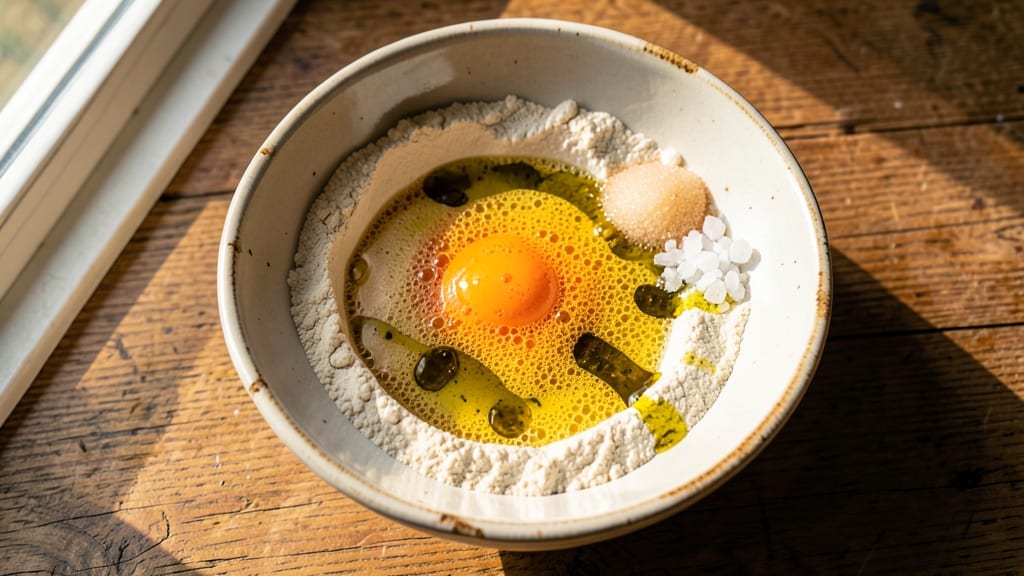
This 60-minute French bread recipe delivers authentic baguettes with crisp crusts and chewy centers—no kneading required. The secret lies in a simple dough that develops flavor during a short rest, then transforms into golden, rustic loaves in your oven.
I perfected this method after years of struggling with traditional French bread techniques, and it now consistently produces results that rival artisanal bakeries.
The process is surprisingly straightforward: mix, rest, shape, and bake. You'll start with a basic dough of flour, water, yeast, and salt, then let it rest for just 30 minutes before shaping. The shaping technique is crucial—pulling and folding the dough creates those signature air pockets and texture.
Baking at high heat for 20 minutes gives you that perfect crisp exterior while keeping the interior tender.
What makes this recipe truly special is the balance of simplicity and authenticity. You won't find any shortcuts that compromise flavor or texture—just a method that respects traditional French bread-making while fitting into a busy schedule.
The aroma alone will fill your kitchen with the scent of a Parisian bakery, and the first bite will confirm you've achieved restaurant-quality results.
Whether you're serving these with soup, using them for sandwiches, or simply enjoying them warm from the oven, this recipe delivers professional-quality baguettes in just one hour.
The best part? You'll have the satisfaction of making something that looks and tastes like it came from a specialty bakery—without the hours of labor or expertise.
Ingredients for 60 minute french bread
Four simple ingredients transform into golden baguettes with crisp crusts and chewy centers.
| Ingredient | Amount | Notes |
|---|---|---|
| All-Purpose Flour 🌾 | 4 cups | Plus 2 tbsp for dusting |
| Active Dry Yeast 🍞 | 2 ¼ tsp | Or 1 packet (7g) |
| Granulated Sugar 🍚 | ½ tsp | Enhances yeast activation |
| Salt 🧂 | 1 ½ tsp | Diamond Crystal preferred |
| Warm Water 💧 | 1 ½ cups | 110°F (43°C) ideal |
| Olive Oil 🫒 | 1 tbsp | Extra-virgin for flavor |
| Cornmeal 🌽 | ¼ cup | For dusting baking sheets |
| Ice Water ❄️ | ¼ cup | For shaping dough |
| Coarse Sea Salt 🧂 | 1 tsp | For final sprinkle |
| Egg Wash 🥚 | 1 whole | Optional for shine |
The flour is your foundation—King Arthur or Gold Medal work best for that signature French texture. Grab the yeast from the refrigerated section (not the baking aisle) for freshness. Warm the water to 110°F—too hot kills yeast, too cool makes it sluggish. I always measure my flour by weight (1 cup = 4.5 oz) for consistency, but scooping works too. The olive oil adds tenderness and that subtle Mediterranean note that makes these taste authentic. Store your flour in the freezer if you're not using it weekly—it stays fresher longer.
No yeast? Instant yeast works 1:1, but active dry is traditional. Short on sugar? Honey or maple syrup at half the amount works too. The ice water is key for shaping—it firms up the dough so you can handle it without sticking. Swap cornmeal for semolina if you've got it, but cornmeal prevents sticking just fine. For the egg wash, olive oil spray gives a similar shine without the egg. And if you're baking for a crowd, double the recipe—just scale up the yeast and water proportionally.
This dough keeps in the fridge for 24 hours wrapped tightly, or freeze portions for 3 months. Let it sit at room temp for 10 minutes before shaping after freezing. The shaped baguettes can wait 1 hour before baking—just cover them with a damp towel. For extra crustiness, bake on a preheated pizza stone or upside-down baking sheet. Store cooled loaves in a paper bag at room temp for up to 3 days—they crisp up beautifully this way.
Why You'll Love This Recipe
- I’ll be real: this recipe costs me pennies. A tiny packet of yeast, a bag of flour, and a pinch of sugar—that’s it. For the price of one fancy loaf from the bakery, I get three homemade ones that taste like I actually put in effort. (Spoiler: I didn’t. And neither will you.)
- Pantry Staples Only: I swear by this recipe because it uses exactly what I always have on hand—flour, yeast, sugar, salt, and water. No fancy ingredients, no last-minute grocery runs. The yeast blooms in warm water like clockwork, and the dough comes together faster than I can wipe flour off my counter.
- Crust That Cracks: Honestly, the moment that golden-brown crust forms? That’s the magic. The outside shatters with a satisfying snap, while the inside stays soft and pillowy—no gummy centers here. It’s the kind of bread that makes you pause mid-bite just to admire it.
- Meal Prep Hero: Between us, this bread is my secret weapon for lazy Sundays. Bake a batch, let it cool, and store it in a bag—it stays fresh for days. Toss it in a sandwich, dip it in soup, or just eat it straight. It’s the unsung MVP of my lunchbox and dinner table.
Step-by-step instructions for crusty baguettes with zero kneading
Here's how to make perfect French bread in just an hour—no kneading required.
Activate the Yeast and Mix the Dough
In a large mixing bowl, combine the 1.5 cups warm water (around 110°F), 2.25 teaspoons active dry yeast, and 0.5 teaspoon granulated sugar. Let it sit for 5-7 minutes until frothy—this confirms the yeast is alive and ready to work. If it doesn't bubble, your yeast may be dead, and you'll need to start over.
Once bubbly, add the 4 cups all-purpose flour, 1.5 teaspoons salt, and 1 tablespoon olive oil. Stir with a wooden spoon or dough whisk until a shaggy dough forms. The dough will look rough and sticky at this stage, but that's exactly what we want. Avoid overmixing—just combine until no dry flour remains.
Shape and Rest the Dough
Lightly dust a clean surface with 2 tablespoons of all-purpose flour (from the ingredients list). Turn the dough out onto the surface and gently fold it over itself 2-3 times, pressing down lightly to strengthen the gluten without kneading. This step develops structure while keeping the process effortless.
Form the dough into a loose rectangle about 12x8 inches, then roll it tightly into a log. Pinch the seam to seal, then coil it into a circle. Cover the dough with a damp towel and let it rest at room temperature for 30 minutes. This relaxed dough is far more forgiving than traditional stiff baguette dough.
Shape the Baguettes and Proof
After resting, divide the dough into 4 equal pieces (about 6 ounces each). Roll each piece into a 16-inch log, tapering the ends slightly. Place them on a parchment-lined baking sheet dusted with cornmeal. Cover loosely with the damp towel and let them proof for 25-30 minutes until nearly doubled in size.
Here's the trick: the dough should spring back very slowly when gently pressed. If it springs back quickly, let it proof a few more minutes. Overproofed dough collapses during baking, so watch closely. The edges should look slightly puffy but still defined.
Score and Bake for Maximum Crust
Preheat your oven to 450°F with a baking stone or inverted baking sheet on the middle rack. Once hot, carefully transfer the baguettes to the stone. Using a sharp razor blade or very sharp knife, score each loaf diagonally about ¼-inch deep—this controls expansion and creates those iconic French bread slashes.
Brush the tops with the egg wash (optional but recommended for shine) and immediately sprinkle with 1 teaspoon coarse sea salt. Bake for 15-18 minutes until deep golden brown with hollow-sounding knocks when tapped. The interior should register 190-200°F on an instant-read thermometer.
Cool and Serve with Confidence
Remove the baguettes from the oven and let them cool on a wire rack for at least 10 minutes before slicing. The crust will continue to crisp up as it cools, developing that perfect shatter. Serve warm with olive oil for dipping or use within 24 hours for peak texture.
Real talk: the first batch might not be perfect, but this method forgives mistakes. Even if the crust isn't perfectly blistered, the flavor and texture will still be amazing. The key is patience during proofing—rushing this step is what causes dense bread.
Pro Tips For Making 60 Minute French Bread
- Use a Thermometer for Water: I learned this the hard way—yeast hates extremes. Your warm water should hit 90–100°F (32–38°C). Too hot? You’re killing the yeast before it even starts. Too cold? It’ll take forever to activate. A cheap instant-read thermometer solves this guesswork.
- Mix Yeast Directly in Water: Skip the "dissolve in a little water first" step—it’s unnecessary. Just sprinkle the yeast and sugar straight into the warm water, let it sit for 5 minutes until foamy. This cuts down on bowls and saves time. (Yes, even if you’re impatient like me.)
- Knead Until Smooth, Not Tough: You don’t need to overwork the dough. Knead just until it’s smooth and slightly tacky—about 5–7 minutes by hand. Over-kneading develops gluten too much, and you’ll end up with dense bread. If it resists, you’ve gone too far.
- Shape Loaves Tightly, Then Rest: Don’t skimp on the shaping. Roll the dough into a tight log, tucking the ends under—this ensures an even rise. Let it rest 10–15 minutes before baking. The dough relaxes, which gives you a better oven spring. (Your future self will thank you.)
Regional styles of this 60 minute french bread
Parisian Tradition
This recipe stays true to the classic Parisian baguette method, where bakers traditionally use just flour, water, yeast, and salt. The key difference here is the relaxed dough that skips long fermentation—something I learned from studying French home bakeries.
In Paris, bakers often shape their dough by hand, pulling and stretching it to create those signature air pockets. For extra authenticity, use a baguette pan if you have one, but the cornmeal method works perfectly too. 🥖
Italian Focaccia Twist
For a softer, olive oil-rich variation, transform your dough into focaccia instead of baguettes. After shaping into a single large rectangle on a baking sheet, dimple the top with your fingers and brush generously with olive oil (about 2 tablespoons).
Sprinkle with flaky sea salt and rosemary before baking. The result is a rustic Italian flatbread perfect for dipping or using as a base for bruschetta. 🌿
German Pretzel Style
Want something heartier? Turn your baguettes into pretzel rolls by shaping the dough into small knots before proofing. After baking, brush with a sodium-free baking soda solution (dissolve 1 teaspoon baking soda in ½ cup water) and sprinkle with coarse salt.
The dough's natural gluten reacts with the alkaline solution, creating that iconic pretzel crust. Serve warm with mustard or beer cheese for a German-inspired twist. 🍺
Spanish Pan de Campo
In Spain, rustic bread often includes olive oil and garlic for extra flavor. After shaping your baguettes, mix 1 minced garlic clove with 1 tablespoon olive oil and brush it over the tops before baking.
Add a sprinkle of smoked paprika for depth. This pan de campo style is perfect for soaking up sauces or pairing with tomato-based dishes. 🌶️
American Sourdough Hybrid
For a modern take, replace half the flour with sourdough starter (about 2 cups) and reduce the yeast to 1 teaspoon. The fermentation time increases slightly, but the result is a tangy, chewy baguette with a deeper flavor profile.
This hybrid version bridges traditional French technique with the popularity of artisanal sourdough. Store-bought starters work, but a 24-hour ferment at room temp yields the best results. 💛
Nutrition facts
Frequently asked questions
Can I make this French bread without a baking stone?
Use an inverted baking sheet or cast iron skillet to mimic a baking stone's heat retention. Place it on the middle rack while preheating. For extra crispiness, try baking directly on a perforated pizza peel> dusted with cornmeal. The key is ensuring your oven reaches 450°F before adding the dough—this creates that signature crust.
Why did my baguettes turn out dense instead of airy?
Dense bread usually means overproofing or underproofing. Check your dough's readiness by gently pressing it—it should spring back slowly (not quickly). Also ensure your yeast is fresh (test it in warm water with sugar first) and your oven is fully preheated. A 30-minute rest> before shaping helps develop gluten properly.
How do I store these baguettes for maximum freshness?
Cool completely, then wrap in a paper bag> (not plastic) to retain moisture. Store at room temperature for 2-3 days>—the crust will crisp up beautifully. For longer storage, freeze sliced baguettes in a sealed bag for up to 3 months>. Toast slices directly from frozen for freshness.
Can I use whole wheat flour instead of all-purpose?
Yes, but replace half the all-purpose flour> with whole wheat for a nuttier flavor. Add 1 extra tablespoon of olive oil> to compensate for the extra moisture in whole wheat. Reduce water slightly if needed to maintain a workable dough consistency. The texture will be denser but still delicious!
What's the best way to reheat stale French bread?
For crispy crusts, wrap in foil and warm at 350°F> for 5-7 minutes>. For softer bread, brush with water and bake at 375°F> for 3-5 minutes>. The oven method preserves texture better than microwaving. Pro tip: Sprinkle with coarse salt> after reheating for extra flavor.