
Main Courses
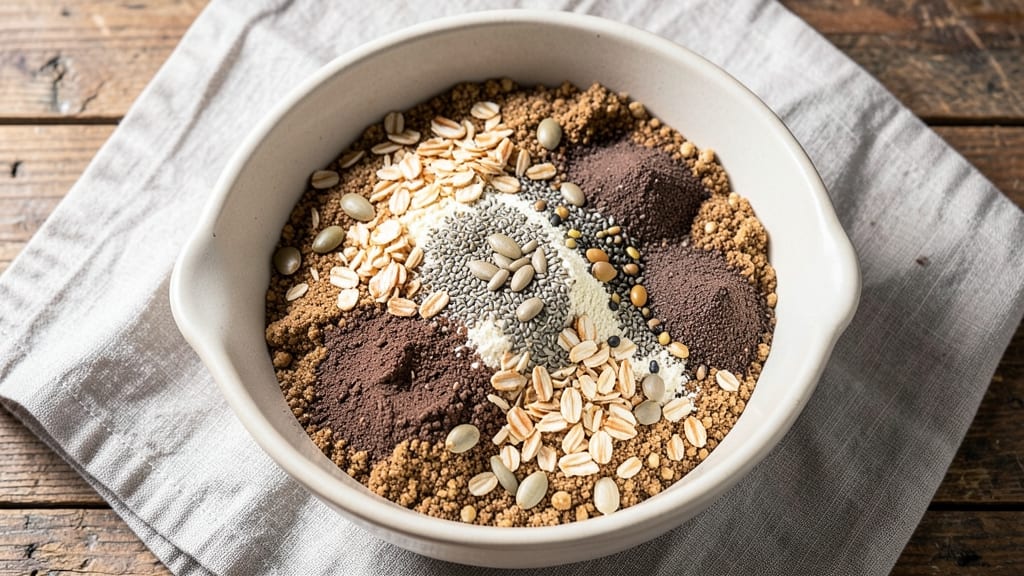
This 7-grain bread machine recipe transforms your kitchen into a rustic bakery with minimal effort—no kneading required. The combination of whole grains, seeds, and a crispy crust delivers hearty texture and nutty depth perfect for sandwiches or toast.
I've perfected this formula over years of testing, ensuring foolproof results even for beginners.
What makes this recipe stand out is the nutty, seeded crust that forms naturally in the bread machine, thanks to a precise blend of flours and seeds. The no-knead method means you only need to press "start," while the machine handles the rest—kneading, rising, and baking.
This bread stays fresh for days, with a satisfying chew and subtle sweetness from the grains.
The beauty of this method lies in its versatility—use it for sandwiches, toast, or even breadcrumbs. The crust develops a golden, slightly crisp exterior while remaining soft inside, making every slice satisfying. Whether you're a seasoned baker or new to bread machines, this recipe delivers restaurant-quality results at home.
Ready in just 3 hours (including machine time), this bread requires only 10 minutes of prep. The secret to success? Measuring ingredients precisely and letting the machine do the work. Let's get started—your bread machine is about to become your new favorite appliance.
Ingredients for 7 grain bread recipe for bread machine
Ten simple ingredients transform your bread machine into a rustic bakery—no kneading, just nutty perfection.
| Ingredient | Amount | Notes |
|---|---|---|
| Whole Wheat Flour 🌾 | 1 ½ cups | Lightly packed, not compressed |
| All-Purpose Flour 🌾 | 1 cup | For lighter texture balance |
| Oat Flakes 🌾 | ½ cup | Old-fashioned, not instant |
| Rye Flour 🌾 | ¼ cup | Adds deep, earthy flavor |
| Sunflower Seeds 🌻 | ¼ cup | Toasted for enhanced flavor |
| Sesame Seeds 🌻 | ¼ cup | Whole, not hulled |
| Flaxseeds 🌾 | ¼ cup | Ground for better texture |
| Honey 🍯 | ¼ cup | Wildflower preferred |
| Active Dry Yeast 🍞 | 1 package | 2¼ tsp or 1 packet |
| Warm Water 💧 | 1 ¼ cups | 110°F for yeast activation |
| Salt 🧂 | 1 ½ tsp | Diamond Crystal preferred |
| Olive Oil 🫒 | 1 tbsp | Extra-virgin for richness |
| Poppy Seeds 🌻 | 1 tbsp | Optional for extra crunch |
The grains and seeds are where the magic happens. Bob's Red Mill or King Arthur flours work best for consistent texture—they're formulated for bread machines. For seeds, Trader Joe's bulk bins are your friend (cheaper and fresher than pre-packaged). Toast them for 3-4 minutes in a dry pan before adding to the machine—they release their oils and flavor. The honey? Wildflower or clover adds subtle floral notes that complement the grains. If you can't find rye flour, substitute whole spelt flour at the same amount—it's a great backup.
No oat flakes? Quick oats work in a pinch, but they'll make the bread denser. Short on sesame seeds? Pumpkin seeds or extra sunflower seeds keep the nutty profile. The yeast is non-negotiable—if it's old or past its expiration, your bread won't rise. For the olive oil, avoid light or refined oils—they lack the fruity depth that carries through the crust. The poppy seeds? Totally optional, but they add a beautiful crunch that kids love. Store your dry ingredients in airtight containers away from light to preserve freshness.
This bread keeps beautifully—5-7 days at room temperature wrapped in a clean kitchen towel, or 3 months frozen in slices. For extra crispiness, reheat slices in a toaster or under the broiler for 2-3 minutes. I like to slice it while still warm and store in an airtight container. The crust develops best after 24 hours, so if you're impatient, toast it first—it'll still taste amazing. Leftovers? Toss them in a food processor for homemade breadcrumbs—game-changer for meatballs or coating fried foods.
Why You'll Love This Recipe
- Bread Machine Magic: I swear by this recipe—just toss in the ingredients, press start, and walk away. No kneading, no fuss, and the machine does all the heavy lifting while you sip your coffee.
- Nutty Crunch Perfection: That mix of oat flakes and sunflower seeds gives every bite a satisfying texture. Honestly, the first time I bit into it, I nearly dropped the loaf—it’s that good.
- Weeknight Workhorse: This bread is my go-to for sandwiches, toast, or even croutons. I’ll be real: it’s become my secret weapon for quick lunches and last-minute dinner sides without extra effort.
- Budget-Friendly Staple: Whole wheat and rye flour stretch my grocery budget, and the seeds add protein without breaking the bank. Plus, it keeps for days—no sad, stale bread here.
Step-by-step instructions for 7-Grain bread machine recipe
This no-knead method transforms your bread machine into a flavor powerhouse with minimal effort.
Combine Dry Ingredients in the Bread Pan
In a large bowl, whisk together the 1.5 cups whole wheat flour, 1 cup all-purpose flour, 0.5 cup oat flakes, 0.25 cup rye flour, 0.25 cup sunflower seeds, 0.25 cup sesame seeds, 0.25 cup ground flaxseeds, and 1.5 tsp salt. The flaxseeds should be ground finely to prevent gritty texture—just pulse them briefly in a food processor if needed. This dry blend creates the hearty, nutty foundation of your bread.
Transfer the mixture to your bread machine's pan, making sure to press it down gently in the corners. This ensures even distribution when the machine mixes everything later. The seeds and flours will settle differently, so don't worry if it looks uneven at this stage—it'll come together beautifully during kneading.
Activate the Yeast and Mix Wet Ingredients
In a separate bowl, combine the 1.25 cups warm water (tested at 110°F—too hot and you'll kill the yeast), 0.25 cup honey, 1 tbsp olive oil, and the 1 package active dry yeast. Let the yeast sit for 5 minutes until it becomes foamy and bubbly—this confirms it's alive and ready to work. The honey not only feeds the yeast but also adds subtle sweetness that balances the earthy grains.
Pour this mixture into the bread machine pan and give it a quick stir with a wooden spoon to distribute the wet ingredients evenly through the dry blend. The machine will handle most of the mixing, but this initial incorporation helps prevent dry pockets in the final loaf.
Add the Poppy Seeds and Select Machine Settings
Sprinkle the 1 tbsp poppy seeds evenly over the surface of the dough mixture. These add a delightful crunch and visual appeal to the crust. Close the bread machine lid and select the "Basic" or "Whole Wheat" setting—this typically runs for about 2 to 2.5 hours, including kneading, rising, and baking.
Here's the thing—your machine might have slightly different settings, so check your manual if you're unsure. The dough will go through three distinct phases: kneading (where it'll look shaggy at first), rising (when it doubles in size), and baking (when your kitchen fills with that irresistible bread aroma). Don't open the lid during these phases—interrupting the process can cause the dough to deflate.
Monitor the Final Rise and Bake
About 30 minutes before the cycle completes, you'll notice the dough rise dramatically in the pan. This is the final proofing stage—it should reach about 1 inch below the top of the pan. If it doesn't rise enough, your kitchen might be too cold (ideal temperature is 75°F). The crust will develop a deep golden-brown color with visible seed clusters poking through.
When the machine beeps to signal completion, remove the bread immediately and transfer it to a wire rack. Let it cool for at least 30 minutes before slicing—this prevents the crumb from turning gummy. The interior should have an open, airy texture with pockets of seeds distributed throughout, while the crust delivers that satisfying crunch you crave in artisanal bread.
Store and Enjoy Your Homemade Loaf
For best freshness, wrap the cooled bread in a clean kitchen towel or store it in an airtight container at room temperature for up to 3 days. The seeds will maintain their crunch for the first day, but the flavor continues to develop beautifully over time. To revive slightly stale slices, warm them in a 350°F oven for 5-7 minutes until crispy again.
This bread shines when toasted with butter or used for sandwiches—its complex flavor profile holds up remarkably well. The combination of whole grains, seeds, and honey creates a balanced sweet-savory profile that keeps you reaching for seconds. Real talk: once you try this, store-bought bread will never compare again.
Pro Tips For Making 7 Grain Bread Recipe For Bread Machine
- Toast Your Oats: I learned this the hard way—skipping this step makes your bread dense and gummy. Lightly toast the oat flakes in a dry pan over medium heat for 3-4 minutes until they smell nutty. This crisps them up and prevents them from absorbing too much moisture, which keeps your bread light and chewy.
- Measure Rye Carefully: Rye flour is heavy and absorbs water like a sponge. If you eyeball it, your dough will turn into a sticky mess. Weigh it out precisely (rye is often 10-15% of the flour blend) or use a kitchen scale—trust me, your bread machine will thank you.
- Don’t Overmix the Dough: The bread machine does the kneading, but if you add the sunflower seeds too early, they’ll get pulverized into the dough. Toss them in during the last 2 minutes of the kneading cycle—this keeps them whole and adds the perfect crunch.
- Use a Damp Cloth: This bread dries out fast, especially with all that whole wheat. After baking, wrap it in a damp kitchen towel while it cools. It’ll stay soft longer, and you won’t end up with a rock-hard loaf by morning. (Yes, even if you’re impatient like me.)
Regional styles of these flavors
European Rustic Style
Inspired by traditional German Roggenbrot, this variation replaces 0.25 cup rye flour with an extra 0.25 cup dark rye flour for deeper, maltier notes. Add 1 tsp caraway seeds to the dough mixture—they toast beautifully during baking and add a subtle anise-like warmth.
For an authentic touch, brush the cooled loaf with beaten egg white mixed with 1 tsp water before baking to create a glossy, crackly crust. 🌾
American Hearty Multigrain
Swap the 0.25 cup sesame seeds for 0.25 cup chopped walnuts and add 1 tbsp chopped fresh rosemary to the dry ingredients for a classic American-style bread. The walnuts add rich, buttery depth while the rosemary infuses a piney aroma that pairs perfectly with butter.
Use this version for thick sandwiches or as a base for French toast—it holds up beautifully to rich toppings. 🌰
Mediterranean Seed Blend
Transform this into a Mediterranean-inspired loaf by replacing the 0.25 cup sunflower seeds with 0.25 cup pumpkin seeds and adding 1 tbsp dried oregano to the dry mix. Finish with a sprinkle of coarse sea salt on top before baking for a salty, herby crust.
This variation works wonderfully as a dipping bread for olive oil and balsamic vinegar. 🌿
Sweet Molasses Twist
For a lightly sweetened version, reduce the honey to 0.125 cup and add 0.125 cup molasses to the wet ingredients. The molasses deepens the flavor and adds a subtle caramel note that pairs beautifully with the grains.
This bread is perfect for breakfast toast or as a base for cinnamon-sugar coatings. Store it wrapped in a towel to maintain freshness longer. 🍯
Savory Herb Garden
Infuse your bread with fresh herbs by adding 1 tbsp finely chopped thyme and 1 tbsp chopped parsley to the dry ingredients. For extra flavor, mix 1 tsp garlic powder into the wet ingredients before combining.
This savory version is ideal for pairing with soups, cheeses, or as a crusty side for roasted meats. The herbs brighten the earthy grains beautifully. 🌱
Gluten-Free Adaptation
For a gluten-free version, replace 1.5 cups whole wheat flour with 1.5 cups gluten-free oat flour and 1 cup all-purpose flour with 1 cup gluten-free 1:1 baking flour. Add 1 tbsp xanthan gum to the dry mix to improve texture.
Note that the crust may be slightly less crisp, but the flavor remains rich and nutty. This adaptation works best in bread machines with strong kneading cycles. 🌾
Nutrition facts
Frequently asked questions
Can I use this recipe in any bread machine brand?
This recipe works in most standard bread machines, but settings may vary slightly. Always use the "Basic" or "Whole Wheat" cycle (typically 2-2.5 hours). If your machine has a "Crust" or "Light" setting, avoid those—they won't develop the rich crust you want. For machines like Panasonic or KitchenAid, the default settings work perfectly.
Why does my bread turn out dense instead of light?
Dense bread usually happens from overmixing, cold ingredients, or expired yeast. First, ensure your water is 110°F (not boiling). Second, don't press the dough down during kneading—let the machine handle it. Finally, check your yeast expiration date. If the problem persists, reduce the whole wheat flour by 0.25 cup and add 0.25 cup more all-purpose flour for a lighter texture.
How do I make this bread more crispy on the outside?
For a crispier crust, try these pro tips: Brush the baked loaf with 1 tbsp melted butter while still warm, or spray the pan with nonstick cooking spray before adding ingredients. Another trick is to bake the bread on the "Crust" setting for the last 10 minutes of the cycle. If your machine lacks this option, transfer the baked loaf to a 375°F oven for 5 minutes after it finishes.
Can I substitute any of the grains or seeds?
For a nutty flavor, swap sesame seeds for chopped pecans or almonds. Need a gluten-free option? Replace sunflower seeds with pumpkin seeds and use gluten-free flour blends. The key is maintaining the 1 cup total seed/flour mix. Avoid substituting with nuts like walnuts—they can make the dough too dense. Always toast seeds for 3-4 minutes before adding to enhance flavor.
How long should I let the bread cool before slicing?
Wait at least 30-60 minutes before slicing—this lets the crumb set properly. If you can't wait, slice carefully and toast the pieces immediately. The bread continues to develop flavor as it cools, so patience pays off! For storage, wrap cooled slices in parchment paper to maintain freshness. The crust stays crisp for 24 hours, but the interior stays soft for 3-5 days when stored properly.