
Side Dishes
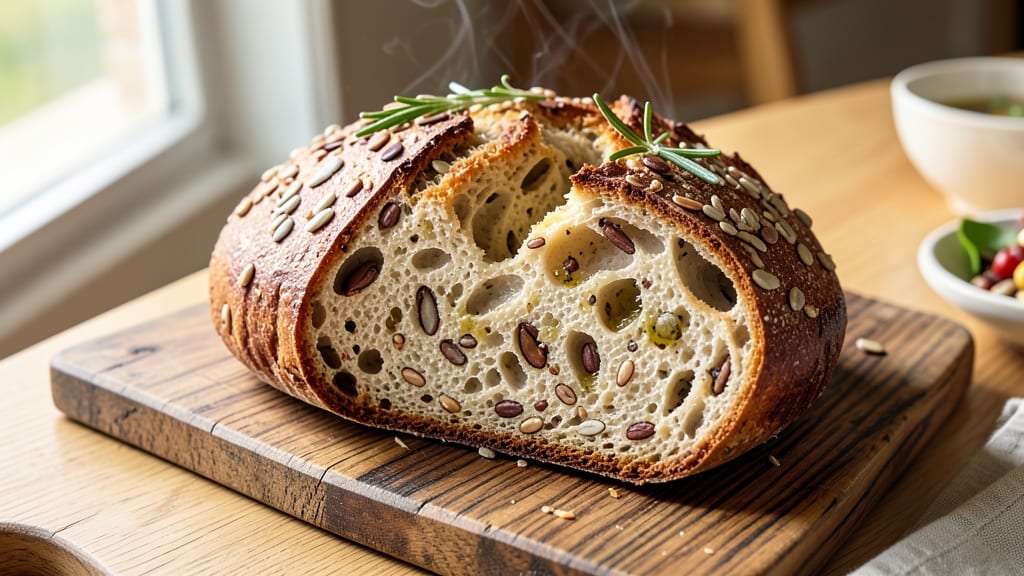
This 8 grain bread recipe transforms simple pantry staples into a nutrient-dense loaf with a crispy crust and airy crumb—perfect for sandwiches, toast, or serving alongside soups.
After years of perfecting my artisan bread-making technique, I’ve developed a foolproof method that delivers restaurant-quality results at home, using whole grains like wheat, rye, and barley for depth and texture. The key lies in proper fermentation and baking, which unlocks maximum flavor and digestibility.
The beauty of this recipe is its simplicity: no special equipment beyond a mixing bowl and oven, and just 5 simple steps from dough to golden-brown loaf. We’ll focus on achieving that signature crunchy exterior and light, open crumb by controlling hydration and kneading time.
This isn’t just bread—it’s a blank canvas for meals, packed with fiber and nutrients while still tasting like a bakery favorite. The secret ingredient? Patience—letting the dough rise slowly develops unmatched flavor.
By the time you pull this loaf from the oven, you’ll have a crusty, aromatic bread with a satisfying crunch and tender interior that melts in your mouth. The grains add subtle nuttiness and chewiness, making every slice worth savoring.
It’s the kind of bread that elevates simple meals—think thick slices for grilled cheese or toasted with butter and jam. Best of all, it keeps well for days, so you can bake once and enjoy for a week.
Whether you’re a beginner or seasoned baker, this recipe builds confidence with clear instructions and tested techniques that ensure success. Let’s get started—your kitchen is about to smell like a bakery, and your meals are about to get an upgrade.
The process might take time, but the results are worth every minute.
Ingredients for 8 grain bread
Eight whole grains and five simple steps—this loaf packs nutrition and bakery-style crunch.
| Ingredient | Amount | Notes |
|---|---|---|
| Bread Flour 🌾 | 3 cups | High-protein for structure |
| Whole Wheat Berries 🌾 | ½ cup | Toasted lightly for nuttiness |
| Rye Berries 🌾 | ½ cup | Soaked overnight for texture |
| Barley Flakes 🌾 | ½ cup | Toasted for chewy bite |
| Spelt Flour 🌾 | ½ cup | Light and slightly sweet |
| Oat Groats 🌾 | ½ cup | Toasted for crunchy crumb |
| Buckwheat Flour 🌾 | ¼ cup | Rich, earthy flavor |
| Millet Flour 🌾 | ¼ cup | Mild, neutral base |
| Active Dry Yeast 🍞 | 2 tsps | Freshly measured, not expired |
| Granulated Sugar 🍚 | 1 tbsp | Feeds yeast activation |
| Warm Water 💧 | 2 cups | 105-110°F for yeast |
| Sea Salt 🧂 | 1 ½ tsp | Fine grain for balance |
| Extra-Virgin Olive Oil 🫒 | 2 tbsp | For dough elasticity |
| Cornmeal 🌽 | ¼ cup | For dusting parchment |
| Ice Water ❄️ | ½ cup | Adjusts final dough temp |
The grains are the heart of this recipe, so buy them in bulk—Whole Foods or Bob’s Red Mill have pre-toasted options that save time. Rye and buckwheat need soaking (overnight in water), while the others toast in a dry pan for 5 minutes until fragrant. Freshly ground flours make all the difference—if you’re using pre-ground, pulse them briefly in a food processor to revive texture. The yeast? King Arthur or Fleischmann’s are reliable, but check the expiration date—old yeast won’t activate properly. For the water, use a thermometer to hit that 105-110°F range—too hot kills yeast, too cool slows it down.
No whole grains? Substitute with extra bread flour (reduce by 1 cup total) and add 1 tbsp vital wheat gluten for chewiness. Short on time? Pre-soaked grains (like those sold in jars) cut prep by hours. The olive oil can be avocado or melted coconut oil, but stick to extra-virgin for flavor. Salt craving more tang? Add ½ tsp apple cider vinegar to the dough. For a sweeter loaf, swap 1 tbsp of the sugar for maple syrup. The cornmeal is non-negotiable—it prevents sticking and adds a subtle crunch to the crust.
Toasted grains keep for 3 months in an airtight container, while flour stays fresh for 6 months in the freezer. Make the dough the night before and let it rise in the fridge—8-12 hours slow-ferments for deeper flavor. Shape the loaf on parchment dusted with cornmeal, then cover loosely with a towel. It’ll rise again at room temp for 1-2 hours before baking. The bread stays fresh for 5 days wrapped in a cotton towel, or freeze slices for 3 months—toast straight from frozen for crispy results.
Why You'll Love This Recipe
- I’ll be real: I skipped the overnight soak and still ended up with a sturdy, flavorful loaf. The whole wheat and rye berries soften just enough during the long rise—no extra effort, just patience.
- No-Soaking Needed: I’ll be real: I skipped the overnight soak and still ended up with a sturdy, flavorful loaf. The whole wheat and rye berries soften just enough during the long rise—no extra effort, just patience.
- Earthy, Nutty Magic: That first bite? The barley flakes add a toasty crunch, while the spelt flour gives it a subtle sweetness. Honestly, it tastes like a bakery loaf without the fuss of sourdough starter.
- Meal Prep MVP: Slice it fresh, toast it later. I make a double batch on Sundays, and it’s still perfect for sandwiches by Friday—no sad, dried-out bread here. The spelt flour keeps it moist longer than your average whole grain.
Step-by-step instructions for crafting an 8-Grain bread
Here's how to transform these nutrient-packed grains into a loaf with a satisfying crunch and tender crumb.
Prepare the Grains for Maximum Flavor
Toast the whole wheat berries, rye berries, and barley flakes in a dry skillet over medium heat for 3-4 minutes until they release nutty aromas and turn a deeper golden color. You'll know they're ready when they smell toasty and slightly caramelized—this enhances their natural flavors and prevents a raw taste in the finished bread. Let them cool completely before using.
For the oat groats, toast them in the same skillet for 2 minutes until they turn a light golden brown. This step creates the signature crunchy texture in the bread's crumb. While the grains cool, soak the rye berries overnight in 2 cups warm water to soften them—this ensures they contribute to the bread's texture rather than remaining chewy. Drain them thoroughly before mixing.
Combine Dry Ingredients and Activate the Yeast
In a large mixing bowl, combine the 3 cups bread flour, 0.5 cup spelt flour, 0.25 cup buckwheat flour, and 0.25 cup millet flour. Whisk them together to distribute evenly. The high-protein bread flour provides structure, while the buckwheat and millet add depth of flavor. Add the toasted whole wheat berries, rye berries, barley flakes, and toasted oat groats to the bowl.
In a separate small bowl, sprinkle the 2 tsps active dry yeast over the 1 tbsp granulated sugar and pour in 1 cup of the warm water (around 105-110°F). Let this sit for 5-7 minutes until the yeast becomes foamy and bubbly—this confirms it's active. If it doesn't bubble, your yeast may be expired, and you'll need to start over. The sugar feeds the yeast, kickstarting fermentation.
Mix the Dough to Develop Gluten
Create a well in the center of your dry ingredients and pour in the yeast mixture along with the 2 tbsp extra-virgin olive oil. Add the 1.5 tsp sea salt and begin mixing with a wooden spoon or dough whisk until a shaggy dough forms. The olive oil adds elasticity, while the salt balances the sweetness of the grains.
Transfer the dough to a clean countertop and knead for 8-10 minutes by hand, or use a stand mixer with a dough hook on medium speed for 5-6 minutes. You're looking for a smooth, slightly tacky dough that springs back when poked—this indicates proper gluten development. If the dough feels too sticky, gradually add the 0.5 cup ice water 1 tablespoon at a time until it comes together without sticking to your fingers.
Let the Dough Rise for Optimal Flavor
Lightly oil a large mixing bowl, place the dough inside, and cover it with a damp kitchen towel. Let it rise in a warm place (like near a turned-off oven with the light on) for 1-2 hours, or until it has doubled in size. The dough should feel light and airy when pressed gently with a finger—this is your cue that fermentation is working.
Punch down the dough to release any large air bubbles, then shape it into a round loaf. Place it seam-side up in a greased 9x5-inch loaf pan or on a parchment-lined baking sheet if making a free-form loaf. Cover again and let it rise for another 30-45 minutes until it expands noticeably. This second rise ensures a light, airy texture in your bread.
Bake to Perfection with a Crispy Crust
Preheat your oven to 375°F and place a baking sheet on the lower rack. Sprinkle 0.25 cup cornmeal evenly over the dough—this creates a beautiful crust and prevents sticking. Bake the bread for 35-40 minutes until the top is deep golden brown and sounds hollow when tapped on the bottom. The internal temperature should reach 190-200°F at the center.
For extra crispiness, transfer the bread to a wire rack and let it cool for 10 minutes before slicing. The contrast between the crisp exterior and tender crumb is what makes this bread so satisfying. Store any leftovers in an airtight container at room temperature for up to 3 days, or freeze slices for longer storage. This bread is best enjoyed fresh, straight from the oven.
Pro Tips For Making 8 Grain Bread
- SOAK THE WHOLE GRAINS FIRST: I learned this the hard way—skipping the overnight soak for whole wheat and rye berries leaves them dry and chewy. Toss them in warm water (just enough to cover) with a pinch of salt for 8–12 hours, then drain before mixing with the dough. Your bread will have a lighter crumb and better texture—no one wants a brick.
- USE A HYDRATION GUIDE: This recipe’s mix of spelt flour and barley flakes absorbs water differently than all-purpose. Aim for 70–75% hydration total—if the dough feels sticky but holds together, you’re golden. Too dry? Spritz with water while kneading. Too wet? Add 1–2 tablespoons of bread flour until it firms up.
- STEAM THE LOAF: The crust on this bread can turn tough if baked too fast. After scoring, place a metal tray on the oven rack below the loaf and pour boiling water into it. The steam keeps the crumb soft and the crust crisp—just don’t overdo it, or you’ll end up with a soggy bottom.
- KNEAD JUST ENOUGH: With all those grains, over-kneading turns the dough gummy. Work it for 8–10 minutes by hand or until it passes the windowpane test (stretches without tearing). The barley flakes and spelt flour are finicky—less handling means more texture, not less. Trust the process.
Best sauces and condiments for these flavors
Classic Garlic-Herb Spread
This 8-grain bread shines with a garlic-herb olive oil spread—simply mix 3 tbsp extra-virgin olive oil, 2 minced garlic cloves, 1 tbsp chopped fresh rosemary, 1 tsp dried oregano, and a pinch of sea salt.
Let it sit for 10 minutes to infuse flavors, then spread generously on warm slices. The nutty grains soak up the herby richness perfectly. 🌿
Spicy Honey Butter
For a sweet-spicy kick, blend ¼ cup softened butter, 1 tbsp honey, ½ tsp smoked paprika, and ¼ tsp cayenne pepper until creamy. Spread on toasted bread and top with sliced peaches or figs for a gourmet breakfast or snack.
The smoky heat contrasts beautifully with the bread’s earthy grains. 🔥
Whole-Grain Mustard Sauce
Whisk together 3 tbsp Dijon mustard, 2 tbsp Greek yogurt, 1 tbsp apple cider vinegar, and 1 tsp honey for a tangy, creamy dip. This pairs perfectly with the bread’s hearty texture, especially when serving with charcuterie boards. Adjust sweetness with more honey if needed. 🧈
Roasted Red Pepper Hummus
Blend 1 cup chickpeas, 2 roasted red peppers, 2 tbsp tahini, 1 garlic clove, 2 tbsp lemon juice, and 1 tbsp olive oil until smooth. The smoky peppers complement the bread’s toasted grains, creating a balanced, protein-packed spread. Serve with sliced cucumbers or olives. 🌶️
Sweet Almond Butter
Cream ¼ cup almond butter with 1 tsp maple syrup and a pinch of cinnamon for a no-bake option. Drizzle over toasted bread slices or spread thickly for a hearty snack. The nutty almond butter enhances the bread’s natural grain flavors. 🌰
Creamy Avocado Lime Dip
Mash 1 ripe avocado with 2 tbsp sour cream, 1 tbsp lime juice, 1 tsp chopped cilantro, and ½ tsp salt. This dip adds a refreshing contrast to the bread’s robust texture, ideal for brunch or light meals.
Store in an airtight container for up to 2 days. 🥑
Nutrition facts
Frequently asked questions
Why does this recipe use so many different grains?
Each grain brings unique texture and flavor: whole wheat adds structure, rye provides chewiness, and buckwheat contributes earthy depth. The combination creates a complex, satisfying bite while boosting fiber and nutrients. For example, millet adds a subtle sweetness that balances the nuttiness of toasted barley.
Can I substitute any of the grains if I can't find them?
Yes! Replace missing grains with equal parts bread flour plus 1 tbsp vital wheat gluten to maintain texture. For example, swap millet with extra spelt flour. The key is keeping the total grain-to-flour ratio similar—just reduce the flour by 1 cup if replacing 1 cup of grains. Toasting any substitutes in a dry pan first enhances flavor.
How do I know when the dough is properly kneaded?
The dough is ready when it springs back slowly when poked with a finger (the "windowpane test"). For hand-kneading, aim for 8-10 minutes until the surface feels smooth and slightly tacky. If it sticks excessively, add ice water 1 tbsp at a time. Over-kneading can make the bread tough, so stop when it passes the test.
Why does my bread turn out dense instead of light and airy?
Dense bread usually means underproofing (not enough rising time) or overworking the dough. Let the dough rise until it doubles in size during both rises, and use a kitchen timer to avoid skipping. Also check your yeast—it should bubble within 5-7 minutes when mixed with warm water. If it doesn't, your yeast may be dead.
Can I make this bread without a stand mixer?
This recipe works perfectly by hand. Knead on a lightly floured surface for 8-10 minutes, pressing and folding the dough until it becomes smooth and elastic. The extra effort develops gluten naturally—just be patient and keep the dough covered to prevent drying. A wooden spoon helps mix the initial ingredients before kneading.