
Side Dishes
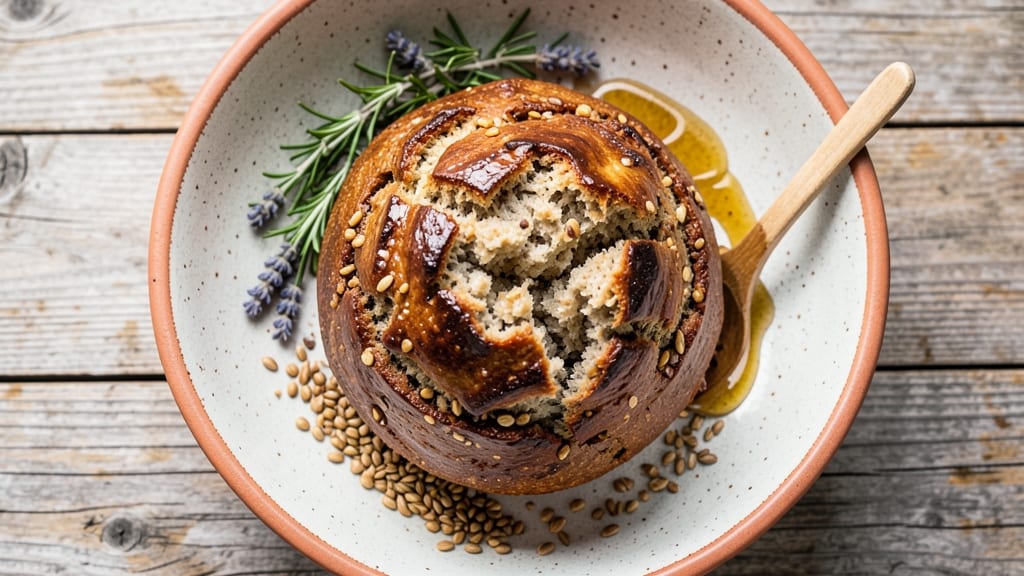
This 9-grain bread machine recipe delivers a nutty, hearty loaf with a crisp crust and soft interior—all with minimal effort. The secret lies in balancing nine whole grains (including whole wheat, rye, and barley) for depth of flavor and texture.
Unlike dense artisanal bread, this recipe uses your bread machine to create a perfectly textured loaf with minimal supervision.
The grain blend transforms ordinary bread into a nutrient-packed staple, rich in fiber and protein. A touch of honey and olive oil enhances the crust while keeping the crumb tender.
Most bread machines handle this mix effortlessly, but we’ll cover adjustments for sticky dough or uneven baking. No kneading required—just add, set, and let the machine work its magic.
By the end, you’ll have a golden, aromatic loaf with a satisfying crunch and a moist interior that’s perfect for toast or sandwiches. The nutty undertones from the grains make every slice taste like a bakery masterpiece.
This recipe is designed for success—whether you’re a bread machine beginner or a seasoned baker looking to elevate your loaf.
Pair it with soups, use for garlic bread, or enjoy it fresh from the machine. The versatility of this bread makes it a must-have for any kitchen. Let’s get started with the exact grain ratios and settings that guarantee a perfect rise every time.
Ingredients for 9 grain bread machine
Nine whole grains plus a few pantry staples—this is your bread machine magic in action.
| Ingredient | Amount | Notes |
|---|---|---|
| Whole Wheat Flour 🌾 | 2 cups | Unbleached preferred for lighter texture |
| Rye Flour 🌾 | ½ cup | Dark rye for stronger flavor |
| Barley Flour 🌾 | ½ cup | Ground from pearled barley |
| Oat Flour 🌾 | ½ cup | Blended from rolled oats |
| Spelt Flour 🌾 | ½ cup | Lightly toasted for nutty flavor |
| Buckwheat Flour 🌾 | ¼ cup | Rich, earthy flavor |
| Cornmeal 🌽 | ¼ cup | Fine grind for even texture |
| White Whole Wheat Flour 🌾 | ½ cup | For lighter crumb |
| Milk 🥛 | 1 cup | Warm for better activation |
| Water 💧 | 1 cup | Room temperature |
| Honey 🍯 | 2 tbsp | Light variety preferred |
| Olive Oil 🫒 | 2 tbsp | Extra-virgin for richness |
| Active Dry Yeast 🍞 | 2 ¼ tsp | Fresh yeast if possible |
| Salt 🧂 | 1 ½ tsp | Diamond Crystal preferred |
| Sugar 🍚 | 1 tbsp | White granulated |
The grain blend is where the magic happens. King Arthur Flour carries all these flours individually, or grab pre-mixed grain blends at Whole Foods bulk section. For the rye and buckwheat, look for dark varieties—they pack the most flavor. If you're buying whole grains to grind yourself, toast them first in a dry pan for 3-4 minutes to deepen their nutty aroma. The oat flour can be made at home by blending rolled oats in a food processor, but store-bought works just as well. Pro tip: measure flours by weight if your kitchen scale allows—it's more accurate than volume measurements.
No buckwheat flour? Substitute with extra rye flour—it's the closest match. Running low on honey? Maple syrup works 1:1, though it adds a slightly different sweetness. The olive oil can be swapped for melted coconut oil if you prefer, but trust me on the full-fat version for that perfect crust. For the milk, any kind works—dairy, almond, or oat—just make sure it's warm (around 100°F) when mixing. If your bread machine struggles with the sticky dough, reduce the water by 1 tbsp and add an extra splash of olive oil to help lubricate.
Store your bread in an airtight container at room temperature for up to 5 days, or freeze slices for 3 months wrapped in plastic. The crust stays crisp for about 2 days if kept sealed, but it's best enjoyed fresh from the machine. For extra crunch, brush the warm loaf with melted butter right after baking. This bread reheats beautifully—wrap a slice in foil and warm in a toaster or oven for 5 minutes. The grains keep it moist longer than regular bread, so you won't need to worry about drying out.
Why You'll Love This Recipe
- No-Fuss Machine Magic: The bread machine does all the heavy lifting—just dump in the flours (whole wheat, rye, barley, oat, spelt), add water and yeast, and walk away. No kneading, no stress, just set it and forget it.
- Earthy, Nutty Depth: That mix of rye and spelt? It’s got a rich, almost toasty flavor that’s way more interesting than plain white bread. Honestly, the first slice out of the machine tastes like a cozy autumn morning in loaf form.
- Meal Prep MVP: Toss a few slices in the freezer for toast or sandwiches all week—it reheats beautifully. I swear by it for lunch prep: just grab, toast, and go. Even my picky teenager won’t skip breakfast if this is on the table.
- Budget-Friendly Staple: Using whole grains cuts costs way more than store-bought artisan loaves, and the combination keeps you full longer. Between us, this recipe stretches my grocery budget without sacrificing taste—or texture.
Step-by-step instructions for 9 grain bread machine recipe
Here's how to transform nine distinct flours into a hearty, nut-packed loaf with crisp crust and tender crumb.
Prepare the Ingredients for Optimal Activation
Start by warming the 1 cup milk in a small saucepan over low heat until it reaches about 100°F—just warm to the touch. This gentle heat helps activate the yeast more efficiently later. While the milk warms, combine the 2 tbsp honey and 1 tbsp sugar in a small bowl and stir until fully dissolved. This sweet mixture will feed the yeast and give your bread a subtle caramel note.
In a separate measuring cup, mix the 1 cup water with the 2 tbsp olive oil. The oil adds richness and helps create a softer crumb. Let all liquids cool to room temperature before adding to the bread machine—cold liquids can shock the yeast and slow fermentation.
Combine Dry Ingredients in the Bread Machine Pan
In the bread machine pan, add all the dry ingredients in this order: 2 cups whole wheat flour, 0.5 cup rye flour, 0.5 cup barley flour, 0.5 cup oat flour, 0.5 cup spelt flour, 0.25 cup buckwheat flour, 0.25 cup cornmeal, and 0.5 cup white whole wheat flour. Use a flexible spatula to scrape down the sides and ensure even distribution—this prevents pockets of flour that can create uneven texture.
Create a well in the center and add the 2.25 tsp active dry yeast and 1.5 tsp salt. The yeast should nestle comfortably in the flour mixture without sticking to the sides. This layering technique helps the yeast activate evenly when the liquids are added.
Add Liquids and Select Bread Machine Settings
Pour the warm milk mixture, water-oil blend, and honey-sugar solution into the well, then gently stir with a wooden spoon until just combined. The dough should come together into a shaggy mass—don't overmix at this stage. Add the dough hook that came with your bread machine if it has one, or use your fingers to gently press the dough together.
Select the "Basic White Bread" setting on your bread machine, which typically uses a 2-hour cycle with a 15-minute kneading phase followed by rising and baking. The machine will handle the rest, but here's the key: if your machine has a "Dough" setting, choose that instead for more control over the kneading time—this multi-grain dough benefits from an extra 5-10 minutes of kneading to fully develop the gluten.
Monitor the Kneading Phase for Perfect Texture
During the first 10 minutes of kneading, you'll see the dough transform from shaggy to smooth. The bread machine will automatically add more flour if needed—this prevents a sticky dough. If your machine doesn't have this feature, you may need to add 1-2 tablespoons of additional flour during kneading to achieve the right consistency.
Watch for the dough to become elastic and slightly tacky but not sticky to the touch. The multiple flours in this recipe absorb moisture differently, so the dough might feel slightly denser than traditional bread dough. This is normal—it's what gives your loaf that nutty complexity and dense yet tender crumb.
Bake Until Golden and Internal Temperature Reaches 190°F
Once the kneading phase completes, the bread machine will automatically transition to rising. You'll know it's ready to bake when you hear a beep and see the dough has nearly doubled in size. The crust should look slightly puffy with small bubbles forming on the surface.
During baking, the bread will develop a beautiful golden-brown crust with visible cracks—this indicates proper hydration and gluten development. The internal temperature should reach 190°F for perfect doneness. If your bread machine doesn't have a built-in thermometer, use an instant-read thermometer to check by inserting it into the center of the loaf when it's been baking for 45 minutes.
Cool and Serve for Maximum Flavor Development
Remove the bread from the pan immediately after the cycle completes and place it on a wire rack. Let it cool for at least 30 minutes before slicing—this resting period allows the gluten to relax and prevents a gummy texture. The cooling process also lets the flavors meld together, enhancing that nutty, complex profile from all the different flours.
For best results, serve within 2 days of baking. This bread freezes beautifully if wrapped tightly in plastic wrap and aluminum foil—simply thaw at room temperature for 2 hours before serving. The crust will be slightly crisp, while the interior remains soft and moist, with subtle sweetness from the honey carrying through the nutty grain flavors.
Pro Tips For Making 9 Grain Bread Machine
- Prep the Oats First: Grind your oats into flour before adding them to the mix—no blender? Pulse them in the bread machine’s kneading cycle if it’s empty. Whole oats absorb moisture unevenly and can leave dense pockets, especially in a recipe packed with rye and barley. I learned this the hard way when my first loaf turned out gummy in spots.
- Use Less Water: Nine grains mean more fiber, which soaks up liquid like a sponge. Start with 1 to 1.5 cups less water than the machine suggests—this recipe needs it. Too much water turns your dense mix into a sticky mess that won’t rise properly. Trust me, your dough will thank you.
- Skip the Extra Yeast: Rye and spelt are heavy hitters, and they slow fermentation. If your recipe calls for extra yeast to compensate, cut it by half. The bread machine’s cycle already accounts for the weight of these flours—adding more yeast just makes the dough rise too fast and collapse. Let the machine do the work.
- Add Honey Last: Mix the honey (or sweetener) directly into the water before pouring it into the machine. If you add it dry with the flours, it’ll clump and distribute unevenly, leaving pockets of sweetness and dry spots. Sounds small, but it makes a real difference in texture and flavor.
Wine and beer pairings for this dish
Crisp White Wine
This nut-packed grain bread pairs beautifully with a dry Riesling or Sauvignon Blanc—their bright acidity cuts through the rich, toasty flavors of the grains while complementing the honey's subtle sweetness.
I love a German Riesling from the Mosel region, like Dr. Loosen Blue Slate, which offers citrus and mineral notes that refresh your palate after each bite. 🍷
Malty Beer Pairings
A Belgian-style witbier like Hoegaarden or St. Bernardus Wit brings a perfect balance with its coriander and orange peel notes, creating a refreshing contrast to the bread's earthy complexity. For a bolder option, try a honey wheat ale—the caramel undertones mirror the bread's honeyed crust.
If you prefer darker beers, a light amber ale with 10-12% malt sweetness works wonderfully.
Red Wine for Hearty Eaters
If you prefer red wine, a Pinot Noir with earthy undertones—like a Oregon Willamette Valley bottle—pairs surprisingly well. The wine's red fruit flavors and subtle spice complement the rye and buckwheat without overpowering the bread's nutty profile.
Avoid heavy Cabernets, as their tannins can clash with the delicate grain flavors. 🍇
Non-Alcoholic Options
For a refreshing non-alcoholic pairing, try sparkling apple cider with a splash of ginger—its effervescence cleanses the palate between bites. Alternatively, a cold hibiscus iced tea with a hint of honey enhances the bread's natural sweetness while keeping the meal light.
Sparkling water with a lemon twist also works beautifully for a simple, crisp pairing.
Coffee and Tea Pairings
This bread makes an excellent companion to medium-roast coffee with chocolate notes, like a Sumatra Mandheling. The coffee's earthiness mirrors the bread's grainy depth, while the chocolate sweetness ties into the honey.
For tea lovers, an Earl Grey with its bergamot aroma adds a citrusy contrast that brightens the meal. Herbal teas like chamomile also work well, especially with a spread of almond butter on warm slices.
Nutrition facts
Frequently asked questions
Can I substitute any of the grains in this recipe?
For a lighter texture, replace buckwheat flour with extra white whole wheat flour. If you can't find spelt, use whole wheat instead—it's the closest match. For a sweeter profile, swap cornmeal with semolina. Just remember: darker grains like rye and buckwheat add depth, while lighter flours create a softer crumb.
Why does my bread machine dough get too sticky?
This multi-grain dough absorbs more moisture than standard bread. If it's too sticky, reduce the water by 1-2 tablespoons or add 1 tablespoon extra flour during kneading. Some machines add flour automatically—check your manual. The dough should be tacky but not gluey when done.
How do I know when the bread is fully baked?
Look for a golden-brown crust with visible cracks. Tap the bottom—it should sound hollow. The internal temperature should reach 190°F. If your machine lacks a thermometer, use an instant-read one inserted into the center for 45 minutes of baking time. Overbaking dries out the crumb, so remove it promptly when done.
Can I add seeds or nuts to this recipe?
Yes! Add 1/4 cup sunflower seeds or 1/2 cup chopped walnuts during the final 5 minutes of kneading. For extra crunch, sprinkle sesame seeds on top before baking. Just reduce the flour slightly to maintain proper dough consistency. Toast seeds/nuts first for enhanced flavor.
Why does my 9-grain bread turn out dense?
Density often comes from under-kneading or insufficient yeast activation. Try these fixes:
- Increase kneading time by 5-10 minutes if your machine allows,
- Use fresh yeast (test it in warm water first), or
- Add 1/2 teaspoon extra sugar to feed the yeast. The grain blend requires more development than white bread.