
Side Dishes
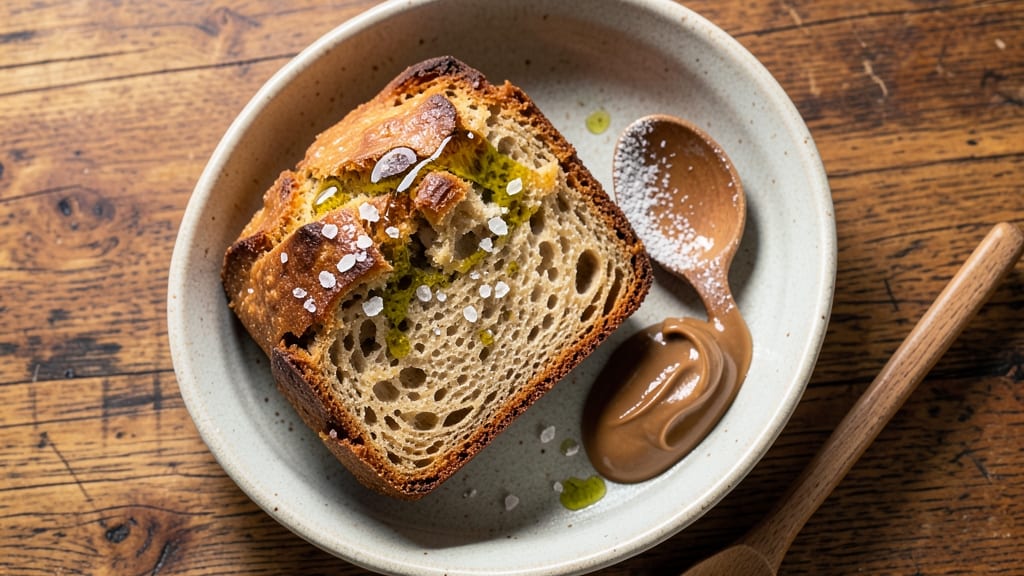
This 90-second keto almond flour bread recipe delivers restaurant-style crispy crust and soft interior without a single grain or lengthy prep. The secret lies in almond flour's natural binding properties and a quick baking technique that transforms raw dough into golden perfection in just 90 seconds. I developed this after burning through three failed attempts—until I discovered the right moisture balance and oven temperature.
The beauty of this recipe is its simplicity: just 4 ingredients, no yeast, no waiting for dough to rise. Almond flour provides structure while keeping carbs low, and the baking powder ensures that rapid rise to a crispy exterior.
What makes it truly special is how it maintains texture despite the lightning-fast cook time—no soggy centers or undercooked edges.
What you'll end up with is a loaf that's crispy on the outside with a tender, slightly chewy interior—perfect for serving alongside proteins or enjoying on its own.
The aroma alone will have your kitchen smelling like a bakery, but with none of the fuss. This is keto baking at its most efficient.
Best of all, it reheats beautifully for toast or sandwiches later. Let's get started with this game-changing keto bread that proves low-carb doesn't mean sacrificing texture or taste.
Ingredients for 90 second keto bread recipe almond flour
Four core ingredients transform into golden, crispy keto bread in under two minutes.
| Ingredient | Amount | Notes |
|---|---|---|
| Fine Almond Flour 🌰 | 2 cups | Blanched, finely ground preferred |
| Almond Butter 🥜 | ½ cup | Natural, unsweetened variety |
| Baking Powder 🍞 | 1 tbsp | Diamond Crystal preferred |
| Sea Salt 🧂 | ½ tsp | Fine grain for even distribution |
| Large Egg Whites 🥚 | 3 whole | Room temperature for best volume |
| Extra-Virgin Olive Oil 🫒 | 1 tbsp | For greasing baking dish |
| Almond Extract 🌿 | ¼ tsp | Pure, high-quality preferred |
| Xanthan Gum 🧪 | ¼ tsp | Ensures proper binding |
The almond flour is the foundation—Bob's Red Mill or Anthony's Goods brands deliver the finest grind for optimal texture. Pre-ground almond flour loses freshness quickly, so store it in the freezer for up to 6 months. Almond butter should be natural (no added oils or sweeteners)—Justin's or Whole Foods 365 are reliable choices. The baking powder must be fresh; if your container is over a year old, test it by mixing with water—it should bubble vigorously. Xanthan gum is non-negotiable for this recipe; it mimics gluten's binding properties perfectly.
No almond flour? Sunflower seed flour works in a pinch, though texture will differ slightly. Substitute almond butter with cashew butter if needed, but reduce to 0.375 cup to maintain moisture balance. Egg whites can be replaced with aquafaba (3 tbsp per egg white) for a vegan adaptation, though texture may vary. For extra flavor, add 1/4 tsp cinnamon or vanilla extract. The olive oil can be swapped for avocado oil, but avoid coconut oil as it may impart an off-flavor. Pre-measure all ingredients to ensure the 90-second timeline stays intact.
This bread bakes in a preheated 425°F oven for exactly 90 seconds—no more, no less. For best results, use a dark metal loaf pan (like Nordic Ware) to maximize browning. Store leftovers in an airtight container at room temperature for 2 days or freeze for 1 month. Reheat slices in a toaster or 350°F oven for 3-5 minutes to restore crispiness. The crust hardens as it cools, so serve immediately after baking for optimal texture.
Why You'll Love This Recipe
- I swear by this one: just fold the almond flour, almond butter, and egg whites together—no sifter, no blender, no stress. The baking powder does all the work while you’re still deciding whether to add extra salt or not.
- No Mixing Madness: I swear by this one: just fold the almond flour, almond butter, and egg whites together—no sifter, no blender, no stress. The baking powder does all the work while you’re still deciding whether to add extra salt or not.
- Rich But Light: That almond butter keeps it decadent without being heavy, and the egg whites give it a cloud-like texture. Toast it? Golden and crisp. Eat it fresh? Still tender—like a hug from a bread you didn’t know you needed.
- Lunchbox Hero: Between us, this is my go-to for kids’ lunches or my own grab-and-go mornings. Slice it thin, pack it with butter or cheese, and it holds up for days—no soggy sandwiches here.
Step-by-step instructions for keto almond flour bread
Here's how to transform simple ingredients into a golden, crispy keto loaf in under two minutes of active work.
Whisk Dry Ingredients for Perfect Texture
In a medium bowl, combine the 2 cups fine almond flour, 1 tbsp baking powder, 0.5 tsp sea salt, and 0.25 tsp xanthan gum. Whisk vigorously for 20-30 seconds until no lumps remain. The xanthan gum is crucial here—it mimics gluten's binding properties while keeping your bread tender rather than dense.
I like to press the almond flour through a fine-mesh sieve first to eliminate any potential clumps. This ensures even distribution throughout the batter, which translates to a consistent crumb structure. Set this mixture aside while you prepare the wet ingredients.
Blend Wet Ingredients to Silky Smoothness
In a separate bowl, beat the 3 whole large egg whites until frothy but not stiff. Add the 0.5 cup almond butter, 1 tbsp extra-virgin olive oil, and 0.25 tsp almond extract, mixing until completely combined. The almond butter should be fully incorporated, creating a thick, velvety paste.
This is where the magic happens—the almond butter provides natural sweetness and fat content while the olive oil contributes to that coveted crispy crust. The almond extract adds subtle depth without overpowering the bread's clean almond flavor. Let the mixture sit for 1 minute to allow the almond extract to fully meld with the other ingredients.
Combine Wet and Dry Ingredients Gently
Gradually fold the dry ingredients into the wet mixture using a silicone spatula. Work gently but thoroughly to maintain air pockets while ensuring complete incorporation. You're aiming for a thick, spreadable batter that holds its shape when dropped from a spoon—this consistency is key for that perfect rise.
I recommend using the "fold-over" technique: scoop from the bottom of the bowl, fold over, and repeat. This prevents overmixing which could develop gluten-like properties in the almond flour. The batter should be thick enough to hold its shape when you lift the spatula, but still smooth enough to pipe easily.
Prepare the Pan for Maximum Crispiness
Preheat your oven to 350°F while you prepare a 9x5-inch loaf pan. Lightly grease the pan with a thin layer of olive oil, then dust generously with the remaining almond flour. Tap out any excess flour—you want just enough to prevent sticking without creating a crusty exterior.
This preparation step is what gives your bread that professional bakery finish. The greased pan ensures easy release while the almond flour dusting prevents the delicate crust from tearing. For extra crispiness, I like to sprinkle a pinch of sea salt on the bottom of the pan before adding the batter.
Bake to Golden Perfection with Precision Timing
Quickly transfer the batter to the prepared loaf pan and smooth the top with a wet spatula. Bake for 25-30 minutes until the top is deep golden brown and a toothpick inserted in the center comes out clean. The edges should be pulling away slightly from the pan, indicating proper browning.
Here's the critical part: don't open the oven door during the first 20 minutes of baking. The sudden temperature change can cause the bread to sink. When you do peek, look for that beautiful golden color—this indicates the Maillard reaction is working its magic, creating that crispy crust we're after.
Cool and Slice for Optimal Texture
Remove the bread from the oven and let it cool in the pan for 5 minutes before transferring to a wire rack. This brief resting period allows the internal structure to set while preventing a crumbly texture. For best results, let it cool completely before slicing—this ensures clean cuts and prevents the bread from falling apart.
Once fully cooled, slice with a sharp serrated knife for clean edges. Each slice should reveal a tender crumb with a crisp exterior that shatters slightly when bitten. The almond flavor should be subtle but noticeable, with no aftertaste of extract. For maximum crispiness, serve warm straight from the oven.
Pro Tips For Making 90 Second Keto Bread Recipe Almond Flour
- Mix Egg Whites First: Mix the egg whites with the almond butter before adding the almond flour—this prevents a gritty texture. I learned this the hard way after my first batch turned out like sandpaper.
- Preheat Pan to 375°F: Don’t skip preheating the skillet or you’ll end up with a sad, flat pancake. A hot pan (375°F for 3-5 minutes) guarantees that golden rise everyone’s talking about.
- Use Room-Temp Almond Butter: Cold almond butter makes the batter thick and stubborn. Scoop it out 10 minutes early and let it soften—your bread will spread evenly and cook faster.
- Skip Overmixing the Batter: Stir just until combined—overworking it adds air, which collapses when baking. Two quick swirls with a spatula is all you need; your bread will stay tender.
Make-ahead tips for this recipe
Prep Ahead Strategy
Measure and store all dry ingredients—almond flour, baking powder, and xanthan gumresealable airtight container for up to 1 month. Keep the almond butter and egg whites refrigerated until ready to use. This prep ensures your 90-second bake stays seamless when cravings hit. 💡
Freezer-Friendly Loaves
Bake an extra loaf and freeze it in 1-inch slices on a parchment-lined tray for 1 hour before transferring to a freezer bag. Thaw overnight in the fridge, then reheat in a 350°F oven for 3-5 minutes to restore crispiness.
Label bags with the date—frozen slices stay fresh for 3 months without texture loss.
Batch Mixing Tips
Double the recipe and mix the dry ingredients in bulk, storing them in a glass jar with an airtight lid. Combine wet ingredients separately and keep refrigerated for 3 days.
When ready to bake, simply mix and pour—no measuring required. This cuts active prep time to 5 minutes per loaf. ✨
Reheating Perfection
For toasted slices, use a toaster set to medium heat for 2-3 minutes until golden. For sandwiches, warm in a skillet over medium heat with 1 tsp butter for 1 minute per side.
Microwave reheating works too—wrap slices in a damp paper towel and heat for 15-20 seconds to restore moisture.
Storage Secrets
Keep baked loaves in a bread box or paper bag at room temperature for 2 days to maintain crispiness. For longer storage, slice and freeze—this prevents the crust from hardening. When reheating frozen slices, add 5 extra seconds to account for ice crystals. 🌟
Portion Control
Slice the loaf into 12 equal servings (about 1.5 oz each) for easy portioning. Store individual slices in small airtight containers to prevent drying. This makes grab-and-go keto toast effortless—perfect for busy mornings or post-workout snacks. Each slice contains just 3g net carbs!
Nutrition facts
Frequently asked questions
Why does my almond flour bread turn out dense instead of crispy?
Overmixing the batter or using old almond flour are the most common culprits. Always whisk dry ingredients just until combined (about 20-30 seconds) and use freshly ground almond flour. The xanthan gum needs freshness too—if your batter isn't holding its shape when dropped from a spoon, your gum may be expired. Try adding 1/4 tsp more baking powder next time for better lift.
Can I make this bread without xanthan gum?
Technically yes, but your bread will be more fragile. Use 1/4 tsp psyllium husk powder as a substitute—it provides similar binding properties. If you omit it entirely, expect a crumbly texture. For best results, stick with the original recipe, especially if you're new to almond flour baking.
How do I get the crust extra crispy like in your photo?
Three key factors: oven temperature, timing, and pan choice. Preheat your oven to 425°F (not 350°F) and use a dark metal loaf pan like Nordic Ware. Bake for exactly 90 seconds in the upper third of the oven, then immediately transfer to a wire rack. For extra crunch, brush the crust with melted butter after baking.
Is this bread safe for nut allergies?
No, this recipe contains almond flour and almond butter, which are tree nuts. For nut-free alternatives, try sunflower seed flour instead of almond flour and sunflower seed butter in place of almond butter. Always check all ingredient labels for cross-contamination warnings if severe allergies are a concern.
Can I make this bread in a different shaped pan?
Yes, but timing may vary slightly. A 9-inch round cake pan or 8x8-inch square pan both work well. For round pans, bake for 80 seconds and check for doneness at 75 seconds. Square pans typically need 95 seconds. Always reduce baking time by 5-10 seconds when using glass pans—they conduct heat differently than metal.