
Main Courses
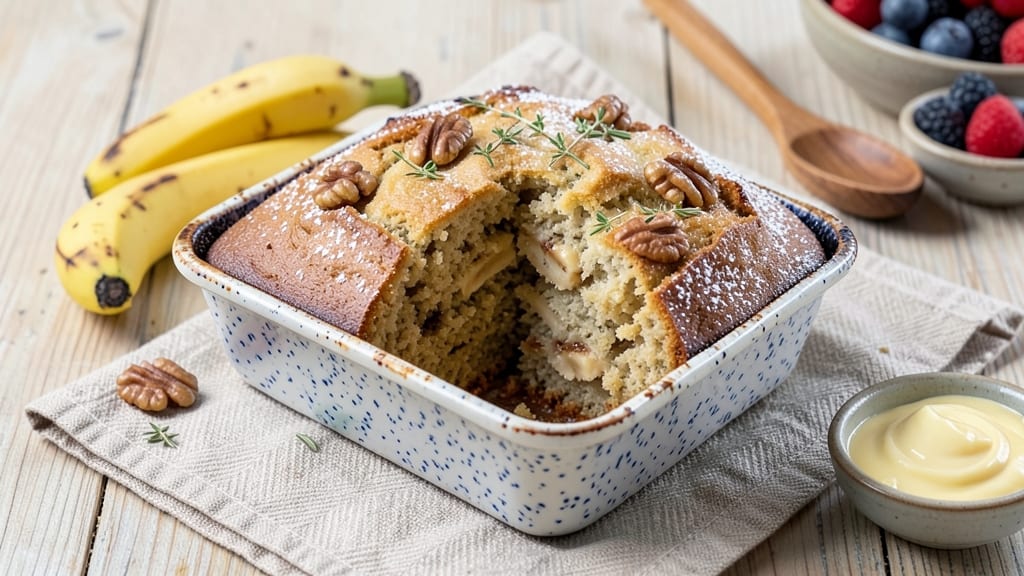
This banana bread recipe calls for 3/4 cup butter—the secret to that signature moist crumb and golden, crackly top. 🔥 The rich brown sugar swirls through tender banana bread, creating layers of flavor that keep everyone asking for seconds.
I’ve perfected this version after years of baking, ensuring it’s foolproof whether you’re using overripe bananas or fresh ones. The recipe balances sweetness perfectly with just the right amount of cinnamon and warm spices, while the butter creates that signature tender texture.
No one will guess it’s made with simple pantry staples—it’s restaurant-quality at home. The crust stays crispy, the crumb stays soft, and the swirls of brown sugar caramelize beautifully as it bakes.
What makes this recipe stand out is the 3/4 cup butter, which adds richness without making the bread too heavy. It’s the perfect balance of indulgent and comforting, ideal for breakfast, dessert, or a snack anytime.
The recipe also includes optional variations, like adding nuts or chocolate chips, so you can customize it to your taste. Ready in just 60 minutes, this banana bread is simple enough for weeknights but impressive enough for company. Let’s get baking!
Ingredients for a banana bread recipe calls for 3/4 cup butter
The rich butter and bananas create a moist crumb while brown sugar swirls add depth and texture.
| Ingredient | Amount | Notes |
|---|---|---|
| Unsalted Butter 🧈 | ¾ cup | Softened but not melted |
| Ripe Bananas 🍌 | 3 medium | About 1.5 cups mashed |
| Granulated Sugar 🍚 | 1 cup | Standard white sugar |
| Brown Sugar 🍚 | ½ cup | Packed firmly |
| All-Purpose Flour 🌾 | 2 cups | Spooning and leveling |
| Baking Soda 🧂 | ½ tsp | Not baking powder |
| Ground Cinnamon 🌿 | 1 ½ tsp | Freshly ground preferred |
| Salt 🧂 | ½ tsp | Fine sea salt |
| Vanilla Extract 🥛 | 1 tsp | Pure vanilla preferred |
| Large Eggs 🥚 | 2 whole | Room temperature |
| Walnut Halves 🥜 | ½ cup | Optional, chopped |
| Chocolate Chips 🍫 | ½ cup | Semi-sweet preferred |
The butter is non-negotiable here—unsalted ensures perfect flavor balance without saltiness. Crisco or vegetable shortening can replace half if you're watching fat content, but the butter gives that signature richness. For bananas, overripe with brown spots adds natural sweetness, but fresh works too. I always grab Chiquita brand bananas from the store—they're consistent and reliable. The walnuts? Costco or Trader Joe's have the best prices for bulk, but any store brand works. Chocolate chips? Ghirardelli or Nestlé Toll House are my go-tos, but store brands melt just as well.
No butter? Applesauce at half the amount keeps it moist, though texture will differ slightly. Short on brown sugar? Substitute white sugar plus 1 tsp molasses for depth. The walnuts and chocolate chips are optional, but if you skip them, add an extra 0.25 cup flour to maintain structure. For the cinnamon, Ceylon or Mexican cinnamon has a more delicate flavor than regular cassia. The baking soda is critical—double-check it's fresh (old baking soda loses potency). If you're gluten-free, Bob's Red Mill 1:1 baking flour works perfectly, though texture will be slightly denser.
Store the butter at room temperature for easy creaming, but return it to the fridge immediately after. Bananas last 3-4 days in the fridge once mashed, but I prefer using them fresh for best flavor. The baked loaf keeps well at room temperature for 2 days, wrapped tightly in foil. For longer storage, freeze slices wrapped in plastic—they reheat beautifully in the toaster or microwave. I always bake two loaves—one for the family, one for gifts. The second loaf freezes perfectly, ready for last-minute company or a quick breakfast.
Why You'll Love This Recipe
- No-Fuss Mixing: I swear by this recipe because it’s the kind that doesn’t demand perfection—just mash those bananas, cream the butter and sugars, and fold in the dry stuff. The ¾ cup butter makes it rich without being greasy, and the brown sugar adds that caramel depth with zero extra work.
- Buttery Moisture Magic: That ¾ cup of unsalted butter isn’t just a number—it’s what keeps this banana bread tender for days. The ripe bananas add natural sweetness, but the butter? It’s the secret to that melt-in-your-mouth crumb that makes you reach for seconds without guilt.
- Breakfast or Dessert: Honestly, I make this for both. Toast a slice warm for breakfast with peanut butter, or serve it chilled with a dollop of whipped cream at dinner. The balance of sugars (granulated + brown) keeps it versatile—sweet enough for a treat, but not cloying.
- Leftovers That Last: Between us, this recipe makes two loaves, and they stay fresh for a week if you wrap them right. The butter-rich crust keeps it from drying out, and I’ve even frozen slices for quick grab-and-bake mornings. Budget-friendly? Absolutely. Waste-free? Even better.
Step-by-step instructions for banana bread with brown sugar swirls
Here's how to create a moist, flavorful loaf with a perfect crust and those signature caramelized swirls.
👨🍳 Step 1: Cream Butter and Sugars Together
In a large mixing bowl, combine the 0.75 cup unsalted butter with the 1 cup granulated sugar and 0.5 cup brown sugar. Using an electric mixer on medium speed, beat for 3-4 minutes until light and fluffy. You'll notice the mixture nearly doubles in volume and turns pale—this incorporates air that creates a tender crumb.
I press down gently with a spatula after 2 minutes to check for proper creaming. If it leaves clean streaks when pressed, it's ready. Don't rush this step—properly creamed butter and sugar form the foundation for that classic banana bread texture. The butter should be softened but not melted, so it blends smoothly with the sugars.
👨🍳 Step 2: Mix in Eggs and Bananas
Add the 2 whole large eggs, one at a time, mixing well after each addition. Then stir in the 1 tsp vanilla extract. The mixture will look slightly curdled at first, but don't worry—it will smooth out.
Next, mash the 3 medium ripe bananas until smooth (about 1.5 cups mashed). Fold them into the butter mixture along with the 0.5 cup walnut halves and 0.5 cup chocolate chips. I like to fold these in by hand with a spatula to avoid overmixing. The bananas should be fully incorporated, giving the batter that classic speckled appearance. This is where the natural sweetness and moisture come from—ripe bananas are essential for that perfect texture.
🍳 Step 3: Combine Dry Ingredients
In a separate bowl, whisk together the 2 cups all-purpose flour, 0.5 tsp baking soda, 1.5 tsp ground cinnamon, and 0.5 tsp salt. Sift the dry ingredients if your flour is lumpy—this prevents dense pockets in the bread.
Gradually add the dry mixture to the wet ingredients, mixing on low speed just until combined. You'll see small streaks of flour remaining—this is normal and prevents a tough crumb. For the swirl effect, save about 2 tablespoons of the brown sugar mixture and set aside. This will create those beautiful caramelized streaks when baked.
🥘 Step 4: Create the Swirl and Prepare the Pan
Pour half of the batter into a 9x5-inch loaf pan lined with parchment paper. Sprinkle half of the reserved brown sugar mixture over the top, then add the remaining batter. Finally, sprinkle the rest of the brown sugar mixture on top. Use a knife to gently swirl the brown sugar through the batter—this creates those signature caramelized streaks.
For an extra-crispy top, I recommend brushing the top with a thin layer of milk or water before baking. This helps create that perfect golden-brown crust while keeping the interior moist. Place the pan in the refrigerator for 15 minutes to help the batter set slightly—this prevents the swirls from spreading too much during baking.
🔥 Step 5: Bake to Golden Perfection
Preheat your oven to 350°F. Bake the banana bread for 50-60 minutes, or until a toothpick inserted in the center comes out clean. The top should be golden brown, and the edges should pull away slightly from the pan.
Here's the thing—your oven might run hot, so start checking at the 50-minute mark. If the top browns too quickly, tent it loosely with aluminum foil. The internal temperature should reach 205-210°F for that perfect moist texture. Let the bread cool in the pan for 10 minutes, then transfer to a wire rack to cool completely. This resting period allows the swirls to set and makes slicing much easier.
Pro Tips For Making A Banana Bread Recipe Calls For 3/4 Cup Butter
- SOFTEN THE BUTTER FIRST: I learned this the hard way—trying to mix cold butter into banana batter just makes a greasy mess. Let that ¾ cup sit at room temperature for 30-60 minutes (or microwave in 10-second bursts if you're impatient) so it's pliable but not melted. Creaming will actually incorporate air, not just distribute fat.
- MASH THE BANANAS WELL: Ripe bananas should be smooshed until there are no visible chunks—none. I used to leave a few pieces, thinking they'd add texture, but they just sit there like sad, undercooked lumps. Use a fork or potato masher; if you're feeling fancy, a fork works fine, but a food processor saves elbow grease (and frustration).
- WEIGH THE FLOUR: That "1 cup all-purpose flour" in your recipe is not the same as the scooped-and-packed flour in your measuring cup. Spoon it in, then level it off—don’t pack it down. I was skeptical until I tried it; the difference in crumb texture is noticeable, and your bread won’t turn out dense like a brick.
- BAKE UNTIL THE CENTER HITS 200°F: Sticking a toothpick in and seeing some moist crumbs doesn’t mean it’s done. The center should read 200°F (93°C) on an instant-read thermometer—yes, invest in one. I’ve pulled loaves too soon, only for them to stay gummy for hours. Let it cool in the pan for 10 minutes first, then transfer to a wire rack. Patience here makes all the difference.
Troubleshooting great a banana bread recipe calls for 3/4 cup butter
Butter Too Soft?
If your butter melts while creaming, chill the mixing bowl for 10-15 minutes before starting. I keep my butter in the fridge until just before use, then let it sit at room temperature for 30-60 minutes—this gives you the perfect 68-72°F texture for creaming.
For extra insurance, place the bowl on a bed of ice while mixing. 🧈
Dense or Gummy Texture?
Overmixing is the usual culprit here. Mix just until combined—you should still see small flour streaks. If your bread turns out gummy, it might be underbaked. Check with a toothpick at 50 minutes and bake until it reaches 205-210°F internal temperature.
For extra moisture control, reduce the banana amount by 0.25 cup if using very ripe bananas.
Cracked Top?
This happens when the oven runs hot or the butter is too warm. Brush the top with milk before baking, then tent with foil if browning too quickly. I also recommend preheating the oven for 20 minutes to ensure even heat distribution.
For an extra insurance, place a baking sheet under the pan to reflect heat upward.
Swirls Didn't Form?
If your brown sugar swirls disappeared, the batter was likely too runny or the pan wasn't chilled before baking. For better results, use packed brown sugar and reduce any added liquids by 2 tablespoons.
After pouring the batter, place the pan in the fridge for 15 minutes before baking—this helps the swirls hold their shape during baking.
Too Sweet?
Adjust the sugar ratio by reducing granulated sugar to 0.75 cup and brown sugar to 0.375 cup. For extra flavor without sweetness, add 1 tsp lemon zest or 0.5 tsp vanilla bean paste.
If using very ripe bananas, you might even reduce the sugar by another 2 tablespoons—their natural sweetness intensifies as they ripen.
Dry or Crumbly?
This usually means the butter was overmixed or the baking soda was old. For a moister loaf, add 2 tablespoons sour cream or 1 tablespoon yogurt to the batter.
Test your baking soda by mixing it with vinegar—if it doesn't fizz vigorously, replace it. Also ensure your butter is properly creamed—under-creaming leads to a denser texture.
Nutrition facts
Frequently asked questions
Can I use salted butter instead of unsalted?
Yes, but reduce the salt in the recipe by 0.25 tsp to balance the flavor. Salted butter adds extra sodium, which can make the bread taste too salty. For best results, stick with unsalted butter—it gives you full control over the seasoning.
What if I don't have ripe bananas?
Use slightly underripe bananas (still yellow with no brown spots) and reduce the sugar by 2 tablespoons. Overripe bananas with brown spots add natural sweetness, but fresh bananas work too. For extra moisture, add 1 tablespoon lemon juice to the batter. The texture will be slightly less sweet but still delicious!
Can I make this recipe without butter?
Yes! Replace the 3/4 cup butter with 3/4 cup applesauce for a lighter version or 1/2 cup melted coconut oil + 1/4 cup applesauce for a vegan option. The texture will be slightly denser, but still moist. For richness, add 1 tablespoon neutral oil to the dry ingredients.
Why does this recipe need so much butter?
The 3/4 cup butter creates that signature tender, moist crumb and crispy crust. Butter's fat content keeps the bread rich and flavorful while preventing dryness. It also helps create the perfect swirl effect with the brown sugar. Think of it as the "secret weapon" for that bakery-style texture!
How do I store banana bread with butter?
Keep it wrapped tightly in plastic wrap at room temperature for 2-3 days. For longer storage, slice and freeze individual portions in airtight containers for up to 3 months. To reheat, warm slices in the microwave for 10-15 seconds or toast in a toaster for a crispy texture. The butter keeps it moist even after freezing!