
Side Dishes
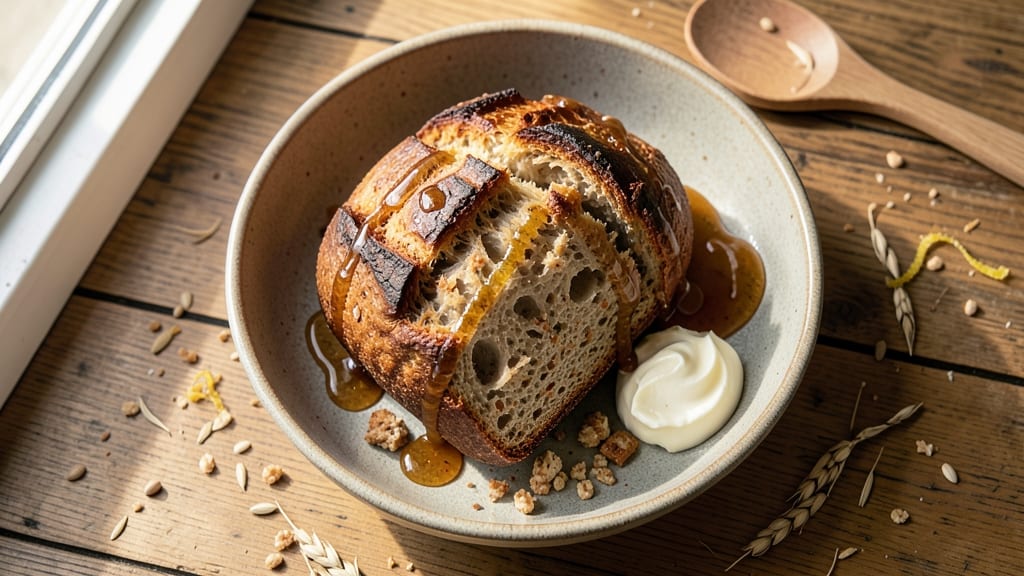
This active dry yeast whole wheat bread recipe delivers nutty, hearty loaves without sacrificing lightness—something most whole wheat breads struggle with. The secret lies in proper yeast activation and a strategic flour blend that balances whole wheat's density with enough all-purpose flour for structure.
I've perfected this method after years of trial and error, learning which techniques prevent that dreaded dense, heavy texture that turns people off whole grain bread.
What sets this recipe apart is the two-stage kneading process that develops gluten properly while accommodating whole wheat's natural stiffness. Active dry yeast plays a crucial role here—it needs to be properly activated in warm water with a touch of honey to ensure strong fermentation.
The dough then undergoes a long, slow rise at room temperature followed by a cold proof in the fridge, which not only enhances flavor but also creates that ideal airy crumb structure.
By the time your bread emerges from the oven, you'll have golden-brown loaves with a crisp crust and tender, open crumb that's surprisingly light for whole wheat.
The nutty flavor of the whole wheat flour shines through without overpowering, and the texture is just right—neither dense nor too light like some commercial loaves. This is the kind of bread that makes whole grain lovers proud and converts skeptics.
Whether you're making it for sandwiches, toast, or dinner rolls, this recipe delivers consistent results. The method accommodates both experienced bakers and beginners—just follow the timing carefully and don't skip the cold proof. Here's everything you need to make it successfully.
Ingredients for active dry yeast whole wheat bread
Nine essential ingredients transform into nutty, light whole wheat bread without compromise.
| Ingredient | Amount | Notes |
|---|---|---|
| Active Dry Yeast 🍞 | 2 ¼ tsp | Ensure freshness by checking expiration date |
| All-Purpose Flour 🌾 | 2 cups | For structure and lightness |
| Whole Wheat Flour 🌾 | 2 cups | Unbleached for best flavor |
| Granulated Sugar 🍚 | 1 tbsp | Feeds yeast for activation |
| Honey 🍯 | 1 tbsp | Enhances yeast activation |
| Unsalted Butter 🧈 | ½ cup | Cold, cubed for texture |
| Large Eggs 🥚 | 1 whole | Room temperature preferred |
| Warm Water 💧 | 1 ¼ cups | 110°F for yeast activation |
| Salt 🧂 | 1 tsp | Kosher or sea salt |
| Olive Oil 🫒 | 1 tbsp | For dough softness |
| Instant Potato Flakes 🥔 | 2 tbsp | Optional for extra tenderness |
The yeast is the foundation—King Arthur or Bob's Red Mill brands are my go-tos for reliable activation. Whole wheat flour varies by brand, so King Arthur or White Lily work best for consistent texture. If your flour is old, toast it lightly in a dry pan first to boost flavor. The butter should be cold but not rock-hard; cut it into small cubes for even distribution. Honey isn't just for sweetness—it helps the yeast wake up faster in the warm water. For the water, 110°F is ideal—too hot kills yeast, too cool slows activation.
No honey? Maple syrup works 1:1. Substituting all-purpose flour for whole wheat? Use 100% all-purpose but reduce by 1/4 cup total to prevent dryness. The potato flakes are optional but worth it—they add moisture and tenderness. If you skip them, increase water by 1 tbsp. For a lighter loaf, add 1/2 tsp xanthan gum if your whole wheat flour lacks gluten. The egg can be omitted for vegan bread, but texture will be denser. Always measure flour by scooping and leveling—don't pack it down.
Store dough in the fridge for up to 24 hours before shaping. The cold proof is key—it develops flavor and prevents overproofing. Shape loaves at least 2 hours before baking for proper rise. Once baked, cool completely on a wire rack to prevent soggy crust. These loaves freeze beautifully—slice before freezing for perfect toast every time. For sandwiches, wrap cooled loaves in foil and store at room temperature for 3 days.
Why You'll Love This Recipe
- No-Fuss Rise: I swear by this yeast trick—just toss the active dry yeast into warm water with a pinch of honey, wait five minutes, and it blooms like magic. No fancy equipment, no guessing if it’s alive.
- Sweet Earthy Crunch: That mix of whole wheat and all-purpose flour gives it a satisfying bite, while the honey adds just enough caramel warmth to make it taste like a treat, not a chore.
- Weeknight Workhorse: I keep a loaf in the freezer for toast, sandwiches, or even croutons—no one will miss the store-bought stuff. Honestly, it’s my go-to when I’m too tired for fancy bread.
- Budget-Friendly Staple: Whole wheat flour’s cheaper than buying pre-made, and a single batch feeds my family for days. Plus, the yeast stretch goes far—no wasted dough here.
Step-by-step instructions for active dry yeast whole wheat bread
Here's the method for crafting a perfectly balanced whole wheat loaf with light texture and rich nutty flavor.
Activate the Yeast for Maximum Rise
In a small bowl, combine the 1.25 cups warm water (tested at 110°F), 1 tbsp granulated sugar, and 1 tbsp honey. Stir until dissolved, then add the 2.25 tsp active dry yeast. Let sit for 5-10 minutes until frothy—this confirms the yeast is alive and ready to work.
Watch for bubbles forming on the surface and a yeasty aroma. If no activity occurs after 10 minutes, your yeast may be dead. This step is critical for proper dough development—don't skip the sugar and honey, as they provide the food yeast needs to activate. The warm water temperature is essential; too hot kills yeast, too cold prevents activation.
Mix the Dough Foundation
In a large mixing bowl, whisk together the 2 cups all-purpose flour, 2 cups whole wheat flour, 1 tsp salt, and the 2 tbsp instant potato flakes. Create a well in the center and pour in the yeast mixture. Add the 1 whole large egg and 1 tbsp olive oil, then mix with a wooden spoon until a shaggy dough forms.
This combination of flours gives you the best of both worlds—whole wheat's nutrition and all-purpose's lightness. The potato flakes add moisture and tenderness without altering flavor. Mix just until combined—overworking at this stage develops gluten too early, which can make the final bread dense. The dough should look sticky but cohesive.
Develop the Dough Through Kneading
Turn the dough onto a lightly floured surface and knead for 8-10 minutes until smooth and elastic. I press down with the heel of my hand and fold the dough over itself, rotating the bowl each time. The dough should spring back slowly when poked and feel slightly tacky but not sticky.
This kneading time builds the gluten structure needed to support the whole wheat flour's heavier particles. If the dough feels too sticky, add 1 tablespoon of flour at a time—but don't overdo it, as too much flour will make the bread dry. The dough should be soft but not wet, and should leave a slight imprint when pressed with your finger.
First Rise for Optimal Flavor Development
Lightly oil a large mixing bowl, place the dough inside, and cover with a damp kitchen towel. Let rise in a warm place (75-80°F) for 1-1.5 hours, or until doubled in size. The dough should feel light and springy when gently pressed.
This first rise allows the yeast to ferment and develop flavor. I place my oven light on with the door slightly ajar to create a warm, humid environment. Don't let the dough rise too long—overproofing leads to collapsed loaves. The edges should pull away from the sides of the bowl slightly, and the dough should feel airy when touched.
Shape and Second Rise for Perfect Crust
Punch down the risen dough to release air, then divide it into 4 equal portions. Shape each into a smooth ball by pulling the dough toward you and tucking the edges underneath. Place the shaped dough balls on a parchment-lined baking sheet, cover, and let rise for 30-45 minutes until puffy.
This shaping creates surface tension that helps develop the oven spring. I dimple the tops slightly with my finger to allow steam to escape during baking, which prevents cracking. The dough should rise about 50% during this second rise. If your kitchen is cold, place the baking sheet on top of the refrigerator for a warmer environment.
Bake to Golden Perfection
Preheat your oven to 375°F. Bake the dough balls for 20-25 minutes until golden brown and hollow-sounding when tapped on the bottom. For extra browning, brush the tops with melted 0.5 cup unsalted butter during the last 5 minutes of baking.
This butter brushing creates that beautiful crust while adding richness. The internal temperature should reach 190-200°F at the center. Let the bread cool on a wire rack for at least 30 minutes before slicing—this prevents a gummy interior. The aroma when they come out of the oven will make your kitchen smell amazing.
Pro Tips For Making Active Dry Yeast Whole Wheat Bread
- Bloom the Yeast First: Mix your active dry yeast with warm water (110°F) and honey first—let it sit for 5-10 minutes until frothy. Whole wheat flour absorbs moisture like a sponge, so this step guarantees your yeast wakes up fully before the dough even forms. I used to skip it, and my bread always took forever to rise.
- Weigh Your Flours: Whole wheat flour is deceptive—it packs differently than all-purpose. Use a kitchen scale for accuracy: 1 cup of whole wheat isn’t the same weight as 1 cup of AP flour. I learned this after my first batch turned out dense; now I measure by grams for consistent results.
- Knead Less, Rest More: Whole wheat dough is tougher to handle, so resist the urge to overwork it. After mixing, let it rest 20 minutes before shaping—this relaxes the gluten and makes it easier to handle. My grandmother called it "giving the dough a break," and she was right.
- Steam the Oven: Place a metal tray on the bottom rack, fill it with boiling water, then preheat to 375°F. The steam keeps the crust from drying out too fast, especially with whole wheat’s tendency to bake unevenly. Sounds weird, but it works—your bread will stay soft longer.
Flavor customization for these flavors
Sweet Variations
Add 1 tbsp cinnamon and ½ cup raisins to the dough for a sweet twist—perfect for breakfast toast or French toast. I like to use plump Thompson raisins and fold them in during the first rise.
For extra richness, swap 1 tbsp honey for 2 tbsp maple syrup in the yeast mixture. These variations work especially well when baked in a pull-apart loaf pan for cinnamon rolls. 🍯
Savory Herbs
Infuse your bread with Mediterranean flavors by adding 1 tbsp dried rosemary or 1 tsp dried thyme to the flour mixture. For a fresh herb version, mix 2 tbsp finely chopped fresh rosemary or thyme leaves into the dough after kneading.
I find Penzeys Mediterranean Herb Blend works beautifully—just use 1 tbsp for a balanced flavor. These herb variations pair perfectly with soups or roasted vegetables. 🌿
Seeded Crunch
Add texture and nutrition by mixing ¼ cup sunflower seeds or pumpkin seeds into the dough during the final kneading. For a nutty flavor, use ¼ cup chopped walnuts or pecans.
I recommend lightly toasting the seeds first to enhance their flavor. These additions create delightful crunch in every bite while adding protein and healthy fats. 🌰
Garlic & Cheese
Create a savory loaf by adding 2 minced garlic cloves to the yeast mixture and ½ cup shredded sharp cheddar during the final kneading. For a tangier version, use ½ cup crumbled feta instead. These variations elevate sandwiches and pair wonderfully with hearty soups or charcuterie boards. 🧀
Spiced Variations
Add warmth with ½ tsp ground cumin and ¼ tsp cayenne pepper for a Middle Eastern-inspired twist. For a smoky flavor, add ½ tsp smoked paprika to the flour mixture.
I love using Penzeys Spiced Blend—just 1 tsp creates a complex, aromatic profile. These spiced variations work beautifully with grilled meats or spicy dishes. 🌶️
Whole Grain Boost
Enhance nutrition by replacing ½ cup all-purpose flour with ½ cup oat flour or spelt flour. For a seed boost, add 2 tbsp ground flaxseeds to the dough.
These variations increase fiber and nutrients while maintaining the bread's light texture. I find Bob's Red Mill oat flour works best for consistent results. 🌾
Nutrition facts
Frequently asked questions
Why does my whole wheat bread turn out dense instead of light?
Whole wheat flour absorbs more water and lacks gluten compared to all-purpose flour, which is why this recipe uses a 50/50 flour blend. Dense bread usually happens from under-kneading or overproofing. Knead for the full 8-10 minutes to develop gluten, and don't let the dough rise beyond 1.5 hours before shaping. The cold proof is also key—it prevents overproofing while enhancing flavor.
Can I make this bread without a stand mixer?
This recipe works perfectly by hand. Use the windowpane test during kneading: stretch a small piece of dough between your fingers—when it's ready, it should be thin enough to see light through without tearing. Hand-kneading takes more effort but gives you better control over gluten development, especially important with whole wheat flour.
How do I know when the yeast is properly activated?
Look for frothy bubbles on the surface and a yeasty aroma within 5-10 minutes of mixing. The mixture should look like a foamy beer head. If nothing happens after 10 minutes, your yeast may be dead—try fresh yeast or check your water temperature (110°F is ideal). Proper activation is critical for good rise and flavor.
What's the best way to store these loaves?
Wrap cooled loaves in foil or plastic wrap and store at room temperature for 3 days. For longer storage, freeze sliced bread in a ziplock bag—it toasts perfectly straight from the freezer. Never refrigerate whole wheat bread as it dries out faster. The cold proof actually helps preserve freshness by slowing moisture loss.
Can I substitute whole wheat flour with white whole wheat?
Yes! White whole wheat flour works beautifully here—it has a milder flavor and slightly lighter color while maintaining all the nutrition. Use it 1:1 in the recipe. The texture will be slightly less dense, but you'll still get that nutty flavor. Just be aware that white whole wheat absorbs slightly less water, so you might need 1 extra tablespoon of water if the dough feels too stiff.