
Side Dishes
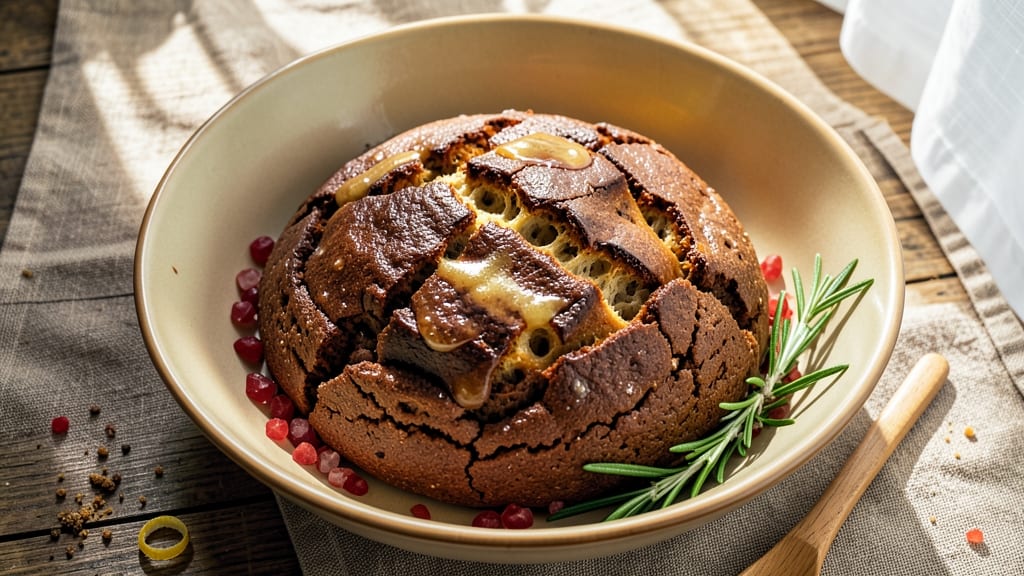
This ale bread recipe transforms simple ingredients into a loaf with a crispy crust and malty sweetness that pairs perfectly with soups or cheeses. The secret lies in using ale instead of water—its natural sugars caramelize during baking, creating a rich, golden crust while keeping the interior tender.
I’ve perfected this recipe over years of baking, ensuring every slice delivers that perfect balance of texture and flavor.
The process starts with a straightforward dough that comes together in just 15 minutes, followed by a 2-hour fermentation for maximum flavor development. The ale not only enhances the bread’s depth but also contributes to its signature chewiness, making each bite satisfying.
Whether you’re a seasoned baker or a beginner, this recipe is designed to be foolproof while delivering restaurant-quality results.
By the time it emerges from the oven, your ale bread will have a crusty exterior with a crackly texture and a soft, airy interior infused with malty notes.
The aroma alone will have everyone gathering around the table, and the first bite will confirm why this bread is worth the effort. Serve it warm with butter, alongside hearty stews, or paired with sharp cheeses for a meal that feels like a cozy embrace.
This bread keeps well for 3-4 days at room temperature, making it ideal for meal prep or gifting. The versatility of ale bread means it shines in any setting—whether you’re hosting a dinner party or simply enjoying a quiet evening at home.
Let’s get started on creating a loaf that will become a staple in your kitchen.
Ingredients for ale bread
Eight simple ingredients create a loaf with crispy crust and malty sweetness that pairs perfectly with soups or cheeses.
| Ingredient | Amount | Notes |
|---|---|---|
| Dark Ale 🍺 | 1 ½ cups | Room temperature, malty flavor preferred |
| All-Purpose Flour 🌾 | 5 cups | Plus 1 tbsp for dusting |
| Active Dry Yeast 🍞 | 2 ¼ tsp | Or 1 packet instant yeast |
| Granulated Sugar 🍚 | 1 tbsp | For yeast activation |
| Salt 🧂 | 2 tsp | Diamond Crystal preferred |
| Unsalted Butter 🧈 | ½ cup | Cold, cubed for mixing |
| Large Eggs 🥚 | 1 whole | Room temperature |
| Honey 🍯 | 1 tbsp | For dough enrichment |
| Cornmeal 🌽 | ¼ cup | For dusting parchment |
| Ice Water 💧 | ½ cup | For shaping dough |
The ale is the star—dark, malty beers like Guinness or stout work best, but any ale will do. Local craft breweries often have great options, or grab a bottle from the grocery store's beer section. If you're using a can, let it sit at room temperature for 30 minutes before mixing. The yeast is key too: King Arthur or Bob's Red Mill brands are reliable, but any active dry yeast will work. Pro tip: if your kitchen is cold, warm the ale slightly (not hot) to help the yeast activate faster.
No dark ale? Substitute with 1 cup water plus 1 tbsp malt syrup or molasses—it won't be identical, but close. Running short on butter? Vegan butter works perfectly, though the crust will be slightly less crisp. The honey can be swapped for maple syrup at the same amount. For a gluten-free version, use a 1:1 gluten-free flour blend (like King Arthur's), but expect a denser texture. The cornmeal is just for dusting—semolina works too—but don't skip it if you've got it.
This dough is forgiving but best used fresh. Shape the loaf within 4 hours of mixing for ideal texture. Store wrapped at room temperature for 3-4 days—it actually gets better as it stales slightly. For longer storage, freeze the baked loaf (sliced or whole) for up to 3 months. Toasting revives stale bread perfectly. The crust stays crisp for about 2 hours after baking, so enjoy it warm with butter or jam.
Why You'll Love This Recipe
- No-Knead Magic: I swear by this—just mix, wait, and bake. The dark ale does all the work, giving you that rich, malty flavor without a single punch from the mixer.
- Rich & Toasty: That first bite? Warm, caramelized crust with a soft, pillowy center—thanks to the sugar and yeast working their magic. Honestly, it’s the kind of bread that makes you pause mid-slice.
- Weeknight Hero: Toss in a loaf for sandwiches, toast it for breakfast, or even freeze slices for quick meals. Between us, I’ve fed a houseful of teenagers with just two batches.
- Pantry Staple: Uses basic ingredients you already have (check your flour bin and fridge). The yeast activates fast, and the ale adds depth without breaking the bank—my wallet thanks me every time.
Step-by-step instructions for ale bread
Here's how to make a perfect loaf with that signature malty depth and crispy crust.
Activate the Yeast with Dark Ale and Sugar
In a small bowl, combine the 1.5 cups dark ale (at room temperature) with 1 tbsp granulated sugar and 2.25 tsp active dry yeast. Stir gently and let it sit for 5-10 minutes until it becomes frothy. You'll see bubbles form and the mixture double in volume—this means your yeast is alive and ready to work.
If it doesn't bubble after 10 minutes, your yeast might be dead. I've had this happen when yeast was old or the ale was too cold. In that case, start fresh with new yeast and warm ale. The frothy mixture is your sign that fermentation is beginning—this is where all the flavor develops.
Mix the Dough with Butter and Honey
In the bowl of a stand mixer fitted with the dough hook attachment, combine 5 cups all-purpose flour and 2 tsp salt. Mix on low speed for 30 seconds to distribute the flour evenly. Add the 0.5 cup cold cubed unsalted butter and mix until it's fully incorporated—you'll see small butter pieces throughout the flour.
In a separate small bowl, whisk together the 1 whole large egg, 1 tbsp honey, and the yeast mixture from Step 1. With the mixer running on low, slowly pour in the wet ingredients. Once combined, increase the speed to medium and knead for 5-7 minutes until the dough is smooth and elastic. It should pull away from the sides of the bowl and form a tight ball when you press it.
Let the Dough Rise Until Doubled
Lightly grease a large mixing bowl with a bit of olive oil (not in our ingredients, but trust me on this). Place the dough in the bowl, cover it with a clean kitchen towel, and let it rise in a warm place for 1-2 hours until it has doubled in size. You'll know it's ready when you poke it gently and the indentation stays put—this is called the "poke test."
I like to place my dough near the oven with the light on (not the heat) to create a warm environment. If your kitchen is cold, the dough might take longer to rise. Don't rush this step—proper rising time develops the bread's airy texture and malty flavor. Patience here makes all the difference.
Shape and Second Rise
Turn the dough out onto a surface lightly dusted with 0.25 cup cornmeal (this prevents sticking and adds texture). Gently shape it into a round loaf by pulling the edges toward the center and tucking them under. Place it on a parchment-lined baking sheet, cover it again with the kitchen towel, and let it rise for another 30-45 minutes until it puffs up noticeably.
Here's where the magic happens: the second rise gives the bread its final structure. You'll see the dough expand and develop a slightly domed shape. If you press it lightly with your finger, it should spring back slowly—this indicates it's ready for the oven. The cornmeal dusting also creates that beautiful textured crust we all love.
Bake to Golden Perfection
Preheat your oven to 375°F with a baking stone or inverted baking sheet on the middle rack. Once preheated, place your shaped dough on the baking stone (or sheet) and bake for 30-35 minutes until the bread is deep golden brown and sounds hollow when tapped on the bottom. The internal temperature should reach 190-200°F when measured with an instant-read thermometer.
I know it's tempting to open the oven door to check, but resist! Every time you open it, you lose heat and steam, which can make the crust tough instead of crispy. The bread is done when it's golden all over and pulls away from the sides of the pan easily. Let it cool on a wire rack for at least 30 minutes before slicing—this prevents a gummy interior.
Pro Tips For Making Ale Bread
- Warm the Ale First: Cold beer kills yeast faster than you can say "sad dough." Pour your dark ale into a measuring cup, then microwave it for 20-30 seconds—just until it’s lukewarm to the touch. Yeast wakes up faster, and your bread won’t take forever to rise. (Yes, even if you’re impatient like me.)
- Weigh Your Flour, Don’t Scoop: That "cup of flour" in your measuring cup is a lie—it’s usually 20-30 grams more than it should be. Use a kitchen scale for the first few batches; ale bread’s hydration is delicate, and too much flour makes it dense. I learned this the hard way when my first loaf turned out like a hockey puck.
- Punch Down Twice: After the first rise, give that dough a firm punch-down—then let it rest for 10 minutes before shaping. The second punch after shaping (right before baking) ensures a tighter crumb. Skipping this step means a loaf that’s more "airy" than "light and airy."
- Bake with Steam: Spritz the inside of your Dutch oven with water or add a tray of boiling water to the oven before baking. The steam mimics a bakery’s environment, giving your ale bread that glossy, crackly crust. (No Dutch oven? A metal bowl over a baking sheet works—just don’t skip the steam.)
Make-ahead tips for ale bread
Prep Ahead Strategy
Mix your dough the night before and store it in the refrigerator overnight for deeper flavor development. The cold slows fermentation, giving you more control over timing. Simply let it sit at room temperature for 1-2 hours before shaping and baking the next day.
This works especially well for busy mornings or when hosting dinner parties. 💫
Freezing for Later Use
Shape your loaf and freeze it on a parchment-lined tray for 1 hour to set, then wrap tightly in plastic wrap followed by aluminum foil. Store in an airtight container for up to 3 months.
To bake from frozen, preheat your oven to 375°F and bake for 45-50 minutes until golden and reaching 190-200°F internally. The crust will still be crispy!
Batch Baking Tips
Double the recipe and bake two loaves simultaneously on separate baking sheets. Use the oven's middle rack for even heat distribution. For large gatherings, bake one loaf fresh and freeze the second loaf immediately after cooling. This ensures you always have warm bread available without last-minute stress. 🍞
Storage Hacks
Keep your baked ale bread in a canvas bread bag at room temperature for 3-4 days to maintain freshness. For longer storage, slice the loaf and freeze individual portions between parchment paper.
Toast frozen slices directly from the freezer for a quick breakfast or snack. The malty flavors actually intensify slightly as the bread ages!
Make-Ahead Serving Plan
Prepare your dough the morning before your gathering and let it rise at room temperature. Shape the loaf and refrigerate it overnight. On the day of your event, bake it fresh while guests arrive.
The warm bread will smell amazing and pair perfectly with soups or cheeses. For a showstopper, brush the warm loaf with melted butter and sprinkle with coarse sea salt. 💛
Travel-Friendly Option
For road trips or picnics, bake your ale bread in a disposable foil loaf pan (available at camping stores). Wrap the cooled loaf tightly in foil and store in a cooler for up to 24 hours.
The bread stays fresh and can be reheated in a toaster or oven for a crispy crust. Perfect for tailgating or beach outings!
Nutrition facts
Frequently asked questions
What type of beer works best for ale bread?
Dark, malty ales like stout or porter create the richest flavor, but any ale will work. Light beers work too, though they'll produce a milder taste. Avoid lagers or IPAs—they can make the bread bitter. For best results, use a beer with at least 4-5% ABV and a caramel or chocolate note.
Why does my ale bread turn out dense instead of light?
Over-kneading or skipping the proper rise time are common culprits. Let the dough rise until it doubles in size (about 1-2 hours), and knead just until smooth—5-7 minutes max. Also, ensure your yeast is active (it should bubble within 5-10 minutes when mixed with ale and sugar).
Can I make this bread without a stand mixer?
Mix the dough by hand in a large bowl, using a wooden spoon first, then your hands to knead. Work the dough for 8-10 minutes until it's smooth and elastic. The kneading process helps develop gluten, which gives the bread its structure—just be prepared for a bit more arm work.
How do I know when the bread is fully baked?
Look for a deep golden brown crust and listen for a hollow sound when you tap the bottom. The internal temperature should reach 190-200°F. If unsure, slice the loaf—it should be fully set with no raw dough inside. Resist opening the oven door early to avoid a tough crust.
What’s the best way to reheat stale ale bread?
Wrap slices in foil and warm in a 350°F oven for 5-7 minutes, or toast in a toaster until golden. For extra crispiness, broil for 1-2 minutes (watch closely!). The malty flavors actually deepen when reheated, making it taste almost fresh again.