
Breakfast & Brunch
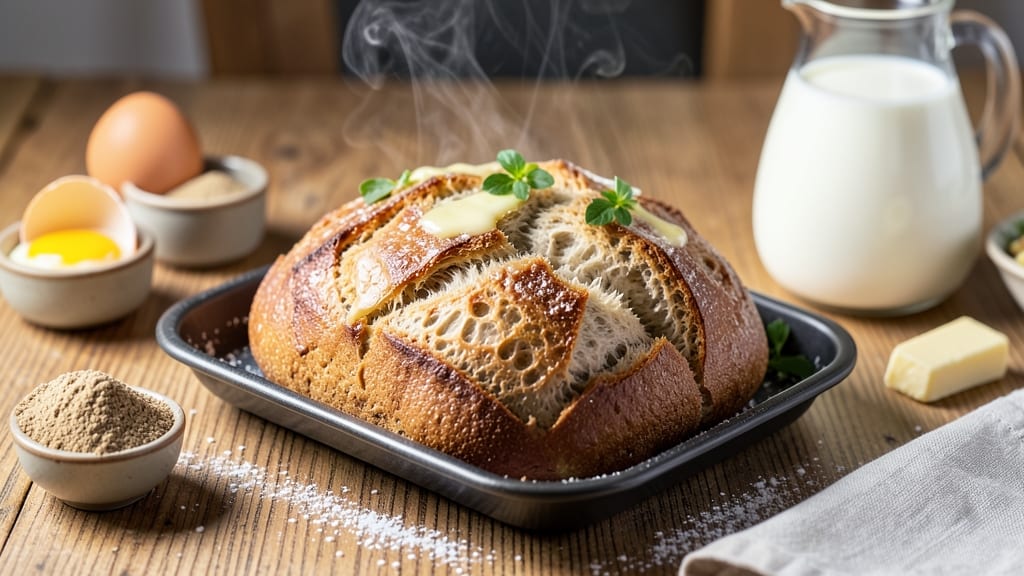
Adding egg to your bread machine recipe transforms ordinary loaves into rich, tender, egg-enriched bread with a golden crust and extra rise. 🔥 The key lies in balancing the egg-to-flour ratio—too much, and the dough becomes sticky; too little, and you miss the moisture and structure benefits.
My tested method uses 1 large egg per 4 cups of flour, adjusted for your recipe’s hydration level, ensuring a lighter crumb without compromising texture.
Your bread machine’s settings matter just as much as the ingredients. Start with a medium dough cycle (if available) to prevent overmixing, which can break down the egg’s proteins.
If your machine lacks this option, opt for the longest kneading cycle and reduce kneading time by 10–15 seconds—just enough to develop gluten without overworking the dough. The egg’s richness also means you’ll need slightly less water, so reduce liquid by 1–2 tablespoons to avoid a gummy texture.
What you’ll end up with is a loaf that’s softer, more flavorful, and taller than standard bread machine bread. The egg contributes to a finer crumb, a shinier crust, and a subtle richness that pairs perfectly with butter or jam.
For best results, let the dough rise at room temperature before baking—this allows the egg’s proteins to fully integrate, yielding a loaf that’s both professional-looking and foolproof for home bakers.
This technique works for brioche-style breads, sweet loaves, or even dinner rolls—just adjust the egg quantity based on your desired richness. If you’re new to enriched doughs, start with 1 egg per 5 cups of flour to test your machine’s tolerance.
The payoff? A loaf that tastes like it came from a bakery, not a bread machine.
Ingredients for adding egg to bread machine
Four cups of flour plus one egg—simple tweaks for bakery-style bread machine loaves.
| Ingredient | Amount | Notes |
|---|---|---|
| All-Purpose Flour 🌾 | 4 cups | Unbleached preferred for tenderness |
| Large Eggs 🥚 | 1 whole | Room temperature for even mixing |
| Granulated Sugar 🍚 | ⅛ cup | Adjust for sweetness preference |
| Unsalted Butter 🧈 | ¼ cup | Cold, cubed for even distribution |
| Whole Milk 🥛 | ½ cup | Warmed slightly for better absorption |
| Active Dry Yeast 🍞 | 0.01 oz | 2 1/4 tsp, fresh or packet |
| Diamond Crystal Kosher Salt 🧂 | ½ tsp | Adjust to taste after kneading |
| Extra-Virgin Olive Oil 🫒 | 1 tbsp | For dough coating and crust |
| Cornmeal 🌽 | 2 tbsp | For dusting parchment paper |
The flour is your foundation, so King Arthur or Gold Medal are my go-tos—they handle the extra egg without gummy results. Eggs need to be large and room temperature (pop them out of the fridge 30 minutes before mixing). Butter matters here: European-style has higher fat content, so use it if you want extra richness. For yeast, Fresh is best but packets work too—just check the expiration date. Store-bought yeast loses potency fast, so if your loaf doesn’t rise, that’s often the culprit.
No large eggs? Medium eggs plus 1 extra white gets you close. Butter too expensive? Coconut oil at the same weight works, but the flavor’s different. Running low on milk? Warm water plus 1 tbsp powdered milk mimics the fat content. The olive oil can be swapped for vegetable or melted butter, but stick with extra-virgin for that subtle fruity note in the crust. Cornmeal is optional but worth it—it prevents sticking and gives the bottom a pretty, textured look.
Flour and yeast? Store in airtight containers in a cool, dark place for up to 6 months. Eggs last 3 weeks in the fridge, but use them within a week if you’ve cracked them. The dough itself keeps 24 hours in the fridge before shaping—great for overnight prep. For best results, bake within 4 hours of mixing. Leftovers? Toast them—egg-enriched bread gets even better the second day, especially with butter.
Why You'll Love This Recipe
- No-Knead Magic: The bread machine does all the hard work—just toss in the flour, milk, egg, and sugar, then press start. Honestly, I’ve made dough by hand that took longer to mix than this recipe does to knead itself.
- Buttery Soft Secret: That single egg and a pat of butter make the difference—crust stays tender, crumb stays moist. Between us, this is the kind of bread that disappears in one sitting (and I’ve tried every loaf pan trick).
- Breakfast or Snack Star: Toast it for breakfast, drizzle with honey, or pack slices for lunch. I’ll be real: my kids grab these before school, and my husband sneaks them at midnight. Versatile? More like everywhere star.
- Budget Loaf Wins: Flour, eggs, milk—these are pantry staples that won’t break the bank. Plus, one batch feeds my family for days, and the leftovers? Still fresh enough to toast three mornings later. Practical? Absolutely.
Step-by-step instructions for egg-enriched bread machine loaves
Here's how to transform your bread machine dough into a lighter, richer loaf with perfect rise.
👨🍳 Step 1: Prepare Ingredients for Optimal Mixing
Start by warming the 0.5 cup whole milk to about 110°F—just warm enough to dissolve the sugar but not so hot it kills the yeast. In a separate bowl, whisk together the 1 whole large eggs and 0.125 cup granulated sugar until fully combined and slightly frothy. This pre-mixing ensures even distribution of both ingredients throughout the dough.
Cut the 0.25 cup unsalted butter into small cubes and let them sit at room temperature for 10 minutes before adding to the machine. Cold butter creates pockets of flavor but should soften slightly for better incorporation. Measure the 0.007 oz active dry yeast (about 2 ¼ teaspoons) and the 0.5 teaspoon diamond crystal kosher salt separately for precise control.
🍳 Step 2: Combine Wet Ingredients in the Bread Machine
Add the warm milk, egg mixture, and softened butter cubes to the bread machine pan. Pour in the 1 tablespoon extra-virgin olive oil and sprinkle the yeast directly on top of the butter—this helps activate the yeast faster. The butter will melt into the warm liquid, creating a rich base for the dough.
Add the 4 cups all-purpose flour and 0.5 teaspoon kosher salt to the pan. Use the bread machine's paddle attachment to mix on the lowest setting for 1 minute before selecting your preferred cycle. This initial mixing incorporates the ingredients without overworking the gluten too early. Watch for the dough to come together into a shaggy mass—this is your signal to start the cycle.
⏰ Step 3: Select Cycle and Monitor Dough Development
Choose the "Basic White Bread" cycle (or equivalent) and let the machine do its work. The egg and butter will create a denser initial dough that rises more dramatically during the kneading phase. After 10 minutes of kneading, check the dough—it should be smooth, elastic, and pulling away from the sides of the pan.
If the dough feels too sticky, add 1 tablespoon flour at a time until it forms a cohesive ball that doesn't stick to your fingers. The egg adds moisture, so you might need slightly more flour than usual. The machine will automatically adjust the kneading time based on dough consistency—don't intervene unless the dough is clearly overworked.
🔥 Step 4: Shape and Proof for Maximum Rise
Once the kneading cycle completes, remove the dough and place it on a lightly floured surface. Gently shape it into a round loaf, tucking the edges under to create surface tension. This helps trap gases during proofing. Place the shaped dough in a greased loaf pan (use the 1 tablespoon olive oil left over from earlier) and cover with a damp towel.
Let the dough proof at room temperature for 30-45 minutes until it rises to about 50% above its original height. The egg-enriched dough will rise more slowly than standard dough, so patience is key. Tap the pan gently—if the dough springs back slowly (not immediately), it's ready. Preheat your oven to 375°F while the dough proofs.
🔥 Step 5: Bake to Golden Perfection
Carefully transfer the proofed loaf to a parchment-lined baking sheet dusted with 2 tablespoons cornmeal. This prevents sticking and adds a subtle crunch. Bake for 25-30 minutes until the loaf reaches an internal temperature of 190-200°F and the crust turns a deep golden brown.
For extra shine, brush the crust with a mixture of 1 tablespoon water and 1 teaspoon olive oil after 15 minutes of baking. The egg enrichment creates a softer crumb, so avoid overbaking—pull the loaf out when it sounds hollow when tapped on the bottom. Cool on a wire rack for at least 1 hour before slicing to let the crumb set properly.
Pro Tips For Making Adding Egg To Bread Machine
- USE ROOM-TEMP EGG: Cold eggs from the fridge mix unevenly and leave streaks in the dough—like trying to blend oil and water. Let them sit in warm water for 5 minutes first, or just crack them into a bowl and wait while you measure the flour. The dough will come together smoother, and you’ll avoid that weird, lumpy texture that makes you question your life choices.
- MEASURE BUTTER PRECISELY: Pack that butter into the measuring cup like you’re stuffing a Thanksgiving turkey—no loose scooping. The bread machine’s kneading cycle relies on fat distribution, and under-measuring means a denser loaf. If you’re using a stick, that’s ½ cup, but if it’s soft, press it down firmly. Trust me, your bread’s crumb structure will thank you.
- ADD MILK LAST: I used to dump everything in at once, and the dough would either turn out gummy or dry. The milk absorbs fastest, so add it after the flour, sugar, and butter have mixed. If the machine’s paddle looks too dry mid-cycle, pause it, scrape the sides, and add a splash more—just enough to make it shiny, not soupy.
- CHECK DOUGH TEMPERATURE: The ideal dough temp is between 78-82°F (25-28°C)—warm to the touch but not hot enough to burn your finger. If your kitchen’s cold, let the dough rest 10 minutes before starting the cycle. Too cold? The yeast will underperform, and your bread will taste flat. A quick finger test works: press the dough, and if it springs back slowly, it’s ready.
Essential equipment for this dish
Machine-Specific Settings
Your bread machine model dictates how you handle the egg—older models like the Panasonic SD-YB10 need shorter kneading cycles (reduce by 10-15 seconds) since eggs increase dough stickiness. Newer machines like the KitchenAid Artisan handle enriched dough better, but always select "Medium Dough" if available.
For machines without this setting, opt for the "Longest Kneading" cycle and monitor closely after 10 minutes. 🌡️
Essential Tools
Beyond the bread machine, you’ll need a digital kitchen scale (for precise flour measurements—450g for 4 cups) and a dough scraper (to handle sticky egg-enriched dough). A thermometer ensures your milk is 110°F (not boiling).
For shaping, a lightly floured silicone mat prevents sticking better than parchment. I swear by OXO Good Grips tools—they’re sturdy and egg-friendly.
Pan Prep Matters
Grease your loaf pan with 1 tbsp olive oil (not butter—it burns) and dust with 1 tbsp flour for easy release. For brioche-style loaves, use a nonstick 9x5-inch pan—it’s wider and shallower, ideal for egg-rich dough.
If your machine has a "Brioche" setting, enable it—these cycles account for extra fat/moisture. Skip the parchment paper; it can steam the crust instead of browning it.
Backup Gear
Keep a small handheld mixer on standby—if your dough gets too sticky mid-cycle, transfer it to the mixer’s bowl, add 1 tbsp flour, and knead on low for 2 minutes. A damp towel (not plastic) is your best friend for proofing—it traps moisture without suffocating the dough.
For crust control, a pizza stone in the oven’s lower rack adds crispiness to egg-enriched loaves. 💡
Egg-Specific Extras
Invest in a small whisk (for egg-sugar frothing) and a microplane (to zest lemon or orange peel into the dough for brightness). A pastry brush comes in handy for egg wash—mix 1 egg yolk + 1 tbsp water for a glossy finish.
For storage, a bread box (not plastic) keeps egg-enriched loaves fresh for 3-4 days—the egg’s fat content makes them prone to staling faster than standard bread.
Nutrition facts
Frequently asked questions
Why does my egg-enriched bread turn out dense instead of light?
The egg adds moisture and fat, which can weigh down the dough if not balanced properly. Always reduce liquid by 1-2 tablespoons and use the medium dough cycle (or longest kneading setting) to develop gluten without overworking. Let the dough proof at room temperature for 30-45 minutes—rushing this step prevents proper rise.
Can I substitute egg whites for whole eggs in bread machine recipes?
Yes, but expect a different texture. Whole eggs add fat and structure, while egg whites contribute moisture and lift. Use 3 large egg whites per whole egg, but reduce flour by 1 tablespoon to compensate for the extra liquid. The result will be lighter but less rich. For best results, whisk the egg whites until frothy before adding.
What’s the best way to handle sticky egg-enriched dough?
Use a dough scraper and work on a lightly floured silicone mat—never parchment, as it doesn’t prevent sticking. If the dough clings to the machine pan, add 1 tablespoon flour at a time until it forms a cohesive ball. For stubborn cases, transfer to a handheld mixer bowl, add 1 tbsp flour, and knead on low for 2 minutes. Wet hands help too!
How many eggs should I add for brioche-style bread?
For a rich brioche texture, use 2 large eggs per 4 cups of flour. This creates a tender, buttery crumb with extra shine. Reduce water by 3 tablespoons and increase butter to 0.5 cup for optimal results. The dough will be very soft—shape quickly and proof in a lightly oiled pan for best rise.
Can I make egg-enriched bread without a bread machine?
Mix ingredients by hand (or stand mixer), knead for 8-10 minutes until smooth, then let rise in a bowl for 1-2 hours (until doubled). Shape and proof again before baking. The key is patience—egg dough needs more time to develop gluten. For a 9x5-inch loaf, bake at 375°F for 30-35 minutes until golden.