
Side Dishes
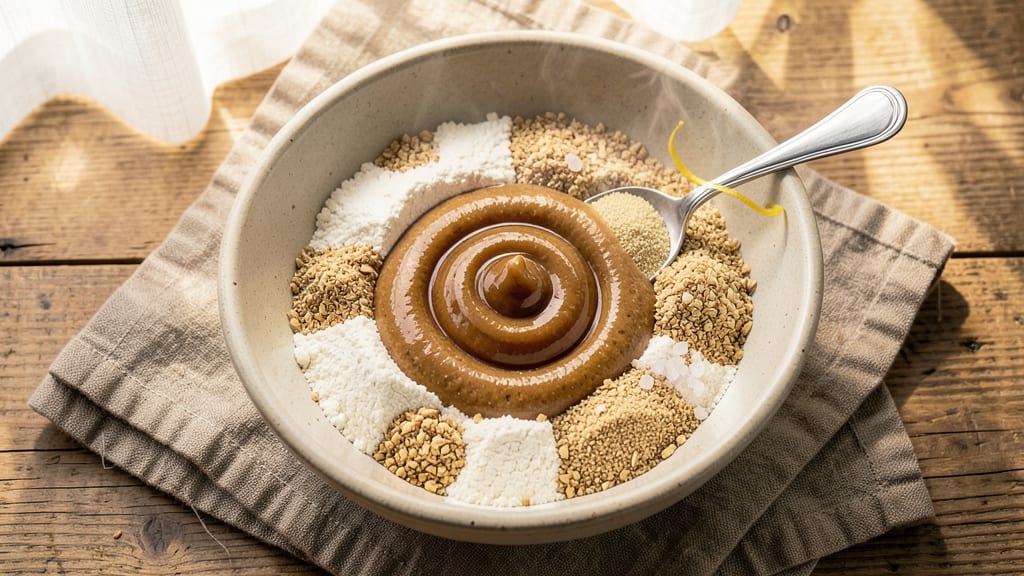
Adding flaxseed meal to bread transforms ordinary loaves into nutrient-dense, moist masterpieces with a subtle nutty richness. The key lies in balancing hydration and kneading techniques to accommodate flaxseed's unique properties—it absorbs moisture differently than traditional flours, creating a lighter crumb while adding fiber and omega-3s. I've perfected this method over years of baking, ensuring every slice stays tender for days without turning gummy.
The magic happens during mixing, where flaxseed meal acts as a natural binder and moisture retainer. Unlike regular bread recipes, you'll need to adjust your water content by about 10% to account for flaxseed's high absorption rate.
This adjustment prevents dense, dry results while maximizing the bread's nutritional benefits. The outcome? A loaf with a perfect crumb structure that stays fresh longer than conventional bread.
What sets this bread apart is its versatility—it works equally well as a sandwich base, toast, or side dish. The flaxseed adds a subtle earthy flavor that pairs beautifully with both sweet and savory toppings.
For best results, use a mix of all-purpose and whole wheat flour to maintain structure while boosting nutrition further. Baking times remain standard, but the internal temperature should reach 205°F for optimal texture.
Store your loaf in an airtight container at room temperature for up to 5 days, or freeze for longer shelf life. For variations, try adding seeds like sunflower or chia, or incorporate spices like cinnamon for a breakfast loaf.
The possibilities are endless while maintaining that signature moist, nutty quality that makes this bread truly special.
Ingredients for adding flaxseed meal to bread
Four servings of nutty, moist bread with just these 11 ingredients—no dairy, no eggs, all nutrition.
| Ingredient | Amount | Notes |
|---|---|---|
| Flaxseed Meal 🌾 | ½ cup | Freshly ground for maximum nutrition |
| All-Purpose Flour 🍞 | 2 ½ cups | White or unbleached preferred |
| Whole Wheat Flour 🌾 | 1 ½ cups | For added nutrition and structure |
| Active Dry Yeast 🍞 | 2 ¼ tsp | Instant yeast works too |
| Granulated Sugar 🍚 | 1 tbsp | Feeds yeast for rise |
| Salt 🧂 | 1 ½ tsp | Diamond Crystal preferred |
| Extra-Virgin Olive Oil 🫒 | ⅓ cup | For moisture and richness |
| Warm Water 💧 | 1 ¼ cups | 110°F for yeast activation |
| Sunflower Seeds 🌻 | ¼ cup | Optional for extra crunch |
| Cinnamon 🌿 | ½ tsp | For subtle sweetness |
| Vegan Butter 🧈 | 2 tbsp | For brushing bread surface |
Flaxseed meal is the star here, but it's a game-changer only when fresh. Bob's Red Mill or Anthony's Goods are my go-tos for pre-ground flaxseed meal—just check the expiration date, as it goes rancid fast. The blend of all-purpose and whole wheat flour keeps the crumb light while adding fiber. If you're short on whole wheat, sub in more all-purpose, but expect a slightly denser loaf. For the yeast, Saf-Instant is foolproof—no proofing required, just mix and go. The olive oil adds moisture without overpowering the flaxseed's nutty flavor, so don't skimp on quality here.
No flaxseed meal? Chia seeds ground into a meal work in a pinch, but the flavor won't be identical. Short on whole wheat flour? Spelt flour or oat flour are great swaps—they hold moisture well like flaxseed. The sunflower seeds are optional but add texture, so grab a small bag at Trader Joe's if you're feeling fancy. For a sweeter loaf, bump the cinnamon to 1 tsp and add 1 tbsp maple syrup to the water. The vegan butter for brushing? Miyoko's or Earth Balance melt beautifully and give that golden finish without dairy.
This bread keeps for 5 days in an airtight container at room temperature, but trust me—it won't last that long. For longer storage, slice and freeze the loaf for up to 3 months. Toasting revives any staleness, so don't toss it. The flaxseed meal makes this bread especially prone to drying out, so if you're not baking the whole loaf at once, wrap portions in parchment paper. Leftovers? Toss them into a vegan French toast or bread pudding—they're even better the next day.
Why You'll Love This Recipe
- No-Fuss Mix-In: Mixing in that flaxseed meal couldn’t be simpler—just stir it into the flour and yeast right with the wet ingredients. No pre-soaking, no weird ratios, just a smooth swap that works every time.
- Nutty Earthy Crunch: That flaxseed meal adds a subtle, toasty depth that makes regular bread feel like a gourmet upgrade. Honestly, it’s the kind of flavor that sneaks up on you—first bite, you’ll wonder why you didn’t do this sooner.
- Meal Prep MVP: Bakes up perfectly for sandwiches, toast, or even French toast—no one will guess it’s "healthified." I make a whole loaf on Sundays and it lasts me until Thursday, no wilting in sight.
- Budget Booster: Whole wheat flour + flaxseed meal cuts costs without sacrificing texture, and the yeast keeps it light. Between us, this is how I stretch my grocery budget without feeling like I’m eating cardboard.
Step-by-step instructions for adding flaxseed meal to bread
Here's how to transform your bread into a nutty, moist loaf with perfect texture every time.
Combine Wet Ingredients for Optimal Flavor
In a large mixing bowl, whisk together the 0.5 cup flaxseed meal with the 1.25 cups warm water (around 110°F). Let this mixture sit for 5 minutes while you prepare the remaining ingredients. This creates a gel-like consistency that binds moisture into the bread, preventing dryness. The flaxseed meal will thicken slightly as it absorbs the water—this is normal and essential for achieving that dense, moist crumb structure we're after.
Next, add the 0.33 cup extra-virgin olive oil and 1 tbsp granulated sugar to the flaxseed mixture. Stir well to fully incorporate. The olive oil adds richness while the sugar provides subtle sweetness and helps activate the yeast. If you notice any dry flaxseed particles clinging to the sides of the bowl, simply add a splash of warm water to break them up—this ensures even distribution throughout the dough.
Mix Dry Ingredients and Create the Dough
In a separate bowl, combine the 2.5 cups all-purpose flour, 1.5 cups whole wheat flour, 2.25 tsp active dry yeast, 1.5 tsp salt, 0.5 tsp cinnamon, and 0.25 cup sunflower seeds. Use a whisk to break up any lumps in the flour mixture, especially around the yeast. The whole wheat flour adds structure while the sunflower seeds provide texture contrast. I like to press the seeds between my fingers first to lightly crush about half of them—this releases their oils and enhances their flavor in the finished bread.
Make a well in the center of the dry ingredients and pour in the flaxseed mixture. Using a wooden spoon or dough whisk, gradually incorporate the wet ingredients into the dry until a shaggy dough forms. Avoid overmixing at this stage—you want to preserve the gluten development we'll control in the next step. The dough should be sticky but manageable, with no dry pockets remaining in the bowl.
Knead the Dough for Perfect Texture
Transfer the dough to a lightly floured surface and knead for 8-10 minutes by hand. I prefer this method because it gives me better control over the dough's texture—you'll know it's ready when it becomes smooth, elastic, and springs back slightly when pressed. The flaxseed meal makes this dough slightly denser than traditional bread, so don't be surprised if it feels heavier in your hands. Add small amounts of flour only if absolutely necessary, as we want to maintain the bread's moisture.
Here's the thing—this dough shouldn't be overly sticky. If it is, we've added too much water. The flaxseed meal already contributes moisture through its gel-forming properties, so we need to be precise. Shape the dough into a round loaf and place it in a lightly greased bowl. Cover with a damp towel and let it rise in a warm place for 1-1.5 hours, or until doubled in size. The flaxseed will give your bread a slightly nutty aroma during this time—trust me, it's worth it.
Shape and Prove for Maximum Rise
Once the dough has risen, punch it down gently to release air bubbles. Divide the dough into 4 equal portions (about 1 cup each) and shape each into a round boule. Place them on a parchment-lined baking sheet, spacing them about 2 inches apart. Cover loosely with a towel and let them rise again for 30-45 minutes. You'll see them puff up noticeably—this second rise develops the bread's airy texture while the flaxseed maintains that moist crumb.
Preheat your oven to 375°F while the dough proves. Just before baking, brush the tops of each boule generously with the 2 tbsp vegan butter, reserving about 1 teaspoon for later. Sprinkle lightly with additional sunflower seeds if desired. The butter creates that beautiful golden crust while adding richness that complements the flaxseed's earthiness. Bake for 25-30 minutes until the bread sounds hollow when tapped on the bottom and registers 190°F internally.
Cool and Enjoy Your Nutty, Moist Bread
Remove the bread from the oven and transfer to a wire rack. Let them cool for at least 15 minutes before slicing—this resting period allows the internal structure to set properly. The flaxseed meal will give your bread a slightly denser crumb with visible flecks throughout, and that nutty flavor will shine through with every bite. For extra flavor, brush the warm bread with the reserved melted butter after cooling.
This bread keeps well for 3-4 days at room temperature or can be frozen for up to 3 months. The flaxseed meal not only adds nutrition but also extends the bread's shelf life compared to traditional recipes. Each slice should be moist, flavorful, and perfect for sandwiches, toast, or enjoying with soups—exactly what we promised in the introduction.
Pro Tips For Making Adding Flaxseed Meal To Bread
- Mix Flaxseed Last: Flaxseed meal absorbs moisture like a sponge—if you add it too early, your dough will turn into a sticky mess. Toss it in right before kneading or mixing, then stir it in just until combined. You’re not making a smoothie here; a few lumps won’t ruin the bread, but a gummy dough will.
- Weigh Your Flours: Whole wheat and all-purpose flour behave completely differently by volume. I used to eyeball it and ended up with dense, dry loaves. Invest in a kitchen scale—measure the whole wheat first, then the all-purpose, and keep the flaxseed at 10% of the total flour weight. Precision here means lighter, airier bread.
- Skip the Overproofing: Flaxseed adds moisture, which speeds up fermentation. If you let the dough rise past the "double in size" mark, it’ll collapse in the oven or taste overly sour. Test for doneness by poking the dough—if it springs back slowly (not instantly), it’s ready. No guessing.
- Use Warm Water for Yeast: Cold water kills yeast faster than a bad date. Mix your yeast with warm water (105–110°F) and let it foam for 5–10 minutes before adding other liquids. If it’s sluggish, your bread will be too. A quick thermometer check saves you from waiting hours for a flat loaf.
Flavor customization for this dish
Sweet Variations
Transform your flaxseed bread into a breakfast loaf by adding 1 tsp cinnamon and 1 tbsp maple syrup to the wet ingredients. The flaxseed's earthiness pairs beautifully with sweet flavors—try toasting slices and spreading with almond butter or peanut butter for a protein-packed morning treat.
For extra richness, fold in ¼ cup chopped walnuts or pecans during the kneading stage. 🌾
Savory Twists
For a heartier loaf, swap the cinnamon for 1 tsp dried rosemary and ½ tsp garlic powder. Add ¼ cup chopped sun-dried tomatoes or kalamata olives to the dough for Mediterranean flair. The flaxseed's nutty depth enhances savory flavors perfectly—perfect for pairing with hummus or vegan pesto.
For a cheesy version (if not strictly vegan), fold in ¼ cup nutritional yeast for a Parmesan-like taste.
Seed Blends
Boost texture and nutrition by mixing flaxseed meal with other seeds. Try ¼ cup chia seeds or pumpkin seeds for added crunch. For a tropical twist, combine ¼ cup shredded coconut with the flaxseed meal in the wet ingredients.
The seeds absorb moisture differently, so reduce water by 1-2 tablespoons to maintain the right dough consistency. Store-bought seed mixes from Trader Joe's or Bob's Red Mill work well—just check for added sugars.
Herb Infusions
Fresh herbs elevate this bread to restaurant-quality. Fold in 2 tbsp finely chopped fresh dill, parsley, or thyme during the final kneading stage. The flaxseed's earthiness balances the bright, herbal notes beautifully.
For a garlic-herb version, mix 1 tbsp minced garlic with the olive oil before combining with the flaxseed meal. These additions work especially well with vegan soups or as a side for grilled vegetables.
Spiced Adaptations
Warm spices like cardamom, nutmeg, or ginger complement flaxseed's nutty profile. Add ½ tsp ground ginger and ¼ tsp nutmeg to the dry ingredients for a bread that tastes like it belongs in a cozy café.
For a smoky version, include ½ tsp smoked paprika with the cinnamon. These spiced loaves pair wonderfully with vegan chai tea or as a base for savory jam sandwiches.
Nutrition facts
Frequently asked questions
What's the best ratio of flaxseed meal to flour in bread?
Start with ½ cup flaxseed meal per 4 cups total flour for optimal texture. This ratio adds moisture and nutrition without making the bread too dense. For every ½ cup flaxseed meal, reduce water by 1-2 tablespoons since flax absorbs liquid differently than flour. Too much flaxseed can create a gummy texture, while too little won't provide the signature nutty flavor.
Can I substitute ground flaxseeds for flaxseed meal?
Yes, but grind fresh flaxseeds into a fine meal using a coffee grinder or food processor. Whole seeds won't dissolve properly and will create uneven texture in your bread. For ½ cup meal, grind ½ cup plus 1 tablespoon whole flaxseeds (accounting for seed loss during grinding). Freshly ground flaxseeds have better flavor and nutrition than pre-ground meal that's been sitting for months.
Why does my flaxseed bread turn out dense instead of light?
Overmixing the dough or using too much flaxseed meal are common culprits. The flaxseed creates a gel that needs gentle handling—knead just until smooth (8-10 minutes) and avoid adding extra flour. Also ensure your yeast is fresh and the water is 110°F (not boiling). For lighter texture, try reducing whole wheat flour by ¼ cup or adding ½ tsp baking soda to the dry ingredients.
How long should I let flaxseed bread rise?
Allow 1-1.5 hours for the first rise and 30-45 minutes for shaping/proofing. Flaxseed dough rises slower than regular bread due to its moisture content. Use a warm spot (like near your oven with light on) and check dough elasticity—it should spring back slowly when pressed. Overproofing causes collapse, while underproofing leads to dense bread. The flaxseed's nutty aroma becomes more pronounced during rising.
Can I make this bread without yeast?
Yes! Replace yeast with 1 tsp baking soda + 1 tsp apple cider vinegar in the wet ingredients. The flaxseed meal works beautifully with quick bread methods—just mix all ingredients, pour into a greased loaf pan, and bake at 350°F for 40-45 minutes. The texture will be denser but still moist. For extra rise, add 1 cup buttermilk (or plant-based milk + vinegar) to the wet ingredients before mixing.