
Side Dishes
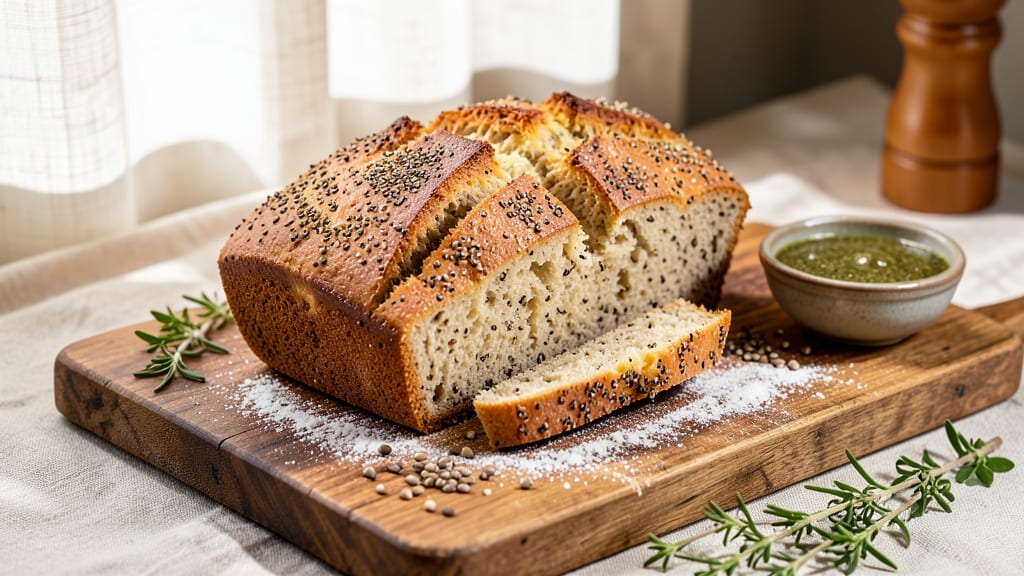
Adding flaxseed to your bread recipe transforms ordinary loaves into dense, moist, and nutritious masterpieces—without compromising texture or flavor. 🌟 The secret lies in flaxseed’s natural binding properties, which improve structure while adding a subtle nutty depth that elevates everything from sourdough to whole wheat. This isn’t just a health upgrade; it’s a game-changer for bakers who want restaurant-quality results at home.
The magic happens when ground flaxseed replaces a portion of flour or eggs, creating a bread that’s both hearty and tender. Omega-3s from flaxseed boost nutrition, while its high fiber content keeps slices moist for days.
For best results, mix the flaxseed with water first to form a gel-like binder—this ensures even distribution and prevents dryness. The result? A loaf with a crisp crust, a chewy interior, and a satisfying density that holds up to toast or sandwiches.
What sets this recipe apart is its versatility—whether you’re baking a classic white loaf, whole wheat, or gluten-free, flaxseed adapts seamlessly. The nutty flavor pairs beautifully with herbs like rosemary or thyme, while a sprinkle of seeds on top adds texture and visual appeal.
Perfect for breakfast, lunch, or as a side, this bread proves healthy ingredients can taste indulgent.
Ready to bake? We’ll walk you through every step—from mixing the flaxseed binder to proofing and baking—so you end up with a loaf that’s both nourishing and irresistible. Let’s get started.
Ingredients for adding flaxseed to bread
Nine simple ingredients transform your bread into a nutty, moist masterpiece—no eggs needed.
| Ingredient | Amount | Notes |
|---|---|---|
| Ground Flaxseed 🌾 | ½ cup | Brown or golden, freshly ground |
| Water 💧 | ¾ cup | Room temperature preferred |
| All-Purpose Flour 🌾 | 3 ½ cups | White or whole wheat blend |
| Active Dry Yeast 🍞 | 2 ¼ tsp | Or 1 packet instant yeast |
| Granulated Sugar 🍯 | 1 tbsp | Or maple syrup for vegan option |
| Salt 🧂 | 1 ½ tsp | Diamond Crystal kosher salt |
| Olive Oil 🫒 | ¼ cup | Extra-virgin for richness |
| Warm Water 💧 | 1 ¼ cups | 110°F for yeast activation |
| Sunflower Seeds 🌻 | ¼ cup | For topping, optional |
| Fresh Rosemary 🌿 | 1 tbsp | Chopped, for flavor boost |
| Sesame Seeds 🌾 | 1 tbsp | For decorative topping |
The flaxseed is where the magic happens. Bob's Red Mill or Trader Joe's have the best ground flaxseed, but any brown or golden variety works—just make sure it's freshly ground (pre-ground loses potency fast). The key is mixing it with water first to create that gel-like binder. I always double-check the expiration date on flaxseed since it goes rancid quickly. For the yeast, FreshPacs are a game-changer—they're foolproof and last longer than granules. The olive oil should be extra-virgin, not the cheap stuff. California Olive Ranch is my go-to for consistency.
No ground flaxseed? Whole flaxseeds in a coffee grinder work perfectly—just pulse until fine. Short on sunflower seeds? Pumpkin seeds or extra sesame seeds give the same crunch. Want more flavor? Swap rosemary for thyme or oregano. The warm water for yeast activation should be between 105-110°F—too hot and you kill the yeast, too cold and it won't activate. I keep a thermometer handy for this. For a sweeter loaf, replace half the sugar with maple syrup. The seeds on top are optional but add that restaurant-bakery touch—sprinkle them right before baking so they get crispy.
This dough keeps beautifully. Once mixed, it'll stay in the fridge for up to 24 hours if covered tightly. For longer storage, freeze the dough balls—they'll keep for 3 months. I usually bake two loaves at once and freeze one immediately. The flaxseed bread reheats well—wrap slices in foil and warm in a 350°F oven for 5 minutes. For extra crispiness, broil for 2 minutes at the end. The nutty flavor actually intensifies the next day, so leftovers taste even better. Store in a bread bag or wrapped in a towel to maintain moisture.
Why You'll Love This Recipe
- No-Fuss Mix-In: I swear by this trick—just stir ground flaxseed into the dough with the water, and boom, you’ve got a bread that’s actually nutritious without extra steps. No fancy hydration ratios or waiting for eggs to set; it’s as simple as tossing in a spoonful of flax while you measure flour.
- Nutty Depth: That earthy flaxseed? It’s the secret weapon here. The bread has this subtle, toasty warmth that makes plain loaves feel fancy—like you’ve snuck in a little something special without trying. Honestly, my picky-eater husband didn’t even notice the flax until I told him.
- Weeknight Workhorse: This dough is my go-to for everything: toast in the morning, sandwiches for lunch, or even croutons for salads. Between us, I’ve used the leftovers for three different meals before they’re gone, and the flaxseed keeps it from drying out too fast. (Yes, even on a Tuesday night.)
- Pocketbook Perk: Ground flaxseed is cheaper than fancy seeds or nuts, and it stretches the dough just enough that a single batch feeds my family of four for days. Plus, the yeast and sugar combo means it rises reliably—no sad, dense loaves here. My budget and my taste buds win.
Step-by-step instructions for adding flaxseed to bread
Here's how to transform your bread into a nutty, moist masterpiece—every step ensures perfect texture.
👨🍳 Step 1: Create the Flaxseed "Egg" Substitute
In a small bowl, whisk together the 0.5 cup ground flaxseed and 0.75 cup water. Let it sit for 10 minutes—you'll see it thicken into a gel-like consistency, just like an egg. This is the secret to keeping your bread wonderfully moist. If you're using freshly ground flaxseed, it'll work even better because the oils are still active.
Here's the thing—don't skip the waiting time. The flaxseed needs this time to fully absorb the water and release its binding properties. If you rush it, your bread might end up dense instead of light and airy. I like to give it an extra 5 minutes if I'm making bread for guests—just to be sure.
👨🍳 Step 2: Activate the Yeast with Warm Water
In a separate bowl, combine the 1.25 cups warm water (around 110°F—it should feel like bathwater) with the 2.25 tsp active dry yeast and 1 tbsp granulated sugar. Let it sit for 5-10 minutes until it becomes frothy. This tells you the yeast is alive and ready to work its magic.
If nothing happens after 10 minutes, your yeast might be dead. I've learned this the hard way—always check the expiration date first! Once it's bubbly, add the 1.5 tsp salt and 0.25 cup olive oil to the yeast mixture. The olive oil adds richness and helps create that moist crumb we're after.
🥘 Step 3: Mix the Wet and Dry Ingredients
In a large bowl, combine the flaxseed gel with the yeast mixture. Then gradually add the 3.5 cups all-purpose flour, mixing just until combined. You'll want to use a wooden spoon or your hands—this isn't a time for an electric mixer. Overmixing develops gluten, which can make your bread tough.
Here's where the flaxseed really shines. The gel binds everything together while adding that wonderful nutty flavor. If the dough feels too sticky, add a splash more flour—just 1 tablespoon at a time—until it comes together into a soft, slightly tacky ball. It should hold its shape when pressed but still be pliable.
🍳 Step 4: Knead and Rest for Maximum Flavor
Turn the dough onto a lightly floured surface and knead gently for 5-7 minutes until smooth. You're not looking for a windowpane test here—just enough to develop some structure. The flaxseed makes the dough behave differently, so don't worry if it doesn't look like traditional bread dough.
Place the dough in a lightly oiled bowl, cover with a damp towel, and let it rise in a warm place for 1-2 hours, or until it's doubled in size. The flaxseed adds moisture, so your dough might rise more slowly than usual. That's normal—just be patient. While it rises, chop the 1 tbsp fresh rosemary finely for that aromatic boost.
⏰ Step 5: Shape, Proof, and Bake to Golden Perfection
Punch down the risen dough and shape it into a loaf. Place it in a greased 9x5-inch loaf pan and let it proof for another 30-45 minutes until it rises about an inch above the pan. Sprinkle the top with 0.25 cup sunflower seeds and 1 tbsp sesame seeds for texture and nutrition.
Preheat your oven to 375°F. Bake the bread for 35-40 minutes until it's golden brown and sounds hollow when tapped on the bottom. The flaxseed helps create that dense, moist crumb, so don't be surprised if it feels heavier than traditional bread—but that's what makes it so satisfying.
Pro Tips For Making Adding Flaxseed To Bread
- Mix Flax First: Mix the ground flaxseed with water first—no waiting. Let it sit for 5 minutes to thicken into a gel-like consistency before adding it to the dough. This keeps your bread from turning gummy later, and trust me, you’ll notice the difference in texture.
- Use Warm Water: The yeast needs warmth to activate, but the flaxseed mix doesn’t. Split the water: use warm (110°F) for the yeast, cold for the flaxseed. Cold water slows yeast growth, so add it last—this gives you control over rising time without overproofing.
- Don’t Overmix: Flaxseed adds density, so resist the urge to knead like you’re making bagels. Mix just until the dough comes together—overworking it makes bread tough. A few minutes by hand or 3-4 pulses in a mixer is plenty.
- Add Sugar Sparingly: Granulated sugar feeds the yeast, but flaxseed bread already has natural sweetness. Stick to 1-2 tablespoons unless you’re baking something like cinnamon rolls. Too much sugar can make the bread dense or gummy, and you’ll regret the extra effort.
Dietary considerations for this dish
Vegan Binding Power
The flaxseed binder replaces eggs perfectly, creating a bread that’s just as tender and moist. The 0.5 cup ground flaxseed mixed with 0.75 cup water forms a gel that mimics egg proteins, holding the dough together while adding 3 grams of plant-based omega-3s per tablespoon.
This makes it ideal for vegan baking—no compromises on texture or nutrition. 🌱
Gluten-Free Adaptations
For gluten-free versions, replace 1 cup of all-purpose flour with a 1:1 gluten-free flour blend like Bob’s Red Mill. Add 1 extra tablespoon of ground flaxseed to compensate for reduced gluten structure.
I’ve found King Arthur Measure for Measure works best—just let the dough rest 10 minutes longer before shaping to help bind.
Allergen-Friendly Swaps
Nut allergies? Swap sunflower seeds for pumpkin seeds or omit entirely. For sesame-free options, use toasted coconut flakes instead. The flaxseed itself is nut-free, but always check labels—Bob’s Red Mill and Trader Joe’s brands are certified nut-free facilities.
The rosemary can be replaced with dried oregano if fresh herbs aren’t available.
High-Protein Boost
Want extra protein? Add 0.5 cup vital wheat gluten to the flour for a 10-gram protein boost per slice. The flaxseed already contributes 5 grams of protein per serving, making this bread a complete protein when paired with beans or lentils.
I often add 1 tablespoon nutritional yeast for a cheesy flavor and extra B vitamins.
Storage Secrets
This bread stays fresh 5-7 days at room temperature when wrapped in a beeswax wrap or stored in an airtight container. For longer shelf life, freeze the baked loaf for up to 3 months.
Thaw overnight at room temperature—microwaving can dry out the flaxseed’s moisture benefits. The nutty flavor actually deepens after 24 hours, making it perfect for meal prep. ✨
Nutrition facts
Frequently asked questions
Why does my flaxseed bread turn out dense instead of light?
Flaxseed adds moisture and binds differently than eggs, so overmixing or skipping the 10-minute gel time creates dense bread. Use a wooden spoon for mixing, knead gently, and let the dough rise until doubled—patience is key! The flaxseed gel needs time to fully activate.
Can I substitute chia seeds for flaxseed in bread?
Yes, but use a 1:1 ratio and increase water by 1 tablespoon—chia seeds absorb more. Chia gel takes 15 minutes to set, so plan ahead. The flavor will be slightly milder, but the texture remains excellent for vegan baking.
How much flaxseed should I add for extra nutrition?
Start with 0.25 cup ground flaxseed for subtle nutty flavor, or double to 0.5 cup for maximum omega-3s and fiber. Beyond 0.75 cup, the dough may become too sticky—adjust with 1 tbsp extra flour if needed.
Does flaxseed bread taste different from regular bread?
You'll notice a mild, nutty depth that pairs beautifully with herbs like rosemary or thyme. The flavor is subtle enough to please picky eaters but adds complexity to sandwiches or toast. For a sweeter loaf, add 1 tbsp maple syrup to the dough.
Can I make this bread without yeast?
Yes! Replace yeast with 1 tbsp baking soda and 1 tbsp vinegar for a quick bread version. The flaxseed binder still works, but the texture will be denser. For best results, bake immediately at 350°F for 30-35 minutes—no rising needed!