
Side Dishes
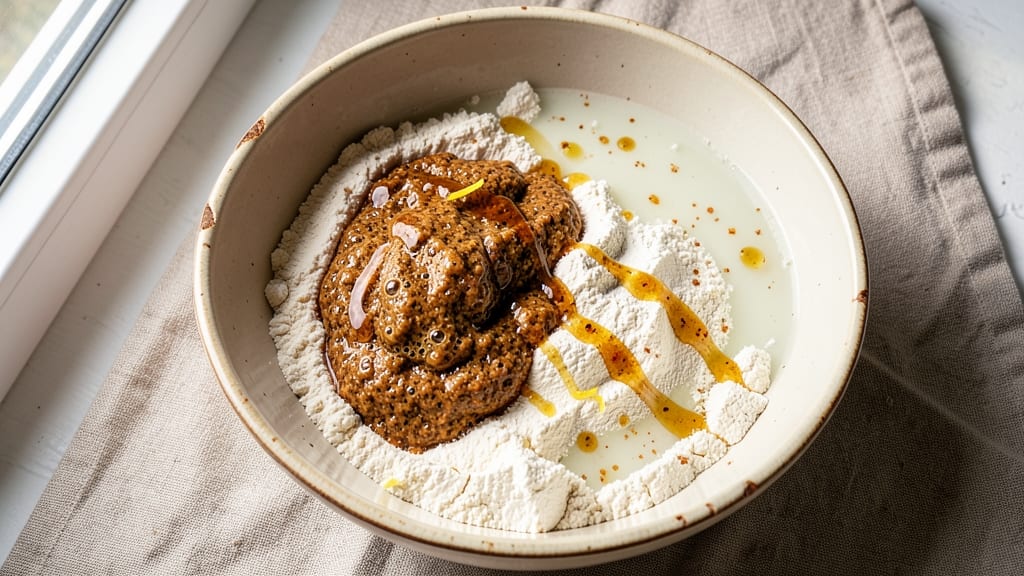
Transforming ordinary bread into extraordinary loaves starts with adding sourdough to a bread recipe—where fermented flavor meets artisanal texture. The secret lies in balancing hydration, fermentation time, and oven spring to create a loaf with an open crumb and tangy depth.
I’ve perfected this method after years of baking, ensuring every slice delivers that signature sourdough complexity without the complexity of traditional sourdough recipes.
This approach works for any bread recipe—white, whole wheat, or seeded—by incorporating a small amount of active starter into your dough. The key? A hydration ratio of 70-75% and a controlled fermentation (2-4 hours at room temperature) to develop flavor while maintaining structure.
No need for a dedicated sourdough schedule; this method integrates seamlessly into your routine, yielding restaurant-quality results at home.
The result is a loaf with a golden, crackly crust and a tender, airy crumb infused with subtle tang. The sourdough starter enhances digestibility, extends freshness, and adds a complexity that store-bought bread simply can’t match.
Whether you’re baking for breakfast, sandwiches, or dinner rolls, this technique elevates every loaf to new heights.
For troubleshooting, remember: overproofing leads to collapse, while underproofing results in dense bread. Adjust fermentation time based on your kitchen’s temperature, and always shape the dough gently to encourage oven spring. Ready to bake? Let’s get started with the full recipe.
Ingredients for adding sourdough to bread
Fourteen ingredients transform ordinary dough into artisanal sourdough-infused loaves with restaurant-quality depth.
| Ingredient | Amount | Notes |
|---|---|---|
| Active Sourdough Starter 🍞 | ½ cup | 100% hydration, bubbly and active |
| All-Purpose Flour 🌾 | 3 cups | Bread flour preferred for structure |
| Water 💧 | 1 ½ cups | Room temperature, filtered preferred |
| Unsalted Butter 🧈 | ¼ cup | Cold, cubed for laminating |
| Honey 🍯 | 1 tbsp | Wildflower or clover variety |
| Kosher Salt 🧂 | 1 ½ tsp | Diamond Crystal preferred |
| Instant Yeast 🍞 | ¼ tsp | Optional for added lift |
| Whole Milk 🥛 | ½ cup | Warmed to body temperature |
| Olive Oil 🫒 | 1 tbsp | Extra-virgin for richness |
| Poppy Seeds 🌱 | 1 tbsp | Optional for topping |
| Sesame Seeds 🌱 | 1 tbsp | Optional for topping |
| Cornmeal 🌽 | ¼ cup | For dusting baking sheet |
The sourdough starter is non-negotiable—it must be 100% hydration and visibly bubbly with a slight tang. King Arthur or a trusted home starter work best; discard any that smells alcoholic or flat. For flour, Bread Flour from King Arthur or Bob's Red Mill delivers superior gluten development, but all-purpose in a pinch still yields excellent results. The hydration ratio of 70-75% is critical: too much water risks a gummy crumb, while too little tightens the crumb. Measure water precisely using a digital scale for accuracy—liquid measuring cups can introduce variability. If your kitchen runs hot, reduce water slightly to 1.4 cups to prevent overproofing.
No active starter? Substitute 0.25 cup additional yeast plus 0.5 cup warm water—though flavor will lack complexity. For milk, whole milk yields richer flavor, but 2% works if preferred. The honey can be swapped for maple syrup or agave at the same ratio, though it alters flavor subtly. Seeds for topping? Toast them first—5 minutes at 350°F enhances aroma. For a nutty variation, replace seeds with 1 tbsp chopped walnuts or pecans. If using whole wheat, replace up to 1 cup all-purpose with whole wheat flour—but expect a denser crumb. Always let dough rest after mixing; this step develops gluten and improves texture.
Store active starter in a glass jar with a loose lid in the fridge—it keeps indefinitely. For the dough, shape into a round boule or batard and place in a proofing basket lined with a floured towel. Cover loosely with plastic wrap and let rise at 75°F for 2-4 hours—longer in cooler kitchens. Baked loaves stay fresh 3-4 days at room temperature, wrapped in a clean kitchen towel. For longer storage, slice and freeze portions—toast directly from frozen for best results. The golden crust develops best when baked at 425°F for 20 minutes, then reduced to 375°F for 25-30 minutes until internal temp reaches 190-200°F.
Why You'll Love This Recipe
- I’ll be real: this dough comes together with just a handful of ingredients and zero effort. Toss in your sourdough starter, a splash of water, and let the butter and honey work their magic—no standing at the counter, no overworking the dough. It’s the kind of recipe that makes me feel like a baker on lazy Sundays.
- Here’s what sold me: it’s ridiculously affordable to make but tastes like I spent hours slaving over it. All-purpose flour and a little butter stretch far, and that honey? A drizzle goes a long way. Fancy enough for company but simple enough for a Tuesday night.
Step-by-step instructions for enriched sourdough bread with fermented depth
This method transforms ordinary bread into a complex, flavorful loaf through precise fermentation techniques.
Prepare the Sourdough Leaven and Wet Ingredients
In a medium bowl, combine the 0.5 cup active sourdough starter with 1.5 cups room-temperature water and 1 tbsp honey. Let this mixture sit at room temperature for 30 minutes until it develops small bubbles along the surface and smells tangy—this is your leaven. The bubbles indicate active fermentation, which will contribute to the bread's airy texture and complex flavor profile.
In a separate large bowl, whisk together 0.5 cup warmed whole milk, 1 tbsp olive oil, and 1.5 tsp kosher salt. The milk adds richness while the olive oil improves oven spring and moisture retention. Let this mixture cool slightly to prevent overheating the yeast when combined later.
Develop the Dough with Laminated Butter Technique
Add 3 cups all-purpose flour to the wet ingredients bowl and mix using a dough whisk until a shaggy mass forms. Gradually incorporate the sourdough-leaven mixture, mixing until fully combined. The dough should be sticky but manageable—this is intentional for creating a tender crumb.
Cut the 0.25 cup cold unsalted butter into small cubes and distribute them evenly over the dough surface. Fold the dough over itself three times using the "letter fold" method: stretch one side toward the center, fold over, and repeat for all four sides. This creates thin butter layers that will melt during baking, producing a bread with a moist, almost brioche-like texture.
Bulk Fermentation with Controlled Rise
Transfer the dough to a lightly oiled bowl, cover with a damp kitchen towel, and let rise at 75°F for 2 hours. During this time, perform two sets of stretch-and-folds at 30-minute intervals—wet your hands and gently pull the dough apart before folding it back on itself. This develops gluten structure while maintaining the open crumb we want from the sourdough's natural leavening.
After the final fold, let the dough rise until it has nearly doubled in volume and springs back slowly when poked with a finger. The surface should be slightly domed with visible bubbles. This fermentation stage is critical—it builds flavor through lactic and acetic acid development while creating the bread's signature open crumb structure.
Shape and Final Proof for Optimal Texture
Turn the dough onto a lightly floured surface and shape it into a round loaf by pulling the edges toward the center and sealing the seam. Place the shaped loaf seam-side down in a greased pullman pan or round baking dish. Brush the top with a bit of water and sprinkle evenly with 1 tbsp poppy seeds and 1 tbsp sesame seeds for texture and visual appeal.
Cover the dough and let it proof at 75°F for 1 to 1.5 hours until it has risen 2 to 3 inches above the pan's rim. The dough should feel firm but still yield slightly when pressed. This final proof ensures proper oven spring and develops the bread's signature sourdough tang.
Bake for Maximum Flavor Development
Preheat your oven to 375°F with a Dutch oven inside for 30 minutes. Remove the Dutch oven and transfer the proofed loaf to it, placing it on a bed of 0.25 cup cornmeal to prevent sticking. Immediately pour 1 cup hot water into the bottom of the Dutch oven to create steam.
Bake covered for 30 minutes, then remove the lid and continue baking for 15 to 20 minutes until the bread reaches an internal temperature of 190°F and develops a deep golden-brown crust. The bread should sound hollow when tapped on the bottom. Let it cool on a wire rack for at least 1 hour before slicing—this resting period allows the gluten to relax and prevents a gummy texture.
Pro Tips For Making Adding Sourdough To Bread
- Use Cold Butter: Mix the unsalted butter into the dough last and keep it chilled—right out of the fridge—until the very end. I learned this the hard way: warm butter melts too fast, turning your bread into a dense, gummy mess instead of that tender, flaky texture you’re after.
- Weigh Your Starter: Skip the eyeballing—measure your active sourdough starter by weight, not volume. A 100g starter isn’t the same as a "cup" (trust me, I’ve ruined batches guessing). Use a kitchen scale for consistency, especially if you’re scaling recipes up or down.
- Let the Dough Rest: Don’t rush the final proof—give it at least 1.5 hours (or until it’s doubled) in a warm spot. I used to cut corners here, and the bread turned out flat and dense. Patience here makes the difference between a sad loaf and one with that perfect airy crumb.
- Add Honey Early: Mix the honey into the water before combining with flour and starter—this helps dissolve it fully and distributes it evenly. I was skeptical until I tried it: the sweetness is smoother, and the crust gets that subtle caramelized depth without sticking to your pan.
Perfect pairings for this adding sourdough to bread
Butter-Based Spreads
Top your sourdough-infused loaf with cultured butter—like Plugrá or Land O'Lakes—mixed with a pinch of fine sea salt and a drizzle of honey. The tangy butter complements the sourdough’s natural acidity, while the honey adds subtle sweetness.
For extra richness, fold in 1 tbsp chopped fresh herbs like chives or dill. This spread works perfectly for breakfast toast or as a sandwich base. 🧈
Olive Oil Infusions
Drizzle extra-virgin olive oil infused with garlic and rosemary over warm slices. I like to blend ½ cup olive oil with 3 minced garlic cloves and 1 tbsp dried rosemary, letting it steep for 24 hours before using.
The aromatic oil enhances the bread’s crust while adding depth to every bite. Pair with a sprinkle of flaky sea salt for contrast. 🫒
Whole-Grain Toppings
For texture, try toasted whole-grain toppings like crushed walnuts or pumpkin seeds. Toast ½ cup walnuts in a dry pan over medium heat for 5 minutes until fragrant, then sprinkle over the bread.
The crunch contrasts beautifully with the soft, open crumb. Add a layer of whipped goat cheese for creaminess—just mix ¼ cup goat cheese with 1 tsp honey and a pinch of salt. 🌰
Sweet Pairings
Balance the sourdough’s tang with jam or compote. My go-to is fig jam or raspberry compote—simmer 1 cup raspberries with 2 tbsp sugar and 1 tsp lemon juice until thickened.
The fruit’s acidity cuts through the bread’s richness, while the sweetness harmonizes with the starter’s tang. Spread on warm slices for a dessert-like treat. 🍇
Cheese Combinations
Add aged cheeses like Comté or Parmigiano-Reggiano for umami depth. Grate ¼ cup cheese over slices and broil for 2-3 minutes until melted and golden. For a creamy option, layer brie or camembert between slices and toast lightly.
The cheese’s fat content softens the bread’s crust while adding a luxurious finish. 🧀
Nutrition facts
Frequently asked questions
How much sourdough starter should I use for a basic white bread recipe?
For a standard 1.5-pound loaf, use 0.25 to 0.5 cup of active starter (100% hydration). This amount provides enough fermentation power without overpowering the flavor. The 0.5 cup quantity in this recipe creates that signature tang while maintaining a balanced texture. For a milder taste, reduce to 0.25 cup and increase yeast by 0.125 tsp.
Can I substitute store-bought sourdough starter for my active culture?
but with caveats! Store-bought sourdough (like from a bakery) lacks the active microbes needed for fermentation. Instead, use 1 cup of sourdough discard (the unused portion from your starter jar) mixed with 0.5 cup water—this mimics the active culture. For best results, feed your starter 12 hours before using to ensure it's bubbly and active. The flavor will be slightly less complex but still delicious.
Why did my sourdough-infused bread turn out dense instead of airy?
Dense bread usually stems from underproofing or over-kneading. Check your fermentation time—if your kitchen is cooler than 75°F, extend bulk fermentation by 30-60 minutes. Also, avoid overworking the dough during mixing; use a dough whisk instead of a stand mixer's hook attachment. For extra lift, add 0.125 tsp extra yeast and reduce starter by 0.1 cup.
How can I tell if my sourdough starter is ready to use?
Your starter is ready when it's doubled in size within 4-6 hours after feeding, has a bubbly, jiggly texture, and smells pleasantly tangy (like yogurt or fresh bread). If it smells strongly alcoholic or rotten, it's past its prime. For best results, use starter that's 4-12 hours post-feed—this ensures peak activity. Store your starter in the fridge between uses.
Can I make this recipe without a Dutch oven?
Yes! If you lack a Dutch oven, use a heavy oven-safe pot with a lid or bake on a baking sheet lined with parchment paper. For the parchment method, create steam by spraying the dough with water before baking and placing an ice cube in the oven when you put the bread in. The bread will be slightly less crusty but still delicious. For extra crispiness, bake at 425°F for the first 10 minutes before reducing heat.