
Side Dishes
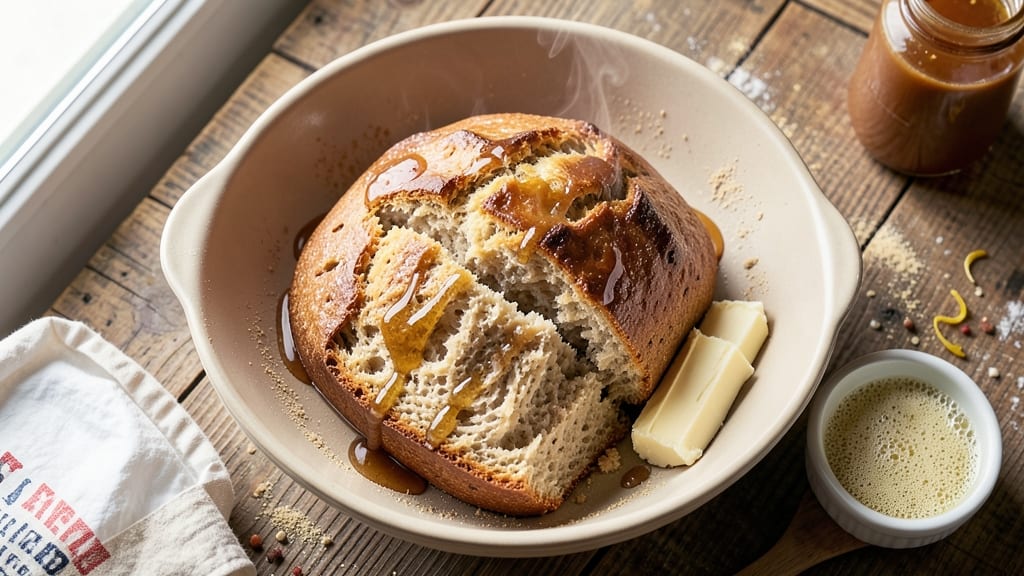
Adelle Davis' classic bread recipe brings wholesome nutrition and timeless flavor to your kitchen table. This authentic whole-grain loaf reflects her belief in nourishing, natural ingredients that elevate everyday meals.
The secret lies in combining whole wheat flour with just enough white flour for structure, creating a bread that's both hearty and tender.
What sets this recipe apart is its foolproof technique for achieving perfect rise and even baking. Adelle Davis' approach emphasizes proper kneading, patient proofing, and precise oven temperature to deliver that signature crusty exterior with a soft, airy interior.
The result is a loaf that's rich in fiber and nutrients while still satisfyingly delicious.
By following these traditional methods, you'll create bread that's perfect for sandwiches, toast, or serving alongside soups and stews. The nutty whole-grain flavor pairs beautifully with butter, jam, or as a base for classic grilled cheese.
This recipe honors Adelle Davis' legacy of wholesome cooking while making it accessible for modern home bakers.
The beauty of this bread lies in its versatility—use it fresh from the oven or toast slices for a comforting breakfast. The recipe's balance of whole grains and simple ingredients makes it both nutritious and approachable, proving that wholesome eating can be delicious too.
Let's get started on creating your perfect loaf.
Ingredients for adelle davis bread
Wholesome whole grains and time-honored techniques create Adelle Davis' legendary loaf—nutritious yet irresistibly delicious.
| Ingredient | Amount | Notes |
|---|---|---|
| Whole Wheat Flour 🌾 | 3 cups | Unbleached, high protein preferred |
| All-Purpose Flour 🌾 | 1 cup | For structure and lightness |
| Active Dry Yeast 🍞 | 2 ¼ tsp | Fresh yeast at half amount |
| Warm Water 💧 | 1 ¼ cups | 110°F for optimal activation |
| Honey 🍯 | 2 tbsp | For natural sweetness |
| Unsalted Butter 🧈 | ½ cup | Cold, cubed for easy mixing |
| Large Eggs 🥚 | 2 whole | Room temperature for even mixing |
| Sea Salt 🧂 | 1 ½ tsp | Diamond Crystal preferred |
| Ground Flaxseed 🌿 | 1 tbsp | For added fiber and binding |
| Whole Milk 🥛 | ¼ cup | Warmed for better dough texture |
| Cornmeal 🌽 | ¼ cup | For dusting bread pan |
The flours are the heart of this recipe. King Arthur whole wheat flour gives that signature nutty flavor, but any unbleached brand works. For the all-purpose flour, Gold Medal or Bob's Red Mill are reliable choices—look for high protein content (11-13%) for better structure. The yeast is non-negotiable: if using fresh yeast, double the amount since it's more potent. Warm water is key—too hot kills the yeast, too cold slows activation. Test it at 110°F with your finger: it should feel warm but not hot. Honey adds natural sweetness and helps feed the yeast, but maple syrup works in a pinch.
No honey? Maple syrup or agave nectar at the same amount will work, though the flavor profile shifts slightly. Butter can be swapped for vegetable shortening if you're avoiding dairy, though the bread will be slightly less flavorful. Eggs provide structure—if you're making a vegan version, flax eggs (1 tbsp ground flaxseed + 3 tbsp water per egg) work beautifully. The milk adds richness; unsweetened almond milk can substitute, though the texture may vary. For salt, Diamond Crystal kosher salt
This dough is a patient recipe—let it rise until it's nearly doubled, about 1.5 to 2 hours. Shape it gently to avoid deflating the air bubbles. For the perfect crust, bake at 375°F until golden brown, then brush with melted butter for extra shine. Store wrapped at room temperature for 3 days or freeze for 3 months. I always make two loaves—one for the week and one to freeze. The flavor deepens as it sits, making it perfect for toast or sandwiches the next day.
Why You'll Love This Recipe
- No-Knead Magic: I swear by this—just mix the whole wheat and all-purpose flours with warm water, a pinch of yeast, and a drizzle of honey, then let it rise while you watch a show. No stand mixer, no elbow grease, just pure hands-off simplicity.
- Honeyed Warmth: That touch of honey isn’t just for sweetness—it deepens the bread’s flavor, giving it a subtle caramel undertone that makes every slice feel like a little treat. (Yes, even when it’s just toast.)
- Lunchbox Hero: Between us, this bread is my go-to for meal prep. Slice it fresh, pack it with sandwiches, or stash it in the freezer—it stays soft for days without turning into hockey pucks. My kids’ favorite? The honey-buttered version.
- Pantry Staple: Honestly, you’re already stocked. Whole wheat flour, yeast, honey—these are things I buy weekly anyway. No fancy ingredients, no last-minute grocery runs, just reliable, nourishing bread that doesn’t break the bank.
Step-by-step instructions for Adelle Davis' classic bread
This timeless whole-grain recipe delivers perfect texture and wholesome nutrition every time.
Activate the Yeast with Honey and Warm Water
In a small bowl, combine the 1.25 cups warm water (about 110°F) with the 2 tbsp honey and 2.25 tsp active dry yeast. Let this mixture sit for 5-10 minutes until it becomes frothy and bubbly—this indicates the yeast is active and ready to work. If it doesn't bubble, your yeast may be dead, and you'll need to start over with fresh yeast.
I always use a thermometer to check the water temperature—too hot kills the yeast, while too cold prevents activation. The honey not only sweetens the bread but also provides food for the yeast to multiply, creating a stronger rise. Stir gently to avoid creating too many bubbles that could burst before the dough forms.
Mix the Dough with Butter and Eggs
In a large mixing bowl, combine the 3 cups whole wheat flour, 1 cup all-purpose flour, 1.5 tsp sea salt, and 1 tbsp ground flaxseed. Make a well in the center and add the yeast mixture, 2 whole large eggs, 0.5 cup cold cubed unsalted butter, and 0.25 cup warmed whole milk. Mix with a wooden spoon or dough whisk until a shaggy dough begins to form.
The cold butter should start to incorporate into the dough, creating small pockets of fat that will later create a tender crumb. If the dough feels too sticky, add 1 tablespoon of flour at a time until it comes together but remains slightly tacky—this ensures proper gluten development without making the bread dense. Mix for about 5 minutes by hand or 3 minutes with a stand mixer on low speed until the dough pulls away from the sides of the bowl.
Knead the Dough Until Elastic
Turn the dough onto a lightly floured surface and knead for 8-10 minutes until smooth and elastic. I press down with the heel of my hand, fold the dough over, and rotate the bowl a quarter turn with each press—this builds strength and creates a silky texture. The dough should spring back slowly when poked and feel slightly resistant to the touch.
Here's the thing—whole wheat flour contains more fiber than all-purpose flour, which can make the dough tougher. The kneading time is slightly longer to ensure proper gluten formation. If the dough feels too dry, dampen your hands slightly and add 1 teaspoon of warm water at a time. If it's too sticky, add just enough flour to make it manageable, but don't overdo it or the bread will be heavy.
Let the Dough Rise Until Doubled
Place the dough in a lightly greased bowl, cover with a damp kitchen towel, and let it rise in a warm place for 1-2 hours or until it has doubled in size. The kitchen should feel slightly warm—if it's cold, place the bowl near a warm oven with the light on or use a proofing box. The dough should look puffy and jiggly when gently pressed with a fingertip.
Don't rush this step. The first rise develops the gluten structure and allows the yeast to ferment properly, creating that classic bread flavor. If your kitchen is drafty, place the bowl inside a larger bowl to create a mini greenhouse effect. You'll know it's ready when the dough has expanded to fill about 75% of the bowl and leaves a slight indentation when pressed with a finger.
Shape, Proof, and Bake to Golden Perfection
Punch down the dough to release air, then shape it into a loaf by folding the ends toward the center and sealing the seams. Place the loaf seam-side down in a 9x5-inch loaf pan that has been lightly coated with cornmeal (this prevents sticking and adds a subtle crunch). Cover again and let it rise for 30-45 minutes until it domes slightly above the pan.
Preheat your oven to 375°F while the dough proofs. When ready, bake the bread for 35-40 minutes until the top is deep golden brown and sounds hollow when tapped on the bottom. If the top browns too quickly, tent loosely with foil after 20 minutes to prevent over-browning while ensuring even cooking.
Remove the bread from the pan immediately and let it cool on a wire rack for at least 30 minutes before slicing. This resting period allows the crumb to set properly, preventing a gummy texture. The bread should have a crisp crust, an open yet tender crumb, and a subtle sweetness from the honey that balances the hearty whole grains.
Pro Tips For Making Adelle Davis Bread
- WEIGH YOUR FLOURS: I learned this the hard way—measuring whole wheat and all-purpose flour by scooping from the bag gives wildly inconsistent results. Use a kitchen scale for both: 350g whole wheat and 150g all-purpose (or adjust to your recipe). The whole wheat especially packs differently, and you’ll end up with a denser loaf if you guess.
- HYDRATE THE YEAST FIRST: Skip the "mix everything at once" approach—proof your yeast separately in the warm water and honey for 5-10 minutes until bubbly. This ensures your yeast is active before it hits the flour, which matters more than you’d think, especially with whole wheat’s heavier structure. (Yes, even if you’re impatient like me.)
- STOP KNEADING AT 10 MINUTES: Whole wheat dough fights back—it’s stickier and tougher to handle. After 8-10 minutes of kneading by hand (or 3-4 minutes in a stand mixer with the dough hook), the gluten will be developed enough. Overworking it turns your bread into chewy rubber. Test by poking the dough: if it springs back slowly, you’re good.
- USE COLD WATER FOR FINAL SHAPE: After the first rise, chill your shaped loaf in the fridge for 15-20 minutes before baking. This tightens the crumb and prevents a gummy texture, which whole wheat is prone to. Pro move: Brush the top with melted butter or honey after baking—it’s the only way to get that classic Adelle Davis crust without burning it.
Best sauces and condiments for this dish
Buttery Bread Spreads
Nothing complements Adelle Davis' wholesome bread like a generous smear of cultured butter—I love Plugrá European-style butter for its rich, slightly tangy flavor. For extra richness, mix in 1 tsp honey or 1 tsp maple syrup while the butter is still soft.
This sweet-butter combo enhances the bread's natural nuttiness perfectly. 🧈
For a savory twist, try herbed butter by blending ¼ cup softened butter with 1 tbsp chopped fresh parsley, 1 tsp minced garlic, and ½ tsp sea salt. Spread this on warm slices for a restaurant-quality experience. The garlic and herbs cut through the whole grains beautifully.
Classic Condiments
Adelle Davis would approve of homemade apple butter—simmer 2 cups peeled apples, ¼ cup brown sugar, 1 tsp cinnamon, and 1 tbsp lemon juice until thickened.
Spread this on toast for a sweet, spiced pairing that balances the bread's earthy tones. For a quick store-bought option, Mott's apple butter works wonderfully.
For a tangy contrast, whole-grain mustard (like French's Classic Yellow) adds depth. Mix 1 tbsp mustard with 1 tbsp Greek yogurt for a smoother texture. This combo works perfectly on sandwiches or as a simple open-faced bread topping.
Cheese Pairings
Sharp aged cheddar (like Cabot Clothbound Cheddar) melts beautifully into this bread. Toast slices, layer with cheese, and broil for 2-3 minutes until bubbly. The cheese's sharpness complements the whole grains' nuttiness without overpowering them. 🧀
For a creamy option, brie or camembert pairs luxuriously. Spread a thin layer on warm bread, drizzle with honey, and broil until the cheese softens. The bread's structure holds up perfectly to the rich, melty cheese.
Sweet Toppings
Fresh sliced pears or peaches add natural sweetness and juiciness. Toss fruit with a pinch of cinnamon and a drizzle of honey before placing on toast. The bread's fiber-rich texture contrasts beautifully with the fruit's softness.
For a decadent treat, spread Nutella (or homemade hazelnut-chocolate spread) on warm bread. The whole grains' earthiness balances the sweetness, creating a satisfying contrast. I often add a sprinkle of flaky sea salt to enhance the flavors.
Nutrition facts
Frequently asked questions
Why does this recipe use both whole wheat and all-purpose flour?
Adelle Davis' original approach balances nutrition with texture. Whole wheat flour provides fiber and nutrients, but its dense nature needs all-purpose flour for a lighter crumb. The ratio creates a bread that's hearty yet tender—perfect for sandwiches or toast.
Can I make this bread without a stand mixer?
This dough is designed for hand mixing. Knead for 8-10 minutes on a floured surface until smooth and elastic. The extra kneading time helps develop gluten in the whole wheat flour. Just keep your hands slightly damp to prevent sticking.
What if my dough doesn't rise properly?
Check your yeast first—it should be fresh (within 4 months) and activated properly. Keep the kitchen warm (75-80°F) and use a damp towel to trap moisture. If it still doesn't rise, try adding 1 tsp sugar to the yeast mixture for extra food for fermentation.
How do I store this bread for maximum freshness?
Wrap cooled bread tightly in plastic wrap or aluminum foil, then store at room temperature for 3-4 days. For longer storage, freeze slices in a sealed bag for up to 3 months. Toast frozen slices directly for crispy results. The crust stays crispy when properly wrapped!
Can I substitute honey with something else?
Yes! Use maple syrup or agave nectar in equal amounts. For a savory version, omit the honey entirely and add 1 tsp olive oil to the dough. The honey primarily feeds the yeast and adds subtle sweetness—both maple syrup and agave work beautifully in this role.