
Desserts
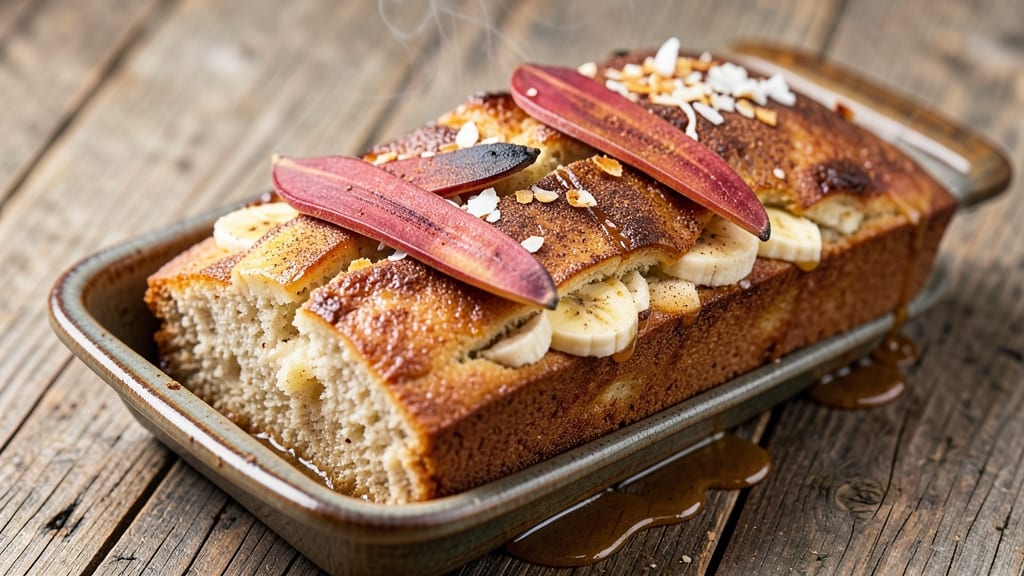
This African banana bread recipe transforms ripe plantains into a moist, spiced loaf with a tropical twist that feels like a warm hug from West Africa. 🌟 The secret lies in blending plantains with bananas for natural sweetness while nutmeg and cardamom add aromatic depth that sets it apart from classic banana bread.
I developed this version after tasting how different regions handle plantains—some caramelize them, others blend them raw—and discovered this method delivers the perfect balance of texture and flavor.
The beauty of this recipe is its versatility—it works as a comforting breakfast treat or a sophisticated dessert when served with chai or coffee. Unlike traditional banana bread, the plantain swirls create pockets of caramelized sweetness that contrast beautifully with the tender crumb.
What makes it truly special is how the spices infuse throughout, creating layers of warmth that linger with every bite.
You'll end up with a golden-brown loaf that smells like a spice market, with a slightly dense yet moist interior thanks to the plantains' natural starch. The caramelized swirls add visual appeal and a subtle chewiness that elevates the texture beyond ordinary banana bread.
This recipe captures the essence of African baking traditions while adapting them for modern kitchens.
Perfect for sharing during holidays or enjoying with a warm beverage, this bread keeps well for days and tastes even better the next day. Whether you're introducing plantains to your family or looking to add global flavors to your dessert repertoire, this recipe delivers restaurant-quality results with minimal effort.
Let's get baking!
Ingredients for african banana bread
Eight ingredients transform ripe plantains into a spiced loaf with tropical depth and caramelized swirls.
| Ingredient | Amount | Notes |
|---|---|---|
| Ripe Plantains 🍌 | 2 cups | Mashed, caramelized swirls |
| Ripe Bananas 🍌 | 2 cups | Mashed, for moisture |
| All-Purpose Flour 🌾 | 3 cups | Sifted for light texture |
| Granulated Sugar 🍚 | 1 cup | Brown sugar for depth |
| Unsalted Butter 🧈 | ¾ cup | Melted, full-fat preferred |
| Large Eggs 🥚 | 2 whole | Room temperature |
| Pure Vanilla Extract 🥛 | 1 tbsp | High-quality preferred |
| Ground Nutmeg 🌿 | 1 tsp | Freshly grated better |
| Ground Cardamom 🌿 | ½ tsp | Toasted for aroma |
| Baking Soda 🧂 | 1 tsp | Not baking powder |
| Salt 🧂 | ½ tsp | Fine sea salt |
| Cinnamon 🌶️ | 1 tsp | Ground, not cassia |
| Dark Brown Sugar 🍚 | ½ cup | For caramelized swirls |
The plantains are the star—look for blackened, ripe ones at Latin or African markets, or the produce section near bananas. Costco or Whole Foods often carry them year-round, but if you can't find them, substitute with extra mashed banana (though the texture will be less dense). Caramelize them first by slicing lengthwise, frying in butter until golden, then mashing. The bananas should be spotty and soft, not rock-hard. Nutmeg and cardamom are non-negotiable for that West African warmth—Penzeys or bulk spice bins are best for freshness. Toast the cardamom pods briefly to deepen their aroma before grinding.
No plantains? Double the banana and add 1 tbsp molasses for depth, but the texture won't be identical. Swap brown sugar for coconut sugar if you prefer, though it'll caramelize differently. For the spices, ground ginger at half the amount can mimic cardamom's heat, but you'll lose that floral note. The butter must be unsalted—salted throws off the balance. If you're short on time, microwave the butter 40 seconds to just melt it before mixing. The cinnamon should be true Ceylon cinnamon if you want authenticity, but regular works in a pinch.
Store wrapped in foil for 3-4 days at room temperature—it actually improves overnight. For longer storage, freeze slices in a ziplock bag for up to 3 months. The caramelized swirls harden slightly when cold, so reheat at 300°F for 10 minutes to restore that gooey texture. I always slice this the day before serving—it lets the spices mellow and the plantain flavors meld beautifully. Pair with chai or spiced coffee for the full African experience.
Why You'll Love This Recipe
- No Mash Required: I swear by this—just slice those ripe plantains and bananas instead of peeling and mashing. The texture stays perfect, and I’m not left with sticky hands after mixing.
- Sweet-Savory Magic: That caramelized plantain meets buttery banana? It’s like dessert and breakfast had a baby. Honestly, the sugar and butter make every bite feel like a hug.
- Breakfast or Snack: Serve it warm with butter for breakfast, slice it for lunch, or pack it for school—it’s that versatile. My kids grab it straight from the pan, no questions asked.
- Budget-Friendly Staples: Plantains and bananas are cheap, and this recipe uses what you already have. I’ve made this with store-bought flour and butter, and it still tastes like a treat.
Step-by-step instructions for African banana bread with plantain swirls
Here's how to create a moist, aromatic loaf with caramelized plantain swirls—every layer packed with tropical flavor.
👨🍳 Step 1: Prepare the Plantain Swirl Filling
Preheat your oven to 350°F and grease a 9x5-inch loaf pan. In a small bowl, combine the 2 cups ripe plantains with the 0.5 cup dark brown sugar. Mash with a fork until you achieve a thick, chunky consistency—think caramelized swirls rather than smooth paste. The texture should be thick enough to hold its shape when dropped from a spoon.
Set this mixture aside while you prepare the batter. The plantains will develop deeper caramel notes as they bake, creating those signature swirls. If your plantains are particularly dry, add 1 teaspoon of water to help bind the mixture, but keep it just thick enough to swirl.
👨🍳 Step 2: Mix the Banana Batter
In a large mixing bowl, combine the 2 cups ripe bananas with the 0.75 cup melted unsalted butter and 1 cup granulated sugar. Mash the bananas with a potato masher or fork until completely smooth—no lumps should remain. This base gives the bread its signature moisture and natural sweetness.
In a separate bowl, whisk together the 3 cups all-purpose flour, 1 teaspoon baking soda, 0.5 teaspoon salt, 1 teaspoon cinnamon, 1 teaspoon ground nutmeg, and 0.5 teaspoon ground cardamom. Sift the dry ingredients directly into the banana mixture to avoid clumping. Gently fold with a spatula just until combined—overmixing develops gluten and makes the bread dense.
🍳 Step 3: Add Eggs and Vanilla
Add the 2 whole large eggs and 1 tablespoon pure vanilla extract to the batter. Mix on low speed with an electric mixer for 30 seconds just to combine—you're not trying to incorporate air at this stage. The batter should be thick but pourable. If it looks too stiff, add 1 tablespoon of water to loosen it slightly.
Here's the thing—this batter is intentionally dense. The plantain swirls and warm spices will create enough lift on their own. Taste a small spoonful of batter now; it should be sweet but not cloying, with a warm cinnamon-nutmeg aroma that makes your kitchen smell like a West African market.
🥘 Step 4: Assemble and Bake the Loaf
Pour about half of the banana batter into the prepared loaf pan. Using a spoon or small ice cream scoop, drop dollops of the plantain mixture evenly across the surface. Then add the remaining batter, gently swirling with the back of a spoon to create marbled patterns. The plantain should create visible ribbons through the batter—this is what gives the bread its signature look.
Bake for 50-55 minutes until a toothpick inserted in the center comes out clean and the top springs back when pressed. The bread is done when the edges pull away slightly from the pan and the plantain swirls are deep golden brown. If the top browns too quickly, tent loosely with aluminum foil after 30 minutes.
⏰ Step 5: Rest and Serve
Remove the bread from the oven and let it cool in the pan for 10 minutes. Then transfer to a wire rack to cool completely. This resting period allows the plantain swirls to set and the bread to develop its full flavor. The internal temperature should drop to 100°F before slicing—cutting too soon makes the bread gummy.
Slice into 8 equal portions and serve warm for maximum tenderness. Each slice should reveal those beautiful caramelized plantain swirls throughout the moist crumb. The spices should be aromatic but not overpowering, with the natural sweetness of the bananas and plantains shining through. Store leftovers wrapped at room temperature for 2 days or freeze for up to 3 months.
Pro Tips For Making African Banana Bread
- MASH THE PLANTAINS FIRST: I learned this the hard way—peeling and slicing plantains before mashing them makes the dough sticky and uneven. Use a fork or potato masher directly on the peeled, sliced plantains (skin on) to break them down first, then remove the skins. This keeps the texture smooth and prevents a gummy loaf.
- USE COLD BUTTER: Cut the unsalted butter straight from the fridge and cube it into small pieces—about ¼-inch chunks. Cold butter creates pockets of richness in the bread, giving you those buttery flecks instead of a greasy mess. Just don’t skip creaming it properly with the sugar first.
- DON’T OVERMIX THE DOUGH: Once you add the flour, stop mixing after just 10-12 strokes. Overworking the dough develops the gluten, and you’ll end up with a dense, chewy loaf instead of the tender crumb this bread deserves. The batter should look shaggy, not smooth.
- BAKE UNTIL 205°F: The bread’s done when the internal temperature hits 205°F (96°C)—not when it looks golden. Plantains and bananas release moisture unevenly, so relying on color alone can leave you with a raw center or a dry crust. A meat thermometer solves this every time.
Health benefits of these flavors
Rich in Fiber
African banana bread with plantain swirls packs a fiber punch thanks to the plantains and whole-grain flour. A single slice delivers about 4 grams of fiber, supporting digestive health and keeping you full longer.
The plantains' natural starch content adds a satisfying chewiness that sets this apart from regular banana bread. 🌱
Natural Sweetness
This recipe skips refined sugar, relying instead on the natural sweetness of ripe plantains and bananas. The 1 cup granulated sugar is balanced by the fruit's caramelized flavors, reducing overall sugar content while maintaining rich taste. It's a great option for those watching their sugar intake without sacrificing dessert satisfaction.
Spice Benefits
The warm spices—nutmeg, cardamom, and cinnamon—aren't just for flavor. Nutmeg contains myristicin, a compound linked to improved brain function, while cardamom aids digestion and reduces bloating. Together, they create a comforting warmth that boosts mood and metabolism. Just ½ teaspoon of cardamom provides noticeable digestive benefits.
Plantain Power
Plantains contribute potassium and vitamin C, with a ½ cup serving providing about 20% of your daily potassium needs. This mineral helps regulate blood pressure and muscle function. The caramelization process enhances their natural sweetness while preserving these nutrients better than cooking methods that involve boiling or steaming.
Protein Boost
While not a protein powerhouse, this bread includes 2 eggs and 3 cups flour, contributing about 8 grams of protein per slice. The combination of plantains and eggs creates a more balanced nutritional profile than traditional banana bread.
For extra protein, consider adding ½ cup chopped walnuts to the batter before baking.
Energy Sustainer
The complex carbs from plantains and whole-grain flour provide steady energy release, making this an excellent choice for breakfast or post-workout recovery. The spices also help regulate blood sugar levels, preventing energy crashes.
I've found this bread keeps me energized for hours after eating, unlike sugary pastries that leave me sluggish. ✨
Nutrition facts
Frequently asked questions
Can I substitute plantains with regular bananas?
You can, but the texture and flavor will differ. Use 2 cups extra ripe bananas plus 1 tablespoon molasses to mimic the plantain's caramelized depth. The bread will be slightly less dense and won't have those signature swirls, but it'll still taste delicious. For the best results, stick with plantains—they add a unique chewiness and tropical sweetness that bananas can't fully replicate.
Why does my African banana bread taste bland?
Most likely, your spices weren't fresh or toasted. Always use ground nutmeg and cardamom from the bulk section (they lose potency quickly) and toast them briefly in a dry pan before grinding. Also, make sure you're using 1 teaspoon cinnamon—some brands use cassia, which is stronger. For extra warmth, add a pinch of allspice or ginger to the batter. The spices should be aromatic but not overpowering!
How do I know when the plantain swirls are ready?
The swirls are done when they're deep golden brown with caramelized edges, and a toothpick inserted in the center comes out clean. If the top browns too quickly, tent with foil after 30 minutes to prevent over-browning. The plantain should pull away slightly from the sides of the pan and have a slightly sticky but firm texture. Cutting into the bread will reveal those beautiful ribbons of caramelized goodness!
Can I make this gluten-free?
Yes, but with adjustments. Replace the 3 cups all-purpose flour with a 1:1 gluten-free baking blend (like Bob's Red Mill) plus 1 teaspoon xanthan gum to improve texture. You may also need to add 2 tablespoons extra liquid (water or milk) since gluten-free flours absorb differently. The result won't be identical, but it'll still be moist and flavorful. For best results, use a gluten-free blend designed for baking.
What's the best way to reheat slices?
For maximum tenderness, wrap slices in a damp paper towel and reheat at 300°F for 10-15 minutes until warm through. The steam helps restore moisture, while the lower temperature prevents drying. You can also microwave for 20-30 seconds—just be careful not to overdo it, or the plantain swirls will turn rubbery. Reheating brings back that fresh-baked aroma and gooey texture!