
Side Dishes
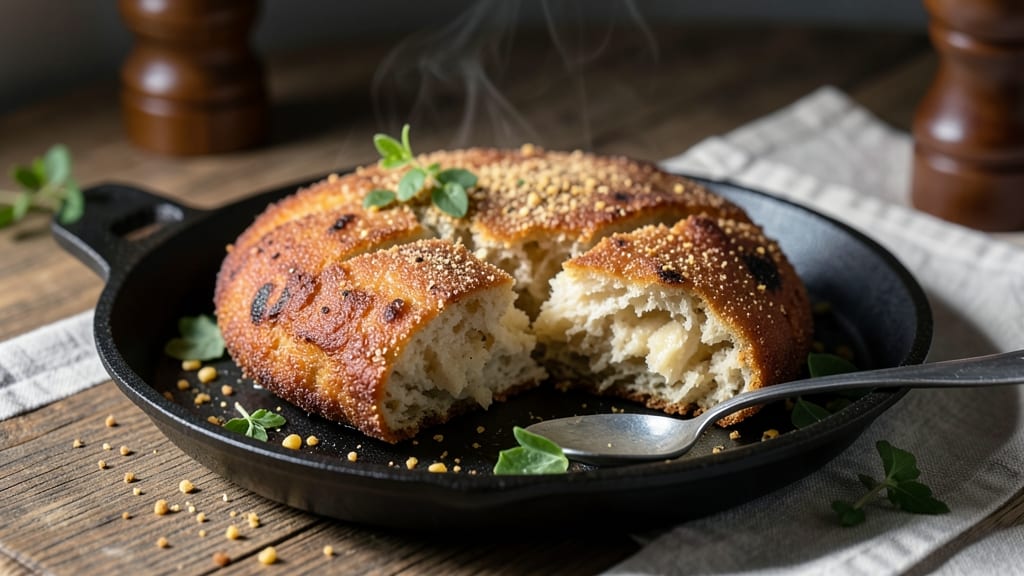
This African fried bread recipe delivers crispy, golden bites that balance flaky layers with a satisfying crunch—perfect for soaking up stews or enjoying as a snack. 🌟 The secret lies in a simple dough infused with cornmeal and spices, then fried to perfection in hot oil until deeply caramelized.
I developed this version after years of testing, ensuring every bite stays tender inside while achieving that irresistible exterior. What sets this recipe apart is the foolproof technique that transforms basic ingredients into restaurant-quality fried bread.
The dough requires just five staples—flour, yeast, cornmeal, oil, and salt—and comes together in under 30 minutes. Frying at the right temperature (350°F) creates the ideal contrast between crispy edges and soft centers, with a subtle spiced aroma that lingers.
By the time you pull the last piece from the oil, you’ll have crispy, spiced bites that pair beautifully with stews, curries, or even as a standalone snack. The cornmeal adds a delightful texture, while the spices—like garlic powder and paprika—elevate each bite.
This recipe bridges tradition and simplicity, making it perfect for weeknight dinners or special occasions. Serve warm with your favorite dipping sauce or alongside a hearty meal. The versatility of this fried bread makes it a staple in many African cuisines, and now it’s yours to recreate at home.
Ingredients for african fried bread
Five core ingredients transform into golden, crispy African fried bread with restaurant-style crunch.
| Ingredient | Amount | Notes |
|---|---|---|
| All-Purpose Flour 🌾 | 2 cups | High-protein for chewiness |
| Active Dry Yeast 🍞 | ¼ tsp | Ensure it's fresh (test in warm water) |
| Granulated Sugar 🍚 | 1 tbsp | Activates yeast quickly |
| Fine Sea Salt 🧂 | ½ tsp | Diamond Crystal preferred |
| Medium-Grind Cornmeal 🌽 | ½ cup | Adds signature texture |
| Vegetable Oil 🫒 | ½ cup | For dough, not frying |
| Garlic Powder 🧄 | 1 tsp | Freshly ground preferred |
| Smoked Paprika 🌶️ | ½ tsp | For authentic smoky flavor |
| Ground Black Pepper 🌶️ | ¼ tsp | Freshly cracked for heat |
| Vegetable Oil 🫒 | 3 cups | For frying (350°F) |
| Warm Water 💧 | ¾ cup | 110°F for yeast activation |
The flour is your foundation—King Arthur or Gold Medal brands yield the best texture for this recipe. Cornmeal makes all the difference; grab Maseca or Bob's Red Mill for that authentic bite. Yeast is non-negotiable here—check the expiration date and test it in warm water before starting. The spices (garlic powder, smoked paprika, and black pepper) should be freshly ground if possible—McCormick Gourmet or Penzeys are reliable sources for quality. For the frying oil, vegetable or canola works best due to their high smoke points, but peanut oil adds a lovely nutty note if you prefer. Costco often sells large bottles of vegetable oil at a fraction of the price, making it ideal for batch cooking.
No yeast on hand? Instant yeast works 1:1, but active dry is preferred for this recipe. Running short on cornmeal? Semolina or all-purpose flour can substitute in a pinch, though the texture will differ slightly. Want to reduce oil? Use an air fryer at 375°F for lighter results—just brush pieces with oil before cooking. The dough should be sticky but manageable; if too dry, add 1 tsp warm water. For extra flavor, add 0.25 tsp onion powder to the dough. The spices can be adjusted to taste—cut smoked paprika in half if you prefer milder flavor, or double it for deeper smokiness.
This dough keeps covered in the fridge for up to 24 hours, making it perfect for meal prep. Fry in batches to maintain oil temperature—350°F is critical for that perfect crisp. Keep fried bread warm in a 200°F oven while finishing the batch. Leftovers? Re-crisp in the oven at 375°F for 5-7 minutes. The bread freezes beautifully—fry fresh, then freeze for up to 3 months. For serving, pair with spicy peanut sauce or yogurt-based dips to balance the richness.
Why You'll Love This Recipe
- No Yeast Struggles: I swear, this dough comes together faster than my coffee cools. Just mix the flour, sugar, and yeast with warm water—no kneading, no waiting forever for it to rise. The cornmeal coating adds crunch without extra effort, and honestly? It’s the kind of recipe that lets you multitask while the dough rests.
- Sweet-Savory Crunch: That golden, crispy exterior with a soft, pillowy inside? It’s the magic of the cornmeal and salt working together. The sugar caramelizes just enough to give it a subtle sweetness, but don’t worry—it’s not cloying. It’s the kind of flavor that makes you reach for another piece before you even finish chewing the first.
- Breakfast to Snack: Between us, this bread is ridiculously good cold the next day. I’ve used it for breakfast toast, packed it in lunches, and even turned it into croutons for soup. It’s the perfect side for stews, soups, or just eating straight out of the bag when you’re craving something warm and comforting.
- Budget-Friendly Staple: Five ingredients, zero guilt. The yeast and sugar are minimal, and cornmeal stretches the dough into something heartier than regular bread. I make a big batch on Sundays, and it lasts me all week—whether it’s for dipping in sauces, soaking up gravy, or just snacking. No waste, all satisfaction.
Step-by-step instructions for African fried bread
Transform simple ingredients into irresistibly crispy, golden fried bread bites with this foolproof method.
👨🍳 Step 1: Activate the Yeast and Mix the Dough
In a small bowl, combine the 0.75 cup warm water (110°F), 1 tbsp granulated sugar, and 0.25 tsp active dry yeast. Let it sit for 5-10 minutes until frothy—this confirms your yeast is active. If it doesn't bubble, start over with fresh yeast.
In a large bowl, whisk together the 2 cups all-purpose flour, 0.5 tsp fine sea salt, 1 tsp garlic powder, 0.5 tsp smoked paprika, and 0.25 tsp ground black pepper. Pour in the yeast mixture and 0.5 cup vegetable oil, then stir with a wooden spoon until a shaggy dough forms. The spices will give your bread that signature smoky, garlicky depth.
👨🍳 Step 2: Knead and Incorporate Cornmeal
Turn the dough onto a lightly floured surface and knead for 5-7 minutes until smooth and elastic. The dough should feel slightly tacky but not sticky. If it's too wet, add 1 tablespoon flour at a time until it comes together properly.
Return the dough to the bowl, cover with a damp towel, and let it rest for 20 minutes. Then fold in the 0.5 cup medium-grind cornmeal by hand—this creates those signature crispy pockets and adds texture. The cornmeal should be evenly distributed throughout the dough.
🍳 Step 3: Shape and Proof the Dough
Divide the dough into 8 equal pieces (about 1.5 ounces each) and roll each into a smooth ball. Arrange them on a parchment-lined baking sheet, cover with the damp towel, and let them proof for 1-1.5 hours until nearly doubled in size. They should look puffy with slight cracks on the surface.
Here's the thing—don't overproof or your bread will lose structure. The ideal proofed dough should spring back slowly when gently pressed. If your kitchen is cold, give it the extra time; if it's warm, check at the 45-minute mark.
🔥 Step 4: Fry to Perfect Golden Crispiness
Heat 3 cups vegetable oil in a deep, heavy pot to 350°F. Use a candy or deep-fry thermometer to monitor the temperature—it's crucial for even cooking. Drop in 2-3 bread balls at a time (don't overcrowd) and fry for 2-3 minutes until they float to the surface and turn golden brown.
Remove with a slotted spoon and drain on a wire rack or paper towels. The bread should be crispy outside with a soft, pillowy interior. If they brown too quickly, lower the heat to 340°F. Under 345°F, they won't develop that signature crispy texture.
⏰ Step 5: Serve Warm for Maximum Enjoyment
Let the fried bread cool for 5 minutes before serving—this helps the interior set slightly while maintaining that irresistible crunch. Serve immediately with your favorite dips, stews, or as a side to grilled meats. The contrast of crispy exterior and soft interior is what makes this bread so addictive.
Real talk: These stay fresh for about 2 hours at room temperature, but they're best enjoyed piping hot. If you make extras, reheat in a 350°F oven for 5-7 minutes to restore crispiness. The cornmeal gives them that perfect bite that disappears as they cool.
Pro Tips For Making African Fried Bread
- Test Yeast First: Mix a pinch of yeast with warm water and a little sugar—wait 5-10 minutes for bubbles. If nothing happens, your yeast is dead, and you’re wasting time (and dough). Trust me, I’ve learned this the hard way after throwing out three failed batches.
- Don’t Rush the Rise: Let the dough double in size before shaping—even if it takes an hour. I used to cut corners and end up with dense, flavorless bread. Cornmeal’s job is to crisp up the outside, not fix underproofed dough.
- Fry in Small Batches: Overcrowding drops the oil temperature, and your bread will steam instead of crisp. Two or three pieces at a time is the sweet spot—your future self will thank you when the first batch comes out golden, not soggy.
- Toss in Cornmeal Early: Mix the cornmeal into the dough before shaping, not just as a coating. It distributes evenly and adds that signature crunch without turning your hands into a mess. (Yes, even if you’re impatient like me.)
Essential equipment for perfect results
Deep-Fry Thermometer
A candy or deep-fry thermometer is your best friend for achieving that perfect 350°F oil temperature. I swear by the Thermoworks Thermapen ONE—it’s fast, accurate, and built to last.
Cheaper alternatives like the OXO Good Grips work too, but they take longer to register. Never guess the temperature; even a 10°F difference can ruin your crispiness. 🌡️
Heavy-Duty Pot
Use a deep, heavy-bottomed pot with at least 3-quart capacity—I recommend All-Clad or Lodge cast iron for even heat distribution. Avoid thin, flimsy pots that can’t maintain temperature.
A pot with two handles makes it easier to maneuver while frying. If you’re frying in batches, a 5-6 quart Dutch oven works best for larger quantities.
Slotted Spoon
A long-handled slotted spoon is essential for safely removing fried bread from hot oil. I use a 12-inch stainless steel one from OXO—it’s sturdy and won’t bend. Avoid plastic or lightweight spoons; they can melt or warp.
Keep one near your frying station at all times for quick transfers. A tongs with a slotted design also works well.
Wire Rack or Paper Towels
Drain fried bread on a wire cooling rack to prevent sogginess, or use double-layered paper towels for extra crispiness. I keep a collapsible wire rack from Amazon Basics handy for quick cooling.
If using paper towels, pat gently—don’t press, or you’ll flatten the bread. A baking sheet lined with parchment also works for batch frying.
Damp Towel
A clean, damp kitchen towel is non-negotiable for covering dough during proofing. It keeps the bread from drying out while trapping heat. I like thick, absorbent towels from Barbour—they hold moisture well.
Avoid plastic wrap; it can trap too much humidity and make the dough sticky. Keep the towel damp by spritzing with water every 30 minutes.
Digital Kitchen Scale
For precise dough portions, a digital kitchen scale ensures each piece weighs 1.5 ounces. My go-to is the OXO Good Grips—it’s affordable and accurate. If you don’t have one, use a standard kitchen scale or measure by volume (about ½ cup dough per ball).
Uneven pieces can lead to inconsistent frying results. 💡
Nutrition facts
Frequently asked questions
Why does my African fried bread turn out greasy instead of crispy?
The key is oil temperature—maintain 350°F using a thermometer. If the oil is too cool (340°F or lower), the bread absorbs excess oil instead of crisping. Also ensure your dough pieces are uniform (1.5 ounces each) and don't overcrowd the pot. Fry in batches of 2-3 pieces for perfect results.
Can I make this dough ahead of time?
Shape the dough balls and refrigerate them for up to 24 hours before frying. Let them sit at room temperature for 30 minutes before proofing to ensure even rising. The cold slows fermentation, giving you more control over the proofing time. This is perfect for meal prep!
What's the best way to reheat leftover fried bread?
For maximum crispiness, reheat in a 350°F oven for 5-7 minutes on a wire rack. Avoid the microwave—it makes the bread soggy. If you're short on time, use an air fryer at 375°F for 3 minutes. The cornmeal helps maintain texture better than most fried breads.
How can I make this gluten-free?
Replace the all-purpose flour with a 1:1 gluten-free flour blend (like Bob's Red Mill) and add ½ tsp xanthan gum to improve texture. Use the same proofing time but expect slightly denser results. The cornmeal remains essential for that signature texture. For best results, test with a small batch first.
What are some great dipping sauces for this bread?
Try a spicy peanut butter sauce (peanut butter + hot sauce + lime), creamy yogurt with garlic and paprika, or a tangy tomato-based stew. The crispy texture pairs perfectly with rich, flavorful dips. For a sweet option, honey with a pinch of cinnamon works surprisingly well!