
Side Dishes
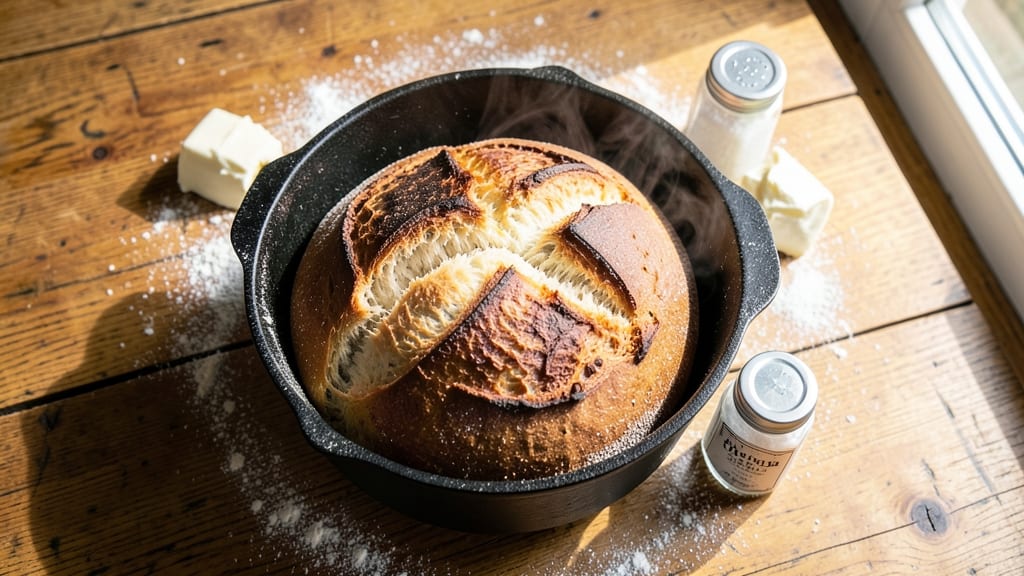
Mastering Aga bread transforms your kitchen into a rustic bakery with its signature crispy crust and pillowy interior—a technique perfected over generations in traditional Aga ovens.
The secret lies in slow, even heat that creates that coveted texture, where the exterior achieves a golden crunch while the center remains deliciously soft. Unlike conventional ovens, an Aga's radiant heat works from all sides, ensuring consistent results every time.
This recipe begins with a straightforward dough that relies on precise shaping and strategic baking stages. You'll work with a simple flour-water-yeast base, letting the dough rest before forming it into a round loaf with a slightly domed top—a hallmark of traditional Aga bread.
The baking process itself is where the magic happens, with temperatures gradually increasing to develop that perfect crust while keeping the interior tender.
The result is a loaf with a shatteringly crisp exterior that gives way to a cloud-like crumb, ideal for serving warm with butter or alongside hearty stews.
The slow-baked method not only enhances flavor but also creates a bread that stays fresh for days, making it perfect for meal prep or gifting. Whether you're using a traditional Aga or a modern replica, this technique delivers restaurant-quality bread at home.
For those who prefer variations, you can easily adapt this recipe into a sourdough version by replacing commercial yeast with a starter, or opt for a white bread variation by adjusting the flour blend.
The key remains the same: patience and precise heat control. Let's get started on creating your perfect loaf.
Ingredients for aga bread
Nine simple ingredients transform your kitchen into a rustic bakery with Aga's legendary crisp crust and pillowy heart.
| Ingredient | Amount | Notes |
|---|---|---|
| All-Purpose Flour 🌾 | 5 cups | High-protein for structure (11-12%) |
| Active Dry Yeast 🍞 | 2 ¼ tsp | Freshly opened for potency |
| Granulated Sugar 🍚 | 1 tbsp | Feeds yeast for activation |
| Unsalted Butter 🧈 | ¼ cup | Cold, cubed for texture |
| Warm Water 💧 | 1 ½ cups | 105°F for yeast activation |
| Diamond Crystal Kosher Salt 🧂 | 1 ½ tsp | Fine grain for even distribution |
| Cornmeal 🌽 | ¼ cup | For dusting baking surface |
| Large Eggs 🥚 | 1 whole | Optional for egg wash |
| Coarse Sea Salt 🧂 | 1 tsp | For crust finishing |
The flour is your foundation—King Arthur or Caputo for bread bakers, but high-protein all-purpose works too. Yeast is non-negotiable: Saf-Instant if you prefer no activation time, but active dry gives that classic fermentation. Butter adds richness; Plugrá or Land O'Lakes works, but don't use margarine. Warm water should feel like bathwater—too hot kills yeast. The Diamond Crystal salt is key: it dissolves completely, unlike table salt which can leave gritty spots. I always double-check my yeast packet date—expired yeast is the #1 reason bread fails.
No yeast? Sourdough starter at 1:1 ratio replaces it entirely. Butter substitute? Cold olive oil mimics texture (use 2 tbsp less than butter). Cornmeal can be swapped for semolina if you're fancy, but both serve the same purpose. Egg wash optional but recommended—one egg yolk gives golden sheen without richness. For a lighter loaf, add 1 tsp baking powder to the flour. The coarse sea salt? Maldon flakes if you want to splurge, but any flaky salt works. Pro tip: Let your dough rest 20 minutes longer if your kitchen is cold—yeast works slower in cooler temps.
Shape your dough 24 hours ahead and refrigerate for deeper flavor. Wrap tightly in plastic—dough lasts 3 days cold. Baked loaves stay fresh 5 days at room temperature, wrapped in a clean kitchen towel. Freeze slices for 3 months—toast straight from frozen. The crust gets crispier overnight, so reheat 5 minutes at 350°F for restaurant-warm results. Store extra flour in the freezer to prevent weevils, and keep yeast in the fridge for up to 3 months beyond its printed date.
Why You'll Love This Recipe
- No-Knead Nightmare Solved: I’ll admit—I used to dread bread nights. But this recipe? Just mix flour, yeast, sugar, and butter with warm water, let it rise, and bake. That’s it. No roller, no fuss, no stress.
- Butter-Soft Magic: The secret’s in that unsalted butter—it melts into the dough, giving every bite a rich, almost custardy texture. Honestly, it’s the kind of bread that makes you pause mid-bite just to savor it.
- Breakfast to Dinner Fix: Same dough, endless uses. Toast it for breakfast with jam, turn it into garlic bread for dinner, or even use slices to soak up sauces. I’ve fed a crowd with one batch—no one left hungry.
- Budget-Friendly Staple: Five ingredients, minimal waste. The dough keeps in the fridge for days, and you can bake just what you need. Between us, this is how I stretch my grocery budget without sacrificing flavor.
Step-by-step instructions for slow-baked Aga bread
This method unlocks the secret to that coveted Aga bread texture—crisp crust, airy crumb, and perfect rise.
Activate the Yeast and Mix the Dough
In a large mixing bowl, combine the 1.5 cups warm water (tested at 105°F—it should feel pleasantly warm to your wrist) with the 1 tbsp granulated sugar and 2.25 tsp active dry yeast. Let this sit for 5-10 minutes until you see frothy bubbles forming on the surface. This tells you your yeast is alive and ready to work.
Once bubbly, add the 5 cups all-purpose flour and 1.5 tsp diamond crystal kosher salt to the bowl. Mix with a wooden spoon until a shaggy dough forms. Then add the 0.25 cup cold, cubed unsalted butter and the 1 whole large egg. Knead by hand for 8-10 minutes until the dough is smooth, elastic, and springs back when pressed. The butter should be fully incorporated but still visible in small flecks—this creates those signature pockets of flavor.
First Rise and Shape the Loaf
Lightly grease a large bowl with olive oil and place the dough inside. Cover with a damp kitchen towel and let rise in a warm place for 1.5-2 hours, or until the dough has nearly doubled in size. You'll know it's ready when you poke it gently and the indentation stays put—this is called the "poke test."
Once risen, turn the dough out onto a lightly floured surface and gently shape it into a round loaf. I like to tuck the edges under slightly to create a tight, compact shape. Place the shaped loaf seam-side up on a baking sheet dusted with 0.25 cup cornmeal—this prevents sticking and adds a subtle crunch to the bottom crust. Cover loosely with the towel again and let rise for another 30-45 minutes until puffy.
Preheat and Bake with Precision
Preheat your Aga oven to 425°F. The key here is to get the dough as hot as possible right away to create that signature crisp crust. Once preheated, carefully transfer the risen loaf to the oven and bake for 25-30 minutes until the crust turns a deep golden brown and sounds hollow when tapped on the bottom.
Here's where the magic happens: After 20 minutes, brush the top of the loaf with a beaten egg (if using) and sprinkle generously with 1 tsp coarse sea salt. This creates that beautiful crackly crust while adding a burst of flavor. The bread is done when the internal temperature reaches 190-200°F—use an instant-read thermometer for accuracy.
Cool and Enjoy
Remove the bread from the oven and let it cool on a wire rack for at least 30 minutes. This resting period is crucial—it allows the steam inside to redistribute, preventing a gummy crumb. The contrast between the crisp exterior and soft interior develops during this time.
Slice with a sharp serrated knife for clean cuts that reveal the airy, pillowy interior. Serve warm with butter or olive oil for dipping—every bite should deliver that perfect balance of crunch and softness. Store leftovers wrapped in a cloth-lined bag to maintain freshness for up to 3 days.
Pro Tips For Making Aga Bread
- Test Yeast First: Skip the guesswork—mix 1 tsp yeast, 1 tsp sugar, and ¼ cup warm water (110°F) in a small bowl. If it bubbles within 5 minutes, your yeast is alive. I learned this the hard way after baking a dense brick of bread because my "fresh" yeast was actually dead.
- Soften Butter Properly: Don’t melt it—cut the unsalted butter into small cubes and let them sit at room temp for 30 minutes until they’re soft but not greasy. Cold butter won’t incorporate evenly, and melted butter can kill the yeast. (Yes, even if you’re impatient like me.)
- Knead Until Smooth: Stop when the dough springs back slowly when poked and looks uniform, not sticky or shaggy. Over-kneading dries it out, but under-kneading leaves it gummy. Use a stand mixer with a dough hook for 5-6 minutes—no need to go longer.
- Shape Loaves Tightly: Roll the dough into a log, tuck the ends under, and press firmly to seal any gaps. Loose seams mean air escapes during baking, giving you a sad, flat loaf instead of a tall, airy one. (Your future self will thank you.)
Serving suggestions for this recipe
Classic Butter Spreads
Nothing beats the simplicity of unsalted European-style butter like Plugrá or Kerrygold melted over warm Aga bread. For extra richness, mix in 1 tsp honey and a pinch of flaky Maldon salt—the contrast of sweet and salty elevates every bite.
I always keep a small jar of this combo on hand for quick serving. 🧈
For a savory twist, try herbed butter by blending softened butter with 1 tbsp chopped fresh parsley, 1 tsp garlic powder, and ½ tsp lemon zest. Spread generously on slices and warm for 5 minutes at 350°F to melt the flavors together.
Sweet Toppings
Drizzle warm bread with local honey (I love Manuka honey for its floral notes) and sprinkle with crushed walnuts or pecans for crunch. The crisp crust soaks up the honey beautifully, creating a perfect balance.
For a decadent treat, add a dollop of whipped mascarpone cheese mixed with a touch of vanilla extract.
A jam and cream pairing works wonders—spread raspberry or apricot jam (look for small-batch preserves for richer flavor) and top with a thin layer of clotted cream. This combination is inspired by classic British tea-time traditions but feels uniquely rustic with Aga bread.
Savory Pairings
Serve with smoked salmon and crème fraîche for a brunch-worthy spread. The crisp crust holds up perfectly to delicate fish, while the crème fraîche adds a tangy contrast. Add a sprinkle of everything bagel seasoning for an extra layer of flavor. 🍣
For hearty meals, pair with slow-cooked beef stew or mushroom ragout. The bread's pillowy interior soaks up the rich sauces beautifully, making every bite satisfying. I often serve it alongside roasted root vegetables for a complete meal.
Cheese Board Pairings
Create a rustic cheese board featuring aged cheddar, brie, and blue cheese (like Gorgonzola Dolce) alongside Aga bread. The crisp crust cuts through the creamy textures perfectly. Add cornichons, walnuts, and fig jam for a balanced mix of flavors and textures.
For a vegetarian option, include marinated feta, goat cheese, and smoked gouda. The bread's neutral flavor lets the cheeses shine while providing a sturdy base for spreading. A drizzle of balsamic glaze adds a touch of sweetness to cut through the richness.
Nutrition facts
Frequently asked questions about Aga bread
Can I make Aga bread without an actual Aga oven?
While the Aga's radiant heat is ideal, you can achieve similar results with a conventional oven. Preheat to 425°F with a baking stone inside for 30 minutes to mimic the Aga's even heat distribution. Place your loaf on the stone and bake as directed. For extra crispiness, finish under the broiler for 1-2 minutes at the end. The key is maintaining high heat for that signature crust!
Why does my Aga bread turn out dense instead of pillowy?
Dense bread usually means the dough didn't rise enough or was overworked. Make sure your yeast is fresh (test by dissolving 1 tsp in ¼ cup warm water—it should foam in 5 minutes), and your kitchen is warm (75°F+). Also, avoid kneading too much—just until the dough springs back when pressed. For extra lift, let the dough proof for 10-15 minutes longer before shaping.
How do I store Aga bread to keep it fresh?
Wrap cooled bread in a clean kitchen towel and store at room temperature for up to 5 days. The towel prevents moisture buildup while allowing airflow to maintain crispness. For longer storage, freeze slices for 3 months—toast straight from frozen. Pro tip: Reheat slices at 350°F for 5 minutes to restore that restaurant-warm texture!
Can I make Aga bread with whole wheat flour?
Yes, but expect a denser, heartier loaf. Replace 2 cups all-purpose flour with whole wheat for a 40% blend. Add 1 extra tbsp vital wheat gluten to improve structure, and increase water by 1 tbsp since whole wheat absorbs more. Bake as usual—this version pairs beautifully with hearty soups or stews!
What's the secret to that perfect crisp crust?
The magic happens in three steps: high initial heat (425°F), steam (spray the oven walls with water for 5 minutes at the start), and egg wash (brush with beaten egg at 20 minutes). The Aga's radiant heat works from all sides, but even a home oven can deliver amazing results with these techniques. Don't skip the salt sprinkle—it enhances browning!