
Main Courses
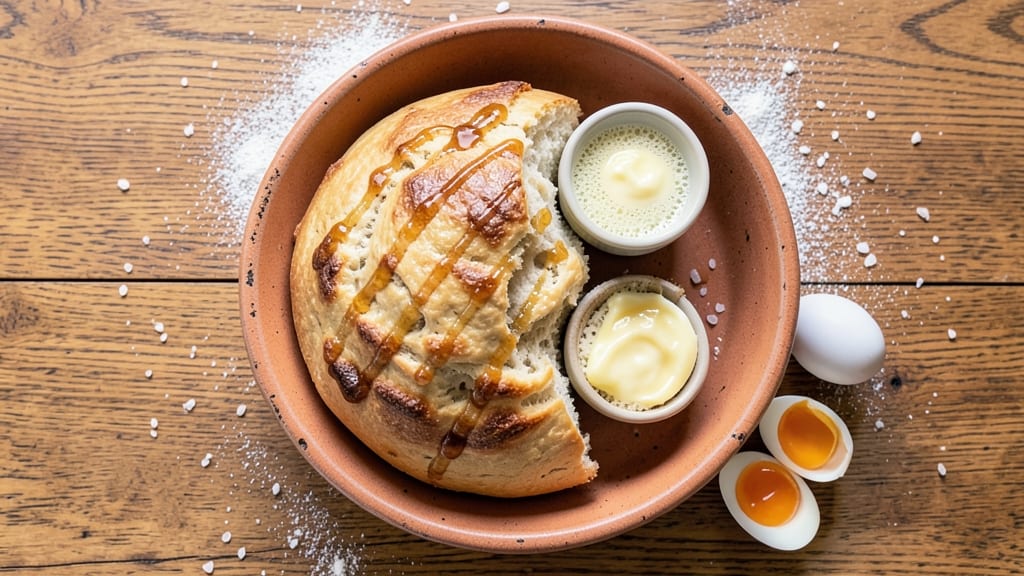
Agege bread recipe Sisi Jemimah brings the soulful flavors of West Africa to your kitchen with its signature crispy crust and tender, flaky swirls. This recipe captures the authenticity of street vendors in Lagos, where the aroma of freshly baked bread draws crowds. The secret lies in the dough's texture—hand-kneaded just enough to create those signature layers, then baked with precision for that perfect golden crust.
What sets this recipe apart is the traditional technique of shaping the dough into tight, spiral rolls before baking. The dough rests overnight for enhanced flavor, while the baking process ensures a crispy exterior that gives way to soft, pillowy interiors.
This method delivers restaurant-quality results at home, with every bite offering a satisfying contrast in texture.
Perfect for pairing with Nigerian stews or enjoying as a snack, this bread requires minimal ingredients but maximum attention to detail. The dough's elasticity and the baking temperature are critical for achieving that signature crispiness.
Once you try it, you'll understand why Sisi Jemimah is a beloved street food staple across West Africa.
Ready in about 2 hours (including resting time), this recipe is ideal for those who appreciate the art of baking. The process may seem labor-intensive, but the reward—a batch of golden, crispy Agege bread—is well worth the effort. Let's get started on creating this West African delight.
Ingredients for agege bread recipe sisi jemimah
Nine simple ingredients transform into crispy Agege bread with tender swirls.
| Ingredient | Amount | Notes |
|---|---|---|
| All-Purpose Flour 🌾 | 4 cups | Sifted for light texture |
| Active Dry Yeast 🍞 | ¼ oz | 1 packet, or 2 1/4 tsp |
| Granulated Sugar 🍚 | 1 tbsp | For yeast activation |
| Warm Water 💧 | 1 cup | 110-115°F for yeast |
| Unsalted Butter 🧈 | ½ cup | Softened, not melted |
| Large Eggs 🥚 | 1 whole | Room temperature |
| Salt 🧂 | 1 tsp | Fine sea salt preferred |
| Milk 🥛 | ¼ cup | Warm, enhances tenderness |
| Vegetable Oil 🫒 | 1 tbsp | For greasing bowl |
The flour is the foundation—King Arthur or Gold Medal are ideal for that signature elasticity. If your local store doesn't carry them, Bread flour works too, but all-purpose is fine in a pinch. The yeast? Fresh is better than instant—check the expiration date, and if it's past its prime, toss it. Warm water is critical: too hot kills yeast, too cold makes it sluggish. For the butter, Land O'Lakes or Plugrá melt beautifully, but any unsalted works. The milk adds richness, so don't skip it—even if you're not lactose intolerant, the warmth helps develop gluten.
No warm milk? Warm whole milk with 1 tsp sugar mimics the effect. Short on butter? Vegetable shortening at the same amount keeps the dough tender. The egg binds everything—if you're vegan, flax egg (1 tbsp ground flax + 3 tbsp water) works, but texture may vary slightly. For the dough's signature swirl, use a rolling pin to flatten the dough into a rectangle before cutting and rolling. The tighter the spiral, the more authentic the texture. If your dough feels too sticky, add 1 tbsp more flour gradually.
The dough must rest overnight—cover with a damp towel in the fridge to prevent drying. It keeps for up to 48 hours in the fridge, making it perfect for meal prep. For baking, preheat your oven to 425°F—a light-colored metal pan ensures even browning. If you can't bake immediately, freeze shaped dough balls for up to 3 months. Bake from frozen, adding 5-10 minutes to the time. The bread's crispiness peaks within 2 hours of baking, so enjoy it fresh!
Why You'll Love This Recipe
- No-Yeast Struggle: I’ve ruined more sourdough starters than I’ll admit—this recipe skips the guesswork. Just toss in yeast, let it sit, and boom, fluffy bread with that signature soft crumb. The sugar and butter in the dough create this subtle sweetness that makes it taste like a treat, even when it’s just toast.
- Butter Kiss Magic: That small pat of unsalted butter in the dough? It’s the secret weapon. It keeps the bread tender for days and gives it that rich, slightly nutty flavor that makes it way more interesting than basic white bread. Honestly, I’ll take this over store-bought any day—especially when it’s still warm.
- Breakfast-to-Dinner Star: This bread isn’t just for morning toast. Toast it for breakfast, tear it for sandwiches at lunch, or serve it with stews at dinner—it’s the ultimate blank canvas. I keep a loaf on hand all week because it’s that versatile. (Yes, even on a Tuesday night when I’m too tired to think.)
- Pantry-Proof Perfection: Three ingredients—flour, yeast, and butter—are all you really need. The sugar is optional, but if you’re using it, a little goes a long way. It’s cheap to make, lasts forever if stored right, and you can freeze slices for quick toast later. Between us, this is how I feed a household of hungry teens without breaking the bank.
Step-by-step instructions for Agege bread with Sisi Jemimah swirls
Master the art of this iconic West African bread with a perfectly crisp crust and tender, buttery swirls.
Activate the Yeast for Maximum Rise
In a small bowl, combine the 1 cup warm water and 1 tbsp granulated sugar. Sprinkle the 0.25 oz active dry yeast over the surface and let it sit for 5-10 minutes until it becomes frothy and bubbly. This activation step ensures your dough will rise properly and develop that signature airy texture.
I always check for bubbles by gently stirring the mixture—if it looks like a fizzy drink, your yeast is alive and ready. If nothing happens after 10 minutes, your yeast may be dead, and you'll need to start over with fresh yeast. This is the foundation of your bread, so don't rush this step.
Mix the Dough Until Smooth and Elastic
In a large mixing bowl, combine the 4 cups sifted all-purpose flour and 1 tsp salt. Make a well in the center and pour in the yeast mixture, 1 whole large egg, 0.5 cup softened unsalted butter, and 0.25 cup warm milk. Mix with a wooden spoon until a shaggy dough forms.
Once the dough comes together, turn it out onto a lightly floured surface and knead for 8-10 minutes until smooth and elastic. The dough should spring back slowly when poked—this is your signal that gluten has developed properly. If it feels sticky, add just enough flour to handle it, but avoid overdoing it or your bread will be dense.
Let the Dough Rise Until Doubled in Size
Lightly grease a large bowl with 1 tbsp vegetable oil, place the dough inside, and cover with a clean kitchen towel. Let it rise in a warm place for 1-2 hours or until it has doubled in size. This resting period allows the yeast to ferment and create those light, airy pockets we want in Agege bread.
I like to place my dough bowl on top of my oven with the light on (the light generates warmth) or near a warm spot in my kitchen. The ideal temperature for rising is around 75-80°F. Poke the dough gently—if it leaves a slow, clean indentation, it's ready for shaping. If it springs back quickly, give it more time.
Shape the Dough and Create the Signature Swirls
Punch down the risen dough to release air, then divide it into 4 equal portions. Roll each portion into a 12-inch log and set them aside. Take one log and make a 1-inch deep cut down the center, then twist the two sides together to create the classic Sisi Jemimah swirl. Repeat with the remaining logs.
Place each swirl seam-side down in a 9x13-inch greased baking pan, leaving about 1 inch between each loaf. Cover with a towel and let them rise for another 30-45 minutes until puffy. The swirls should maintain their shape but feel slightly springy to the touch. This second rise is crucial for that signature texture.
Bake Until Golden Brown with a Crisp Crust
Preheat your oven to 375°F. Bake the bread for 25-30 minutes until the tops are golden brown and the internal temperature reaches 190°F. The crust should be crisp enough to hold its shape when you press it gently, while the interior remains soft and fluffy.
I always check for doneness by tapping the bottom of the loaves—they should sound hollow when done. If the tops brown too quickly, tent the pan with foil to prevent over-browning. Let the bread cool in the pan for 10 minutes before transferring to a wire rack. This resting period ensures the swirls hold their shape and the crumb stays tender.
Pro Tips For Making Agege Bread Recipe Sisi Jemimah
- Proof Until Doubled: DESCRIPTION: Don’t rush the yeast—give it 1.5 to 2 hours in a warm spot (like the oven with the light on) until it’s puffy and nearly doubles. I learned this the hard way when my dough collapsed mid-bake because I skipped the wait. Trust the process, even if it means leaving it alone for a bit.
- Use Room-Temp Butter: DESCRIPTION: Softened butter (not melted) incorporates better into the dough, giving you that signature flaky texture. I used to melt it straight into the water, and the bread turned out dense. Take 10 minutes to let it sit out—your future self will notice the difference.
- Knead Just Enough: DESCRIPTION: Overworking the dough makes it tough. Stop when it springs back slowly (about 8-10 minutes by hand) and doesn’t stick to your fingers. I used to knead until my arms ached, and the bread ended up chewy instead of light. Less is more here.
- Shape Loosely, Not Tight: DESCRIPTION: Roll the dough into a loose log—don’t squeeze it too tight. The bread needs room to expand while baking, or it’ll crack open weirdly. I was skeptical until I tried it, and now I never go back. Think "squishy hug" for the dough.
Flavor customization for this agege bread recipe sisi jemimah
Sweet & Spicy Twist
Add 1 tsp ground ginger and ½ tsp cayenne pepper to the dough for a warm, slightly spicy kick. The ginger enhances the bread's natural sweetness while the cayenne adds a subtle heat that pairs perfectly with Nigerian stews.
For extra depth, mix 1 tbsp brown sugar into the butter before incorporating it into the dough. 🌶️
Herb-Infused Variations
Boost the dough with 1 tbsp chopped fresh thyme or rosemary for an earthy aroma. These herbs complement the buttery richness without overpowering the bread’s signature flavor.
For a brighter twist, add 1 tbsp lemon zest to the dough or brush the baked loaves with a mix of 1 tbsp melted butter and 1 tsp lemon juice after baking.
Cheesy or Savory Add-Ins
For a cheesy version, fold ½ cup shredded mozzarella or cheddar into the dough before shaping. The cheese melts beautifully during baking, creating pockets of gooey goodness.
For a savory twist, sprinkle 1 tbsp garlic powder into the flour mixture or add 1 tsp smoked paprika for a subtle smokiness that pairs well with spicy dishes.
Nutty or Seed Enhancements
Mix 2 tbsp chopped walnuts or pepitas (pumpkin seeds) into the dough for added crunch and texture. These nuts toast beautifully during baking, adding a delightful contrast to the soft interior.
For a more decadent touch, sprinkle 1 tbsp sesame seeds or crushed peanuts on top before baking for extra flavor and visual appeal.
Sweet Glaze Finish
Drizzle the baked bread with a simple glaze made from 2 tbsp powdered sugar mixed with 1 tbsp warm water or milk. For a richer option, melt 1 tbsp butter with 1 tbsp honey and brush it over the warm loaves.
This adds a subtle sweetness that balances the bread’s savory notes, making it perfect for breakfast or snacks. ✨
Nutrition facts
Frequently asked questions
Why does the dough need to rest overnight?
The overnight rest enhances flavor development and improves texture. This slow fermentation allows the yeast to break down sugars naturally, creating a deeper taste and more elastic dough. It also prevents the bread from becoming too dense. Cover the dough with a damp towel in the fridge for best results.
Can I make this bread without a stand mixer?
This recipe is designed for hand-kneading. Simply mix the ingredients, then knead the dough on a lightly floured surface for 8-10 minutes until smooth and elastic. The hand-kneading actually helps develop the gluten better for that signature crispy texture. Just be patient and work it thoroughly.
How do I get the perfect crispy crust?
The key is baking at 375°F with proper steam. Place a baking tray on the lower rack during preheating to create steam. Bake until the crust is golden brown and sounds hollow when tapped. For extra crispiness, brush the baked bread with melted butter while still warm.
Can I freeze the shaped dough before baking?
Yes, you can freeze the shaped swirls for up to 3 months. Place them in a freezer bag with parchment paper between each loaf. Bake from frozen, adding 5-10 extra minutes to the baking time. The texture will be slightly less crispy but still delicious when reheated in the oven.
What's the best way to store leftover Agege bread?
Store in an airtight container at room temperature for 2-3 days to maintain crispiness. For longer storage, freeze slices wrapped in plastic wrap for up to 1 month. To revive, warm in a 350°F oven for 5-7 minutes until crispy again.