
Side Dishes
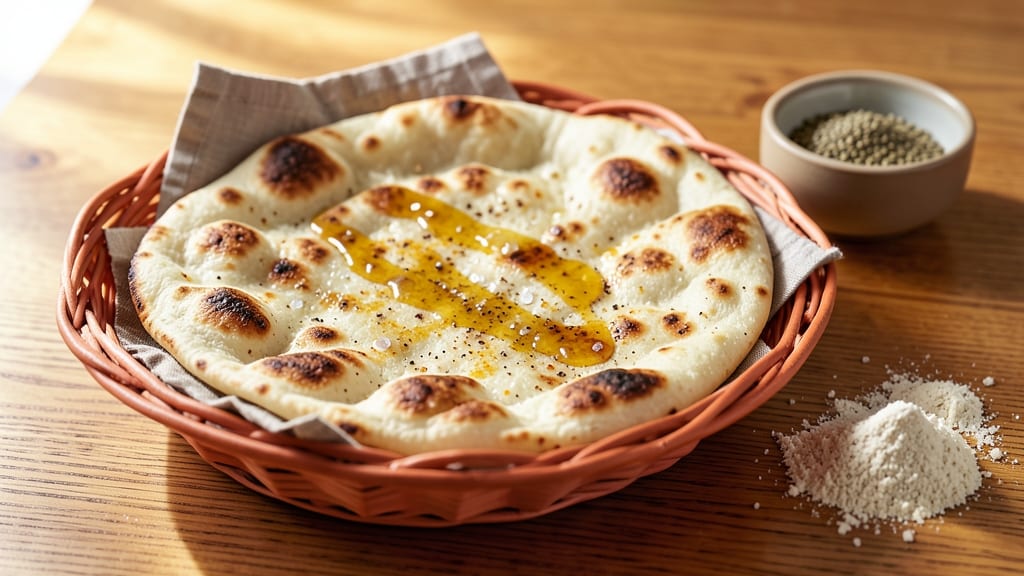
This AIP naan bread recipe transforms traditional flatbread into a dairy-free, grain-free masterpiece that still delivers that signature fluffy warmth. 🔥 The secret lies in almond flour and coconut oil, creating a tender, aromatic bread that pairs perfectly with AIP-compliant curries or soups.
No yeast or dairy means this version stays true to Autoimmune Protocol while delivering restaurant-quality texture.
What sets this recipe apart is the spiced warmth achieved through turmeric, cumin, and salt—classic naan flavors without the prohibited ingredients. The dough comes together in minutes with just 10 ingredients, and the shaping process is simple enough for beginners.
Whether you prefer the cast-iron skillet method for crispy edges or an oven-baked approach, the result is consistently fluffy and satisfying.
By the time you pull this bread from the heat, you'll have a golden, aromatic flatbread with a tender crumb and subtle spice notes that elevate any AIP meal. The absence of dairy or grains doesn't compromise flavor—instead, it highlights the natural richness of the almond base and warm spices.
This is comfort food reimagined for modern dietary needs.
Perfect for serving alongside AIP-friendly curries, stews, or even as a breakfast wrap with scrambled eggs (if eggs are tolerated). The recipe scales easily, so you can make a batch ahead and reheat for freshness.
Let's get started on this fluffy, compliant naan that proves AIP dining can still be indulgent.
Ingredients for aip naan bread
Ten carefully chosen ingredients transform traditional naan into a dairy-free, grain-free AIP masterpiece.
| Ingredient | Amount | Notes |
|---|---|---|
| Almond Flour 🌰 | 2 cups | Finely ground, unsweetened preferred |
| Coconut Oil 🥥 | ½ cup | Melted, full-fat preferred |
| Tapioca Flour 🌾 | ¼ cup | For elasticity and binding |
| Turmeric Powder 🌿 | 1 tsp | Freshly ground for vibrant color |
| Ground Cumin 🌿 | ½ tsp | Toasted for deeper aroma |
| Sea Salt 🧂 | 1 tsp | Fine grain preferred |
| Coconut Milk 🥥 | ¼ cup | Full-fat, canned for creaminess |
| Apple Cider Vinegar 🍏 | 1 tbsp | For slight tang and activation |
| Water 💧 | ½ cup | Room temperature preferred |
| Ghee-Free Butter Alternative 🧈 | 1 tbsp | Vegan coconut oil butter |
Almond flour is the cornerstone of this recipe—Bob's Red Mill brand is my go-to for its fine grind and consistent quality. The coconut oil must be full-fat; Virginias Harvest or Nutiva brands are excellent choices for their purity. Tapioca flour provides the elasticity that mimics traditional naan dough, so don't substitute with arrowroot. For the spices, Penzeys Spices offers organic turmeric and cumin that elevate the warm, aromatic profile without compromising AIP compliance. The coconut milk should be full-fat canned variety—Thai Kitchen is widely available and delivers the creaminess needed for that signature naan texture.
No coconut milk? Full-fat cashew cream works beautifully as a substitute, though it may alter the subtle coconut notes. Fresh turmeric can be used at half the amount, but the powdered form is more consistent. The apple cider vinegar is essential for activating the almond flour's binding properties—Bragg Organic is a reliable choice. For a richer flavor, consider adding 1/4 tsp of cardamom to the spice blend. The water should be room temperature to prevent the coconut oil from solidifying during mixing. If you're concerned about the vinegar's tang, reduce to 1.5 tbsp and add an extra 0.5 tbsp of water to maintain the proper dough consistency.
This dough keeps for 2 days in the fridge, wrapped tightly in parchment paper. For longer storage, portion into 1-inch thick discs and freeze between parchment sheets for up to 3 months. Thaw completely before cooking. The cooked naan reheats beautifully in a 350°F oven for 5-7 minutes—wrap in foil to maintain moisture. Store in an airtight container to prevent drying. For best results, cook immediately after shaping, but you can prep the dough ahead and shape when ready to cook.
Why You'll Love This Recipe
- No-Fuss Dough: I swear, this dough comes together in five minutes—just mix the almond flour, tapioca starch, and coconut oil until it holds. No kneading, no waiting, no stress. Honestly, the only thing I measure carefully is the turmeric, and that’s just to avoid turning my kitchen yellow.
- Warm, Earthy Magic: That golden turmeric and toasty cumin? It’s like a hug in bread form. The almond flour gives it a nutty depth, while the tapioca keeps it soft—no dry, sad naan here. (Yes, even on a Tuesday night.)
- Leftover Hero: Freeze half the batch right after baking—no weird texture when reheated. Toss them in a paper bag with a damp towel, microwave for 20 seconds, and they’re fresh again. My secret weapon for lazy mornings or last-minute guests.
- Budget-Friendly Staple: Almond flour might sound fancy, but it stretches further than regular dough, and coconut oil lasts forever. Plus, a single batch feeds four people—so it’s basically free if you’re feeding a crowd. (Between us, my wallet thanks me.)
Step-by-step instructions for AIP naan bread
This method delivers perfectly fluffy, dairy-free naan with a tender crumb and aromatic spices.
👨🍳 Step 1: Combine Wet Ingredients for Elastic Dough
In a medium bowl, whisk together the 0.5 cup melted coconut oil, 0.25 cup coconut milk, 1 tbsp apple cider vinegar, and 0.5 cup water until completely smooth. The vinegar activates the tapioca flour later, creating that signature naan elasticity. I like to warm the coconut milk slightly first—just enough to make it pourable—so it blends more easily with the oil.
Add the 1 tsp turmeric powder, 0.5 tsp ground cumin, and 1 tsp sea salt to the wet mixture, whisking until fully dissolved. The spices should disperse evenly—you'll see a vibrant golden hue from the turmeric. This is your flavor base, so take your time here to ensure no clumps remain. The aroma alone should make your kitchen smell like a spice market.
👨🍳 Step 2: Incorporate Dry Ingredients Gently
Gradually add the 2 cups almond flour and 0.25 cup tapioca flour to the wet mixture while stirring with a silicone spatula. Start with half the almond flour first to prevent a thick, gummy dough. You're aiming for a soft, pliable consistency—not sticky, but not dry either. If it feels too dry, add 1 tsp water at a time until it comes together when pressed between fingers.
This is where the tapioca flour earns its keep—it binds the dough without gluten, giving that signature naan chew. Once combined, cover the bowl with a damp towel and let rest for 10 minutes. This brief rest allows the flours to hydrate fully and the dough to relax slightly, making it easier to handle. I press the dough gently with my fingers during this time to check for even moisture distribution.
🔥 Step 3: Shape and Cook Individual Naans
Preheat your oven to 400°F and line a baking sheet with parchment paper. Divide the dough into 4 equal portions (about 4 oz each) and roll each into a ball. On a lightly floured surface, roll each ball into a 6-inch circle, about ¼-inch thick. The edges should be slightly thicker than the center—this prevents tearing when you stretch them later.
Place the rolled naans on the prepared baking sheet and brush the tops generously with the 1 tbsp ghee-free butter alternative. This isn't just for flavor—it creates that golden, caramelized crust we all crave. Bake for 8-10 minutes until the edges are light golden brown and the centers still feel slightly soft to the touch. They'll firm up as they cool.
🔥 Step 4: Finish with High Heat for Maximum Fluff
Transfer the naans to a wire rack and immediately place them under your broiler for 1-2 minutes, watching closely to prevent burning. You're looking for those signature blisters and spots of deeper color—this is where the naan gets its restaurant-quality texture. The high heat creates steam inside, which puffs the bread beautifully.
For the ultimate finish, wrap the hot naans in a clean kitchen towel for 5 minutes. This step might seem counterintuitive, but it traps steam and keeps the bread tender. Serve immediately with your favorite AIP curries or chutneys. Each bite should deliver a perfect balance of soft, pillowy interior and slightly crisp exterior, with warm cumin and turmeric notes that dance on your palate.
Pro Tips For Making Aip Naan Bread
- Use Warm Coconut Oil: Cold coconut oil won’t melt properly in the dough—it’ll leave you with a dry, crumbly mess. Microwave it for 10 seconds first, then let it cool slightly before mixing. The dough should hold together like wet sand, not a powdery disaster.
- Toast Your Almond Flour: I learned this the hard way—untosted almond flour soaks up all the moisture, making the dough stiff and the naan dense. Dry-toast it in a 350°F oven for 5 minutes, stirring often, until it smells nutty. It’ll make the texture light and fluffy.
- Skip Overmixing the Dough: The second you start kneading, the gluten forms, and your naan turns into a chewy brick. Mix just until the ingredients clump, then let it rest. Overworking it guarantees a tough, rubbery result—no amount of cooking fixes that.
- Cook on High Heat: Low heat = soggy naan. Crank your skillet or griddle to medium-high and let it scream hot before adding the dough. The edges should puff instantly—if they don’t, you’re not there yet. (Yes, even if you’re impatient like me.)
Common mistakes when making perfect results
Overmixing the Dough
One of the biggest mistakes is overmixing the dough once you add the almond and tapioca flours. Unlike traditional wheat-based naan dough, this AIP version relies on delicate binding from the tapioca flour. Overmixing develops a tough, rubbery texture instead of the tender crumb you want.
I stop mixing as soon as the dough comes together when pressed between fingers—usually after about 30-45 seconds of stirring. 🌰
Skipping the Rest Time
The 10-minute rest after mixing is non-negotiable for this recipe. Without it, the dough remains stiff and difficult to roll out evenly. During this time, the tapioca flour fully hydrates and the almond flour softens slightly.
I always press the dough gently with my fingers during this rest to check for even moisture distribution—this prevents dry spots that can lead to cracking during cooking.
Uneven Thickness When Rolling
Rolling the naans to an uneven thickness is a common issue that affects cooking results. The edges should be slightly thicker (¼-inch) than the center (⅛-inch) to prevent tearing when you stretch them later.
I use a rolling pin with gentle pressure, rotating the dough occasionally to maintain even thickness. If you notice tears while rolling, simply patch them with a bit of extra dough—don't force it through the roller.
Undercooking or Overcooking
Timing is everything with AIP naan. Undercooking leaves the center gummy, while overcooking dries out the edges. Aim for 8-10 minutes at 400°F until the edges are light golden brown but the centers still feel slightly soft to the touch.
They'll firm up as they cool. I always check with a toothpick—it should come out clean but the center should still feel slightly warm, not hot. 🔥
Missing the Broiler Step
The broiler finish is what transforms good naan into restaurant-quality naan. Skipping this step means missing out on those signature blisters and crisp spots that create the perfect texture contrast. Place the baked naans under the broiler for just 1-2 minutes, watching closely to prevent burning.
This high heat creates steam inside the bread, puffing it beautifully while developing a golden crust.
Using the Wrong Fat
Coconut oil is essential for both flavor and texture in this recipe. Using other oils like olive oil or vegetable oil can make the naan taste flat and the texture dense. The full-fat coconut oil provides the right balance of richness and moisture.
For the topping, the ghee-free butter alternative is crucial—it mimics the flavor and caramelization of traditional ghee without compromising AIP compliance. I always use Nutiva Organic Coconut Oil for the dough and a dedicated vegan butter for topping.
Nutrition facts
Frequently asked questions
Can I make this AIP naan without tapioca flour?
You can substitute ¼ cup arrowroot powder for the tapioca flour, but the texture will be slightly less elastic. Arrowroot provides similar binding properties but lacks the same chewiness. For best results, stick with tapioca flour—it's the secret to that signature naan texture without gluten. If you're avoiding both, try ½ cup more almond flour but expect a denser result.
How do I store leftover AIP naan?
Wrap cooled naan tightly in parchment paper and store in an airtight container for 2-3 days at room temperature. For longer storage, freeze individual naans between parchment sheets for up to 3 months. Reheat in a 350°F oven for 5-7 minutes wrapped in foil, or warm in a dry skillet over medium heat for 1-2 minutes per side. The towel-wrapping trick works best for reheating—it keeps them soft and fluffy.
Can I make this naan without coconut oil?
While coconut oil is ideal for flavor and texture, you can substitute avocado oil or ghee-free coconut butter in a 1:1 ratio. Avoid olive oil—it can make the naan taste bitter and dense. For a richer flavor, try 1 tbsp melted coconut butter mixed with the coconut oil. The fat choice significantly impacts both taste and texture, so experiment carefully.
Why does my AIP naan turn out dense?
Density usually comes from overmixing, insufficient rest time, or using the wrong fat. Mix only until the dough comes together (30-45 seconds), let it rest for the full 10 minutes, and use full-fat coconut oil. Another common issue is overworking the dough when rolling—keep pressure gentle and even. If your naan still feels dense, try adding 1 extra tbsp coconut milk to the dough for extra moisture.
Can I add herbs to this AIP naan?
Finely chop 1 tbsp fresh cilantro or parsley and mix it into the dough before shaping. For a stronger flavor, try ½ tsp dried oregano or thyme. Avoid fresh garlic or onion (not AIP-compliant), but powdered forms are fine. The herbs should be finely minced to distribute evenly—no large chunks! This adds a fresh, bright note that pairs beautifully with the warm spices.