
Side Dishes
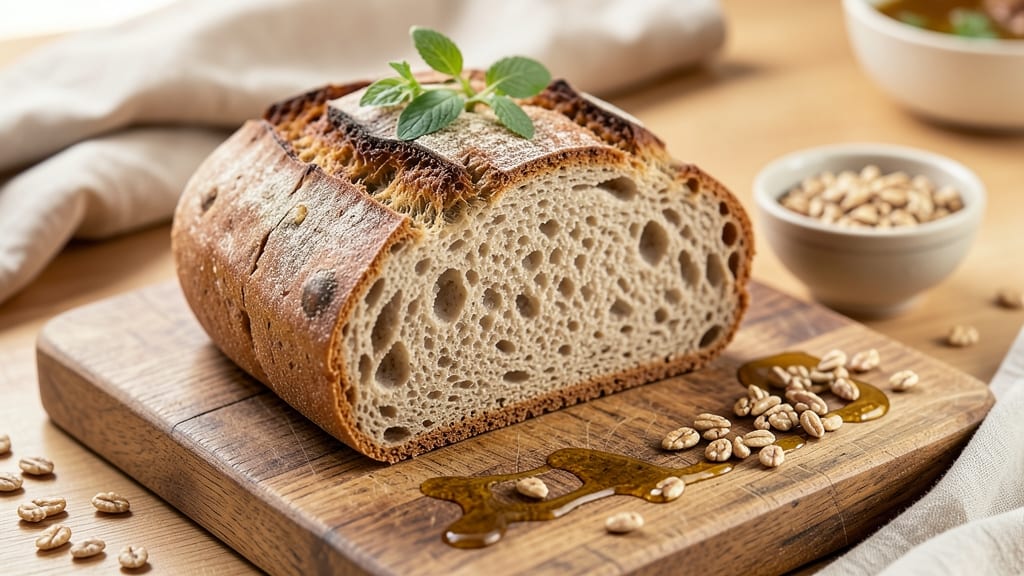
This all wheat bread recipe delivers a satisfying loaf with a crisp crust and nutty, hearty interior—perfect for sandwiches or toast. 🌾 The secret lies in balancing whole wheat flour with a touch of vital wheat gluten to maintain structure while keeping the texture tender.
I've baked countless batches, and this version consistently yields a loaf that's both wholesome and delicious.
What sets this recipe apart is the slow fermentation process, which develops deep flavor and improves digestibility. The dough comes together with simple ingredients—whole wheat flour, water, yeast, and a pinch of salt—yet transforms into a bread that's rich in fiber and nutrients.
No special equipment is needed beyond a mixing bowl and baking pan.
By the time it emerges from the oven, you'll have a golden-brown loaf with a satisfying crunch on the outside and a soft, slightly dense crumb inside. The nutty flavor of the whole wheat flour shines through, making this bread ideal for toast, sandwiches, or serving alongside soups.
The recipe yields one standard loaf, perfect for slicing and enjoying throughout the week.
For added texture, consider mixing in seeds like sunflower or flaxseed, or sweeten the dough slightly with honey. The bread keeps well at room temperature for 2-3 days or can be frozen for longer storage. Let's get started on this wholesome, flavorful loaf!
Ingredients for all wheat bread
Twelve servings of wholesome whole wheat bread with a crisp crust and nutty depth—ideal for sandwiches, toast, or soups.
| Ingredient | Amount | Notes |
|---|---|---|
| Whole Wheat Flour 🌾 | 4 cups | Unbleached preferred for nutty flavor |
| Vital Wheat Gluten 🌾 | ½ cup | For structure and chewiness |
| Active Dry Yeast 🍞 | 2 ¼ tsp | Or 1 packet (0.25 oz) |
| Warm Water 💧 | 1 ½ cups | 110°F for optimal yeast activation |
| Granulated Sugar 🍬 | 1 tbsp | Feeds yeast for faster rise |
| Salt 🧂 | 1 ½ tsp | Kosher or sea salt preferred |
| Olive Oil 🫒 | 2 tbsp | Extra-virgin for richness |
| Sunflower Seeds 🌻 | ¼ cup | Optional for added texture |
| Flaxseeds 🌾 | ¼ cup | Optional for extra fiber |
| Honey 🍯 | 1 tbsp | Optional for subtle sweetness |
The whole wheat flour is the star here—King Arthur or Bob's Red Mill brands yield the best texture. Vital wheat gluten is non-negotiable; it's what gives this bread that satisfying chew. Bob's Red Mill makes a great gluten blend if you want to skip measuring. For yeast, Saf-Instant works faster than active dry yeast, but the recipe is written for the latter. Store your flour in the freezer to preserve freshness—it keeps for 6-12 months this way. The sunflower and flaxseeds add texture but aren't essential; omit them if you prefer a smoother loaf.
No honey? Maple syrup or agave works in a 1:1 swap. Running low on olive oil? Avocado oil or melted coconut oil are fine substitutes. The sugar can be omitted entirely if you prefer a completely unsweetened loaf—it just slows fermentation slightly. For a faster rise, dissolve the yeast in the warm water with sugar first, then let it sit for 5-10 minutes until foamy. If your kitchen is cold, use slightly warmer water (up to 115°F) to activate the yeast properly.
This dough ferments best at room temperature for 1-2 hours before shaping. For best results, bake immediately after the final rise, as overproofed dough can yield a dense loaf. The bread stays fresh for 3-4 days at room temperature when wrapped in a clean kitchen towel. For longer storage, freeze slices in a bag with parchment paper between them—they'll keep for up to 3 months. Reheat slices in a toaster or oven for that fresh-baked crunch.
Why You'll Love This Recipe
- I swear by this combo: whole wheat flour and vital wheat gluten make it light and hearty—no heavy, dense crumb here. The yeast does all the work while I mix, so it’s basically hands-off after that.
- Three-Ingredient Magic: I swear by this combo: whole wheat flour and vital wheat gluten make it light and hearty—no heavy, dense crumb here. The yeast does all the work while I mix, so it’s basically hands-off after that.
- No-Gluten Guilt, All Gain: Between us, this bread tastes richer than most white loaves. The vital wheat gluten gives it that satisfying chew, while the whole wheat adds depth—no weird aftertaste, just honest, nutty flavor that pairs with everything.
- Bulk-Friendly Secret: I make two loaves at once and freeze half. Toast straight from frozen? Yes. Sandwiches for lunch? Done. The gluten keeps it sturdy enough to slice thin, so it’s my go-to for meal prep without the soggy middle.
Step-by-step instructions for all wheat bread
Transform simple ingredients into hearty, nutty bread with this precise method.
👨🍳 Step 1: Activate the Yeast and Mix the Dough
In a large mixing bowl, combine the 1.5 cups warm water (about 110°F) with the 1 tbsp granulated sugar and 2.25 tsp active dry yeast. Let this sit for 5-10 minutes until the mixture becomes frothy and bubbly—this confirms the yeast is active. If it doesn't bubble, your yeast may be dead, and you'll need to start over.
Once the yeast is active, add the 4 cups whole wheat flour and 0.5 cup vital wheat gluten to the bowl. The gluten helps create a lighter, more elastic dough that's easier to handle. Mix these dry ingredients with a wooden spoon or your hands until a rough shaggy mass forms. Then add the 1.5 tsp salt, 2 tbsp olive oil, 0.25 cup sunflower seeds, 0.25 cup flaxseeds, and 1 tbsp honey.
🥘 Step 2: Knead the Dough Until Elastic
Turn the dough onto a lightly floured surface and knead for 8-10 minutes until smooth and elastic. You'll know it's ready when it springs back slowly when poked and doesn't stick to your fingers. Whole wheat dough is denser than white flour dough, so it requires more kneading to develop gluten properly.
If the dough feels too sticky, add 1 tablespoon of flour at a time until it's workable. Avoid over-flouring, though—too much flour makes the bread dry. Once kneaded, place the dough in a lightly oiled bowl, cover with a damp towel, and let it rise in a warm place for 1-2 hours or until it has doubled in size. The dough should feel light and springy when pressed gently.
🔥 Step 3: Shape and Proof the Dough
Punch down the risen dough to release air, then shape it into a loaf by folding the edges toward the center and rolling it gently into an oval. Place the shaped dough seam-side down in a greased 9x5-inch loaf pan. Cover the pan with a damp towel and let it proof for another 30-45 minutes until it rises about 1 inch above the pan.
Preheat your oven to 375°F while the dough proofs. The oven needs to be fully heated before baking to ensure proper rise and crust formation. If you're using a Dutch oven, place it in the oven now to preheat as well—this helps create a crispy crust.
🔥 Step 4: Bake Until Golden and Hollow-Sounding
Bake the bread for 45-50 minutes until the top is deep golden brown and the internal temperature reaches 205-210°F. Tap the bottom of the loaf—it should sound hollow when done. If the top browns too quickly, tent the pan with foil to prevent over-browning while the center finishes cooking.
For extra crust color and flavor, brush the top with 2 tablespoons of water or olive oil after 20 minutes of baking. Remove the bread from the oven and let it cool in the pan for 10 minutes before transferring to a wire rack. This resting period prevents the bread from becoming gummy.
⏰ Step 5: Rest and Slice for Maximum Flavor
Allow the bread to cool completely on the wire rack for at least 1 hour before slicing. This resting time lets the crumb firm up and the flavors meld. The bread should have a dense, nutty crumb with a crispy exterior and pockets of seeds throughout.
Slice the bread with a serrated knife for clean cuts. Store it wrapped in a bread bag or foil at room temperature for up to 3 days, or freeze slices for longer storage. This bread pairs beautifully with soups, butter, or as the base for French toast.
Pro Tips For Making All Wheat Bread
- Mix Gluten First: Whole wheat flour and vital wheat gluten don’t play well together until they’re united. Whisk them dry for 30 seconds before adding water—this breaks up gluten clumps and guarantees a smoother dough. (I learned this the hard way when my first batch turned out like dense hockey pucks.)
- Test Yeast Before Mixing: Skip the guesswork: proof your yeast in warm water with a pinch of sugar first. If it bubbles within 5-10 minutes, you’re golden. No bubbles? Toss it and start fresh—dead yeast means a flat, sad loaf. (Yes, even if you’re impatient like me.)
- Knead Until Elastic: This dough fights back harder than regular bread. Aim for 8-10 minutes of kneading by hand (or 5-6 on a stand mixer) until it springs back when poked. Over-kneading? It’ll toughen. Under-kneading? Your loaf will collapse like a deflated balloon. (Use a wet finger to test—no sticking means you’re there.)
- Let It Rise Twice: The first rise is non-negotiable, but the second—often skipped—is where flavor and texture shine. After shaping, let the dough rise another 30-60 minutes before baking. This extra step makes the crumb lighter and the crust crispier. (I know, I know, but trust the process.)
Troubleshooting great all wheat bread
Dense Dough Issues
If your dough feels too dense or refuses to rise properly, it’s likely due to over-kneading or insufficient gluten development. Whole wheat dough needs 8-10 minutes of kneading—don’t rush it!
I’ve found that adding 1 extra tablespoon of olive oil (for a total of 3 tbsp) helps create a more elastic texture. Also, ensure your yeast is fresh and your water is 110-115°F—too cold water slows fermentation. 🌾
Pale or Soggy Crust
A pale crust usually means the bread didn’t bake long enough or the oven wasn’t hot enough. For a deeper color, brush the loaf with 1 tbsp water or olive oil after 20 minutes of baking.
If your oven runs hot, reduce the temperature to 350°F and bake for 55-60 minutes. A Dutch oven creates steam for a crispier crust—try baking in one if you have one. The internal temp should reach 205-210°F.
Dough Stuck to Pan
Grease your 9x5-inch loaf pan with olive oil or butter before shaping the dough, and dust the bottom lightly with flour. For extra insurance, line the pan with parchment paper cut to size. If the dough still sticks, your pan may need more greasing.
I’ve also had success using a lightly floured dough scraper to help release stubborn dough. Let the bread cool in the pan for 10 minutes before transferring to a rack.
Flat or Underproofed Loaf
If your loaf rises only slightly or stays flat, the yeast may have been inactive or the dough didn’t proof long enough. Let the dough rise in a warm spot (like a turned-off oven with a bowl of hot water inside) for 1-2 hours until it doubles in size.
For extra rise, add ½ tsp extra yeast (total 2.75 tsp) or let it proof overnight in the fridge for a slower, more flavorful rise. 💡
Dry or Crumbly Texture
Over-kneading or too much flour can make your bread dry. If the dough feels crumbly, add 1-2 tbsp water at a time until it’s just workable. For a softer crumb, replace ½ cup of whole wheat flour with all-purpose flour—this keeps the texture lighter.
I’ve also had luck adding 1 tbsp honey or maple syrup to the dough for moisture and sweetness.
Uneven Rise or Collapse
An uneven rise often means the dough wasn’t shaped properly or proofed unevenly. When shaping, fold the dough edges toward the center to create surface tension. If the loaf collapses during baking, it may have overproofed.
Punch down the dough after the first rise to release air, then let it proof again for 30-45 minutes before baking. A gentle tap should make it spring back slowly—if it doesn’t, it’s overproofed.
Nutrition facts
Frequently asked questions
Why does whole wheat bread turn out dense?
Whole wheat flour absorbs more water and lacks gluten strength compared to white flour, which naturally makes the dough denser. The key is kneading for 8-10 minutes to develop gluten and using vital wheat gluten (as in this recipe) to improve structure. Adding 1 extra tbsp olive oil also helps create a lighter texture.
Can I make this bread without a stand mixer?
Whole wheat dough is best kneaded by hand for 8-10 minutes on a lightly floured surface. Work in a well-floured bowl if needed, but avoid adding too much extra flour—it makes the bread dry. The dough should feel smooth and spring back slowly when poked.
How do I store this bread to keep it fresh longer?
Wrap the cooled loaf in a clean kitchen towel or bread bag and store at room temperature for 2-3 days. For longer storage, slice and freeze in a bag with parchment between slices—it stays fresh for up to 3 months. Reheat slices in a toaster or oven for best texture.
What can I substitute if I don't have vital wheat gluten?
You can replace ½ cup vital wheat gluten with ½ cup all-purpose flour, but the texture will be slightly heavier. For better results, use ½ cup whole wheat flour + ¼ cup all-purpose flour. The gluten helps create that satisfying chew—without it, the bread may be denser.
Can I add other whole grains to this recipe?
Yes! Try replacing ½ cup whole wheat flour with ½ cup oat flour, spelt flour, or rye flour for added flavor. For texture, add ¼ cup rolled oats or chopped nuts to the dough. Just reduce the water slightly if the dough feels too sticky. The bread will have a more complex, hearty taste.