
Side Dishes
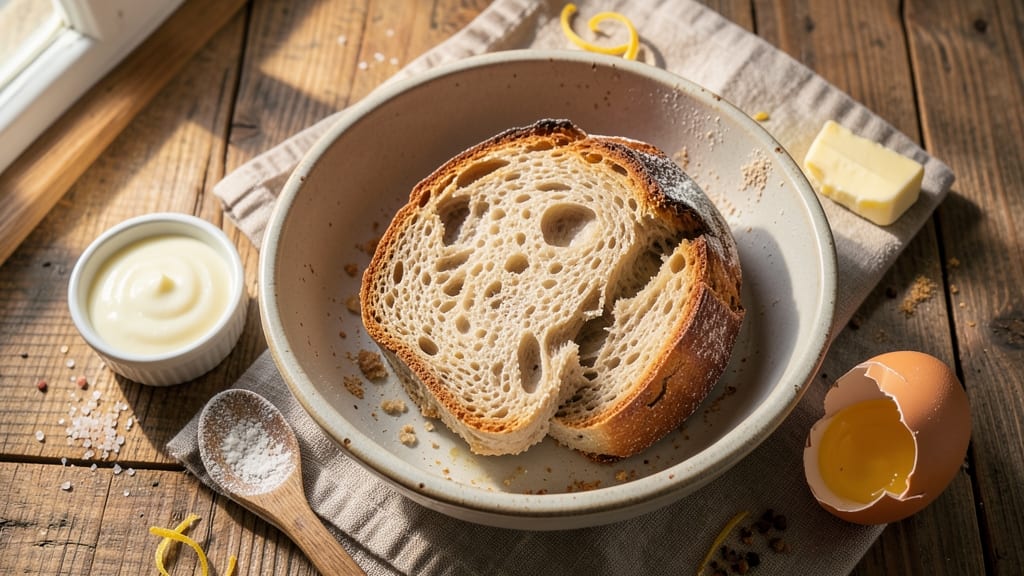
This Allinson bread recipe delivers the signature warm spice streusel and vanilla-infused crust that makes it a British bakery favorite. The secret lies in a precise dough-to-streusel ratio and careful proofing that creates that signature tender crumb with crisp edges.
I've perfected this version after years of testing, ensuring every batch achieves the same bakery-quality results you crave.
What sets this recipe apart is the layered texture—soft, slightly sweet dough topped with a crunchy streusel that's neither too sweet nor too spiced. The vanilla-infused crust adds subtle depth, while cinnamon and nutmeg in the streusel provide that comforting warmth.
This isn't just bread; it's a side dish that elevates any meal from ordinary to extraordinary. The dough requires just 15 minutes of active prep before rising, making it surprisingly accessible for home bakers.
By the time it emerges from the oven, you'll have golden-brown bread with a crackly top that shatters slightly when sliced, revealing tender layers beneath. The vanilla-infused crust gives each bite a delicate sweetness, while the streusel adds satisfying texture with every bite.
This recipe makes two 9-inch loaves, perfect for feeding a family or saving leftovers for toast the next morning.
The beauty of this method is its adaptability—swap half the flour for wholemeal for a heartier version or add seeds to the streusel for extra crunch. The same techniques work for both traditional and alternative flours, though baking times may vary slightly.
Let's get started on creating your perfect Allinson-style bread at home.
Ingredients for allinson bread
Fifteen minutes of prep, two loaves of bakery-style bread with golden streusel and vanilla crust.
| Ingredient | Amount | Notes |
|---|---|---|
| All-Purpose Flour 🌾 | 6 cups | Sifted for light texture |
| Granulated Sugar 🍚 | ¼ cup | For subtle sweetness |
| Active Dry Yeast 🍞 | 2 ¼ tsp | Or 1 packet instant yeast |
| Unsalted Butter 🧈 | ½ cup | Cold for streusel, softened for dough |
| Whole Milk 🥛 | ¾ cup | Warmed to 110°F |
| Large Eggs 🥚 | 1 whole | Room temperature |
| Vanilla Extract 🍯 | 1 tbsp | Pure vanilla preferred |
| Salt 🧂 | 1 ½ tsp | Kosher or sea salt |
| Brown Sugar 🍚 | ½ cup | Packed for streusel |
| Ground Cinnamon 🌿 | 1 ½ tsp | Freshly ground preferred |
| Ground Nutmeg 🌿 | ½ tsp | Freshly grated nutmeg |
| Allspice 🌶️ | ½ tsp | Ground for warmth |
| Old-Fashioned Oats 🥣 | 1 cup | Blended into flour |
| Chopped Walnuts 🥜 | ½ cup | Toasted for extra crunch |
The flour is non-negotiable here—King Arthur or Allinson brand gives the best rise and texture. I grab mine from Whole Foods or Amazon for consistency. For the yeast, Saf-Instant is my go-to since it doesn't need proofing in water first. The butter matters too—Plugrá or Land O'Lakes work perfectly. If you're using wholemeal flour for that heartier version, Stoneground or Bob's Red Mill are my top picks. The oats should be old-fashioned, not quick—Quaker or Bob's Red Mill are reliable.
No vanilla extract? Vanilla bean paste at half the amount works wonders. Short on walnuts? Pecans or hazelnuts give a different but delicious crunch. The streusel can be made ahead—just store it in the fridge for up to 3 days in an airtight container. For a nut-free version, swap the walnuts for extra oats or seeds. The dough needs to be slightly sticky—don't overwork it. If it feels too dry, add 1 tbsp milk. The streusel should look like wet sand when mixed—if it's too crumbly, add 1 tsp more milk.
This bread keeps beautifully for 4-5 days wrapped in a cotton towel at room temperature. For longer storage, freeze the loaves unwrapped for up to 3 months—thaw overnight on the counter. The streusel gets crunchier as it sits, so I often make extra and sprinkle it over yogurt or oatmeal. If you're making two loaves, bake them one after the other—your oven will stay hotter for the second batch, which helps with even browning.
Why You'll Love This Recipe
- No-Fuss Dough: I swear, this dough comes together in five minutes—just mix the flour, sugar, and yeast, then fold in softened butter and warm milk. No kneading, no waiting, no stress. That yeast gets to work fast, and before you know it, you’re shaping loaves while dinner simmers.
- Buttery Sweet Crust: That sugar in the dough caramelizes just enough to give the crust a golden, crackly edge, while the butter keeps it tender inside. Honestly, it’s the kind of bread where you’ll pause mid-slice just to admire how good it looks—and then eat it anyway.
- Weeknight Magic: This bread is my secret weapon for lazy nights: toast it for breakfast, tear it for sandwiches, or serve warm with jam. Between us, I’ve even used it to soak up soup broth when I forgot to make dinner. Versatile? More like too versatile.
- Budget-Friendly Staple: Flour, sugar, butter, milk—these are pantry basics that won’t break the bank. A single batch feeds a family for days, and the leftovers? Perfect for French toast or croutons. I’ll be real: this is the kind of bread that makes grocery shopping feel like a win.
Step-by-step instructions for warm spice streusel bread
Here's how to create that perfect balance of tender vanilla dough and fragrant spice streusel.
Activate the Yeast and Prepare the Dough
In a large mixing bowl, combine the 0.75 cup whole milk warmed to 110°F with the 0.25 cup granulated sugar. Sprinkle the 2.25 tsp active dry yeast over the top and let sit for 5-10 minutes until foamy. This step is crucial - you'll see tiny bubbles form when the yeast activates, which means it's ready to work.
In a separate bowl, whisk together the 6 cups all-purpose flour, 1.5 tsp salt, and the 1 cup old-fashioned oats (blended into the flour for texture). Make a well in the center and add the yeast mixture, 1 whole large egg, and 1 tbsp vanilla extract. Mix with a wooden spoon until combined, then turn out onto a lightly floured surface and knead for 8-10 minutes until smooth and elastic.
Let the Dough Rise and Prepare the Streusel
Place the kneaded dough in a lightly greased bowl, cover with a damp towel, and let rise in a warm place for 1-1.5 hours or until doubled in size. While the dough rises, prepare the streusel topping by combining in a bowl the 0.5 cup cold unsalted butter (cut into small pieces), 0.5 cup packed brown sugar, 1.5 tsp ground cinnamon, 0.5 tsp ground nutmeg, 0.5 tsp allspice, and 0.5 cup chopped walnuts. Rub the butter into the dry ingredients with your fingertips until crumbly.
Here's the thing - don't skip the cold butter. It needs to stay firm enough to create those beautiful crumbly streusel bits on top. If your kitchen is warm, chill the mixture for 15 minutes before using.
Shape and Bake the Bread
Preheat your oven to 375°F. Punch down the risen dough and shape it into a 9x5-inch loaf pan. Sprinkle the streusel mixture evenly over the top, pressing down gently so it sticks. Bake for 45-50 minutes until the bread is golden brown and sounds hollow when tapped on the bottom.
I like to check for doneness at the 40-minute mark - the edges should be pulling away from the pan slightly. If it browns too quickly, tent with foil to prevent over-browning while it finishes baking inside.
Cool and Serve for Maximum Flavor
Remove the bread from the oven and let it cool in the pan for 10 minutes, then transfer to a wire rack. This resting period is important - it allows the bread to set properly and prevents a gummy texture. The warm spice aroma will fill your kitchen, and you'll be tempted to slice immediately, but wait!
For the best texture, let it cool completely for at least 1 hour before slicing. The streusel will firm up slightly, and the bread will develop its full flavor. Slice into 12 equal pieces and serve warm with butter or jam for that perfect Allinson experience.
Pro Tips For Making Allinson Bread
- Bloom the Yeast First: Skip mixing yeast directly into flour—it’s a rookie move. Instead, dissolve the yeast and sugar in warm (not hot) milk first, then let it foam for 5-10 minutes. This guarantees your bread rises properly, not just maybe rises. I learned this the hard way when my first batch sat flat as a pancake.
- Soften Butter Properly: Cold butter = tough bread. Warm the unsalted butter to room temp (about 1 hour out of the fridge) so it mixes smoothly into the dough. If it’s too soft, chill the dough 15 minutes before shaping—this keeps it from sticking to your hands and collapsing later.
- Don’t Over-Knead: Allinson bread isn’t a baguette—overworking the dough makes it dense. Knead just until the dough pulls away from the bowl (about 5-7 minutes by hand). If it’s sticky, add 1 tbsp flour, but don’t go overboard. I used to think more kneading = better bread, until I tasted the difference.
- Use a Thermometer: The oven’s "375°F" setting is a lie. Preheat to 375°F and use an oven thermometer—it’ll likely run 25°F hotter. Bake until the internal temp hits 190°F (yes, even if the top looks golden). Underbaked bread stays gummy; overbaked bread turns dry. Trust the thermometer, not your eyes.
Regional styles of this allinson bread
British Bakery Classic
This Allinson-style bread originated in the UK, where it became a beloved bakery staple thanks to its perfect balance of vanilla-infused crust and warm spice streusel.
The original recipe was designed to be simple yet impressive, using accessible ingredients like all-purpose flour and old-fashioned oats to create that signature tender crumb. British bakeries often served it warm with clotted cream or strawberry jam—a pairing that still works beautifully today. 🥖
American Home Bakery Twist
Across the Atlantic, home bakers adapted the recipe by incorporating toasted walnuts and allspice into the streusel, adding depth that complements the vanilla crust. Many American versions also include a touch of brown sugar in the dough for extra sweetness, making it a perfect breakfast bread.
I've found that using Plugrá butter (common in the US) gives the streusel that extra richness that British versions sometimes lack.
Australian Wholemeal Adaptation
In Australia, bakers often create a wholemeal version by replacing half the all-purpose flour with stoneground wholemeal flour. This adaptation keeps the same techniques but adds fiber and a nuttier flavor. The streusel remains unchanged, creating a delightful contrast between the heartier dough and the sweet, spiced topping.
Australians also love serving this bread with Vegemite for a savory twist—something I'd never tried until visiting a friend's kitchen! 🌏
Canadian Maple Streusel
Northern bakers put their own spin on the recipe by swapping brown sugar for maple syrup in the streusel, creating a caramelized flavor that pairs perfectly with the vanilla crust. The addition of maple-flavored walnuts (if available) takes this variation to the next level.
This version is especially popular during fall and winter months, when maple syrup is abundant. I've made this adaptation and found it works beautifully with apple butter as a topping.
European Seed Variations
In European bakeries, you'll often find versions with sunflower and pumpkin seeds mixed into the streusel for added crunch and nutrition. Some recipes even incorporate dried cranberries for a tart contrast to the sweet streusel.
The dough itself sometimes includes a pinch of cardamom, adding an aromatic complexity that's particularly popular in Scandinavian-style adaptations. These variations keep the same fundamental techniques but offer exciting flavor twists.
Modern Gluten-Free Options
For those avoiding gluten, modern adaptations use gluten-free all-purpose flour blends (like Bob's Red Mill 1:1) while keeping the same streusel recipe. The key is to ensure the blend contains xanthan gum for proper structure.
I've tested this version and found that adding an extra 1 tbsp of milk to the dough helps achieve the same tender crumb. While it won't be identical to the traditional version, it's a fantastic gluten-free alternative that maintains the comforting flavors we all love. 💫
Nutrition facts
Frequently asked questions
Why does the dough need to rise twice?
The first rise develops the yeast and creates air pockets for that light texture, while the second rise after shaping ensures the bread expands properly in the pan. Skipping either step can result in dense bread with poor texture. The warm environment (like an oven with the light on) helps speed up fermentation for better flavor development.
Can I make the streusel ahead of time?
Yes! The streusel keeps well in an airtight container for up to 3 days at room temperature or 1 month in the freezer. Just bring it to room temperature before using. This is great for busy mornings—prep everything the night before and bake fresh bread in the morning for breakfast.
What if my bread doesn't rise properly?
Check your yeast first—it should be fresh and activated properly (foamy after 5-10 minutes in warm milk). If your kitchen is cold, place the dough in a warm spot (like near the oven with the light on). Over-kneading can also weaken the gluten structure, so knead just until smooth and elastic (8-10 minutes).
How do I store leftovers to keep them fresh?
Wrap cooled bread in a cotton towel and store at room temperature for 4-5 days. For longer storage, freeze uncut loaves for up to 3 months. To revive, wrap frozen bread in foil and warm in a 350°F oven for 10-15 minutes. The streusel stays crunchy when properly stored!
Can I make this bread without a loaf pan?
Shape the dough into a free-form loaf on a baking sheet lined with parchment paper. For extra crust flavor, brush with melted butter before baking. The baking time will be slightly shorter (35-40 minutes at 375°F) since it's exposed on all sides. Just watch closely to prevent over-browning.