
Main Courses
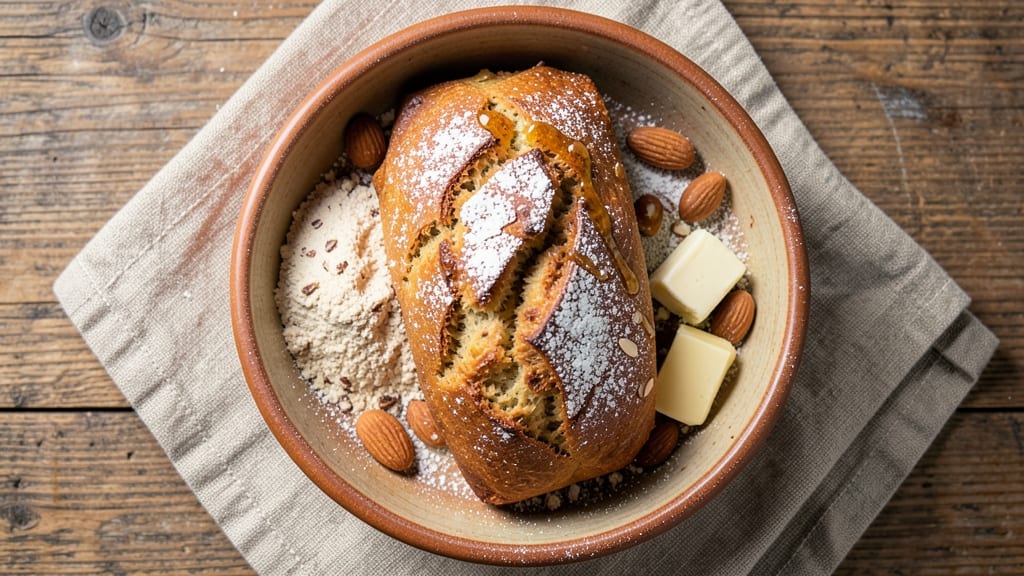
This almond bread recipe with yeast delivers a perfect balance of nutty richness and golden, crispy crust that makes every slice worth savoring. The secret lies in the yeast’s gentle lift, which creates a tender crumb while the almonds add texture and depth—no artificial flavors or shortcuts.
I’ve baked this loaf countless times, and it’s become a staple in my kitchen, whether served fresh or toasted with butter.
The process is straightforward but requires patience: kneading develops gluten for structure, proofing lets the yeast work its magic, and baking at the right temperature ensures a crusty crown without a dry interior.
Almond flour contributes a delicate nuttiness, while a touch of honey balances the richness. This recipe is vegetarian-friendly, and with a few simple swaps, it can even be adapted for vegan diets.
What you’ll end up with is a fragrant, golden-brown loaf with a crackly top and moist interior, studded with almonds that add both crunch and flavor. The aroma alone will have everyone gathering around the table, and the taste—sweet, nutty, and perfectly balanced—makes it a showstopper.
Whether you’re baking for breakfast, a snack, or a special occasion, this almond bread delivers every time.
For those who love variations, try adding citrus zest for brightness or swapping in hazelnuts for a different nutty profile. The recipe scales easily, too, so you can bake one loaf or double the batch for sharing. Let’s get started on creating your perfect almond bread.
Ingredients for almond bread recipe with yeast
Fourteen ingredients for a loaf that’s nutty, fragrant, and perfect every time.
| Ingredient | Amount | Notes |
|---|---|---|
| All-Purpose Flour 🌾 | 2 ½ cups | For structure and texture |
| Almond Flour 🥜 | 1 ½ cups | Finely ground for smooth texture |
| Active Dry Yeast 🍞 | 1 tbsp | Or 2.25g, ensure fresh |
| Granulated Sugar 🍚 | ¼ cup | Balances sweetness |
| Honey 🍯 | ¼ cup | Liquid honey for moisture |
| Unsalted Butter 🧈 | ½ cup | Cold and cubed |
| Large Eggs 🥚 | 2 whole | Room temperature |
| Whole Milk 🥛 | ½ cup | Warmed for yeast activation |
| Salt 🧂 | 1 tsp | Diamond Crystal preferred |
| Vanilla Extract 🌿 | 1 tsp | Pure extract for flavor |
| Sliced Almonds 🥜 | ½ cup | Toasted for extra crunch |
| Poppy Seeds 🌻 | 1 tbsp | Optional for garnish |
Almond flour is the star here, so buy the finest grind—the kind labeled for baking, not just almond meal. Bob’s Red Mill or Anthony’s Goods are my go-tos, but any reputable brand works. The yeast needs to be fresh, so check the date on the package—if it’s been sitting in your pantry for months, grab a new packet. For the almonds, Trader Joe’s has the best toasted slices at a great price, but any sliced almonds will do. Toast them yourself for 5 minutes in a dry pan for extra flavor. The butter should be cold when you mix it in—this keeps the dough from getting too soft.
No almond flour? Substitute with 1 cup extra all-purpose flour plus 1/2 cup ground walnuts for a similar texture. Out of honey? Maple syrup works in a pinch, but reduce by 1 tablespoon to account for extra moisture. The vanilla extract can be swapped for vanilla bean paste if you’re feeling fancy, though pure extract is more accessible. For a vegan version, replace the eggs with 2 flax eggs (2 tbsp ground flaxseed + 6 tbsp water) and use plant-based butter. If you’re short on sliced almonds, chopped walnuts or pecans add a nice twist. The poppy seeds are totally optional, but they add a pretty crunch on top—skip them if you’re not a fan.
This dough keeps well in the fridge for up to 2 days, covered tightly. For longer storage, shape the loaf and freeze it on a tray before wrapping—it’ll keep for 3 months. When you’re ready to bake, just thaw it at room temperature for an hour. The bread reheats beautifully wrapped in foil at 350°F for 10 minutes. I like to slice it fresh and serve it warm with a smear of butter—trust me, the aroma alone is worth the wait.
Why You'll Love This Recipe
- No Yeast Drama: I swear by this recipe because the yeast mix is foolproof—just toss it with warm honey and a pinch of sugar, let it sit for 10 minutes, and it’s ready. No fussy proofing, no waiting for magic to happen.
- Rich Without the Guilt: That almond flour gives it a buttery, moist crumb, but the honey keeps it from tasting heavy. It’s like a dessert bread that won’t make you dread your next workout—promise.
- Breakfast, Snack, or Dessert: Slice it thick for French toast, toast it thin for a quick snack, or serve it warm with jam for a lazy Sunday. The yeast keeps it fresh for days, so it’s always on hand for whatever craving hits.
- Budget-Friendly Luxury: Almond flour can feel fancy, but mixing it with all-purpose keeps costs down while still delivering that nutty depth. Plus, one loaf lasts me a week—no sad, stale bread here.
Step-by-step instructions for almond bread with yeast
Here's how to create a tender crumb with nutty richness and a golden, crackly crust.
Activate the Yeast and Prepare Wet Ingredients
In a small bowl, combine the 0.5 cup warmed whole milk with the 0.25 cup granulated sugar and 1 tbsp active dry yeast. Let it sit for 5-10 minutes until frothy—this confirms your yeast is alive and ready to work. You'll see bubbles forming and the mixture expanding slightly.
While waiting, melt the 0.5 cup unsalted butter in a small saucepan over low heat until just melted but not browned. Remove from heat and let it cool slightly. In a separate bowl, whisk together the 2 whole large eggs, 1 tsp vanilla extract, and the 0.25 cup honey until smooth and fully combined.
Mix Dry Ingredients and Combine
In a large mixing bowl, sift together the 2.5 cups all-purpose flour and 1.5 cups almond flour. Add the 1 tsp salt and whisk to combine. Create a well in the center and pour in the yeast mixture, melted butter, and egg mixture. Using a wooden spoon or dough whisk, gently mix until just combined—you'll still see some dry spots, which is perfect.
Here's the thing—don't overmix. You want to preserve the air pockets that will make your bread light and tender. Once the dough starts coming together, switch to a dough scraper and fold it gently until it forms a shaggy mass that pulls away from the sides of the bowl.
Knead and Shape the Dough
Turn the dough onto a lightly floured surface and knead for 5-7 minutes until smooth and elastic. I like to use the "windowpane test" to check for doneness—stretch a small piece of dough thin enough that you can see light through it. If it tears, keep kneading for another minute.
Once properly kneaded, shape the dough into a rectangular loaf about 9x5 inches. Place it seam-side down in a greased 9x5-inch loaf pan, covering the pan with a clean kitchen towel. Let it rise in a warm place for 1-1.5 hours until it's puffed and reaches about 50% larger in size. You'll know it's ready when it springs back slowly when gently pressed.
Prepare the Topping and Bake
Preheat your oven to 350°F. In a small bowl, mix together the 0.5 cup sliced almonds and 1 tbsp poppy seeds. Brush the risen dough with a little of the remaining egg wash (if you have any) or a light coating of milk to help the toppings stick.
Sprinkle the almond and poppy seed mixture evenly over the top of the dough, pressing down gently so they adhere. Bake for 45-50 minutes until the top is golden brown and a toothpick inserted in the center comes out clean. The bread should sound hollow when tapped on the bottom.
Cool and Serve
Remove the bread from the oven and let it cool in the pan for 10 minutes before transferring to a wire rack. This resting period helps the bread set properly and prevents it from falling apart when sliced. I know it's tempting to cut into it immediately, but patience here makes all the difference.
Once cooled, slice into ½-inch thick pieces. Each slice should reveal a tender crumb with subtle nutty flavor from the almond flour, complemented by the crunchy almond and poppy seed topping. Serve warm with butter or jam for the ultimate treat—this bread is perfect for breakfast or dessert!
Pro Tips For Making Almond Bread Recipe With Yeast
- WEIGH THE FLOURS: Mixing wet and dry ingredients by volume with almond flour leads to a lumpy mess. I learned this the hard way—almond flour clumps like crazy when measured by scooping. Use a kitchen scale for both all-purpose and almond flour (1:1 ratio by weight) for a smooth batter every time.
- ACTIVATE THE YEAST RIGHT: Skip the warm water guesswork—test your yeast first. Mix 1 tsp yeast + 1 tsp honey + ¼ cup warm (not hot) water, then wait 5-10 minutes for frothy bubbles. If nothing happens, your yeast is dead, and your bread will flop. No bubbles? Toss it and start fresh.
- DON’T OVERMIX THE DOUGH: Almond flour makes this batter dense fast. Once you’ve combined everything, stop mixing after 2-3 strokes—just until the flour is barely incorporated. Overworking it develops gluten, and you’ll end up with a tough, chewy loaf instead of that tender crumb you’re after.
- LET IT RISE TWICE: The first rise is non-negotiable, but the second one’s where magic happens. After shaping, let the dough rise again in a warm spot until it’s almost doubled—this ensures proper texture. I used to skip it, and the bread always tasted underproofed. (Yes, even if you’re impatient like me.)
Dietary considerations for this recipe
Gluten-Free Adaptations
For a gluten-free version, replace the 2.5 cups all-purpose flour with a 1:1 gluten-free flour blend like Bob’s Red Mill 1-to-1 or King Arthur Gluten-Free Measure for Measure. Use 1.5 cups of the blend and add 1 tsp xanthan gum to mimic gluten’s structure.
The almond flour remains the same, but you may need to adjust the liquid slightly—start with 0.4 cup milk instead of 0.5 cup to avoid a gummy texture. 🌾
Vegan Swaps
To make this bread vegan, replace the 2 eggs with 2 flax eggs (mix 2 tbsp ground flaxseed with 6 tbsp water and let sit for 5 minutes to thicken).
Use vegan butter like Miyoko’s or Earth Balance and swap the honey for maple syrup (reduce by 1 tbsp to account for extra moisture). The yeast and almond flour stay the same, ensuring the bread still rises beautifully. 🥜
Dairy-Free Options
For a dairy-free version, simply omit the butter and use ½ cup coconut oil (melted and cooled) or ½ cup dairy-free butter. The milk can be replaced with unsweetened almond milk or oat milk, warmed to the same temperature.
The flavor remains rich and nutty, with no compromise on texture. Just ensure your coconut oil is fully solidified before mixing to avoid a greasy dough. 🥛
Nut-Free Variations
If you’re avoiding nuts, skip the almond flour and sliced almonds, but keep the 2.5 cups all-purpose flour for structure. Add ½ cup ground sunflower seeds or walnuts for texture and a mild earthy flavor.
For the topping, use sesame seeds or pumpkin seeds instead of poppy seeds. The bread will still be tender and fragrant, just without the nutty profile. 🌻
Low-Sugar Adjustments
To reduce sugar, cut the granulated sugar to 0.125 cup and replace the honey with 0.125 cup unsweetened applesauce. The bread will still rise well, though it may be slightly denser.
For added sweetness, boost the vanilla extract to 1.5 tsp or add ½ tsp cinnamon to the dry ingredients. The yeast will activate just fine, and the flavor remains balanced. 🍯
Nutrition facts
Frequently asked questions
Why does this almond bread recipe use both yeast and almond flour?
The yeast creates that classic bread texture with airy pockets and a light crumb, while the almond flour adds richness and a delicate nuttiness. Together, they give you a perfectly balanced loaf with both structure and flavor. The yeast also helps prevent the bread from becoming too dense, which can happen with high-fat almond flour alone.
Can I make this bread without a stand mixer?
This recipe is designed for hand mixing. Use a wooden spoon to combine ingredients initially, then knead by hand on a lightly floured surface for 5-7 minutes. The windowpane test will help you know when it's properly developed. Just be patient—strong gluten development is key for that perfect rise.
What's the best way to tell if the dough has risen enough?
Gently press your finger into the dough—if it springs back slowly (not immediately), it's ready. You should also see it puff up to about 50% larger than its original size. The dough should feel light and airy, not dense. If it springs back quickly, give it another 20-30 minutes to rise.
Why did my almond bread turn out dense instead of light?
Dense bread usually means the yeast didn't activate properly or the dough wasn't kneaded enough. First, check your yeast—it should be fresh and within its expiration date. Also, ensure your oven isn't too hot (preheat to 350°F exactly) and don't open the oven during baking. For extra lightness, try adding 1 tsp baking powder to the dry ingredients next time.
How can I store leftovers to keep them fresh?
Wrap cooled slices tightly in plastic wrap or store in an airtight container at room temperature for 2-3 days. For longer storage, freeze slices on a tray first, then transfer to a bag. Toast frozen slices directly in the toaster for crispy results. The bread also freezes beautifully as a whole loaf—just thaw at room temperature before slicing.