
Side Dishes
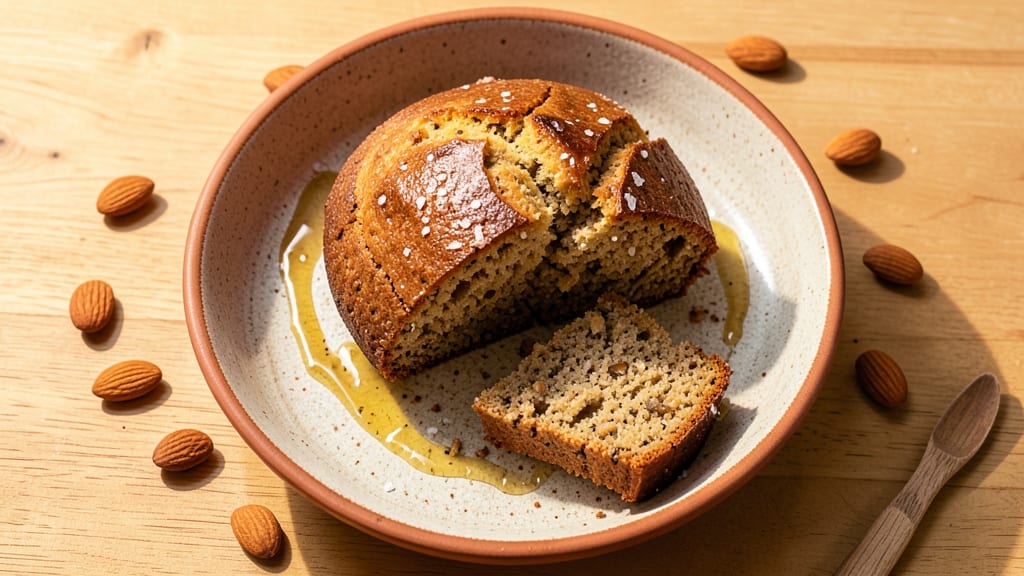
This almond flax bread recipe delivers a perfectly balanced loaf—gluten-free, vegan, and packed with nutty crunch from almond flour and flaxseed. The secret lies in the flax "egg" substitute, which binds the dough while adding subtle earthiness, while almond flour creates a tender yet sturdy crumb.
Unlike dense gluten-free breads, this version rises beautifully with the right proofing technique, yielding a loaf that's crisp on the outside and softly chewy inside.
The recipe uses simple ingredients you likely already have: almond flour, flaxseed meal, baking powder, and a touch of apple cider vinegar for tang. No special equipment is needed—just a mixing bowl, measuring cups, and a loaf pan.
The dough comes together in minutes, and with a 30-minute bake time, you'll have a warm, fragrant loaf ready for toast, sandwiches, or serving alongside soups.
What makes this recipe stand out is its versatility—it works as a gluten-free staple for any meal while delivering restaurant-quality texture.
The almond flour adds natural sweetness and richness, while flaxseed provides fiber and omega-3s. Best of all, it freezes beautifully, so you can bake a batch and enjoy fresh bread all week.
For extra flavor, try adding sunflower seeds or rosemary to the dough before baking. The result is a loaf that's both nutritious and delicious, perfect for anyone looking to enjoy homemade bread without gluten or dairy. Let's get started!
Ingredients for almond flax bread
Simple pantry staples transform into a gluten-free, vegan loaf with nutty crunch and perfect rise.
| Ingredient | Amount | Notes |
|---|---|---|
| Almond Flour 🌰 | 2 ½ cups | Finely ground, unsweetened |
| Ground Flaxseed 🌾 | ½ cup | For flax eggs and binding |
| Water 💧 | ¾ cup | For flax egg mixture |
| Apple Cider Vinegar 🍎 | 1 tbsp | For tang and rise |
| Baking Powder 🍞 | 1 tbsp | Gluten-free, aluminum-free |
| Salt 🧂 | ½ tsp | Fine sea salt preferred |
| Coconut Oil 🥥 | ½ cup | Melted, for richness |
| Maple Syrup 🍁 | ¼ cup | For subtle sweetness |
| Sunflower Seeds 🌻 | ¼ cup | Optional for crunch |
| Fresh Rosemary 🌿 | 1 tbsp | Chopped, optional herb |
| Psyllium Husk Powder 🌾 | 1 tbsp | For better rise and texture |
| Cold Water 💧 | ¼ cup | For psyllium husk mixture |
Almond flour is the star here—Bob's Red Mill or Anthony's Goods are my go-tos for consistency. The ground flaxseed should be fresh (no clumps) and stored in the freezer to prevent rancidity. Psyllium husk might be new to you, but it's a game-changer for gluten-free bread—NOW Foods sells it in bulk. For the coconut oil, Virgins brand is my pick for that clean coconut flavor. If you don't have sunflower seeds, pumpkin seeds work just as well—just toast them first for extra flavor.
No almond flour? Sunflower seed flour or oat flour can stretch your supply, but texture will differ. Skip the psyllium husk? Add 1 extra tbsp ground flaxseed—it won't rise as well, but it'll still hold together. Fresh rosemary is ideal, but dried at half the amount works in a pinch. The maple syrup can be swapped for agave or date syrup if you prefer. For the flax eggs, mix the ground flaxseed and water first—let it sit for 5 minutes to thicken before adding to the dough. Trust me, this step makes all the difference.
This dough keeps for 3 days in the fridge, wrapped tightly in plastic. Freeze portions for up to 3 months—just thaw overnight in the fridge before baking. The baked loaf stays fresh for 5 days at room temperature, wrapped in a clean towel. To reheat, wrap in foil and warm at 300°F for 10 minutes. I always bake two loaves—one for the freezer, one for the table. The extra work pays off with fresh bread all week.
Why You'll Love This Recipe
- No Mixer Needed: I swear by this recipe because it’s actually just 5 ingredients and a bowl. The ground flaxseed and apple cider vinegar do all the work—no kneading, no waiting for dough to rise, just stir and bake. Honestly, I’ve made it in my dorm kitchen, at a campsite, and even in a hotel room with a coffee mug as a mixer.
- Nutty Warmth: That first bite? It’s like a hug in bread form—the almond flour gives it a rich, buttery depth without tasting like flour at all, while the flaxseed adds a subtle earthiness that pairs perfectly with butter or jam. (Yes, even on a Tuesday night.)
- Meal Prep MVP: This bread stays fresh for days—I’ll slice it and freeze half the batch, then toast straight from frozen when I’m too tired to think. It’s my go-to for sandwiches, toast, or even croutons, and it won’t turn gummy like regular bread does.
- Budget-Friendly Luxury: Almond flour might sound fancy, but a little goes a long way, and flaxseed is dirt cheap. I’ve made two loaves for under $5, and it feels like I’m baking artisanal bread—not that I’d ever tell anyone it’s secretly affordable.
Step-by-step instructions for almond flax bread recipe
Here's how to make a perfectly nutty, gluten-free loaf that rises beautifully and stays moist.
Prepare the Flax Egg Mixture
In a small bowl, combine the 0.5 cup ground flaxseed with the 0.75 cup water. Stir well and let it sit for 10 minutes—this creates a gel-like flax egg that binds the bread together. You'll know it's ready when it thickens noticeably and looks like a pudding. This step is crucial for that gluten-free structure without compromising texture.
While you wait, finely chop the 1 tbsp fresh rosemary if using. I like to use a sharp knife for this—just enough to break up the needles while keeping some texture. Set it aside for later. The rosemary adds a lovely herbal note that pairs perfectly with the nutty almond flavor, but it's completely optional if you prefer a simpler taste.
Mix Wet and Dry Ingredients
In a large mixing bowl, melt the 0.5 cup coconut oil gently—just enough to make it liquid but not hot. Then stir in the 0.25 cup maple syrup, 1 tbsp apple cider vinegar, and the flax egg mixture you prepared earlier. The vinegar will give your bread that subtle tang that makes it taste fresh out of the oven.
In a separate bowl, whisk together the 2.5 cups almond flour, 1 tbsp baking powder, 0.5 tsp salt, and 1 tbsp psyllium husk powder. The psyllium husk is what gives this bread that perfect rise—it absorbs moisture and helps create that airy texture. Gradually add the dry ingredients to the wet mixture, stirring gently until just combined. You want to avoid overmixing—just until everything comes together into a thick, sticky batter.
Fold in Seeds and Prepare the Pan
Gently fold in the 0.25 cup sunflower seeds using a spatula. The seeds add a nice crunch that contrasts beautifully with the tender crumb of the bread. If you're using the rosemary, sprinkle it in now and mix just until distributed. Preheat your oven to 350°F while you prepare the pan.
Lightly grease a standard 9x5-inch loaf pan with coconut oil or line it with parchment paper for easy removal. The pan should be well-coated but not dripping—just enough to prevent sticking. Pour the batter into the prepared pan and smooth the top with a spatula. The batter will be thick, but it should spread evenly to fill the pan completely. Tap the pan gently on the counter a few times to remove any air bubbles.
Bake to Golden Perfection
Place the loaf pan in the preheated oven and bake for 50-55 minutes. You'll know it's done when the top is golden brown and a toothpick inserted in the center comes out clean. The bread should have risen noticeably and pull away slightly from the edges of the pan. I like to tent the pan loosely with foil after 30 minutes to prevent the top from browning too quickly while ensuring the bread cooks through evenly.
If you're unsure about doneness, err on the side of slightly underbaking—this bread continues to cook a bit as it cools, and you want to avoid a dry crumb. Let the bread cool in the pan for 10 minutes before transferring it to a wire rack. The cooling process helps set the texture, so don't skip this step. Once cooled, you can slice it—each piece should have a tender crumb with a slight crunch from the seeds.
Rest and Serve
Allow the bread to cool completely before slicing—this helps the texture firm up and makes for cleaner cuts. The bread keeps well at room temperature for 3-4 days or can be wrapped and frozen for up to 3 months. When reheating, I like to wrap a slice in foil and warm it in a 350°F oven for 5-7 minutes to restore that fresh-from-the-oven feel.
This almond flax bread is perfect for toast, French toast, or even as a side with soups and stews. The combination of almond flour and psyllium husk gives it a satisfying chew, while the sunflower seeds add texture. Every bite delivers that nutty crunch and subtle sweetness from the maple syrup—it's a gluten-free loaf that doesn't feel like it's missing anything.
Pro Tips For Making Almond Flax Bread
- Mix Flaxseed First: Mix the ground flaxseed with water and apple cider vinegar first—let it sit for 5 minutes to thicken. This mimics eggs and binds the almond flour better, so the bread holds together instead of crumbling like a sad science experiment.
- Use Warm Water: Cold water makes the dough stiff and dense. Warm water (not hot—just barely above room temp) helps the flax "gel" faster and keeps the texture light. Trust me, your bread will thank you with a better crumb.
- Don’t Overmix: Almond flour is fussy—once you fold in the wet ingredients, stop when it’s just combined. Overmixing develops gluten (there isn’t any, but you’ll still get a tough, dry loaf). Think "damp clumps," not smooth batter.
- Bake Until Golden: The bread’s done when the top is deep golden, not just pale. If you pull it out too soon, it’ll stay dense and gummy. A toothpick should come out clean—or at least with a few moist crumbs, not wet batter.
Serving suggestions for this almond flax bread
Morning Toast
Spread your almond flax bread with almond butter for a naturally sweet, protein-packed breakfast. I like to drizzle honey or maple syrup on top for extra richness—about 1 tbsp per slice.
For a savory option, top with avocado slices, a sprinkle of sea salt, and red pepper flakes. The nutty flavor of the bread pairs beautifully with these toppings, creating a satisfying meal that keeps you full for hours. 🌰
Sandwich Base
Use thick slices of this bread for gluten-free sandwiches—it holds up perfectly to wet ingredients like hummus or mashed avocado. I love pairing it with chickpea salad (mix mashed chickpeas with diced celery, red onion, and lemon-tahini dressing) or smoked salmon with cream cheese.
The sturdy texture prevents sogginess, making it ideal for lunch or dinner. Try it with vegan pesto and roasted vegetables for a hearty meal. 🥪
Soup Companion
Serve warm slices alongside creamy soups like butternut squash or tomato basil. The bread's subtle sweetness and nutty crunch cut through the richness beautifully. For extra flavor, toast the bread lightly before serving—just 5 minutes at 350°F until golden.
I also love dipping it into olive oil infused with garlic and rosemary for a simple but delicious appetizer. 🍲
French Toast Twist
Dip slices in a mixture of 1 egg (or flax egg), 0.5 cup almond milk, 1 tsp vanilla, and 1 tbsp cinnamon, then pan-fry in coconut oil until golden. Top with maple syrup and walnuts for a decadent brunch treat.
The almond flour gives the French toast a unique texture that's lighter than traditional versions. For extra indulgence, add a sprinkle of powdered sugar or berries. 🍓
Dessert Option
Slice the bread into thin rounds, toast lightly, and layer with vegan chocolate spread, banana slices, and peanut butter for a no-bake dessert. The nutty base complements the sweet toppings perfectly.
You can also use it to make gluten-free bread pudding—just cube the bread, soak in a custard of almond milk, vanilla, and maple syrup, then bake until golden. 🍫
Meal Prep Hack
Bake an extra loaf and store it in the freezer for quick meals. Toast frozen slices directly in the toaster—no thawing needed! Pack slices with nut butter and sliced apples for a portable lunch.
The bread reheats beautifully, making it perfect for busy mornings. I always keep a loaf on hand for impromptu guests or last-minute cravings. ✨
Nutrition facts
Frequently asked questions
Why does this almond bread need psyllium husk?
Psyllium husk is the secret to that perfect gluten-free rise! It absorbs moisture and creates a light, airy texture similar to gluten. Without it, your bread might turn out dense. Just mix it with cold water first to form a gel—this helps distribute it evenly in the dough.
Can I make this bread without almond flour?
Yes! Try substituting with sunflower seed flour or oat flour for a similar texture. The flavor will change slightly, but the structure will hold. For best results, use a 1:1 ratio and add 1 extra tbsp flaxseed to help with binding.
How do I know when the bread is fully baked?
Look for a golden brown top and insert a toothpick into the center—it should come out clean. If unsure, err on the side of slightly underbaking. The bread continues cooking as it cools, so 50-55 minutes at 350°F is ideal.
Why did my bread turn out crumbly?
Overmixing the dough or skipping the 10-minute flax egg rest can cause crumbly texture. Also, ensure your almond flour isn't clumpy—sift it before measuring. If the dough feels too dry, add 1 tbsp extra water while mixing.
Can I add chocolate chips to this recipe?
Fold in 0.5 cup vegan chocolate chips when mixing the seeds. For a sweeter loaf, reduce the maple syrup to 0.2 cup and add 1 tsp vanilla extract. The chocolate pairs beautifully with the nutty almond flavor!