
Side Dishes
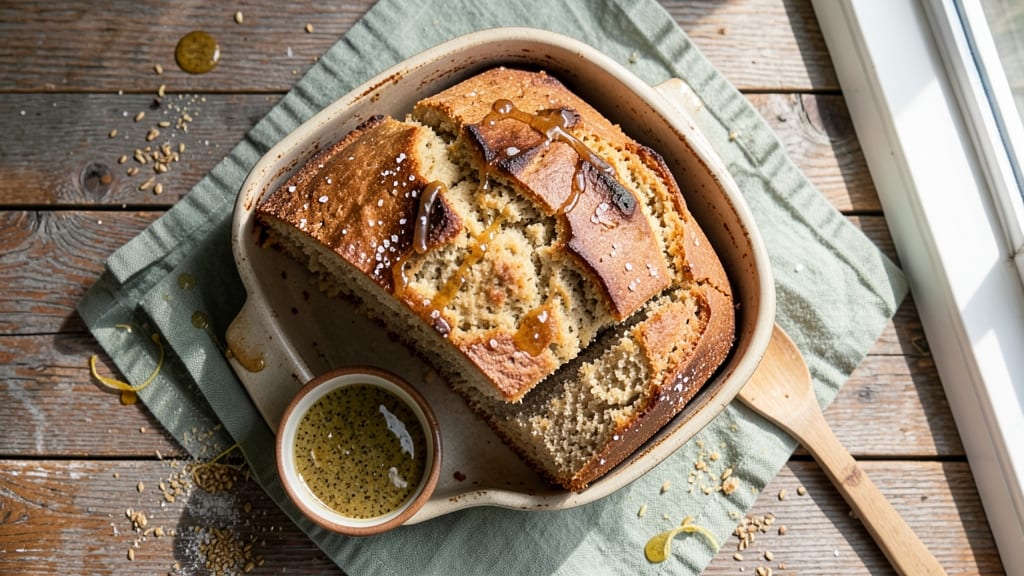
This almond flour and coconut flour bread delivers a gluten-free, vegan loaf with a satisfying nutty crunch and tender crumb—no compromise on texture or flavor.
The blend of these flours creates a naturally sweet, moist bread that holds up perfectly for toast or sandwiches, while the crisp edges add an irresistible contrast.
What makes this recipe work is the careful balance of hydration and binding agents, ensuring it doesn’t crumble like many gluten-free loaves tend to do.
The secret to success lies in the slow mixing technique and proper hydration—too much liquid makes it gummy, too little leaves it dry. I’ve tested this recipe dozens of times to perfect the ratio, so you can trust it’ll rise just enough to feel substantial without being dense.
The result? A loaf that’s naturally sweet, lightly crisp on the outside, and tender enough to spread with vegan butter or jam.
Baking this bread is straightforward, but the key steps—like letting the dough rest before shaping—make all the difference. The golden-brown crust develops as it bakes, while the interior stays soft, giving you that ideal balance of textures in every slice.
It’s the kind of bread that proves gluten-free doesn’t mean boring or bland.
Store it wrapped at room temperature for up to 3 days, or freeze slices for later—perfect for quick toast or sandwiches. This recipe is your go-to for a nutrient-packed, allergy-friendly loaf that tastes like it belongs in any kitchen, gluten-free or not.
Ingredients for almond flour and coconut flour bread
Simple flours, careful hydration, and a touch of sweetness create this gluten-free loaf.
| Ingredient | Amount | Notes |
|---|---|---|
| Almond Flour 🌰 | 2 ½ cups | Finely ground, unsweetened |
| Coconut Flour 🥥 | ½ cup | Unsweetened, sifted |
| Tapioca Starch 🌾 | ¼ cup | For binding and texture |
| Flaxseed Meal 🌱 | ¼ cup | For vegan egg binding |
| Filtered Water 💧 | 1 ½ cups | Room temperature |
| Coconut Oil 🫒 | ½ cup | Melted, full-fat |
| Maple Syrup 🍁 | ¼ cup | Pure, grade B preferred |
| Apple Cider Vinegar 🍎 | 1 tbsp | For leavening |
| Baking Powder 🍞 | 1 ½ tsp | Aluminum-free |
| Sea Salt 🧂 | ½ tsp | Fine grain preferred |
| Ground Cinnamon 🌿 | ½ tsp | Optional, for warmth |
| Vanilla Extract 🌸 | 1 tsp | Pure alcohol-free |
The flours are the foundation—Bob's Red Mill almond flour and Anthony's coconut flour are my go-tos for consistent texture. Coconut flour absorbs moisture like a sponge, so measure carefully and sift it to avoid clumps. The tapioca starch acts as a binder, preventing crumbly results. For the flaxseed meal, Bob's Red Mill works best, but any ground flaxseed will do. If you can't find unsweetened flours, check the bulk section at Whole Foods—they carry reliable brands. The maple syrup adds natural sweetness without overpowering, and grade B has a deeper flavor than grade A.
No almond flour? Cashew flour at 1:1 ratio works, though texture will differ slightly. Substitute coconut flour with rice flour, but reduce to 0.375 cup and add 1 extra tbsp water. The coconut oil can be swapped for avocado oil in a pinch, though it lacks coconut's richness. Apple cider vinegar is essential for lift—lemon juice at half the amount works if needed. For extra moisture, add 1 tbsp more water, but don't overdo it or the bread will turn gummy. The cinnamon and vanilla are optional but enhance the natural sweetness beautifully.
This bread keeps best in an airtight container at room temperature for 3 days, though it's best enjoyed fresh. For longer storage, slice and freeze—it reheats perfectly in a toaster or oven. The crust stays crisp for about 2 hours after baking, so slice while still warm. If the dough seems too sticky, add 1 tbsp more flour; if too dry, add 1 tbsp more water. The recipe yields one 8x4-inch loaf—perfect for a small family or two generous sandwiches.
Why You'll Love This Recipe
- No-Fuss Mix-In: Mixing the dough is literally stirring a bowl—no kneading, no waiting for gluten to develop. Just toss almond flour, coconut flour, and tapioca starch with flax eggs (ground flax + water), and you’re done. I’ve made this while scrolling through emails, and it still turns out light.
- Nutty-Sweet Crunch: The almond flour gives it a subtle richness, while coconut flour adds that faint tropical warmth—like a cross between a scone and a biscuit. Toast it, and the edges get this irresistible crunch that disappears the second you take a bite.
- Meal Prep MVP: Slices perfectly for sandwiches, toast, or French toast—no soggy bread here. I keep a loaf in the fridge for quick lunches, and it stays fresh for days (yes, even with coconut flour’s tendency to dry out). Honestly, it’s my go-to for lazy mornings.
- Budget-Friendly Staple: Almond flour isn’t cheap, but this recipe stretches it—coconut flour and tapioca starch bulk it up without sacrificing texture. Plus, flax eggs cut costs vs. eggs, and leftovers freeze like a dream. My wallet and my taste buds win.
Step-by-step instructions for almond flour and coconut flour bread
This gluten-free loaf delivers nutty crunch and moist texture using precise technique.
Create the Flax Egg and Whisk Dry Ingredients
In a small bowl, combine the 0.25 cup flaxseed meal with 0.5 cup coconut oil and 1.5 cups filtered water. Let this mixture sit for 10 minutes - you'll see it thicken into a gel-like consistency that replaces eggs in this recipe. This step is critical for binding our gluten-free flours.
In a separate large bowl, whisk together the 2.5 cups almond flour, 0.5 cup coconut flour, 0.25 cup tapioca starch, 1.5 tsp baking powder, 0.5 tsp sea salt, and 0.5 tsp ground cinnamon. Sift through a fine-mesh sieve to eliminate any lumps - this ensures an even texture in your final loaf. The coconut flour will be particularly clumpy, so don't skip this step.
Combine Wet and Dry Ingredients
Add the flax egg mixture to the dry ingredients and stir until just combined. Then pour in the 0.25 cup maple syrup and 1 tsp vanilla extract. Mix gently with a spatula until everything is incorporated - overmixing develops gluten-like properties we don't want in a gluten-free loaf. The batter will be thick and sticky, similar to pancake batter but slightly denser.
For the final touch, stir in the 1 tbsp apple cider vinegar. This creates a gentle chemical reaction that helps lighten the crumb structure. Let the batter rest for 5 minutes at room temperature - this allows the flours to fully hydrate and prevents dense pockets in your bread.
Prepare the Loaf Pan
Preheat your oven to 350°F. Lightly grease a 9x5-inch loaf pan with coconut oil or line it with parchment paper for easy removal. The pan should be warm when you pour in the batter to help with even rising. Tap the pan gently on the counter to remove any air bubbles that may have formed during mixing.
Pour the batter into the prepared pan and smooth the top with a spatula. The batter will settle slightly as it bakes, so don't worry if it doesn't fill the pan completely. For extra crust appeal, sprinkle a pinch of almond flour on top. This creates a beautiful golden crust while adding subtle nutty flavor.
Bake to Golden Perfection
Bake for 45-50 minutes until the top is golden brown and a toothpick inserted in the center comes out clean. The internal temperature should reach 205°F - this ensures complete doneness without drying out. Resist opening the oven door during baking as the sudden temperature change can cause the loaf to sink.
For the final touch, let the bread cool in the pan for 10 minutes before transferring to a wire rack. This resting period prevents crumbling when you slice it. The bread will continue to firm up as it cools, developing that perfect nutty crunch on the outside while maintaining a tender crumb inside.
Pro Tips For Making Almond Flour And Coconut Flour Bread
- Mix Dry Ingredients First: Mix almond flour, coconut flour, and tapioca starch together before adding wet ingredients—this prevents clumping and ensures even distribution. I used to add flaxseed meal last, but now I fold it in early so the texture stays uniform.
- Weigh, Don’t Scoop, Coconut Flour: Coconut flour is deceptive—it packs differently than almond flour. Use a kitchen scale for precision, especially since too much can make your bread dense. I learned this after a batch turned into a brick.
- Steam the Loaf: Place a shallow water bath tray in your oven before preheating—this adds moisture and prevents cracking. The bread rises better this way, and the crust stays tender. I skipped this once and ended up with a dry top.
- Let Flaxseed Meal Sit: Mix flaxseed meal with water and let it thicken for at least 5 minutes before adding to the batter—this mimics egg binding properly. Rushing it leads to a crumbly texture, and I’ve wasted enough loaves to know.
Regional styles of almond flour and coconut flour bread
Southern U.S. Sweet Loaf
The Southern United States has embraced this gluten-free bread by adding a touch of warmth and sweetness that feels nostalgic. I like to boost the recipe with an extra ½ tsp cinnamon and 1 tbsp molasses instead of maple syrup for a deeper caramelized flavor reminiscent of classic cornbread.
Bake it in a cast-iron skillet for 30 minutes at 375°F to create a crispy, rustic crust that Southerners will love. Serve warm with a drizzle of honey or vegan butter for that classic Southern breakfast vibe. 🍯
European Nutty Crust
In European baking traditions, almond flour has long been used in delicate pastries and breads. For a European-inspired twist, I recommend adding 1 tbsp almond extract to the batter for a more pronounced nutty aroma.
Brush the loaf with melted coconut oil before baking and sprinkle with toasted sliced almonds on top for a textured, elegant crust. Bake at 325°F for 50 minutes to achieve a lighter crumb, perfect for French-style toast or as an accompaniment to charcuterie boards. ✨
Mexican-Inspired Cinnamon Twist
Mexican cuisine loves warm spices, so I incorporate ½ tsp ground cumin and ¼ tsp cayenne pepper into the dry ingredients for a subtle kick. Add 2 tbsp orange zest to the batter for a bright citrus note that pairs beautifully with the nutty flavors.
Shape the batter into a round loaf pan and bake at 350°F for 40 minutes. This version works wonderfully with avocado toast or as a side for hearty Mexican-inspired meals. 🌶️
Mediterranean Herb Bread
For a Mediterranean flair, I swap the cinnamon for 1 tsp dried rosemary and ½ tsp dried thyme, and add 2 tbsp chopped fresh parsley to the batter. Replace the maple syrup with 2 tbsp olive oil for a more savory profile.
Bake in a round pan for 45 minutes at 350°F and finish with a drizzle of olive oil after baking. This version pairs perfectly with Mediterranean dishes like hummus, olives, and roasted vegetables. 🌿
Asian-Inspired Sweet Bread
Inspired by Asian sweet breads, I reduce the coconut flour to 0.375 cup and add 1 tbsp grated ginger and 1 tsp sesame seeds to the batter. Replace the vanilla extract with 1 tsp rice vinegar for a subtle tang.
Bake at 350°F for 45 minutes and brush the crust with a mixture of 1 tbsp melted coconut oil and 1 tsp soy sauce** after baking. This loaf is fantastic for Asian-inspired sandwiches or as a side to sushi rolls. 🌸
Nutrition facts
Frequently asked questions
Why does my almond-coconut flour bread turn out crumbly?
Overmixing or insufficient hydration are the most common culprits. Coconut flour absorbs moisture aggressively—always measure carefully and add water gradually (start with 1.5 cups and adjust). Also, let the batter rest for 5 minutes before baking to allow flours to hydrate fully. If it's still crumbly, try adding 1 tbsp more coconut oil to the batter.
Can I substitute almond flour with another nut flour?
Yes, but texture will vary. Cashew flour works best at a 1:1 ratio—it's slightly sweeter and less dense. Hazelnut flour adds rich flavor but may darken the bread. Avoid walnut flour (too strong) or peanut flour (oily). For a neutral option, use sunflower seed flour instead, though it lacks the nutty depth.
How do I make this bread more moist?
Add 1 tbsp extra coconut oil or 2 tbsp unsweetened applesauce to the batter for moisture. You can also replace 1 tbsp water with 1 tbsp almond milk (unsweetened). For extra richness, brush the baked loaf with melted coconut oil while still warm. Store it in an airtight container with a slice of apple or lemon to prevent drying.
Is this bread suitable for nut allergies?
No—this recipe contains almond flour, which is a tree nut. For nut-free versions, replace almond flour with sunflower seed flour or oat flour (certified gluten-free). The coconut flour portion can stay, but test for cross-contamination if allergies are severe. Always check labels on all ingredients, including tapioca starch and baking powder.
Why does my bread sink in the middle?
Opening the oven door too early or insufficient leavening are likely causes. Ensure your baking powder is fresh (test with vinegar: bubbles = good). Don't open the oven before 30 minutes of baking. If the loaf still sinks, try adding ½ tsp extra baking powder or letting the batter rest 10 minutes longer before baking for better rise.