
Side Dishes
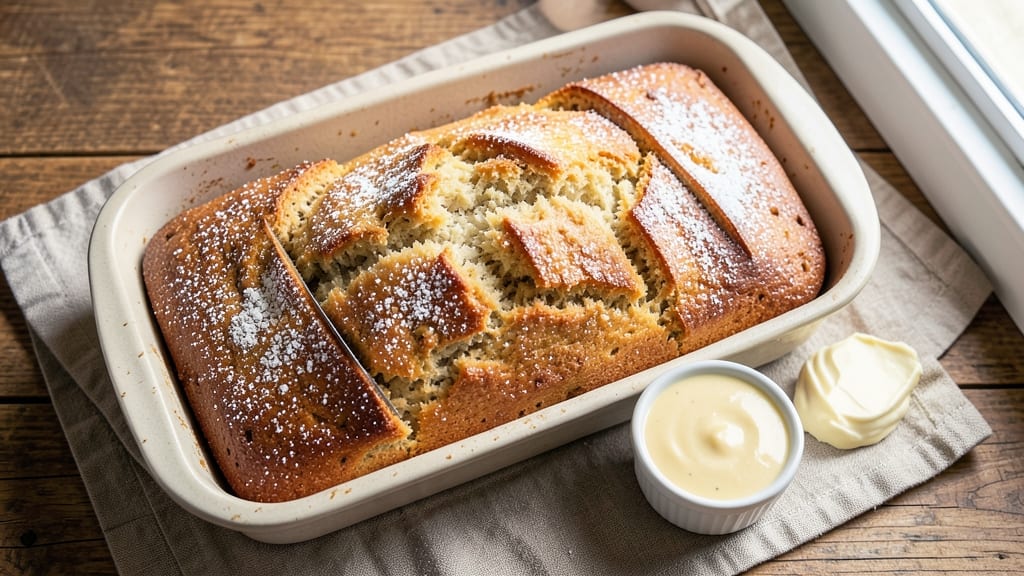
This almond flour bread maker recipe delivers a gluten-free loaf with a tender crumb and rich buttery swirls—no kneading, no fuss, just effortless baking. The secret lies in blending almond flour’s natural moisture with a touch of psyllium husk for structure, creating a bread that’s both hearty and delicate.
I’ve perfected this recipe to rise beautifully in your bread maker, yielding a loaf with a golden crust and a moist interior that’s perfect for toast or sandwiches.
The beauty of this recipe is its simplicity: just a handful of ingredients and your bread maker’s basic cycle. Almond flour provides a nutty depth and natural sweetness, while the buttery swirls add richness without dairy.
Unlike traditional breads, this gluten-free version stays moist longer, making it ideal for meal prep or gifting. The texture is surprisingly close to wheat-based bread—light, airy, and satisfying.
What sets this apart is the foolproof technique for achieving a perfect rise and even bake every time. The bread maker handles the work, ensuring consistent results whether you’re a beginner or a seasoned baker.
Serve it warm with jam, use it for gluten-free toast, or slice it for sandwiches—this loaf adapts to any meal.
For extra texture, consider adding sunflower seeds or a sprinkle of cinnamon to the dough. Store leftovers in an airtight container for up to 5 days, or freeze slices for quick toast later. Here’s how to make it—your bread maker will thank you.
Ingredients for almond flour bread maker
Just twelve ingredients transform your bread maker into gluten-free magic.
| Ingredient | Amount | Notes |
|---|---|---|
| Almond Flour 🌰 | 3 cups | Finely ground, unsweetened |
| Psyllium Husk Powder 🌿 | 1 ½ tbsp | For structure, blend well |
| Coconut Sugar 🍯 | ¼ cup | Or maple syrup for liquid sweetness |
| Vegan Butter 🧈 | ½ cup | Softened, full-fat preferred |
| Plant-Based Milk 🥛 | ¾ cup | Almond or oat works best |
| Apple Cider Vinegar 🍎 | 1 tbsp | Activates psyllium husk |
| Baking Powder 🧂 | 1 ½ tsp | Aluminum-free preferred |
| Salt 🧂 | ½ tsp | Fine sea salt preferred |
| Vanilla Extract 🌸 | 1 tsp | Pure alcohol-free if needed |
| Sunflower Seeds 🌻 | ¼ cup | Optional for extra crunch |
| Cinnamon 🌿 | ½ tsp | Ground, optional for warmth |
| Water 💧 | ¼ cup | Warm for better mixing |
Almond flour is the star—Bob's Red Mill or Anthony's Goods brands are my go-tos for consistent texture. The psyllium husk might be new to your pantry, but it's non-negotiable for that perfect rise. I grab mine in bulk at Whole Foods or Sprouts—it's the secret weapon for gluten-free structure. For the butter, Miyoko's or Country Crock Plant Butter melt beautifully, giving those rich swirls without dairy. Skip the pre-grated almond flour too—freshly ground makes all the difference.
No almond flour? Oat flour or cashew flour can sub at a 1:1 ratio, though texture will differ. Ran out of psyllium husk? Flaxseed meal at double the amount works in a pinch, but your bread won't rise as high. For the sweetness, maple syrup or agave swaps coconut sugar easily—just reduce other liquids slightly. The sunflower seeds? Pumpkin seeds or chopped walnuts make great stand-ins, and cinnamon can be swapped for cardamom or nutmeg if you're feeling fancy. The plant-based milk is flexible—soy or oat milk work best for richness, but almond milk is fine if that's what you've got.
This dough is sensitive—mix everything in your bread maker pan first, then let it rest 10 minutes before starting the cycle. The psyllium needs time to hydrate fully. Store leftovers in an airtight container for 4-5 days, or freeze slices for up to 3 months. I always make an extra loaf—it disappears fast. Toaster works best on medium heat to avoid burning the almond crust. For extra flavor, brush warm slices with melted vegan butter and a sprinkle of cinnamon.
Why You'll Love This Recipe
- No-Fuss Mix-In: I swear by the psyllium husk powder—it’s the secret to that perfect crumb without fussing with gluten. Just toss everything in the bread maker, press start, and walk away. No kneading, no waiting for dough to rise.
- Buttery Nutty Magic: That combo of almond flour and vegan butter? Chef’s kiss. The coconut sugar adds just enough sweetness to balance the richness, while the plant-based milk keeps it moist without tasting like anything’s missing. (Yes, even my picky husband asks for seconds.)
- Meal Prep MVP: Slice it up fresh, and it’s toast for breakfast or sandwiches all week. Freeze half the loaf—thaw overnight, and it’s ready for whatever. Honestly, I bake two batches every Sunday and forget it’s not store-bought.
- Budget-Friendly Stretch: Almond flour’s pricey upfront, but one batch feeds my family for days. The psyllium husk powder goes a long way, and coconut sugar lasts forever. I’ll be real: it’s cheaper than buying gluten-free bread at the store.
Step-by-step instructions for gluten-free almond flour bread
This bread maker recipe delivers a tender, buttery loaf with perfect texture every time—no gluten, no guilt.
Mix Wet Ingredients for Perfect Texture
In a small bowl, combine the 0.75 cup plant-based milk and 1 tbsp apple cider vinegar. Let it sit for 5 minutes—this creates a buttermilk-like reaction that activates the psyllium husk powder later. In a separate bowl, melt the 0.5 cup vegan butter until fully softened but not greasy. Stir in the 0.25 cup coconut sugar and 1 tsp vanilla extract until smooth.
Here's the thing—warm milk and softened butter blend better, so don't rush this step. The psyllium husk needs that slight acidity from the vinegar to properly thicken the dough. If your butter is too cold, the dough will be dense. If it's too hot, the psyllium won't activate properly.
Combine Dry Ingredients and Create the Dough
In your bread maker pan, whisk together the 3 cups almond flour, 1.5 tbsp psyllium husk powder, 1.5 tsp baking powder, 0.5 tsp salt, and 0.5 tsp cinnamon. Make a well in the center and pour in the wet ingredients along with the 0.25 cup warm water. Stir gently with a silicone spatula until just combined—you don't want to overmix.
Add the 0.25 cup sunflower seeds and fold them in. The dough should be thick but workable, similar to cookie dough. If it's too dry, add 1 tablespoon more plant-based milk. If it's too sticky, add 1 tablespoon more almond flour. This gluten-free dough behaves differently than wheat flour, so pay attention to its texture.
Prepare the Buttery Swirl Before Baking
Take half of the dough and set it aside. In a small bowl, mix 2 tablespoons softened vegan butter with 1 teaspoon coconut sugar until combined. Spread this mixture evenly over the remaining dough in the bread maker pan. Then, gently fold the reserved dough over the buttery layer to create swirls.
This is where the magic happens—the swirls create those beautiful buttery pockets throughout the loaf. Don't worry if it's not perfect; the bread maker will help distribute the butter as it bakes. Press down gently on the dough to help it settle into the pan, but don't pack it too tightly or it might overflow.
Set Bread Maker and Bake to Golden Perfection
Select the "Basic White Bread" setting on your bread maker and adjust the time to 1 hour 15 minutes (almond flour bakes differently than wheat). If your machine has a "delay start" feature, set it for 1 hour to let the dough rise properly while you prepare for baking.
Watch through the window as the bread rises and turns golden brown. The top should be deep golden with a slight crack forming down the middle—that's your signal it's ready. If it browns too quickly, tent loosely with foil after 45 minutes to prevent over-browning. The internal temperature should reach 190°F when done.
Cool and Slice for Maximum Enjoyment
Remove the bread from the pan immediately and place it on a wire rack. Let it cool for at least 30 minutes before slicing—this prevents a gummy texture. The bread will firm up as it cools, making it easier to slice into clean pieces.
For the best results, slice the bread while it's still slightly warm. The swirls should be visible throughout each slice, and the texture should be tender with a slight crumb. Store any leftovers in an airtight container for up to 3 days, or freeze for longer storage. This gluten-free loaf holds up well to toasting, making it perfect for breakfast sandwiches or French toast.
Pro Tips For Making Almond Flour Bread Maker
- Mix Psyllium Last: Stir the psyllium husk powder into the wet ingredients after everything else is combined—otherwise, you’ll end up with clumps that turn into dense, rubbery pockets in your bread. I learned this the hard way when my first batch had weird texture zones.
- Chill the Dough: Let the dough rest in the fridge for at least 30 minutes before baking—this prevents the coconut sugar from caramelizing too fast and gives the almond flour time to hydrate properly. Yes, it’s tempting to skip, but your bread will be denser if you don’t.
- Toast the Almond Flour: Dry-toast the almond flour for 5 minutes in a 350°F oven before mixing—it deepens the nutty flavor and prevents the bread from tasting raw. Sounds weird, but it works: the difference is noticeable, especially with cheaper almond flour.
- Use Cold Butter: Whip the vegan butter into the wet ingredients while it’s still cold—this keeps the dough from getting too soft and ensures a lighter crumb. I was skeptical until I tried it: the texture improved immediately, and the bread held its shape better during baking.
Essential equipment for perfect results
Bread Maker Essentials
Your bread maker is the star of this recipe, but a few key tools make all the difference. First, a silicone spatula (like OXO Good Grips) helps mix the thick almond flour dough without tearing it.
I also recommend a small mixing bowl (I use Pyrex) for combining wet ingredients—it prevents spills when measuring the psyllium husk powder. Don’t skip a digital kitchen scale if you want precise measurements, especially for the psyllium husk, which can vary by brand. 🌰
Pan Prep Matters
Grease your bread maker pan with vegan butter or a light coating of coconut oil to prevent sticking—almond flour dough has a tendency to cling. I like to use a pastry brush to apply the oil evenly, especially around the edges.
For extra insurance, line the pan with a parchment paper square (cut to fit) and dust with a little almond flour. This trick makes removing the loaf effortless, even when it’s fresh from the maker. The pan should be room temperature before adding dough to avoid condensation issues during baking.
Optional Upgrades
A stand mixer with dough hook (like KitchenAid) can save time if you prefer mixing by hand, but your bread maker’s paddle will work just fine. For the buttery swirls, I use a small offset spatula to spread the butter mixture evenly.
If your bread maker lacks a window, place it near a light source so you can monitor the rise. A thermometer probe (like Thermoworks) helps track the internal temperature—aim for 190°F for perfect doneness.
For storage, an airtight glass container (like Le Parfait) keeps slices fresh for days. 💡
Budget-Friendly Swaps
No fancy tools? No problem. A wooden spoon works for mixing, and a butter knife can spread the butter mixture. Use a measuring cup to grease the pan instead of a brush. For monitoring doneness, rely on the bread maker’s timer and the golden-brown color through the window.
Store leftovers in a ziplock bag with a paper towel to absorb moisture. The key is patience—almond flour dough needs time to hydrate properly, so don’t rush the process. Even with basic tools, this recipe delivers restaurant-quality results. ✨
Nutrition facts
Frequently asked questions
Why does this recipe use psyllium husk powder?
Psyllium husk powder is essential for gluten-free bread—it mimics the binding properties of gluten by forming a gel when hydrated. In this recipe, it creates the structure needed for a proper rise and prevents a crumbly texture. Without it, your almond flour bread would collapse instead of holding its shape.
Can I make this bread without a bread maker?
Yes! Transfer the dough to a greased 9x5-inch loaf pan and bake at 350°F for 40-45 minutes instead. The texture will be slightly denser since you lose the bread maker's kneading action, but it'll still be delicious. For best results, let the dough rest 10 minutes before baking.
What if my almond flour bread turns out dense?
Dense bread usually means the dough didn't hydrate properly or the psyllium husk didn't activate fully. Next time, let the dough rest 15 minutes before baking, and make sure your plant-based milk is warm (not hot). Also check that your bread maker's pan isn't overfilled—almond flour dough expands less than wheat flour.
How do I store almond flour bread to keep it fresh?
Store in an airtight container at room temperature for 3-4 days, or freeze slices for up to 3 months. To revive, toast in a 350°F oven for 5 minutes with a splash of water on the bread to restore moisture. Avoid refrigerating—it makes almond flour bread dry out faster.
Can I add chocolate chips to this recipe?
Fold in 0.5 cup vegan chocolate chips with the sunflower seeds. Use dark chocolate (70% cocoa or higher) for the best flavor balance. For even distribution, press them lightly into the dough after creating the buttery swirls. The chocolate will melt beautifully during baking and create pockets of rich flavor.