
Side Dishes
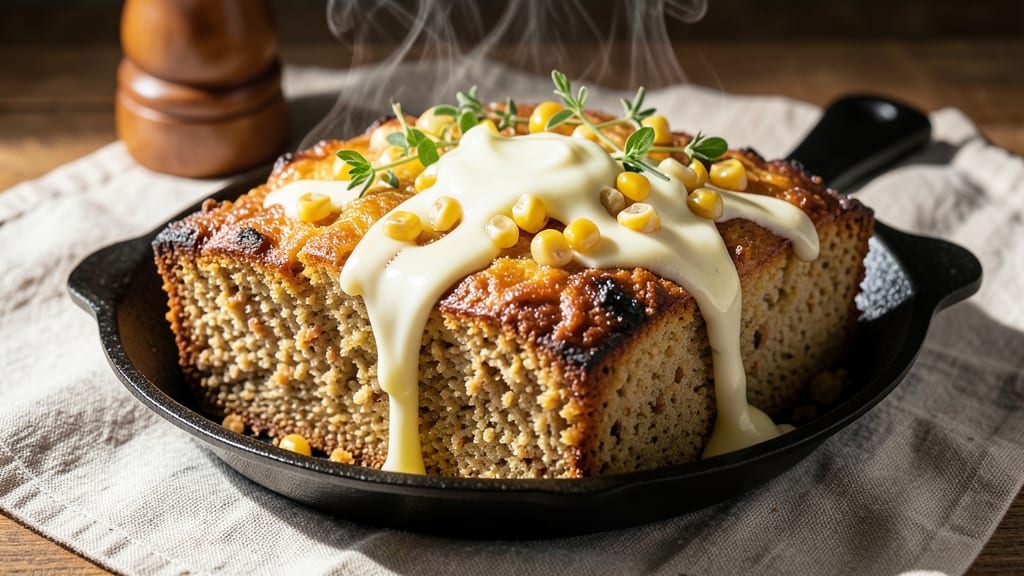
This almond flour cornbread recipe delivers the perfect balance of crunchy top and moist crumb—without a single grain of gluten. The secret lies in almond flour’s natural richness, which creates a tender, slightly sweet crumb while the cornmeal adds that classic cornbread texture.
I developed this version after struggling to find a gluten-free cornbread that didn’t turn out dry or crumbly, and it’s now a staple in my kitchen for its versatility and foolproof results.
The recipe uses simple pantry staples like eggs, butter, and honey to bind the batter, ensuring a moist interior that stays soft for days. Baking at 350°F for 25-30 minutes guarantees a golden, crispy crust while keeping the inside tender.
Optional add-ins like fresh herbs, jalapeños, or dairy-free butter can customize it to your taste, but the base recipe is already packed with flavor.
What sets this cornbread apart is its versatility—it’s perfect as a side for chili, a base for soup toppings, or even a dessert when sweetened with extra honey and cinnamon.
The almond flour gives it a subtle nuttiness that complements savory dishes beautifully, while the cornmeal keeps the texture familiar and comforting. No special equipment is needed, just a standard 8x8-inch pan and a little patience for the perfect bake.
Once you try this recipe, you’ll never go back to traditional cornbread again. The moist crumb holds up to hearty meals, and the crunchy top adds a satisfying contrast with every bite.
Whether you’re gluten-free, low-carb, or just craving something different, this cornbread delivers on texture, flavor, and ease. Let’s get baking!
Ingredients for almond flour corn bread
Simple pantry staples meet almond flour magic for this gluten-free cornbread masterpiece.
| Ingredient | Amount | Notes |
|---|---|---|
| Almond Flour 🌰 | 1 ½ cups | Finely ground, unsweetened preferred |
| Cornmeal 🌽 | ¾ cup | Fine grind for best texture |
| Large Eggs 🥚 | 2 whole | Room temperature for even baking |
| Unsalted Butter 🧈 | ½ cup | Melted, dairy-free if needed |
| Honey 🍯 | ¼ cup | Raw for deeper flavor |
| Vanilla Extract 🌿 | 1 tsp | Pure extract preferred |
| Baking Powder 🍞 | 1 ½ tsp | Aluminum-free for gluten-free |
| Salt 🧂 | ½ tsp | Diamond Crystal kosher |
| Almond Milk 🥛 | ½ cup | Unsweetened for neutral flavor |
| Fresh Chives 🌱 | 2 tbsp | Chopped, for garnish |
| Cinnamon 🌶️ | ½ tsp | Ground, optional for warmth |
Almond flour is the star here—Bob's Red Mill or Anthony's Goods brands are my go-tos for consistency. The fine grind makes all the difference in texture, so avoid pre-ground almond meal if you can. For cornmeal, Maseca or Bob's Red Mill fine grind work perfectly. The butter? European-style melts better, but any unsalted butter will do. Pro tip: toast your almond flour in a dry pan for 2 minutes to deepen its nutty flavor—trust me, it's worth it.
No almond flour? Oat flour or coconut flour can substitute, but texture will differ—reduce by 1/4 cup if using coconut flour. Short on cornmeal? Polenta or fine semolina work in a pinch. The eggs can be replaced with flax eggs (2 tbsp ground flax + 6 tbsp water) for vegan, but texture will be slightly denser. For the honey, maple syrup or agave keep it vegetarian-friendly. Fresh herbs? Dill or parsley add a bright contrast to the nuttiness.
This batter keeps for 3 days in the fridge, covered tightly. For extra crispiness, brush the top with melted butter before baking. Leftovers? Toast and freeze for quick sides later. The cornbread reheats beautifully—wrap in foil and warm at 300°F for 10 minutes. Store-bought almond flour? Keep it airtight in the freezer to prevent rancidity—it lasts 6 months this way.
Why You'll Love This Recipe
- No Mixer Needed: This comes together with just a fork and a bowl—no fancy equipment, no stress. The almond flour and cornmeal blend like a dream, and the eggs bind it all without overworking.
- Honey-Butter Magic: That drizzle of honey in the batter? It caramelizes just enough to give you a subtle sweetness that pairs perfectly with the nutty depth of almond flour. Warm it up, slather on some butter, and—chef’s kiss—you’ve got a crumb that’s both tender and satisfying.
- Breakfast or Brunch Hero: Serve it alongside eggs for a protein-packed morning or tear it into chunks for a hearty salad topper. Honestly, I’ve even used it to soak up chili—yes, even on a Tuesday night.
- Leftovers That Last: The almond flour keeps it fresh for days, and the cornmeal adds that satisfying texture even reheated. Toast slices in the morning or pack them for lunch—no sad, dry bread here.
Step-by-step instructions for almond flour cornbread
Here's how to achieve that perfect gluten-free cornbread with a crispy top and moist interior every time.
Melt Butter and Mix Wet Ingredients
Preheat your oven to 350°F and generously grease an 8-inch square baking dish or cast-iron skillet. In a small saucepan over low heat, melt the 0.5 cup unsalted butter until completely liquid but not browned. Let it cool for 5 minutes—this prevents scrambling the eggs later.
In a large mixing bowl, whisk together the melted butter with the 0.25 cup honey, 0.5 cup almond milk, and 1 tsp vanilla extract until fully combined. The mixture should be smooth with no streaks of butter remaining. I like to use a fork for this step to avoid overmixing later.
Combine Dry Ingredients and Eggs
In a separate medium bowl, sift together the 1.5 cups almond flour, 0.75 cup cornmeal, 1.5 tsp baking powder, 0.5 tsp salt, and 0.5 tsp cinnamon (if using). This pre-sifting ensures an even distribution of leavening and prevents dense pockets in your cornbread.
Add the 2 whole large eggs to the wet ingredients and whisk vigorously for 30 seconds until the yolks and whites are fully incorporated. Then, gradually pour the dry ingredients into the wet mixture while stirring gently with a spatula. Mix just until combined—you should still see some dry flour streaks. Overmixing develops gluten, which we're intentionally avoiding in this gluten-free version.
Fold in Chives and Prepare the Baking Dish
Gently fold in the 2 tbsp chopped fresh chives using a rubber spatula, being careful not to deflate the batter. The chives will add a bright, fresh contrast to the rich cornbread. Transfer the batter to your prepared baking dish and spread it evenly with the back of a spoon.
Here's the secret to that perfect crispy top: sprinkle a thin layer of cornmeal over the batter. I use about 1 tablespoon of the remaining cornmeal, spreading it evenly across the surface. This creates a beautiful golden crust while keeping the interior moist. Tap the dish gently on the counter a few times to release any air bubbles.
Bake to Golden Perfection
Bake for 25-30 minutes until the edges are golden brown and the center springs back when gently pressed. I recommend checking at the 25-minute mark—every oven runs slightly differently. The cornbread is done when a toothpick inserted in the center comes out clean with just a few moist crumbs.
For that restaurant-quality finish, broil for 1-2 minutes at the end of baking time. Watch it closely—you want the top to turn a deep golden brown but not burn. Let it cool in the pan for 10 minutes before slicing. This resting period allows the internal structure to set, preventing crumbly slices.
Serve Warm with Perfect Texture
Slice the cornbread into squares or rectangles and serve immediately while still warm. Each piece should have a crispy, golden-brown exterior that contrasts beautifully with the tender, moist crumb inside. The honey and almond flour combination gives it a subtle sweetness that pairs perfectly with savory dishes.
Real talk: if you slice too soon, the cornbread will fall apart. That's why the 10-minute rest is non-negotiable. For extra moisture, brush the warm slices with a little more melted butter. This cornbread holds up well for 2-3 days stored in an airtight container, though I can't promise it will last that long in your house!
Pro Tips For Making Almond Flour Corn Bread
- Mix Dry Ingredients First: Almond flour and cornmeal clump like a stubborn cat on a windowsill, so pulse them together in a food processor for 10 seconds—just until combined. This keeps the texture light instead of dense and gummy, and saves you from sifting later.
- Use Room-Temp Eggs: Cold eggs make the batter sluggish, and almond flour hates being forced to work harder. Let your eggs sit out for 30 minutes before mixing, or even better, whisk them under warm (not hot) running water for 20 seconds. The batter will come together smoother, and the crumb stays even.
- Don’t Overmix the Batter: Once you fold in the honey and melted butter, stop stirring after 15 seconds—yes, really. Overmixing develops gluten (which almond flour doesn’t need) and turns your bread into a sad, dense brick. A few lumps are fine; they’ll disappear in the oven.
- Bake at 350°F, Not Higher: Almond flour burns faster than a toddler’s curiosity, so resist the urge to crank the heat. Bake at 350°F for 25–30 minutes, and if the top browns too quickly, tent loosely with foil. The center should spring back when pressed, not feel like wet cardboard.
Essential equipment for great almond flour corn bread
Mixing Essentials
You’ll need a large mixing bowl for combining ingredients—preferably one with a non-stick interior to prevent batter from sticking. I use my OXO Good Grips bowl because it’s sturdy and has measurement markings on the side.
For sifting dry ingredients, a fine-mesh sieve or sifter is a game-changer—it ensures even distribution of baking powder and prevents lumps. A whisk or rubber spatula works best for mixing wet ingredients, while a fork helps avoid overmixing later. 🥄
Baking Tools
A standard 8x8-inch baking dish or cast-iron skillet is ideal for this recipe. Cast iron retains heat beautifully and creates a crispy crust, but any oven-safe dish works. Grease it well with butter or oil to prevent sticking—don’t skip this step!
For even baking, place the dish on the middle rack of your oven, where heat circulates most evenly. A lightweight metal spatula helps transfer the batter without tearing the edges. 🔥
Specialty Extras
While not mandatory, a digital kitchen scale ensures precise measurements, especially for almond flour (which can vary in density). I use a OXO Good Grips scale for accuracy. For the crispy top, a fine-mesh strainer helps sprinkle cornmeal evenly.
A toothpick is essential for checking doneness—insert it into the center, and if it comes out clean (or with a few moist crumbs), it’s ready. For broiling, a heat-resistant mitt keeps your hands safe from the hot oven. ✨
Budget-Friendly Swaps
No fancy tools? No problem! Use a wooden spoon for mixing instead of a spatula, and a fork for stirring wet ingredients. A small saucepan works for melting butter, and a measuring cup with a built-in sifter can handle dry ingredients.
For greasing, a paper towel dipped in oil works just as well as butter. The key is patience—let the batter rest if it’s too thick, and don’t overbake. Even without specialty tools, this cornbread turns out delicious! 💪
Pro Tips for Success
Preheat your oven for at least 15 minutes before baking to ensure even heat distribution. A thermometer (like the Thermoworks Sous Vide) helps monitor oven temperature if you’re unsure. For extra crispiness, brush the top with melted butter before broiling.
And if you’re short on time, a hand mixer can speed up mixing, but avoid overmixing—just pulse until combined. 💡
Nutrition facts
Frequently asked questions about almond flour cornbread
Why does my almond flour cornbread turn out crumbly?
Overmixing the batter develops gluten-like proteins in the almond flour, leading to a crumbly texture. Mix just until combined—you should still see dry flour streaks. Also, ensure your almond flour isn't too old (it absorbs moisture over time) and don't overbake. A toothpick should come out with a few moist crumbs, not completely dry.
Can I make this cornbread without eggs?
Yes! Replace the 2 eggs with 2 flax eggs (2 tbsp ground flaxseed + 6 tbsp water, mixed and rested for 5 minutes). The texture will be slightly denser but still moist. For extra binding, add 1 tbsp extra almond milk to the batter. Let it rest for 10 minutes before baking to improve structure.
How do I store leftovers to keep them fresh?
Store in an airtight container at room temperature for 2 days or refrigerate for up to 5 days. For longer storage, wrap slices individually in plastic wrap and freeze for 3 months. To reheat, wrap in foil and warm at 300°F for 10 minutes—this restores the crispy top while keeping the inside tender.
What's the best way to make it extra sweet?
Increase the honey to 0.5 cup and add 1 tsp cinnamon + 0.25 tsp nutmeg to the dry ingredients. For a dessert version, fold in 0.5 cup chopped pecans and top with a honey-butter glaze (mix 2 tbsp melted butter + 2 tbsp honey) before baking. Bake at 325°F for 30-35 minutes to prevent over-browning.
Can I use this as a base for chili cheese topping?
Cut into 1-inch cubes and toast at 375°F for 5-7 minutes until crispy. Mix with shredded cheese, sour cream, and jalapeños for a perfect chili topping. The almond flour adds a nice nutty contrast to the cheesy, tangy flavors. For extra crunch, sprinkle with crushed pork rinds before baking.