
Side Dishes
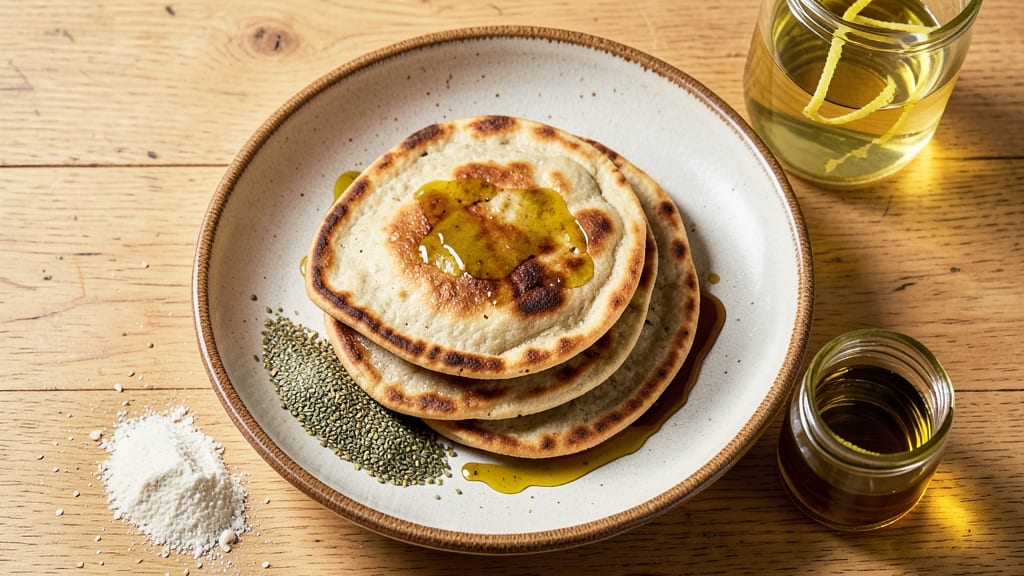
This almond flour flatbread recipe delivers the perfect balance of crispy edges and soft centers in just 15 minutes—no yeast, no waiting, and no compromise on texture.
The secret lies in blending almond flour’s natural moisture with a touch of oil, creating a dough that’s easy to shape and cook to golden perfection. I developed this recipe after years of experimenting with gluten-free flatbreads, and it finally nails that restaurant-quality crunch without sacrificing tenderness.
The beauty of this recipe is its versatility—it works as a wrap for Mediterranean bowls, a base for dips like hummus or baba ganoush, or even as a crispy side for soups and stews.
The dough comes together in minutes with just 5 simple ingredients, and the cooking method (your choice of skillet, oven, or grill) ensures you’ll always get that satisfying contrast of textures.
No special equipment required, just patience for a 10-minute rest to let the dough relax and form a cohesive shape.
What sets this flatbread apart is how it holds up to heat while staying soft inside. The almond flour adds a subtle nutty flavor that pairs beautifully with savory spreads, while the crispy edges create that addictive crunch in every bite.
Unlike traditional flatbreads, this version requires no yeast or long fermentation, making it ideal for busy weeknights or last-minute entertaining. The result? A flatbread that’s as impressive as it is easy to make.
Once you try this recipe, you’ll never go back to store-bought versions. Serve warm with your favorite dips, use as a wrap for sandwiches, or even toast extra pieces for a quick snack. The possibilities are endless, and the process couldn’t be simpler. Let’s get started!
Ingredients for almond flour flat bread
Five simple ingredients transform into crispy, nutty flatbreads with soft centers in minutes.
| Ingredient | Amount | Notes |
|---|---|---|
| Almond Flour 🥜 | 2 cups | Finely ground, unsweetened preferred |
| Extra-Virgin Olive Oil 🫒 | ¼ cup | High-quality, fruity variety |
| Warm Water 💧 | ½ cup | Room temperature preferred |
| Salt 🧂 | ½ tsp | Fine sea salt preferred |
| Ground Flaxseed 🌾 | 1 tbsp | For binding, not flaxseeds |
Almond flour makes or breaks this recipe—Bob’s Red Mill or Anthony’s Goods brands are my go-tos for consistent texture. The finer the grind, the smoother your dough will be. If you can’t find unsweetened, just skip the sweetened version—it’ll add unwanted caramelization. Warm water is key; cold water makes the dough tough. I usually heat mine in the microwave for 20 seconds to take the chill off. The flaxseed is non-negotiable for binding—don’t substitute with chia seeds unless you’re okay with a slightly gummy texture.
No almond flour? Sunflower seed flour works in a pinch—same ratio, but the flavor will be more neutral. Olive oil substitutes? Avocado oil or melted coconut oil both work, but olive oil’s fruity notes complement the almond flavor beautifully. Running short on flaxseed? 1 tbsp ground chia seeds plus 3 tbsp water mimics the binding properties. For salt, Diamond Crystal kosher salt
This dough keeps for 3 days in the fridge, wrapped tightly in plastic. For longer storage, portion into balls, freeze for up to 3 months
Why You'll Love This Recipe
- No-Fuss Mix-In: I swear by this dough—just almond flour, olive oil, and water. No kneading, no waiting, no stress. The flaxseed acts like a binder, so it holds together perfectly every time.
- Nutty Crispy Magic: That first bite? Warm, buttery almond flavor with a golden crust that cracks just enough to stay crispy. Drizzle it with olive oil after baking, and it’s like a little edible hug.
- Meal Prep MVP: I make a double batch on Sundays and freeze them—thaw for 10 minutes, and they’re ready for wraps, dipping in hummus, or even as a quick toast base. Zero waste, all flavor.
- Budget-Smart Luxury: Almond flour’s pricey, but a little goes a long way. One bag lasts me weeks, and the rich taste makes it feel fancy without breaking the bank. Plus, it’s naturally gluten-free, so it’s my go-to for dietary needs.
Step-by-step instructions for almond flour flatbread
Here's how to make crispy-edged, pillowy flatbreads that bake up in record time.
Mix the Almond Flour Base
In a large mixing bowl, combine the 2 cups almond flour and 0.5 tsp salt. I use a whisk to break up any clumps in the almond flour first—this ensures a smooth, even texture in the final dough. The salt is crucial here; it enhances the nutty flavor and helps balance the richness of the olive oil.
Next, add the 1 tbsp ground flaxseed to the bowl. This might seem like a small amount, but it's the secret to binding the dough without making it gummy. The flaxseed acts as a natural gluten substitute, giving these flatbreads their signature chewy yet tender texture. Mix these dry ingredients together until completely homogeneous—you should see no visible specks of flaxseed remaining.
Incorporate Wet Ingredients
Create a small well in the center of your dry mixture and pour in the 0.25 cup extra-virgin olive oil. I like to use a fruity variety here—the extra flavor really shines through in these flatbreads. Add the 0.5 cup warm water to the well as well. Warm water helps activate the flaxseed better than cold water, ensuring a firmer dough structure.
Using a fork or your hands, gradually incorporate the wet ingredients into the dry mixture. Start with the fork to break up larger clumps, then switch to your hands to fully combine everything. You're aiming for a dough that's slightly sticky but holds together when pressed—it should resemble wet sand more than a traditional bread dough. If it's too dry, add a teaspoon more water; if too sticky, sprinkle in a bit more almond flour.
Form and Rest the Dough
Transfer the dough to a lightly floured surface and divide it into 4 equal portions. I like to use a kitchen scale for this to ensure even-sized flatbreads. Gently shape each portion into a smooth ball, then flatten into a 6-inch round about ¼-inch thick. The key here is to keep the edges slightly thicker than the center—this creates those beautiful crispy edges while maintaining a soft interior.
Place the shaped flatbreads on a parchment-lined baking sheet, spacing them about 1 inch apart. Cover the baking sheet loosely with a clean kitchen towel and let the dough rest at room temperature for 10 minutes. This short rest period allows the flaxseed to fully activate and the dough to relax slightly, making it easier to handle and preventing cracking during baking.
Bake to Crispy Perfection
Preheat your oven to 375°F with the rack positioned in the middle position. While the oven heats, use your fingers to gently press down on each flatbread, creating a slightly thicker center and thinner edges. This technique ensures maximum crispiness at the edges while keeping the center tender. I like to make a few small dimples in the surface with my fingertips—this helps the flatbreads puff up slightly during baking.
Bake the flatbreads for 8-10 minutes until the edges are deep golden brown and the centers are still slightly pale. The flatbreads should puff up noticeably and develop an irresistible crispy texture at the edges. Here's the thing—don't overbake them. They'll continue cooking slightly after you remove them from the oven, and you want that soft, pillowy center to remain intact. Rotate the baking sheet halfway through if your oven has hot spots.
Serve Warm and Enjoy
Remove the flatbreads from the oven and let them cool on the baking sheet for 2-3 minutes. This brief cooling period allows them to set slightly, making them easier to handle. Serve immediately while still warm—they're best enjoyed straight from the oven when the contrast between the crispy edges and soft centers is most pronounced.
These flatbreads are incredibly versatile. Use them to scoop up dips, wrap around grilled meats, or serve alongside soups and salads. The nutty flavor from the almond flour pairs beautifully with both sweet and savory toppings. For extra flavor, brush the warm flatbreads with a bit more olive oil and sprinkle with flaky sea salt before serving. They'll keep well at room temperature for up to 2 hours, though they're best enjoyed fresh from the oven.
Pro Tips For Making Almond Flour Flat Bread
- Mix Until Sticky: Combine the almond flour, flaxseed, and salt first—then add olive oil and warm water. Stop mixing when the dough clumps but still feels slightly tacky, like wet sand. Overworking it turns the bread dense instead of light and crisp.
- Let It Rest: Give the dough 10 minutes after mixing before rolling. I used to skip this and ended up with cracks or uneven thickness—now I just wait, and the bread holds together better when cooking.
- Use a Hot Cast Iron: Heat your skillet until a drop of water sizzles and evaporates instantly. Cold pans = soggy bread. A screaming-hot surface gives you that perfect blistered crust in under 2 minutes per side.
- Press Lightly: Roll the dough gently—no need for pressure. Almond flour is delicate, and squishing it creates a tough, chewy texture. Just guide the roller evenly, and the bread will puff naturally when cooked.
Creative variations of this recipe
Mediterranean Herb Twist
Transform your flatbread into a fragrant Mediterranean masterpiece by adding 1 tbsp dried oregano, 1 tbsp dried rosemary, and 1 tsp garlic powder to the dry ingredients. These herbs complement the almond flavor beautifully and pair perfectly with dips like hummus or baba ganoush.
For an extra boost, sprinkle ½ tsp red pepper flakes into the dough before baking—just enough to add a subtle kick. 🌿
Sweet Cinnamon Rolls
Who says flatbreads can’t be sweet? Mix in 1 tbsp ground cinnamon and 1 tbsp maple syrup with the wet ingredients for a breakfast-friendly version. After baking, brush with 1 tbsp melted butter and roll up with a dollop of almond butter or cream cheese.
These taste like a cross between flatbread and cinnamon rolls—trust me, they’re addictive. 🍯
Spiced Chai Version
For a cozy, aromatic twist, add ½ tsp ground cardamom, ½ tsp ground ginger, and ¼ tsp cinnamon to the dough. The warm spices pair wonderfully with chai tea or spiced apple butter.
This version is perfect for fall or winter gatherings when you want something comforting yet still crispy. 🍂
Savory Cheese Stuffing
After shaping your flatbreads, press a small pocket into the center of each and stuff with 1 tbsp shredded goat cheese or feta before baking. The cheese melts slightly, creating pockets of creamy goodness that contrast perfectly with the crispy edges. This technique works especially well with Mediterranean-inspired meals. 🧀
Everything Bagel Seasoning
Sprinkle 1 tbsp everything bagel seasoning (or a mix of 1 tsp sesame seeds, 1 tsp poppy seeds, ½ tsp garlic powder, and ½ tsp onion powder) over the shaped flatbreads before baking.
The crunchy seeds add texture and a savory depth that pairs perfectly with smoked salmon or cream cheese. It’s like a bagel in every bite! 🥯
Lemon-Zest Brightness
Add 1 tbsp lemon zest to the dough for a refreshing citrus kick. The bright, zesty flavor cuts through the richness of the almond flour and pairs beautifully with seafood dishes or fresh salads.
For extra flavor, brush the baked flatbreads with a mix of 1 tbsp olive oil and 1 tsp lemon juice before serving. 🍋
Nutrition facts
Frequently asked questions
Can I make this flatbread without almond flour?
Yes! For a nut-free version, substitute almond flour with 2 cups sunflower seed flour or 1½ cups oat flour plus ½ cup tapioca starch. The texture will be slightly different but still delicious. If using oat flour, ensure it's finely ground for best results.
Why does my dough keep cracking when baking?
Cracking usually happens when the dough isn't rested long enough or the oven is too hot. Always let the dough rest for 10 minutes before baking, and preheat your oven to 375°F—not higher. For extra insurance, press the edges slightly thinner than the center before baking. This creates a stronger base that resists cracking.
How do I store leftover flatbread?
Store cooled flatbreads in an airtight container at room temperature for up to 3 days. For longer storage, wrap individual pieces in plastic wrap and freeze for up to 3 months. To reheat, warm in a dry skillet over medium heat for 30 seconds per side or bake at 350°F for 5 minutes until crispy again.
Can I make these flatbreads in a skillet instead of the oven?
Heat a 10-inch skillet over medium-high heat until hot. Cook each flatbread for 2-3 minutes per side until golden brown and crispy. For extra flavor, brush with olive oil before cooking. This method works especially well for single servings and gives a slightly smoky taste.
What's the best way to add cheese to these flatbreads?
For a gooey center, press a pocket into each flatbread before baking and stuff with 1 tbsp shredded cheese (feta, goat cheese, or mozzarella work best). For a melted topping, sprinkle cheese on top after baking and cover with a lid for 1 minute to melt. Avoid adding cheese too early—it can make the dough too wet and difficult to shape.