
Side Dishes
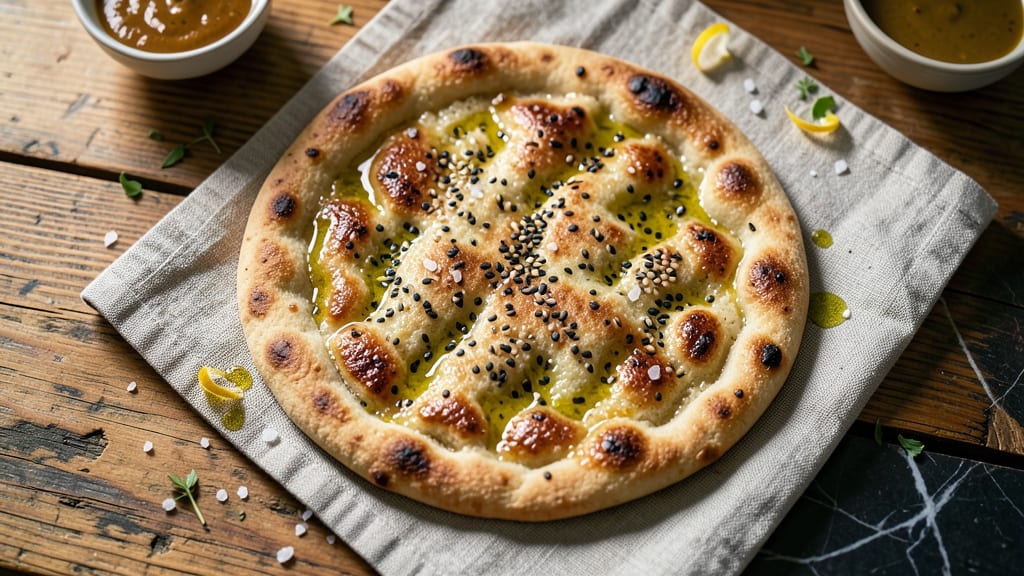
This almond flour flatbread bread recipe delivers crispy edges and a tender interior that pairs perfectly with dips, spreads, or as a wrap—all without gluten or refined flour. The secret lies in the hydration ratio and almond flour's natural binding properties, which create a flexible yet sturdy texture.
Unlike traditional flatbreads, this version stays crispy longer and absorbs flavors beautifully, making it ideal for both savory and sweet applications.
Almond flour brings a subtle nutty depth to the bread, while a touch of olive oil enhances crispiness without overpowering the flavor. The dough requires minimal handling—just mix, rest, and shape—and cooks quickly in a skillet or oven.
Whether you're serving it with hummus, stuffing it with falafel, or using it as a base for bruschetta, this flatbread adapts effortlessly to any meal.
What sets this recipe apart is its foolproof technique for achieving that perfect balance of crispy edges and chewy centers. The dough’s flexibility ensures it won’t crack during cooking, and the lack of gluten means it’s naturally lighter than wheat-based flatbreads.
With just five ingredients and 15 minutes of active prep, you’ll have a batch ready in no time.
For extra flavor, consider adding dried herbs, sesame seeds, or a pinch of garlic powder to the dough before shaping. Once baked, these flatbreads stay fresh for days when stored in an airtight container, making them perfect for meal prep or entertaining. Let’s get started!
Ingredients for almond flour flatbread bread
Five core ingredients plus optional flavor boosters create this gluten-free, crispy-edged flatbread masterpiece.
| Ingredient | Amount | Notes |
|---|---|---|
| Almond Flour 🌰 | 2 cups | Finely ground, unsweetened preferred |
| Extra-Virgin Olive Oil 🫒 | ¼ cup | Light variety for crispiness |
| Warm Water 💧 | ½ cup | Room temperature preferred |
| Salt 🧂 | ½ tsp | Fine sea salt preferred |
| Psyllium Husk Powder 🌾 | 1 tbsp | Key for flexibility and binding |
| Sesame Seeds 🌿 | 1 tbsp | Optional for texture and flavor |
| Garlic Powder 🧄 | ½ tsp | For subtle savory depth |
| Dried Rosemary 🌿 | ¼ tsp | Crushed for aromatic release |
| Ground Flaxseed 🌾 | 1 tbsp | For additional binding |
The almond flour is the foundation—Bob's Red Mill or Anthony's Goods brands ensure consistent texture. Psyllium husk is non-negotiable; it mimics gluten's binding properties while keeping the bread flexible. For the olive oil, California avocado oil works too if you prefer a neutral flavor. Store almond flour in a cool, dark place for up to 6 months—light and heat degrade its quality. The sesame seeds add crunch and visual appeal, but omit them if you prefer a smoother texture. Garlic powder and rosemary are optional but elevate the savory profile significantly.
No psyllium husk? Chia seeds soaked in water can substitute at double the amount, though texture may vary. Short on almond flour? Coconut flour works at half the quantity, but add 1 extra tbsp water per 1/4 cup coconut flour. For extra crispiness, brush the cooked flatbreads with melted coconut oil. The dough should be pliable but not sticky—if too dry, add 1 tsp more water. If too wet, add 1 tbsp more almond flour. For a sweeter version, replace garlic powder with 1 tsp cinnamon and add 1 tbsp maple syrup to the water.
The dough keeps for 3 days in an airtight container, covered with a damp towel to prevent drying. Shape and freeze individual flatbreads on a parchment-lined tray for 1 hour, then transfer to a sealed bag for up to 1 month. To reheat, bake at 375°F for 5-7 minutes or until crispy. These flatbreads reheat beautifully—perfect for meal prep. For extra flavor, brush with olive oil and sprinkle with flaky salt before serving. Store cooked flatbreads in a paper bag to maintain crispiness for up to 5 days.
Why You'll Love This Recipe
- Three-Ingredient Magic: I swear, this recipe feels like cheating. Just almond flour, olive oil, and warm water—no yeast, no waiting, no fuss. The psyllium husk powder does the heavy lifting, binding it all together while you’re still deciding what to have for dinner.
- Crispy-Creamy Dream: That first bite? Crisp edges with a soft, almost buttery center—no one would guess it’s gluten-free. The olive oil adds this nutty richness that pairs perfectly with hummus, soups, or even just a smear of jam.
- Weeknight Wonder: I make a batch on Sundays and keep them wrapped in a towel. They stay fresh for days, perfect for quick lunches or last-minute wraps. No sad, dried-out bread here—just reliable, ready-to-go flatbreads.
- Budget-Friendly Staple: Almond flour might seem pricey, but a little goes a long way, and these flatbreads stretch further than store-bought. Plus, they’re way cheaper than buying individual wraps or tortillas—especially when you factor in how much you’ll want to make.
Step-by-step instructions for almond flour flatbread with crispy edges
Master this gluten-free technique for perfectly flexible flatbread with golden, crispy edges every time.
Combine Dry Ingredients for Optimal Texture
In a large mixing bowl, whisk together the 2 cups almond flour, 1 tbsp psyllium husk powder, 1 tbsp ground flaxseed, 0.5 tsp garlic powder, and 0.25 tsp dried rosemary until thoroughly combined. The psyllium husk is critical here—it creates the signature flexibility and chewiness that sets this flatbread apart from traditional almond flour recipes.
Use a fine-mesh sieve if your almond flour isn't finely ground, as any lumps will create uneven texture in your final bread. I like to press the mixture through the sieve directly into the bowl to ensure everything is uniformly distributed. This step ensures your flatbread will have that perfect balance of crispy exterior and tender interior.
Incorporate Wet Ingredients for Smooth Dough
Create a well in the center of your dry mixture and pour in the 0.25 cup extra-virgin olive oil and 0.5 cup warm water. Add the 0.5 tsp salt as well. Using a fork or silicone spatula, gently mix the ingredients until just combined—you're looking for a shaggy dough that comes together when pressed, not a sticky mess.
I find it helpful to wet my fingers slightly before handling the dough, as almond flour can be quite dry. The mixture should hold together when pressed between your fingers but still feel slightly crumbly. This is normal and actually desirable—it prevents the flatbread from becoming too dense. If the dough feels too dry, add 1 teaspoon of water at a time until it reaches this perfect consistency.
Rest the Dough for Improved Texture
Transfer the dough to a clean work surface and gently shape it into a rough rectangle about ½-inch thick. Wrap it tightly in plastic wrap and let it rest at room temperature for 20 minutes. This resting period allows the psyllium husk to fully hydrate and the gluten-free ingredients to relax, which prevents cracking during cooking.
I know it seems counterintuitive to wait when you're eager to cook, but this step makes all the difference. The dough will become slightly more pliable and easier to handle. If you're short on time, you can refrigerate the wrapped dough for up to 1 hour for even better results, though room temperature works perfectly fine for most kitchens.
Shape and Preheat for Perfect Cooking
Preheat your oven to 375°F and line a baking sheet with parchment paper. Unwrap the rested dough and gently pat it into an even ⅛-inch thick rectangle about 12x8 inches. Sprinkle the 1 tbsp sesame seeds evenly over the surface, pressing them lightly into the dough. The sesame seeds add beautiful texture contrast and subtle nuttiness that complements the almond flour base.
Here's the professional trick: Use your fingers to create a slight dimple pattern all over the surface. This helps the flatbread puff slightly in the oven while still maintaining that signature crispy edge. Place the shaped flatbread on the prepared baking sheet and let it sit for 5 minutes while the oven finishes preheating—this prevents it from shifting during baking.
Bake to Golden Perfection with Crispy Edges
Bake the flatbread for 12-15 minutes until the edges are deep golden brown and the center is lightly toasted. The flatbread should puff slightly in the middle while maintaining that crispy edge—this is what makes it perfect for dipping. Rotate the baking sheet halfway through cooking if your oven has hot spots.
I recommend using the back of a wooden spoon to gently press down on the flatbread during the first 2 minutes of baking. This prevents excessive puffing that could make it difficult to handle. When you remove it from the oven, you should be able to easily flex the flatbread without it cracking—this is the hallmark of properly made almond flour flatbread. Let it cool on a wire rack for 5 minutes before serving to allow the edges to crisp up further.
Pro Tips For Making Almond Flour Flatbread Bread
- MIX THE PSYLLIUM FIRST: Mix the psyllium husk powder with warm water before adding almond flour—this prevents clumping and guarantees even hydration. I learned this the hard way after scraping gummy bits out of my dough for three batches.
- LET THE DOUGH REST: Give the dough a solid 10 minutes after mixing before shaping—this lets the psyllium bind properly. Skipping this makes the bread dense and chewy, not crisp and airy.
- USE A HEAVY SKILLET: Cast iron or steel is non-negotiable for even heat distribution and that perfect golden crust. My nonstick pan gave me a sad, pale flatbread until I switched.
- SALT THE WATER: Add salt to the warm water with the psyllium—it dissolves better and seasons the dough evenly. I used to sprinkle it on top, and the flavor was uneven every time.
Wine and beer pairings for this almond flour flatbread bread
Crispy Edge White Wines
For this almond flour flatbread with its nutty depth and crispy edges, a dry Italian white wine like Pinot Grigio from Alto Adige is my go-to. Its bright acidity and citrus notes cut through the richness while complementing the almond flavor beautifully.
A chilled glass of Vermentino from Sardinia also works wonders—its herbal undertones enhance the rosemary in the dough. 🍷
Crispy Edge Rosé Pairings
Don't overlook dry rosé for this versatile flatbread. A Provençal rosé with its crisp, strawberry notes and subtle floral hints creates a refreshing contrast. Look for one with minimal sweetness—I love Whispering Angel or Château d'Esclans—to avoid clashing with the almond's natural nuttiness.
Serve chilled to highlight the flatbread's crispy texture.
Light Beer Complements
A crisp lager like Peroni or Heineken pairs surprisingly well with this flatbread. The light maltiness balances the almond's richness, while the carbonation cleanses your palate between bites.
For a craft option, try a Belgian witbier—the coriander and citrus notes create an unexpected but delightful contrast with the rosemary and garlic in the dough. 🍺
Sweet Wine Contrast
For a dessert-style flatbread (like the cinnamon-sweetened variation), a Moscato d'Asti or Riesling with 1-2% residual sugar adds an elegant touch. The slight sweetness mirrors the flatbread's subtle sweetness while maintaining the crispy edge's contrast. Serve the wine slightly cooler than room temperature to enhance its refreshing qualities.
Non-Alcoholic Options
For non-drinkers, a sparkling water with cucumber and mint creates a refreshing accompaniment. The crispness of the water mirrors the flatbread's texture, while the cucumber adds a cool, vegetal note that complements the almond flavor.
Alternatively, a chilled hibiscus iced tea with lemon provides a tart contrast that enhances the rosemary's aromatic qualities.
Nutrition facts
Frequently asked questions
Why does this almond flour flatbread need psyllium husk?
Psyllium husk is essential for creating that signature flexible, chewy texture that regular almond flour alone can't achieve. It mimics gluten's binding properties while keeping the bread light and crispy. Without it, your flatbread would be more crumbly and less sturdy. Think of it as the secret ingredient that makes this recipe work perfectly—it's what gives it that professional bakery-quality feel!
Can I make these flatbreads without a skillet or oven?
For a stovetop version, heat a lightly oiled cast-iron skillet over medium-high heat until hot. Shape the dough into a thin circle, place it in the skillet, and cook for 2-3 minutes per side until golden brown and crispy. The key is keeping the heat high to get those perfect crispy edges. Just watch closely to avoid burning!
How do I store these flatbreads to keep them crispy?
Store them in a single layer between sheets of parchment paper inside an airtight container at room temperature for up to 3 days. For longer storage, freeze individual flatbreads for up to 1 month. To reheat, bake at 375°F for 5-7 minutes or warm in a dry skillet for 1 minute per side. The parchment paper prevents sogginess and maintains that crispy texture!
What's the best way to make these sweet instead of savory?
Replace the garlic powder and rosemary with 1 tsp cinnamon and ½ tsp vanilla extract. Add 1 tbsp maple syrup or honey to the water mixture, and sprinkle with toasted coconut flakes instead of sesame seeds. Bake as directed—they'll have a subtle sweetness perfect for dipping in fruit compotes or nut butters!
Why did my flatbread crack during baking?
Cracking usually happens when the dough isn't properly rested or if it's too dry. Always let the dough rest for at least 20 minutes (or up to 1 hour in the fridge) to allow the psyllium husk to hydrate fully. If the dough feels too dry, add 1 tsp water at a time until it's pliable but not sticky. Also, avoid over-handling the dough when shaping—keep it relaxed and even!