
Desserts
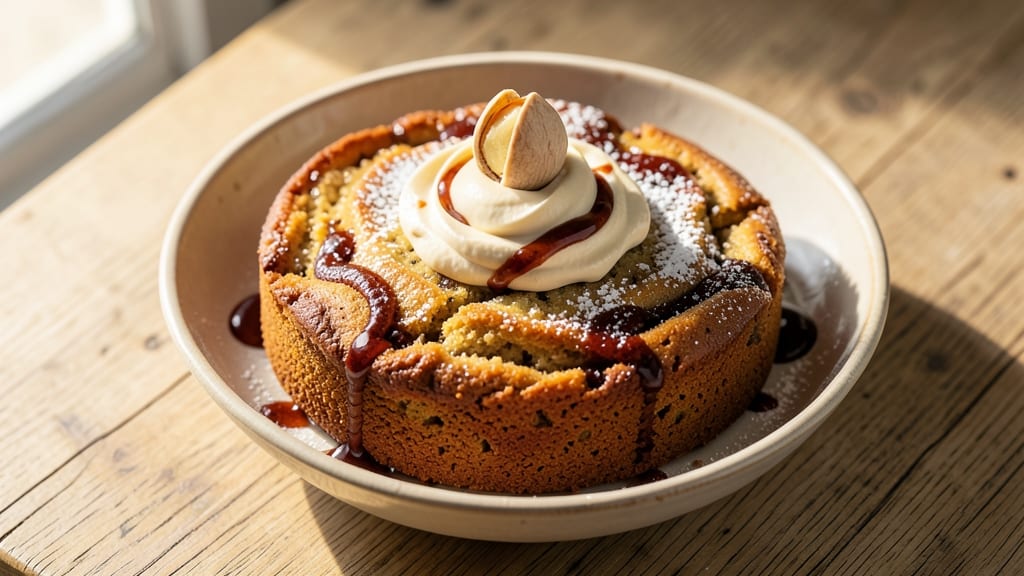
This almond flour gingerbread cake delivers all the warmth of holiday spice with a moist, tender crumb that defies traditional flour-based recipes. The nutty richness of almond flour creates a naturally dense texture while absorbing the signature molasses and ginger flavors—no dryness here.
What makes this recipe stand out is how the spices infuse the batter during baking, resulting in a cake that tastes like it's been simmering with cinnamon and cloves all day.
The secret to achieving that perfect moistness lies in the combination of almond flour and a simple syrup glaze that keeps the cake tender for days. Unlike traditional gingerbread, this version requires no extra fat—just eggs and a touch of oil—to bind everything together.
The result? A cake that's rich enough to satisfy spice lovers but light enough to cut cleanly, making it ideal for both holiday celebrations and everyday cravings.
Every slice offers layers of flavor: the deep warmth of molasses, the bright snap of ginger, and the subtle nuttiness from the almond flour. The edges stay slightly crisp while the center remains velvety, creating the perfect balance of textures.
Whether you're adapting this for dietary restrictions or simply craving a healthier holiday treat, this recipe delivers restaurant-quality results without the guilt.
For an extra touch, brush the cooled cake with a simple powdered sugar glaze or dust with cinnamon sugar—though honestly, it's delicious plain. The beauty of this recipe is its versatility: it works as a showstopper dessert or a comforting afternoon snack. Let's get baking!
Ingredients for almond flour gingerbread cake
Almond flour and warm spices create this moist, tender gingerbread cake without traditional dryness.
| Ingredient | Amount | Notes |
|---|---|---|
| Almond Flour 🥜 | 2 ½ cups | Finely ground, unsweetened preferred |
| Large Eggs 🥚 | 4 whole | Room temperature for even mixing |
| Unsalted Butter 🧈 | ½ cup | Softened, not melted |
| Granulated Sugar 🍚 | 1 cup | White or light brown |
| Molasses 🍯 | ½ cup | Unsulphured for best flavor |
| Vanilla Extract 🌿 | 1 tbsp | Pure, high-quality preferred |
| Ground Ginger 🌶️ | 2 tsp | Freshly ground for potency |
| Ground Cinnamon 🌶️ | 2 tsp | Freshly toasted for aroma |
| Ground Cloves 🌶️ | ½ tsp | Freshly ground for intensity |
| Baking Soda 🧂 | ½ tsp | Pure, aluminum-free |
| Salt 🧂 | ½ tsp | Fine sea salt preferred |
| Powdered Sugar 🍚 | ½ cup | For glaze, sifted smooth |
| Orange Zest 🍊 | 1 tbsp | Freshly grated, organic preferred |
| Extra-Virgin Olive Oil 🫒 | ¼ cup | For moisture, high-quality |
Almond flour is the backbone of this recipe—Bob's Red Mill or Anthony's Goods are my go-tos for consistency. The finer the grind, the smoother your cake will turn out. If you're using pre-ground flour, sift it first to avoid lumps. For the molasses, unsulphured is key—it has a deeper, more complex flavor that stands up to the spices. I always buy mine from Whole Foods or Trader Joe's because their selection is reliable. The spices? Freshly ground makes all the difference—Penzeys bulk spices are worth the investment if you bake often.
No almond flour? Substitute with 1.5 cups all-purpose flour plus 1 cup ground almonds, but the texture will be slightly different. Running out of molasses? Maple syrup at half the amount works in a pinch, though the flavor won't be identical. The olive oil can be swapped for avocado oil or melted coconut oil if you prefer. For the orange zest, organic peel is best—avoid waxed oranges. If you can't find fresh ginger, dried ground ginger works at double the amount, but fresh is always better. The vanilla extract should be pure—imitation extracts will leave a chemical aftertaste.
Store the cake in an airtight container at room temperature for up to 3 days—it actually tastes better the next day as the flavors meld. For longer storage, freeze slices wrapped in plastic for up to 3 months. The glaze should be brushed on just before serving to keep it from dissolving. If you prefer a dusting of cinnamon sugar, do it right before cutting. This cake reheats beautifully—30 seconds in the microwave brings it back to room temperature, perfect for a quick dessert.
Why You'll Love This Recipe
- No Mixer Needed: I swear by this recipe when my mixer’s acting up—just whisk eggs and butter until light, then fold in the almond flour. The texture comes out tender and moist without a single pulse.
- Molasses Magic: That deep, caramelized molasses kick makes this cake taste like a hug from a spice cabinet. Honestly, it’s the secret weapon—just don’t skimp on the tablespoon measurements.
- Holiday or Snack: Serve it warm with whipped cream for a cozy dessert, or cut into squares for a grab-and-go breakfast. (Yes, even on a Tuesday night.) The almond flour keeps it light enough for brunch but hearty enough for Christmas.
- Budget-Friendly Leftovers: A single batch feeds six but lasts me a week—sliced thin for toast or reheated with butter for a quick treat. The almond flour stretches further than regular flour, so you’re not just saving time, you’re saving cash.
Step-by-step instructions for almond flour gingerbread cake
Here's how to create a perfectly moist almond flour gingerbread cake with a rich spice infusion.
Combine Wet Ingredients for Even Mixing
In a large mixing bowl, whisk together the 4 whole large eggs and 1 cup granulated sugar until fully combined and slightly thickened. I like to use a hand mixer for this step—it helps incorporate air while keeping the batter light. The mixture should be pale yellow and hold its shape when drizzled.
Next, add the 0.5 cup unsalted butter, 0.25 cup extra-virgin olive oil, 0.5 cup molasses, and 1 tablespoon vanilla extract. Whisk continuously until the butter and oil are completely melted and the mixture is smooth. The molasses will darken the batter slightly, which is normal and indicates proper infusion of its deep flavor.
Incorporate Dry Ingredients Gently
In a separate bowl, sift together the 2.5 cups almond flour, 2 teaspoons ground ginger, 2 teaspoons ground cinnamon, 0.5 teaspoon ground cloves, 0.5 teaspoon baking soda, and 0.5 teaspoon salt. The sifting ensures even distribution of the spices and prevents lumps in the almond flour, which can make the cake dense.
With the mixer on low speed, gradually add the dry ingredients to the wet mixture. Mix just until combined—you should still see small streaks of flour. Overmixing develops gluten in the almond flour, which can make the cake tough. Stop mixing as soon as all the dry ingredients are incorporated and the batter is smooth.
Fold in Orange Zest and Prepare the Pan
Remove the mixing bowl from the mixer and gently fold in the 1 tablespoon orange zest using a silicone spatula. The zest adds a bright citrus note that balances the warmth of the spices. Be careful not to overfold—the batter is delicate and can deflate if worked too much.
Preheat your oven to 350°F and grease an 8-inch round cake pan or line it with parchment paper. The almond flour batter sticks easily, so the greasing or parchment prevents it from tearing when you remove the cake. Pour the batter into the prepared pan and smooth the top with a spatula.
Bake Until Golden and Springy
Bake the cake for 35-40 minutes, or until a toothpick inserted into the center comes out clean. The cake should be golden brown on top, and the edges should pull away slightly from the pan. I know it seems like a long time for almond flour, but patience is key—almond flour cakes bake more slowly than wheat flour cakes and need that extra time to fully set.
If the top starts to brown too quickly, tent the cake with aluminum foil to prevent over-browning while it continues to bake through. The cake is done when it springs back slightly when pressed in the center and the toothpick test confirms doneness. Remove it from the oven and let it cool in the pan for 10 minutes before transferring to a wire rack to cool completely.
Glaze and Serve for Maximum Moisture
While the cake is still warm, prepare the glaze by whisking together the 0.5 cup powdered sugar and 1-2 tablespoons warm water (start with 1 tablespoon and add more as needed) until smooth. The glaze should be thick enough to coat the back of a spoon but still drizzle easily.
Drizzle the glaze evenly over the top of the cooled cake, letting it drip slightly over the sides for a decorative finish. The glaze not only adds sweetness but also helps lock in moisture, ensuring your cake stays tender for days. Serve slices at room temperature for the best texture and flavor balance.
Pro Tips For Making Almond Flour Gingerbread Cake
- MIX THE BUTTER COLD: Pull that butter straight from the fridge—no softening needed. I learned this the hard way after three batches where the cake turned out dense and greasy. Cold butter creates pockets for air, giving you that signature gingerbread lift. (Yes, even if you’re impatient like me.)
- WHISK EGGS ROOM TEMP: Let those eggs sit out for 30 minutes before cracking them. Cold eggs mix unevenly with the butter and sugar, and your batter will end up streaky. Room-temp eggs blend smoother, ensuring a consistent texture—no surprise lumps when you pour.
- STOP WHEN THE CENTER JIGGLES: Your cake’s done when the edges pull away from the pan and the center wobbles like Jell-O. Overbaking dries out almond flour cakes faster than you’d think. Pull it out early, tent with foil, and let it rest—it’ll keep cooking off the heat.
- TOAST THE ALMOND FLOUR FIRST: Spread the almond flour on a baking sheet and toast it at 350°F for 5–7 minutes. This banishes any raw taste and deepens the nutty flavor. (I skip this when I’m lazy, but the difference in richness is noticeable.)
Storing and reheating this almond flour gingerbread cake
Room-Temp Storage
Keep your gingerbread cake at room temperature in an airtight container for up to 3 days. The almond flour base actually improves overnight as the spices deepen in flavor.
I wrap mine in parchment paper before sealing to prevent drying. Store away from direct sunlight to maintain freshness and texture. 🌟
Freezer Preservation
For longer storage, slice the cake and wrap individual portions in plastic wrap, then place them in a freezer bag for up to 3 months. Label with the date to track freshness.
When ready to enjoy, thaw slices at room temperature for 1-2 hours—no microwave needed. The texture remains moist and tender when properly stored. ❄️
Reheating Methods
For a quick treat, reheat individual slices in the microwave for 15-20 seconds on medium power. Cover with a damp paper towel to restore moisture. Alternatively, warm slices in a 200°F oven for 5-7 minutes for a gentle, even heat that preserves the cake's delicate crumb. 🔥
Glaze Refresh
If the glaze looks dry after storage, simply brush a thin layer of warm water over the cake, then dust with powdered sugar to revive the shine. For extra flavor, add 1 tsp lemon juice to the water before brushing—it brightens the spices beautifully.
This trick works wonders for both room-temperature and thawed slices. ✨
Make-Ahead Tips
Bake the cake 1 day ahead of serving for maximum flavor development. Store the unglazed cake in the fridge for up to 2 days before glazing—this prevents sogginess.
For holiday prep, bake the cake 2 days ahead, freeze it whole (wrapped tightly), then thaw and glaze when ready to serve. The flavors meld beautifully over time! 📅
Nutrition facts
Frequently asked questions
Why does almond flour make this gingerbread cake so moist?
Almond flour absorbs liquid differently than traditional flour, creating a denser crumb that holds moisture beautifully. The natural fats in almonds also contribute to a tender texture without needing extra butter or oil. Plus, the molasses and orange zest work together to keep the cake juicy for days!
Can I make this cake vegan?
Yes! Replace the eggs with 4 flax eggs (4 tbsp ground flaxseed + 10 tbsp water, mixed and rested for 5 minutes). Use vegan butter or coconut oil instead of regular butter, and ensure your molasses is vegan-certified. The texture will be slightly denser but still delicious.
How do I prevent the cake from cracking?
Cracking happens when the cake bakes too quickly. To avoid it, bake at 325°F instead of 350°F and tent with foil after 20 minutes. Also, don't overmix the batter—just combine until smooth. The almond flour is delicate, so handle it gently!
What's the best way to decorate this cake?
Try a simple powdered sugar glaze (as in the recipe) or dust with cinnamon sugar for a festive look. For extra flair, pipe whipped cream between layers or top with candied ginger slices. The warm spices pair perfectly with cream cheese frosting too!
Can I use this recipe for cupcakes?
Divide the batter evenly into 12 lined cupcake pans and bake at 350°F for 18-20 minutes. The smaller size ensures even baking. Top with mini gingerbread houses or a dollop of whipped cream for a fun twist!