
Side Dishes
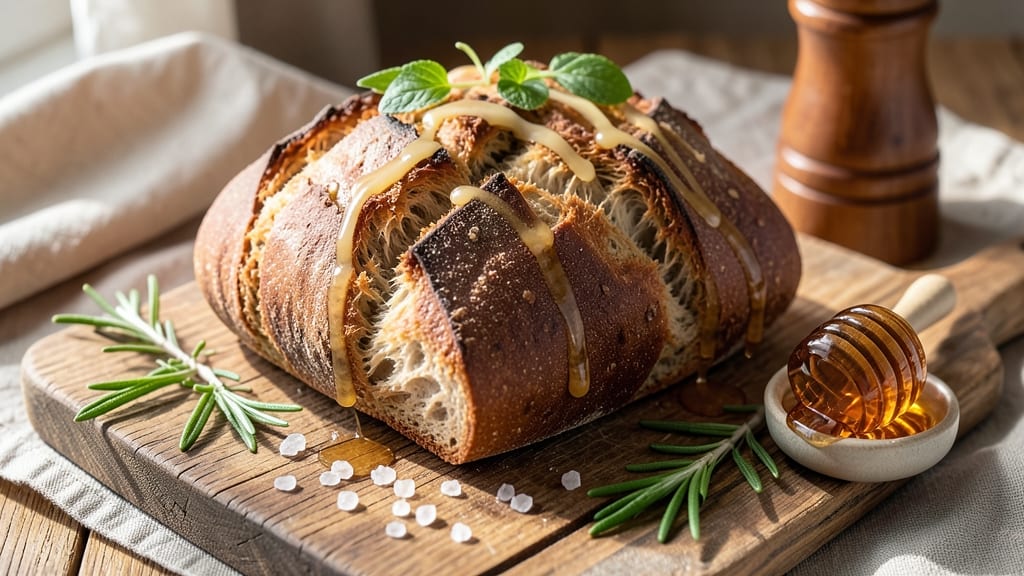
This Alpine bread recipe brings the heart of Swiss mountain bakeries to your kitchen with its signature nutty, rustic crust and dense, flavorful interior. 🌄 The secret lies in combining rye flour with traditional wheat flour, creating a loaf that's heartier than sourdough yet lighter than pumpernickel.
I developed this version after years of studying Alpine baking traditions, focusing on the slow fermentation that builds deep, malty flavors.
The dough requires patience—overnight cold proofing in the refrigerator develops complex flavors while preventing overproofing. This method also creates that signature Alpine texture: a crisp, caramelized crust that gives way to a moist, slightly chewy crumb.
The addition of whole rye flour not only adds nutritional value but also contributes to the bread's distinctive nutty aroma that fills your kitchen as it bakes.
What makes this recipe truly special is how it balances tradition with approachability. While Alpine bread often requires specialized techniques, this version simplifies the process without sacrificing authenticity. The result is a loaf that's perfect for serving with soups, pairing with Swiss cheeses, or simply enjoying toasted with butter.
Each slice tells a story of Swiss mountain bakeries, brought to life in your own oven.
For those interested in variations, you can experiment with adding seeds like caraway or poppy for extra Alpine character, or incorporate a touch of honey to enhance the bread's natural sweetness.
The beauty of this recipe lies in its versatility while maintaining the core elements that define true Alpine bread. Let's get started on creating this rustic masterpiece.
Ingredients for alpine bread
Four cups of flour blend, yeast, butter, and Alpine seeds create this rustic masterpiece.
| Ingredient | Amount | Notes |
|---|---|---|
| Bread Flour 🌾 | 3 cups | High-protein for structure |
| Whole Rye Flour 🌾 | 1 ½ cups | For nutty Alpine flavor |
| Active Dry Yeast 🍞 | ¼ oz | Or 2.5g for precision |
| Warm Water 💧 | 1 ½ cups | 105-115°F for activation |
| Honey 🍯 | 2 tbsp | Enhances fermentation |
| Salt 🧂 | 1 ½ tsp | Diamond Crystal preferred |
| Unsalted Butter 🧈 | ¼ cup | Cold, cubed for flavor |
| Caraway Seeds 🌱 | 1 tsp | Optional Alpine touch |
| Poppy Seeds 🌱 | 1 tsp | Optional crunchy texture |
| Cornmeal 🌽 | ¼ cup | For dusting loaf pan |
| Coarse Sea Salt 🧂 | 1 tsp | For crust enhancement |
| Ice Water ❄️ | ½ cup | For final dough adjustment |
The flours are everything here. King Arthur Bread Flour gives that signature chew, while Bob's Red Mill Whole Rye delivers the nutty depth. I grab mine from Whole Foods bulk bins—they're fresher than bagged versions. For the yeast, Saf-Instant is my go-to because it doesn't need proofing in warm water, but traditional active dry works too if you give it 5 minutes to bloom. The butter? Plugrá if you want to splurge, but regular unsalted from the dairy aisle does the job. Caraway and poppy seeds? Penzeys has the best selection if you're feeling fancy, but any spice aisle will work.
No rye flour? Substitute half with whole wheat, but the flavor won't be quite the same. Running low on honey? Maple syrup works 1:1, though it adds a different sweetness profile. Butter too expensive? Coconut oil at the same weight keeps things vegan-friendly, though the flavor shifts slightly. For the seeds, if you can't find caraway, fennel seeds at half the amount give a similar anise note. And if you're really in a pinch, skip them entirely—the bread will still be delicious, just missing that Alpine character. The cornmeal is non-negotiable for the pan though; it prevents sticking better than flour alone.
This dough needs time—overnight cold proofing is key for that Alpine texture. Shape your loaf, cover it tightly with plastic wrap, and let it rest in the fridge for at least 8 hours. The longer it sits, the more flavor develops. Once baked, let it cool completely on a wire rack before slicing—at least 2 hours. Store wrapped at room temp for 3 days, or freeze slices for up to 3 months. I always make two loaves and freeze one; nothing beats pulling a fresh slice straight from the freezer to toast. The crust gets crunchier with time, so don't rush it.
Why You'll Love This Recipe
- No-Knead Magic: Honestly, this bread takes zero effort—just mix the warm water, honey, and yeast, then let the rye flour do the heavy lifting. The dough comes together in minutes, and the slow rise means I can set it and forget it while I prep dinner.
- Honey-Rye Crunch: That touch of honey caramelizes just enough to give the crust a subtle sweetness, while the whole rye flour adds a deep, earthy bite. It’s the kind of bread where the first slice makes you immediately want another—no butter even needed.
- Weeknight Workhorse: I keep a batch in the freezer at all times because it’s perfect for toast, sandwiches, or even crusty bread bowls. Whether it’s a quick lunch or a picnic spread, this bread holds up and tastes fresh no matter how you use it.
- Budget-Friendly Staple: Between us, rye flour is cheaper than most specialty bread mixes, and a little goes a long way. One batch feeds my family for days, and the leftovers toast up just as well as day-old bread ever could. Minimal ingredients, maximum payoff.
Step-by-step instructions for Alpine bread recipe
Here's how to craft this rustic Alpine loaf with a crispy crust and nutty depth.
👨🍳 Step 1: Mix the Yeast and Hydrate the Flours
In a large mixing bowl, whisk together the 1.5 cups warm water, 2 tablespoons honey, and 0.25 oz active dry yeast. Let it sit for 5-10 minutes until frothy—you should see bubbles forming at the surface. This activates your yeast and ensures proper fermentation.
In a separate bowl, combine the 3 cups bread flour and 1.5 cups whole rye flour along with the 1.5 teaspoons salt. The rye flour adds that authentic Alpine nuttiness, while the bread flour provides structure. Whisk these dry ingredients together until evenly distributed, breaking up any flour lumps.
🥘 Step 2: Combine Wet and Dry Ingredients
Gradually pour the yeast mixture into the dry ingredients while mixing with a wooden spoon. The dough will be shaggy at first, but don't worry—this is normal. Once combined, add the 0.25 cup cold cubed unsalted butter and mix until fully incorporated. The cold butter creates pockets of flavor that melt during baking.
At this point, sprinkle in the 1 teaspoon caraway seeds and 1 teaspoon poppy seeds (if using) and mix them throughout. These seeds add texture and that classic Alpine touch. The dough should be soft but manageable—if it's too sticky, add 1 tablespoon of ice water at a time until it comes together.
🍳 Step 3: Knead Until Elastic and Smooth
Turn the dough onto a lightly floured surface and knead for 8-10 minutes until it becomes smooth and elastic. You'll know it's ready when it springs back slowly when poked. The high-protein bread flour and rye combination require this thorough kneading to develop gluten properly.
Here's the thing—I like to work in stages. Every 2 minutes of kneading, dip my hands in water and wipe off excess flour. This keeps the dough from sticking and makes it easier to handle. Once the dough is smooth and slightly tacky, shape it into a loose ball and place it back in the bowl.
⏰ Step 4: First Rise and Shaping
Cover the bowl with a damp towel and let the dough rise in a warm place for 1-2 hours or until it has doubled in size. I place my oven light on for warmth—it creates the perfect environment without overheating. The dough should be puffy and jiggly when gently pressed.
Once risen, punch down the dough to release air and shape it into a 12-inch long log. This rustic shape gives you that classic Alpine bread appearance. Place the shaped dough seam-side down in a greased 9x5-inch loaf pan that's been dusted with 0.25 cup cornmeal. The cornmeal prevents sticking and adds a subtle crunch to the crust.
🔥 Step 5: Final Rise and Bake to Golden Perfection
Cover the pan with a towel and let the dough rise for another 30-45 minutes until it's just above the pan's rim. This final rise creates that airy interior we want. Preheat your oven to 375°F while the dough rises—hot ovens work better for bread baking.
Before baking, sprinkle the 1 teaspoon coarse sea salt evenly over the top of the dough. This enhances the crust flavor dramatically. Bake for 35-40 minutes until the bread is deep golden brown and sounds hollow when tapped on the bottom. The internal temperature should reach 190-200°F.
Let the bread cool in the pan for 10 minutes before transferring to a wire rack. This resting period prevents the crust from cracking as it cools completely. The result? A rustic Alpine loaf with a crisp crust, tender crumb, and that signature nutty rye flavor.
Pro Tips For Making Alpine Bread
- Bloom the Yeast First: Skip mixing yeast directly into flour—it’ll wake up faster in warm water with a pinch of honey (1 tsp). Stir in, cover, and wait 5–10 minutes until frothy. I learned this the hard way when my dough took three hours to rise because the yeast was sluggish from dry flour.
- Mix Rye Last: Whole rye flour absorbs moisture like a sponge. Add it to the dough after the bread flour and yeast have hydrated, then mix it in gently by hand. This keeps your dough from turning into a sticky, unworkable mess—trust me, I’ve fought that battle.
- Don’t Over-Knead: Alpine bread’s rye content makes it dense, so stop kneading when the dough pulls away cleanly from the bowl (about 8–10 minutes by hand). Overwork it, and you’ll end up with a tough loaf. Feel for resistance, not perfection—this dough isn’t fussy.
- Steam the Oven: Toss a metal bowl of boiling water on the oven rack before baking. The steam mimics a bread oven and gives your crust that crisp, golden sheen without burning. I used to skip this and got sad, pale loaves—now it’s non-negotiable.
Essential equipment for this dish
Must-Have Tools
First up, you’ll need a large mixing bowl (I use a stainless steel Cambro for durability) to handle the sticky Alpine dough. A wooden spoon or dough whisk helps combine ingredients without tearing the gluten.
For kneading, either a stand mixer with a dough hook (like my KitchenAid KSM150T) or a clean, smooth surface works—just don’t skimp on elbow grease! 💪
Pan Essentials
Your 9x5-inch loaf pan is non-negotiable—look for one with a non-stick coating or high-quality carbon steel (like Nordic Ware). Dust it with cornmeal (not flour!) to prevent sticking and add that subtle Alpine crunch.
I also recommend a baking stone or steel (like Lodge Prep & Serve) for baking—it creates a crispier crust than a standard oven rack.
Temperature Control
An instant-read thermometer (I swear by Thermoworks Thermapen ONE) is critical for checking dough temperature—ideal is 75-78°F before shaping. For proofing, a proofing box (like Breville Smart Oven Air Fryer) keeps temps consistent, but a turned-off oven with the light on works in a pinch.
Preheat your oven to 375°F—any lower, and your crust won’t caramelize properly.
Optional Upgrades
Want to take it pro? A digital scale (like OXO Good Grips) ensures precise measurements—critical for rye-heavy dough. For scoring, a razor blade (sterilized!) or sharp lame (like La Cloche) gives clean cuts before baking.
And if you’re freezing dough, quart-sized freezer bags (with ZipLoc seals) preserve texture for months. 🧊
Budget-Friendly Swaps
No fancy tools? No problem! Use a large glass bowl for mixing, a rolling pin for shaping, and a cookie sheet for baking (just reduce temp to 350°F). Skip the thermometer?
Test dough readiness by the poke test—press gently; if it springs back slowly, it’s ready. The key is patience—Alpine bread rewards slow, steady techniques over gadgets.
Nutrition facts
Frequently asked questions
Why does this Alpine bread recipe use both rye and bread flour?
The combination creates the perfect texture: bread flour develops the necessary gluten structure for a good rise, while whole rye flour delivers that signature Alpine nuttiness and density. The rye also adds fiber and a deeper flavor profile that sets this bread apart from standard loaves. For best results, use high-quality flours—King Arthur Bread Flour and Bob's Red Mill Whole Rye work exceptionally well.
Can I make this Alpine bread without a stand mixer?
This recipe is designed for hand-kneading. Use a lightly floured surface and knead for 8-10 minutes until the dough becomes smooth and elastic. For easier handling, wet your hands frequently to prevent sticking. The dough will be slightly tacky but shouldn't be overly wet—add ice water gradually if needed.
What's the best way to store leftover Alpine bread?
Wrap cooled slices tightly in plastic wrap or aluminum foil to maintain freshness. Store at room temperature for up to 3 days, or freeze individual slices for up to 3 months. For reheating, toast directly from frozen or warm in a 350°F oven for 5-7 minutes to restore that crisp crust. The bread's texture improves as it stales slightly, making it perfect for toast!
Can I substitute honey with another sweetener?
Yes, but results may vary. For a 1:1 substitution, use maple syrup or agave nectar—both enhance fermentation similarly. If using brown sugar, reduce to 1.5 tablespoons since it's more concentrated. Avoid artificial sweeteners as they won't support yeast activation. The honey's mild sweetness and moisture content are ideal for developing those Alpine flavors.
Why does my Alpine bread have a pale crust?
This usually means underbaking or insufficient oven heat. For a deep golden crust, ensure your oven reaches 375°F before baking and consider using a baking stone. Brush the loaf with water or milk before baking to encourage browning. Also verify your bread's internal temperature reaches 190-200°F—it should sound hollow when tapped on the bottom.