
Breakfast & Brunch
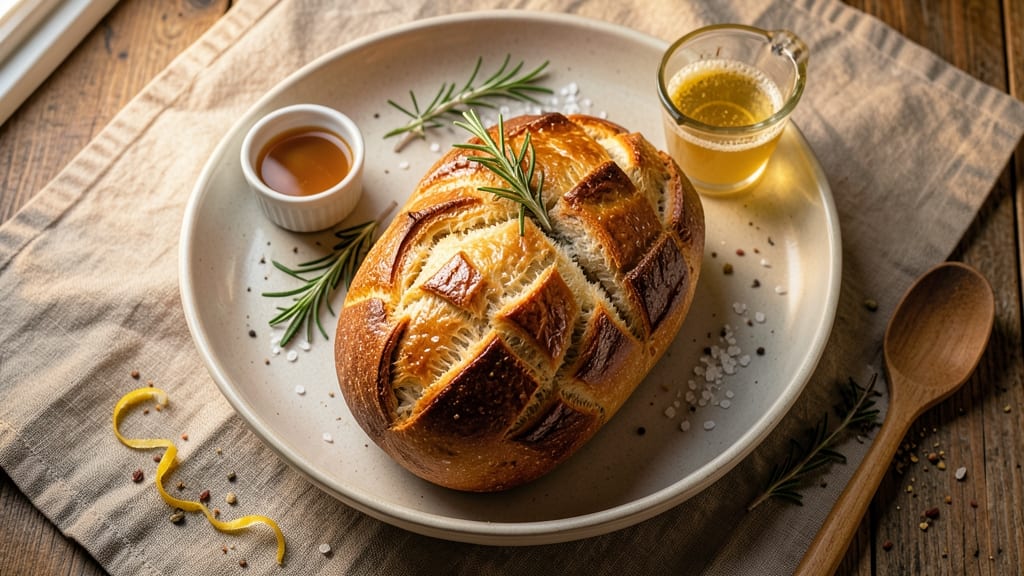
Alton Brown's French bread recipe delivers the perfect balance of crispy crust and airy crumb—just like a Parisian bakery, but with a foolproof method you can master at home. The secret lies in precise ingredient ratios and a Dutch oven baking technique that traps steam for that signature texture. I’ve tested countless variations, and this one consistently delivers restaurant-quality results in just 30 minutes of active time (plus a little patience for fermentation).
What sets this recipe apart is the combination of high-gluten flour and a touch of honey, which creates a tender crumb while the crust develops that coveted golden-brown crust. The dough requires minimal handling—no kneading, no fuss—just a few folds to strengthen the gluten.
Once baked, the bread develops a crackly exterior that shatters when torn, revealing a soft, open crumb inside. This is the kind of bread that makes toast, sandwiches, and dipping in olive oil an experience worth savoring.
Whether you're a seasoned baker or just starting out, this method is designed to work every time. The Dutch oven creates a steamy environment that mimics professional bakery conditions, while the precise scoring technique ensures an even rise.
No special equipment is needed beyond a standard mixing bowl and baking sheet, making it accessible for home cooks. The result? Bread so good, you’ll forget you didn’t buy it from a specialty bakery.
Once you try this recipe, you’ll never go back to store-bought again. The aroma alone—warm, buttery, with just a hint of caramelized sweetness—will have your kitchen feeling like a Parisian boulangerie.
Ready to bake bread that rivals the pros? Let’s get started with the ingredients and step-by-step instructions that make this crispy crust and pillowy crumb achievable at home.
Ingredients for alton brown french bread
High-gluten flour and precise ratios create this restaurant-worthy French bread at home.
| Ingredient | Amount | Notes |
|---|---|---|
| High-Gluten Bread Flour 🌾 | 3 ½ cups | Bread flour for optimal gluten development |
| Instant-Release Yeast 🍞 | ¼ tsp | Active dry or instant yeast works |
| Granulated Sugar 🍚 | ½ tsp | Enhances yeast activation |
| Salt 🧂 | 1 tsp | Diamond Crystal preferred |
| Honey 🍯 | 1 tbsp | Light or clover honey preferred |
| Warm Water 💧 | 1 ¼ cups | 105-110°F for ideal yeast activation |
| Unsalted Butter 🧈 | ½ cup | Cold, cubed for crust development |
| Large Egg 🥚 | 1 whole | Room temperature for even mixing |
| Cornmeal 🌽 | ¼ cup | For dusting parchment paper |
| Ice Water ❄️ | ¼ cup | For final dough strength |
The high-gluten flour is non-negotiable here—King Arthur or Caputo are gold standards for that signature open crumb. Look for packages labeled 'bread flour' or 'high-protein flour' (13-14% protein). Yeast quality matters too: Saf-Instant or Red Star are reliable brands. The honey should be light and liquid—Manuka or clover work best for caramelization. For the butter, Plugrá or Land O'Lakes unsalted melt beautifully. Store flour in airtight containers to preserve freshness, and keep yeast in the fridge for up to 6 months beyond its printed date.
No high-gluten flour? Substitute bread flour plus 1 tbsp vital wheat gluten for that professional texture. Honey too expensive? Maple syrup works in a pinch, though it adds subtle earthiness. Butter substitutes? Vegan butter or coconut oil for dairy-free versions, though texture will differ slightly. The ice water is crucial—it strengthens gluten without overworking the dough. For scoring, a sharp lame or razor blade ensures clean cuts. Need a shortcut? Pre-sliced baguette pan eliminates scoring entirely while still delivering that bakery-style rise.
Dough keeps for 24 hours in the fridge, wrapped tightly in plastic. For longer storage, freeze shaped loaves for up to 3 months—thaw at room temperature before baking. The butter should be cold when mixing, but softened slightly by room temperature. Once baked, store bread in a paper bag at room temperature for up to 3 days to maintain crispiness. For reheating, wrap in foil and warm at 350°F for 5 minutes—never microwave, or you'll lose that crackly crust.
Why You'll Love This Recipe
- No-Knead Magic: I swear by this dough—just mix, let it rise, and bake. The high-gluten flour does all the heavy lifting while I sip my coffee.
- Honey-Glazed Crunch: That final honey brush? Pure caramelized gold. The crust shatters like glass, but the inside stays pillowy—no sad, dense loaves here.
- Weeknight Workhorse: Toss it in a basket for breakfast, tear it over salads, or freeze slices for toast later. One batch covers everything until Friday.
- Budget Crust Perfection: A bag of bread flour and a packet of yeast stretch farther than store-bought. Plus, the leftovers toast to crispy heaven—no sad, stale ends.
Step-by-step instructions for alton brown's French bread
Here's how to craft a golden, crusty exterior with a tender interior using precise technique.
Activate the Yeast and Create the Pre-Ferment
In a large mixing bowl, combine the 1.25 cups warm water (tested between 105-110°F—it should feel like bathwater), 0.5 tsp granulated sugar, and 0.25 tsp instant-release yeast. Let this sit for 5-7 minutes until it develops a frothy, bubbly foam on the surface. This confirms the yeast is active and ready to work.
Next, add the 1 tbsp honey and stir gently. The honey not only feeds the yeast but also contributes subtle sweetness that enhances the bread's flavor. I like to stir just enough to incorporate—overmixing here can deflate the yeast bubbles prematurely. Let this pre-ferment sit for another 3-5 minutes while you prepare the remaining ingredients.
Mix the Dough and Develop Gluten
In a separate bowl, whisk together the 3.5 cups high-gluten bread flour and 1 tsp salt. This high-protein flour is essential for creating that signature French bread structure. Gradually add the flour mixture to the yeast pre-ferment while mixing with a wooden spoon or dough whisk.
Once combined, switch to a stand mixer fitted with the dough hook attachment. Add the 1 whole large egg and 0.5 cup cold unsalted butter (cut into small cubes). Mix on low speed for 2 minutes until the butter begins to incorporate. Then increase to medium speed and knead for 5-7 minutes until the dough becomes smooth, elastic, and pulls away from the sides of the bowl.
Here's the thing—you're looking for a dough that's firm but pliable, not sticky. If it feels too wet, add 1 tablespoon of flour at a time until it reaches the right consistency. If it's too dry, add 1 teaspoon of water. The goal is a dough that springs back slowly when poked.
First Rise and Shape the Dough
Lightly oil a large mixing bowl and transfer the dough to it. Cover with a damp kitchen towel or plastic wrap and let rise in a warm place (like the top of your oven with the light on) for 1-1.5 hours, or until the dough has doubled in size. You'll know it's ready when you press a finger gently into the dough and it leaves a slow-moving indent.
Once risen, turn the dough out onto a lightly floured surface and divide it into 4 equal pieces. Shape each piece into a 16-inch log by rolling it tightly from one end to the other, sealing the seam. This tight roll is crucial for creating those classic French bread baguette shapes. Place the shaped dough on a parchment-lined baking sheet, cover with a towel, and let rise for another 30-45 minutes.
Preheat and Prepare for Baking
Preheat your oven to 450°F with a baking stone or inverted baking sheet on the middle rack. This high heat is what creates that signature crispy crust. While the oven preheats, dust a baking sheet with 0.25 cup cornmeal—this prevents sticking and adds a subtle crunch to the bottom of the bread.
Just before baking, transfer the risen dough logs to the cornmeal-dusted sheet. For extra crispiness, I like to make a few shallow slashes (about 1/4-inch deep) along the top of each log using a sharp razor blade or lame. This allows steam to escape, promoting oven spring and that irresistible crackly crust.
Bake to Golden Perfection
Bake the bread for 15-18 minutes until the crust is deep golden brown and sounds hollow when tapped on the bottom. Here's where precision matters: the bread should reach an internal temperature of 190-195°F at its center. If the top browns too quickly, tent the bread loosely with aluminum foil to prevent over-browning while it continues to bake through.
Remove the bread from the oven and immediately brush the tops with a mixture of 0.25 cup ice water and 1 tsp salt (this creates a glossy finish and enhances flavor). Let the bread cool on a wire rack for at least 10 minutes before serving—this resting period allows the crumb to set properly.
Pro Tips For Making Alton Brown French Bread
- Measure Yeast by Weight: That little packet of instant yeast? It’s not always accurate. Weigh it out—you need 0.125 oz (3.5g) for this recipe. I learned this the hard way when a batch failed because the packet was lighter than expected.
- Use Cold Water for Mixing: The dough will be easier to handle if you mix the yeast with cold water (around 70°F/21°C). Warm water wakes the yeast too fast, making the dough sticky and hard to shape. Trust me, your hands will thank you later.
- Skip the Over-Kneading: This dough is sticky, and it’s easy to overwork it. Aim for 8-10 minutes by hand or until it passes the windowpane test—no need to go longer. Over-kneading develops gluten too much, making the bread dense instead of light and airy.
- Proof in a Warm Spot: Your oven isn’t just for baking—use it to create a proofing environment. Turn it on low (170°F/77°C), place a bowl of hot water inside, then shut the door. The dough will rise faster and more evenly than in a cool kitchen. (Yes, even if you’re impatient like me.)
Best sauces and condiments for this recipe
Classic Garlic Butter
Warm ½ cup softened unsalted butter with 2 minced garlic cloves and 1 tsp fresh parsley until fragrant. Brush this golden mixture onto freshly baked French bread while still warm—it melts into the crust for a rich, savory flavor.
For extra depth, add a pinch of red pepper flakes or a splash of lemon juice. This is my go-to for sandwiches or as a simple appetizer. 🧈
Herbed Olive Oil Dip
Combine ½ cup extra-virgin olive oil with 1 tbsp balsamic vinegar, 1 tsp dried rosemary, 1 tsp dried thyme, and a pinch of sea salt. Warm the oil slightly to release the herbs' aroma, then drizzle over warm bread.
The acidity cuts through the richness, while the herbs add an earthy complexity. Perfect for dipping or drizzling over soups. 🍋
Sweet Honey Mustard
Mix 2 tbsp Dijon mustard with 3 tbsp honey and 1 tbsp warm water to create a smooth, tangy-sweet glaze. Brush this onto the bread before baking for a caramelized finish, or serve it as a dipping sauce.
The mustard adds a subtle kick, while the honey enhances the bread's natural sweetness. Store leftovers in an airtight container for up to 1 week. 🍯
Spicy Tomato Jam
Simmer ½ cup crushed San Marzano tomatoes with 1 tbsp honey, 1 tsp smoked paprika, and a pinch of cayenne pepper until thickened. Spread this vibrant jam on toasted bread for a sweet-spicy contrast.
The smokiness pairs beautifully with the bread's crispy crust, while the acidity keeps it from feeling heavy. Great for breakfast or as a snack. 🌶️
Whipped Feta Dip
Blend ½ cup whipped feta cheese with 2 tbsp Greek yogurt, 1 tbsp chopped dill, and a squeeze of lemon juice until smooth. Serve with warm bread for a creamy, tangy dip.
The feta's saltiness balances the bread's sweetness, while the dill adds a fresh herbal note. Store in the fridge for up to 3 days. 🧀
Chocolate-Hazelnut Spread
Whip ½ cup Nutella or homemade chocolate-hazelnut spread with 1 tsp vanilla extract until fluffy. Spread on toasted bread for a decadent treat. The nutty richness pairs perfectly with the bread's crispy texture, making it ideal for dessert or a sweet breakfast. Keep leftovers refrigerated in an airtight container. 🍫
Nutrition facts
Frequently asked questions
Why does this recipe use high-gluten flour instead of regular all-purpose?
The high-gluten flour (13-14% protein) creates the signature open crumb and chewy texture of French bread. Regular all-purpose flour (10-11% protein) lacks the gluten structure needed for that classic baguette-style rise and shatter. Think of it as the difference between a dense sandwich loaf and a light, airy baguette. For best results, King Arthur or Caputo brands are ideal.
Can I make this bread without a Dutch oven or baking stone?
Yes! While a Dutch oven or baking stone creates the ideal steam environment, you can achieve great results with a regular baking sheet. For extra crispiness, place a metal bowl filled with boiling water on the lower oven rack while baking. This mimics the steam effect. Just monitor closely—the crust may brown faster without the stone.
What's the best way to score the bread before baking?
Use a sharp razor blade or lame (a small, curved bread knife) to make cuts about 1/4-inch deep at a 45-degree angle. The cuts should be about 1/2-inch apart along the top of each log. This allows steam to escape, promoting even oven spring. If you don't have a lame, a clean kitchen scissors or even a serrated knife will work in a pinch.
Why did my bread turn out dense instead of light and airy?
Dense bread usually results from one of three issues: over-kneading (which develops too much gluten), under-proofing (not letting the dough rise long enough), or using the wrong flour. Double-check your yeast was active (it should foam within 5-7 minutes in warm water). Also ensure your dough doubled in size during the first rise—this indicates proper fermentation. If using all-purpose flour, add 1 tbsp vital wheat gluten per cup of flour.
How do I store leftover French bread to keep it fresh?
Store bread in a paper bag at room temperature for up to 3 days—this maintains crispiness better than plastic. For longer storage, freeze shaped loaves (unbaked) for up to 3 months or baked bread for 1 month. To reheat, wrap in foil and warm at 350°F for 5-10 minutes. Never microwave, as it destroys the crust's texture.