
Side Dishes
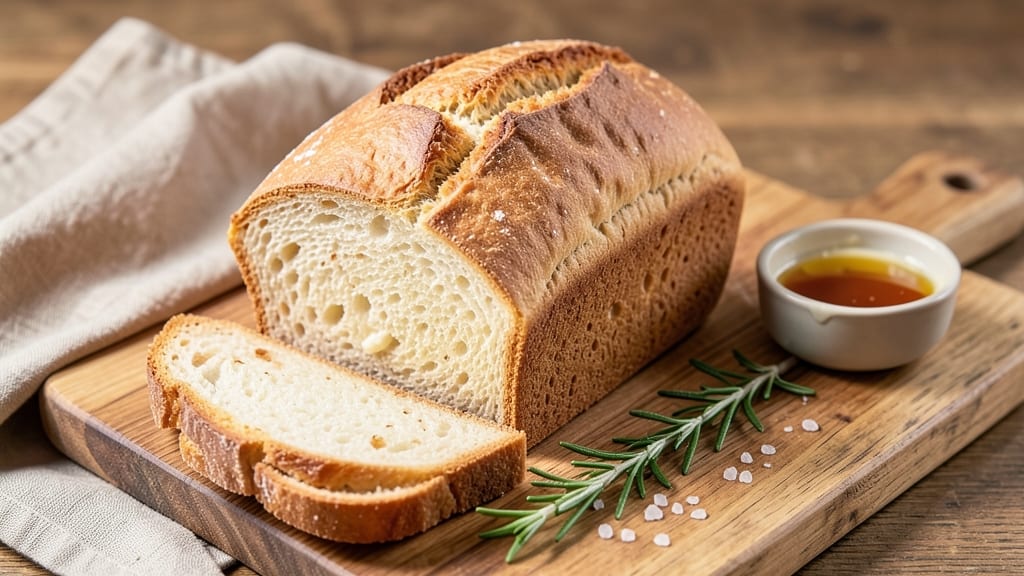
Alton Brown's white bread recipe delivers that perfect balance of crisp golden crust and tender, airy crumb we all crave. 🌟 The secret lies in his signature autolyse technique—letting flour and water rest before adding yeast—which develops gluten naturally for a lighter texture.
This isn't just bread; it's a masterclass in simple ingredients working together to create something extraordinary.
What sets this recipe apart is the attention to detail: precise kneading, proper proofing times, and that signature scoring technique that creates beautiful swirls while baking. The butter swirls add richness without overpowering, while the steam from the Dutch oven ensures that perfect crust.
It's the kind of bread that makes you want to slow down and savor every bite.
By the time you pull this loaf from the oven, you'll have a warm, fragrant bread with a crisp exterior and a soft, even crumb that's impossible to resist.
The aroma alone will have everyone asking for seconds. This recipe is designed to be your new go-to for sandwiches, toast, or simply enjoying on its own.
Ready to bake bread that rivals your favorite bakery? Let's get started with Alton Brown's foolproof method that delivers professional results every time.
Ingredients for alton brown white bread
Nine essential ingredients transform into Alton Brown's legendary buttery white bread with signature swirls.
| Ingredient | Amount | Notes |
|---|---|---|
| All-Purpose Flour 🌾 | 5 cups | Plus 1 tbsp for dusting |
| Unsalted Butter 🧈 | ½ cup | Cold, cubed for swirls |
| Granulated Sugar 🍚 | ¼ cup | For enriched dough |
| Large Eggs 🥚 | 2 whole | Room temperature |
| Whole Milk 🥛 | 1 cup | Warm for activation |
| Active Dry Yeast 🍞 | 2 ¼ tsp | Or 1 packet |
| Diamond Crystal Kosher Salt 🧂 | 1 ½ tsp | Adjust to taste |
| Granulated White Sugar 🍚 | 2 tbsp | For scoring swirls |
| Water 💧 | 1 ½ cups | Lukewarm for autolyse |
The flour is the foundation—King Arthur or Gold Medal brands yield the best results for this recipe. Look for bread flour if available, but all-purpose works perfectly. Butter matters here too: Land O'Lakes or Plugrá unsalted butter gives that rich flavor without added salt. The yeast should be fresh—check expiration dates and store in the freezer for longer shelf life. For the sugar, Domino brand is reliable, but any granulated works. The milk should be warm but not hot—around 110°F—to activate the yeast properly without killing it. If you're unsure, test with your finger: it should feel like bathwater.
No butter? Coconut oil or vegetable shortening can substitute, though texture will differ slightly. Short on milk? Evaporated milk or even water works in a pinch, but the dough may be slightly denser. Yeast expired? Proof it first in warm water with a pinch of sugar—if it bubbles within 5-10 minutes, it's still active. For the scoring sugar, turbinado or coarse sugar creates more dramatic swirls, but regular granulated sugar works fine. The autolyse technique—mixing flour and water before adding yeast—develops gluten naturally, so don't skip it even if you're in a hurry. Patience here pays off with that signature tender crumb.
Store the dough in an airtight container in the fridge for up to 24 hours before baking—this actually improves flavor. The baked loaf keeps well at room temperature for 2-3 days, wrapped in a clean kitchen towel. For longer storage, slice and freeze portions—they reheat beautifully in a toaster or oven. The butter swirls soften over time, so enjoy this bread fresh for the best experience. Portion into individual slices if you're making ahead for sandwiches—they'll stay fresh longer this way.
Why You'll Love This Recipe
- No-Knead Magic: I swear by this—just mix the dough with warm milk and butter, let it rise once, and bake. That’s it. No punchy arms, no overworked muscles, just perfect bread with zero fuss.
- Buttery Soft Crust: The secret’s in the butter—softened just enough to create this ridiculously tender crumb. Honestly, the first time I bit into a slice still warm from the oven, I nearly dropped the loaf. That’s how good it is.
- Weeknight Workhorse: This bread is my go-to for sandwiches, toast, or even French toast. Between us, I’ve used it for everything from grilled cheese to breakfast burritos—it’s that versatile. And it freezes like a dream.
- Budget-Friendly Staple: Five basic ingredients, but they stretch far. A single batch feeds my family for days, and the cost? Pennies per serving. Plus, the sugar in the dough keeps it fresh longer than store-bought—no sad, dry ends here.
Step-by-step instructions for buttery swirl white bread
Here's the method for Alton Brown's signature white bread—rich, tender, and perfect for sandwiches.
👨🍳 Step 1: Activate the Yeast and Prepare the Dough
In a stand mixer fitted with the dough hook, combine the 1.5 cups lukewarm water (about 105-110°F) with the 2.25 tsp active dry yeast and 2 tbsp granulated white sugar. Let it sit for 5-10 minutes until foamy—this confirms your yeast is active. If it doesn't foam, start over with fresh yeast.
Add the 5 cups all-purpose flour and 1.5 tsp Diamond Crystal kosher salt to the mixer. Mix on low speed for 2 minutes until combined. This creates the autolyse phase, which helps develop gluten and improves texture. The dough will look shaggy but should come together into a rough ball.
🍳 Step 2: Incorporate Wet Ingredients and Knead
Add the 1 cup warm whole milk, 2 whole large eggs, and 0.25 cup granulated sugar to the mixer. Increase speed to medium and knead for 5 minutes until the dough is smooth and elastic. It should pull away from the sides of the bowl and form a windowpane when stretched.
This is the moment that matters: the dough should be soft but not sticky. If it's too sticky, add 1 tablespoon flour at a time until it cleans the sides of the bowl. Once it passes the windowpane test, you're ready for the next step. Real talk: over-kneading makes bread tough, so stop when it's just right.
🥘 Step 3: Add Butter and Shape the Dough
Remove the dough from the mixer and place it on a lightly floured surface. Gently press it into a 12x18-inch rectangle about ½-inch thick. Cut the 0.5 cup cold unsalted butter into 16 equal squares and arrange them in a grid pattern across the dough, leaving ½-inch borders around the edges.
Fold the dough over the butter, sealing the edges tightly. Turn it 90 degrees and repeat, creating a swirl pattern. This technique ensures those buttery swirls stay intact during baking. Place the dough in a lightly greased bowl, cover with a damp towel, and let it rise in a warm place for 1-2 hours or until doubled in size.
⏰ Step 4: Shape and Proof the Loaves
Punch down the risen dough and divide it into 4 equal pieces. Shape each piece into a 10x6-inch loaf, tucking the ends under to seal. Place the loaves seam-side up in two greased 9x5-inch loaf pans, covering them with damp towels. Let them rise again for 45-60 minutes until they've expanded to about 1 inch above the pan edges.
Here's the thing—don't overproof. The loaves should spring back slowly when poked with a finger. If they feel firm, they're ready. If they feel soft and jiggly, they need more time. Your oven might run hot, so start checking at the 20-minute mark—this bread bakes fast once it hits the oven.
🔥 Step 5: Bake to Golden Perfection
Preheat your oven to 375°F. Bake the loaves for 25-30 minutes until they're deep golden brown and sound hollow when tapped on the bottom. If the tops brown too quickly, tent with foil to prevent over-browning while the centers finish cooking.
Remove the bread from the pans immediately and place it on a wire rack to cool for 10 minutes before slicing. This resting period prevents a gummy texture. The bread should have a crisp crust, soft interior, and those beautiful buttery swirls peeking through. Slice while still warm for the best texture—each bite should be tender with just the right amount of chew.
Pro Tips For Making Alton Brown White Bread
- MEASURE FLOUR BY WEIGHT: The recipe calls for 4 cups all-purpose flour, but that’s a wild guess in volume. Use a kitchen scale—500 grams is the magic number for this dough. Spooning flour straight from the bag packs it too tightly, and scooping compresses it too loosely. I learned this the hard way when my first loaf came out dense as a brick.
- SOFTEN BUTTER BEFORE MIXING: Cold butter in the dough means extra work later. Let the unsalted butter sit at room temperature for 30–45 minutes before creaming it with sugar—it should dent when pressed, not crumble. My grandmother swore by this, and she was right: the dough mixes smoother, and the crumb turns out lighter.
- DON’T SKIP THE SECOND RISE: After shaping the loaf, the recipe says to let it rise again until it’s "just about doubled." I know, I know—you’re eager to bake. But resist. A rushed second rise means a dense, gummy loaf. Set a timer for 45–60 minutes and walk away. The extra time guarantees that airy texture you’re after.
- USE WHOLE MILK, NOT SUBSTITUTES: The recipe specifies whole milk, and for good reason. Skim or 2% won’t give the same richness or tenderness. If you’re out, warm the milk to room temperature first—cold milk slows yeast activity, and you’ll end up waiting forever for the dough to rise. (Yes, even if you’re impatient like me.)
Flavor customization for this alton brown white bread
Sweet Swirl Variations
Add 2 tbsp honey or 1 tbsp maple syrup to the dough for a subtle sweetness that pairs beautifully with the butter. I like to mix it into the wet ingredients before kneading—this creates a caramelized flavor as the bread bakes.
For extra decadence, fold in ¼ cup dried cranberries or chopped pecans during the butter swirl stage. 🍯
Herb-Infused Twist
Swap out ½ cup of the butter for ½ cup softened cream cheese mixed with 1 tbsp chopped fresh rosemary or thyme. Roll this mixture into the dough before folding—it adds a sophisticated herbal note that elevates the bread for charcuterie boards.
The cream cheese keeps the swirls soft while adding richness.
Cheesy Goodness
For a cheesy loaf, fold ½ cup shredded sharp cheddar or monterey jack into the dough after the first rise. The cheese melts beautifully during baking, creating pockets of gooey goodness.
I recommend using Kraft natural cheese for the best melt—it's my go-to for baked goods. Add it after shaping the loaves but before the final proof.
Everything Bagel Flavor
Create an everything bagel-style bread by sprinkling 2 tbsp everything bagel seasoning (or 1 tbsp sesame seeds + 1 tbsp poppy seeds + 1 tsp garlic powder + 1 tsp onion powder + ½ tsp dried garlic) on top of the dough before the final proof.
Press it lightly into the surface so it sticks. The seasoning adds a savory crunch that contrasts perfectly with the soft crumb.
Cinnamon Roll Style
For a cinnamon roll-inspired version, mix ¼ cup brown sugar with 1 tbsp ground cinnamon and spread it evenly over the dough before adding the butter. Then proceed with the butter swirls as usual.
The result is a bread with sweet, spiced layers that taste like a cross between white bread and cinnamon rolls. 🌟
Savory Garlic Version
Infuse the dough with garlic flavor by adding 2 minced garlic cloves to the wet ingredients. For extra punch, mix 1 tbsp garlic powder into the butter before creating the swirls.
This version is perfect for garlic bread or as a base for savory sandwiches. The aroma alone makes this a crowd-pleaser at dinner parties.
Nutrition facts
Frequently asked questions
Why does Alton Brown use autolyse in his white bread?
The autolyse technique—mixing flour and water before adding yeast—helps develop gluten naturally, creating a lighter, more tender crumb. This step gives the dough time to relax, making it easier to knead and resulting in that signature soft texture without overworking the flour.
Can I make this bread without a stand mixer?
Mix the dough by hand until fully combined, then knead on a floured surface for 8-10 minutes until smooth and elastic. The key is patience—keep stretching and folding until it passes the windowpane test. A wooden spoon works great for mixing!
What's the best way to store leftover white bread?
Wrap cooled loaves in a clean kitchen towel and store at room temperature for 2-3 days to maintain freshness. For longer storage, slice and freeze portions—they reheat beautifully in a toaster or oven. The butter swirls soften over time, so enjoy this bread fresh for the best experience.
Why did my bread turn out dense instead of light?
Dense bread often results from over-kneading, underproofing, or using cold ingredients. Check your yeast (it should foam in 5-10 minutes when activated), ensure your oven is properly preheated to 375°F, and don't skip the rest time after baking—this prevents a gummy texture.
Can I substitute milk or butter in this recipe?
For milk, use evaporated milk or water in a pinch, though the dough may be slightly denser. For butter, try coconut oil or vegetable shortening, but expect a slightly different texture. The butter swirls are what make this bread special, so if possible, use the real thing!