
Side Dishes
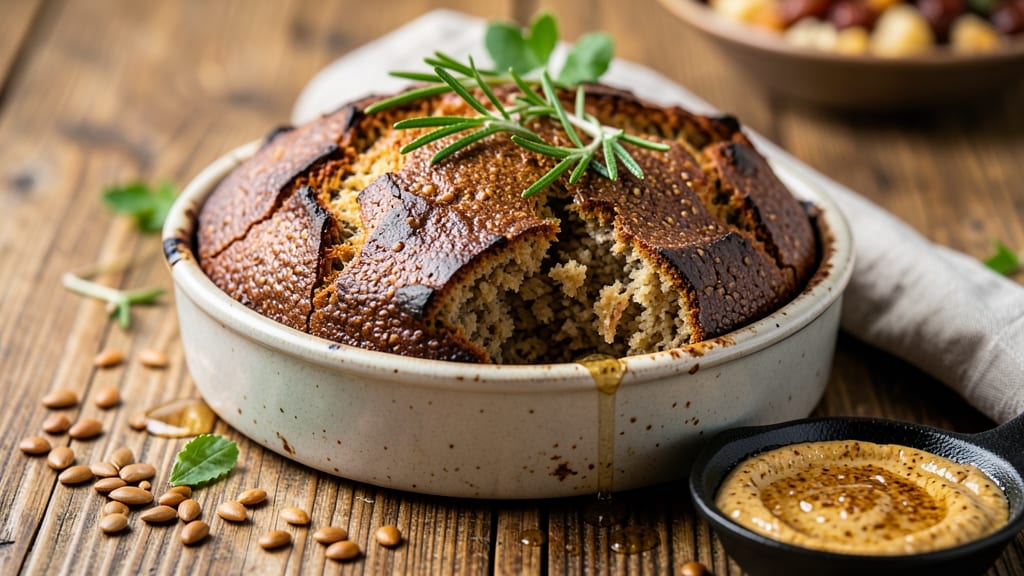
This gluten-free amaranth bread delivers the nutty depth and ancient grain goodness you crave without sacrificing texture or taste. 🌾 The secret lies in blending amaranth flour with gluten-free substitutes to create a crust that's both sturdy and tender—perfect for sandwiches or toast.
What sets this recipe apart is its ability to mimic traditional bread while accommodating dietary needs, proving gluten-free doesn't mean giving up on hearty, satisfying loaves.
The beauty of amaranth flour is its natural earthiness, which pairs beautifully with warm spices like cinnamon or nutmeg. This recipe uses a combination of gluten-free flours and binders to create a structure that holds up to slicing and toasting, while still feeling light and airy.
The result? A loaf with a crisp crust and a moist, slightly dense crumb that's ideal for soaking up soups or holding together sandwiches without falling apart.
What you'll achieve is a gluten-free bread that's rich in protein and fiber, with a flavor profile that's far from bland. The amaranth adds a subtle nutty note that deepens as it bakes, while the gluten-free blend ensures a satisfying chew.
This loaf is also naturally vegan, making it a versatile addition to any meal plan—whether you're baking for dietary restrictions or simply exploring ancient grains.
Ready in about 90 minutes with minimal prep, this recipe is designed for success. The key is patience during mixing and baking, allowing the gluten-free flours to fully hydrate and develop their potential.
Once baked, you'll have a loaf that's perfect for slicing, toasting, or even freezing for later use. Here's how to make it happen.
Ingredients for amaranth bread gluten free
Eight ingredients blend ancient grain goodness with gluten-free flours for a loaf that's sturdy yet tender.
| Ingredient | Amount | Notes |
|---|---|---|
| Amaranth Flour 🌾 | 1 ½ cups | High-protein, fine-ground preferred |
| Gluten-Free All-Purpose Flour Blend 🌾 | 2 cups | Bob's Red Mill 1:1 blend works best |
| Tapioca Starch 🌾 | ½ cup | For chewy texture and binding |
| Psyllium Husk Powder 🌿 | 1 tbsp | Essential for structure (not husks) |
| Active Dry Yeast 🍞 | 1 ½ tsp | Ensure it's fresh (test in warm water) |
| Granulated Sugar 🍚 | 1 tbsp | Feeds yeast for rise (or maple syrup) |
| Salt 🧂 | 1 ½ tsp | Diamond Crystal preferred |
| Ground Cinnamon 🌿 | ½ tsp | Warm spice for depth |
| Ground Nutmeg 🌿 | ¼ tsp | Freshly grated for best flavor |
| Olive Oil 🫒 | ¼ cup | Extra-virgin for richness |
| Water 💧 | 1 ¼ cups | Room temperature, not hot |
| Apple Cider Vinegar 🍎 | 1 tbsp | Activates yeast and tenderizes |
| Flaxseed Meal 🌱 | 2 tbsp | Mixed with 6 tbsp water for egg binder |
Amaranth flour is the star here—look for the high-protein, fine-ground kind at Whole Foods or the bulk section of Sprouts. The gluten-free flour blend is non-negotiable; Bob's Red Mill 1:1 is the gold standard, but King Arthur works too. Psyllium husk powder might be tricky to find—check the gluten-free baking aisle or order online. Pro tip: Toast your amaranth flour in a dry pan for 2 minutes before mixing to deepen that nutty flavor. The yeast needs to be fresh—if it doesn't foam in warm water, toss it and start over.
No psyllium husk? Xanthan gum at half the amount works in a pinch, but texture won't be identical. Swap the apple cider vinegar for lemon juice if that's what you've got. The flaxseed binder can be replaced with chia seeds (same ratio), or use 1 tbsp ground flaxseed + 3 tbsp water for each egg replacement. For the flours, if you're out of tapioca starch, arrowroot powder does the job—just use the same amount. And if you can't find amaranth flour, buckwheat flour adds a similar earthy note, though the texture will be slightly denser.
Mix the wet ingredients first—the yeast and vinegar need 5 minutes to activate before adding dry ingredients. Let the dough rest for 30 minutes after mixing; this is crucial for gluten-free bread. The loaf keeps well wrapped at room temp for 3 days, or you can freeze slices for 3 months. To revive stale bread, wrap in a damp towel and microwave for 20 seconds. This bread freezes beautifully too—bake it, cool completely, then slice and freeze. Toast straight from frozen for crispy results.
Why You'll Love This Recipe
- No-Knead Magic: I swear by this recipe—just mix, let the yeast do its thing, and bake. The psyllium husk powder gives it that perfect rise without any fuss, and honestly? I’ve made it twice in one weekend when I forgot to plan ahead.
- Earthy Nutty Rich: Amaranth flour isn’t just gluten-free—it’s flavorful. That toasty, slightly sweet depth pairs perfectly with the mild crumb from the GF blend, and the tapioca starch keeps it tender. It’s the kind of bread that makes you want to eat it straight from the pan, no butter needed.
- Weeknight Workhorse: This bread is my go-to for sandwiches, toast, or even croutons—no one will guess it’s gluten-free. Between us, I’ve used it for breakfast (avocado toast), lunch (grilled cheese), and even as a side for dinner (garlic butter drizzle). It’s that reliable.
- Budget-Friendly Staple: Amarth flour might sound fancy, but it stretches further than you’d think. I make two loaves at a time, freeze one, and still have leftovers for days. Plus, the psyllium husk powder adds structure without breaking the bank—it’s my secret for bread that doesn’t cost a fortune.
Step-by-step instructions for amaranth gluten-free bread
Here's how to transform ancient grains into a loaf with nutty depth and perfect texture.
👨🍳 Step 1: Activate the Yeast and Prepare the Flax Egg
In a small bowl, combine the 1.5 tsp active dry yeast, 1 tbsp granulated sugar, and 1.25 cups water at 75°F (warm but not hot). Let it sit for 5-10 minutes until frothy—this confirms your yeast is alive. If it doesn't bubble, start over with fresh yeast.
While waiting, mix the 2 tbsp flaxseed meal with 6 tbsp water in a separate bowl. Stir well and let it thicken for 5 minutes—this will replace eggs in our gluten-free binder. The mixture should resemble raw egg whites in consistency.
🍳 Step 2: Combine Dry Ingredients and Mix the Dough
In a large mixing bowl, whisk together the 1.5 cups amaranth flour, 2 cups gluten-free all-purpose flour blend, 0.5 cup tapioca starch, 1 tbsp psyllium husk powder, 1.5 tsp salt, 0.5 tsp ground cinnamon, and 0.25 tsp ground nutmeg. This blend gives our bread structure while keeping it gluten-free.
Make a well in the center and pour in the yeast mixture, 0.25 cup olive oil, and 1 tbsp apple cider vinegar. Add the flax egg mixture and stir until just combined—you'll see a shaggy dough form. Don't overmix; you're looking for a sticky, cohesive mass that holds together when pressed.
🥘 Step 3: Knead and Rest for Optimal Rise
Turn the dough onto a lightly floured surface and knead gently for 3-4 minutes until smooth and elastic. The psyllium husk powder helps bind everything together without gluten. Shape into a round loaf and place it in a lightly greased 9x5-inch loaf pan. Cover with a damp towel and let rise at room temperature for 1 hour or until doubled in size.
Here's the thing—gluten-free dough behaves differently. It won't rise as dramatically as wheat-based dough, but you should see some noticeable expansion. If it doesn't rise much, don't worry; the baking process will still create a good structure.
🔥 Step 4: Bake to Golden Perfection
Preheat your oven to 350°F. Brush the top of the loaf with a little water or olive oil for a crispy crust. Bake for 45-50 minutes until the top is golden brown and the internal temperature reaches 205°F when tested with an instant-read thermometer.
I know it's tempting to open the oven early, but resist! The bread needs that steady heat to develop proper texture. When you tap the top and it sounds hollow, it's ready. Let it cool in the pan for 10 minutes, then transfer to a wire rack to cool completely before slicing.
⏰ Step 5: Rest and Slice for Maximum Flavor
This is where patience pays off. Let the bread cool completely for at least 1 hour before slicing. The amaranth flour needs time to fully hydrate and develop its nutty flavor. Each slice should have a tender crumb with a slightly crisp crust and that beautiful golden hue.
For best results, store wrapped at room temperature for up to 3 days or freeze slices for longer storage. The flavors actually deepen overnight, making this bread even more delicious the next day!
Pro Tips For Making Amaranth Bread Gluten Free
- Mix the Psyllium Last: I learned this the hard way—adding psyllium husk powder too early turns your dough into a gummy mess. Wait until all your dry ingredients are combined, then sprinkle it in with the wet mix. Stir just until it clumps, then let the dough rest. This gives the psyllium time to hydrate properly without overworking the gluten-free blend.
- Use Warm Water for Yeast: Skip the fridge and grab water that’s about 105°F (40°C)—warm enough to dissolve sugar instantly but not hot enough to kill the yeast. If your kitchen’s drafty, cover the bowl while mixing to keep it cozy. Cold water makes yeast sluggish; hot water? Instant death. Aim for "comfortably warm to the touch" (yes, even if you’re impatient like me).
- Don’t Overproof the Dough: Gluten-free dough rises faster than wheat-based dough, and amaranth bread is no exception. Watch for the dough to double in size—then remove it from the proofing bowl. Leaving it too long makes the crumb dense and the flavor flat. If you’re unsure, poke it: if it springs back slowly, it’s ready. If it stays indented, it’s over.
- Add Xanthan Gum if Missing: Your gluten-free blend might not have it, but xanthan gum (½ teaspoon) makes a real difference in this recipe. It mimics gluten’s stretchiness, so the bread holds together better and doesn’t crumble when slicing. If you’re out, tapioca starch helps, but it’s not the same—this is the shortcut that actually changes the outcome.
Regional styles of amaranth bread gluten free
Ancient Aztec Roots
Amaranth was a sacred grain in Aztec cuisine, where it was ground into flour for flatbreads and ceremonial offerings. The Mayans and Incas also cultivated it, using amaranth in both savory and sweet baked goods.
This recipe draws inspiration from those traditions while adapting the technique for modern gluten-free baking. The nutmeg and cinnamon we use today mirror the warm spices used in Mesoamerican dishes to complement earthy grains. 🌾
Mexican-Inspired Variations
In Mexico, amaranth is often mixed with cornmeal for a heartier texture. Try replacing ½ cup of the gluten-free blend with fine cornmeal for a taste of tradition. For a sweet version, add ½ cup raisins or chopped dried figs to the dough—this was common in ancient amaranth-based sweets.
The apple cider vinegar in our recipe echoes the tangy fermented flavors used in traditional Mexican masa.
European Gluten-Free Adaptations
Modern European gluten-free bakers often use amaranth in rye-like breads due to its deep, toasty flavor. In Italy, amaranth flour is sometimes blended with chickpea flour for added protein. For a Mediterranean twist, swap the nutmeg for orange zest and add 1 tsp dried rosemary to the dough.
The olive oil we use is a nod to Italian baking traditions, where healthy fats are key for gluten-free texture.
Modern Fusion Twists
For a savory herb version, stir in 1 tbsp chopped fresh rosemary or thyme with the dry ingredients. Or go sweet by adding ½ cup mashed banana or pumpkin purée to the wet mix—this creates a naturally sweetened loaf perfect for French toast.
The psyllium husk in our recipe is a modern binder that ancient bakers would recognize in its functional role, though they used different natural thickeners like chia.
Global Storage Traditions
Ancient cultures stored amaranth flour in clay pots to preserve freshness, while modern gluten-free bakers use airtight containers lined with parchment paper. For long-term storage, freeze the baked loaf in 1-inch slices wrapped in beeswax wrap.
In Peru, amaranth was often toasted before grinding—try lightly toasting your amaranth flour in a dry skillet for 2 minutes before mixing to enhance its natural nuttiness. ✨
Nutrition facts
Frequently asked questions
What makes this amaranth bread different from regular gluten-free bread?
This recipe uses amaranth flour as the base, which adds a unique nutty, earthy flavor and boosts protein content compared to standard gluten-free blends. The combination of psyllium husk powder and tapioca starch creates a lighter, more elastic texture that holds up to slicing better than many gluten-free loaves. Plus, it's naturally vegan and packed with ancient grain goodness!
Can I substitute amaranth flour with another grain flour?
Yes! For a similar texture, try buckwheat flour or sorghum flour in equal amounts. If you want a sweeter flavor, quinoa flour works well too. Just note that the nutty depth will be slightly different. For a more traditional taste, cornmeal can replace up to ½ cup of the gluten-free blend.
Why does my gluten-free amaranth dough not rise much?
Gluten-free dough behaves differently than wheat dough—it won't rise dramatically, but it should still expand noticeably. The psyllium husk helps create structure, and the yeast will work during baking. If your dough seems flat, don't worry! The baking process will still give you a sturdy loaf. Just avoid overmixing to prevent a dense texture.
How do I store this bread to keep it fresh?
Wrap the cooled loaf in an airtight container or beeswax wrap and store at room temperature for up to 3 days. For longer storage, slice and freeze—it reheats beautifully! To revive stale slices, wrap in a damp towel and microwave for 20 seconds. The flavors actually deepen overnight, making it even more delicious the next day!
Can I make this bread without psyllium husk powder?
You can use xanthan gum as a substitute, but reduce the amount to ½ tsp (half of what's called for). The texture won't be identical—it may be slightly denser—but it will still hold together. If you don't have either, try adding 1 extra tbsp of flaxseed meal to help bind the dough, though results may vary.