
Side Dishes
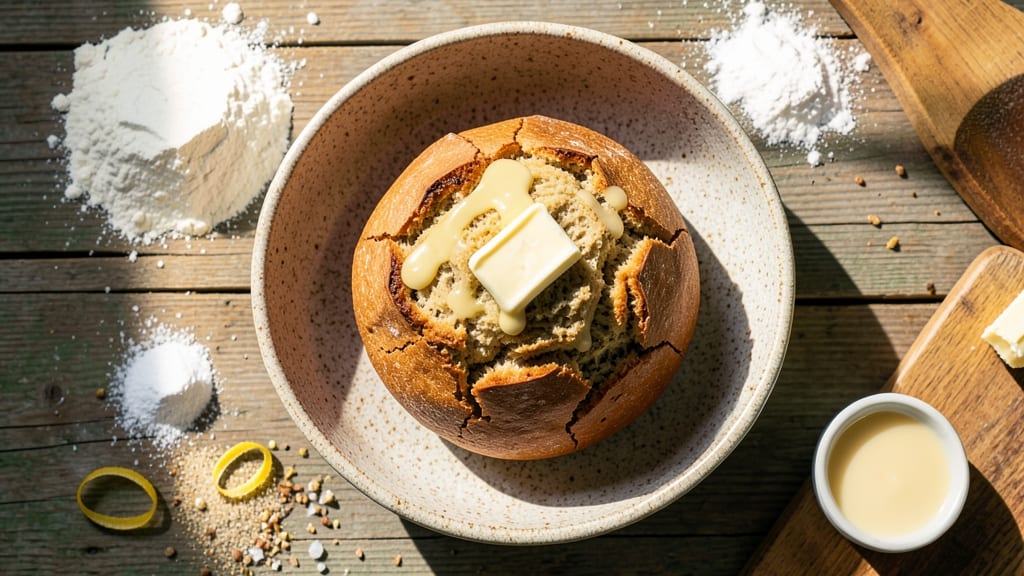
This amazingly easy Irish soda bread recipe delivers rustic charm without the fuss of yeast or kneading—just 15 minutes of hands-on time for a loaf with a crispy crust and tender crumb.
The secret lies in baking soda’s lift and buttermilk’s tang, transforming simple ingredients into a bread so foolproof, even beginners will succeed. I’ve baked this version for years, and it’s become my go-to for quick weeknight sides or picnic staples.
The beauty of this recipe is its flexibility: swap buttermilk for plant-based milk to make it vegan, or fold in seeds for added texture and nutrition. A hot pan adds that signature dimpled crust, while steam ensures a light interior.
No special tools required—just a bowl, a spoon, and a little patience while it bakes. The aroma alone will have everyone asking for seconds.
What you’ll end up with is a golden-brown loaf with a crisp exterior and soft, slightly tangy crumb—perfect for slathering with butter, pairing with soups, or serving alongside hearty stews.
The best part? It stays fresh for days, making it ideal for meal prep or gifting. This is Irish soda bread reimagined for modern kitchens.
Ready in just 15 minutes of active time, this recipe proves that traditional dishes can be both nostalgic and effortless. Let’s get started—your kitchen will smell like home in no time.
Ingredients for amazingly easy irish soda bread
Simple pantry staples transform into rustic Irish soda bread with minimal effort.
| Ingredient | Amount | Notes |
|---|---|---|
| All-Purpose Flour 🌾 | 3 ½ cups | Unbleached, spooned and leveled |
| Baking Soda 🧂 | 1 ½ tsp | Pure, not baking powder |
| Salt 🧂 | ½ tsp | Fine sea salt preferred |
| Buttermilk 🥛 | 1 ¼ cups | Room temperature for best texture |
| Unsalted Butter 🧈 | ½ cup | Cold, cubed for easy mixing |
| Granulated Sugar 🍚 | ¼ cup | White or light brown |
| Freshly Ground Black Pepper 🌶️ | ¼ tsp | Freshly cracked for aroma |
| Optional: Poppy Seeds 🌱 | ¼ cup | Toasted for extra crunch |
| Optional: Whole Flaxseeds 🌾 | ¼ cup | For added texture and nutrition |
| Optional: Sunflower Seeds 🌻 | ¼ cup | Toasted for enhanced flavor |
The all-purpose flour is the foundation here—opt for King Arthur or Bob's Red Mill for optimal texture and rise. Baking soda must be fresh; if it's over a year old, test it by mixing with vinegar—it should fizz vigorously. Diamond Crystal kosher salt is ideal for its fine grain, but any sea salt works. The buttermilk's tang is crucial; if you're out, substitute with equal parts milk and vinegar, letting it sit for 5 minutes. For the butter, Plugrá or Land O'Lakes unsalted varieties work best, especially when cold and cubed for easier incorporation into the dough. The optional seeds add texture and nutrition—Bob's Red Mill offers pre-toasted varieties that save time.
No buttermilk? Plant-based milk with lemon juice works perfectly for a vegan version, though the flavor will be slightly milder. Substitute Greek yogurt mixed with milk for a tangier alternative, though the texture may vary slightly. For those avoiding gluten, King Arthur gluten-free flour blend can replace the all-purpose flour, though the bread will be denser. The seeds are entirely optional but recommended for added crunch and visual appeal—sunflower seeds toast fastest, while flaxseeds provide omega-3 benefits. If you're short on time, omit them entirely; the bread will still be delicious.
Store the baked loaf in an airtight container at room temperature for up to 3 days, or freeze for up to 3 months for longer storage. For maximum freshness, wrap it in a clean kitchen towel to maintain moisture. Reheat slices in a toaster or oven for 5 minutes at 350°F to revive the crispy crust. This bread freezes exceptionally well—portion it into slices before freezing for convenience. The aroma alone will make your kitchen feel like a cozy Irish pub, and the flavor only improves with time.
Why You'll Love This Recipe
- No Mixer Needed: I swear by this recipe when I’m in a rush—just toss the flour, baking soda, and salt in a bowl, then stir in the buttermilk and butter until it clumps. No kneading, no fuss, just a few minutes of mixing and you’re golden.
- Tangy Butter Magic: That buttermilk and cold butter create a loaf with a tender crumb and a crust that’s just crisp enough. Honestly, the first time I bit into it still warm, I knew I’d be making this every week.
- Weeknight Sidekick: Toss it in the oven while you sauté veggies or simmer soup—it’s ready in under an hour. My kids grab slices straight from the pan (yes, even on a Tuesday night), and it pairs perfectly with soups, stews, or just butter and jam.
- Budget-Friendly Staple: Five ingredients, zero waste—this bread stretches my grocery budget without sacrificing flavor. I’ve made it last a week in the fridge, and even better, it freezes beautifully for when I’m too tired to bake.
Step-by-step instructions for Irish soda bread
This no-knead method delivers perfect results every time—simple, foolproof, and ready in minutes.
Mix Dry Ingredients Thoroughly
In a large mixing bowl, combine the 3.5 cups all-purpose flour, 1.5 teaspoons baking soda, 0.5 teaspoon salt, 0.25 teaspoon freshly ground black pepper, and 0.25 cup granulated sugar. I use a whisk for this step to ensure even distribution of the baking soda—uneven mixing can lead to dense patches in your bread.
If using any of the optional seeds (poppy, flax, or sunflower), add them now and stir them into the dry ingredients. The seeds will distribute evenly throughout the dough, giving each bite added texture and flavor. Mix until no dry spots remain—this ensures a light, airy crumb.
Cut in the Cold Butter
Add the 0.5 cup cold, cubed unsalted butter to the dry ingredients. Using a pastry cutter or your fingers, work the butter into the flour mixture until it resembles coarse crumbs with pea-sized butter pieces remaining. Overworking the butter here can melt it too quickly, which leads to a dense loaf.
I press the butter pieces into the flour using my fingertips, breaking them down just enough to create pockets for the buttermilk to hydrate the dough. The goal is to maintain some texture—this creates pockets of steam during baking that give soda bread its signature open crumb.
Combine with Buttermilk
Make a well in the center of the dry mixture and pour in the 1.25 cups room-temperature buttermilk. Using a wooden spoon or rubber spatula, gently fold the buttermilk into the dry ingredients, mixing just until combined. The dough will be shaggy and sticky—this is normal and expected for soda bread.
I avoid overmixing at this stage because soda bread relies on the chemical reaction between baking soda and buttermilk for its rise, not gluten development. Once the dough comes together, it should hold its shape when pressed gently but still feel slightly tacky to the touch.
Shape and Score the Loaf
Turn the dough out onto a lightly floured surface and gently shape it into a round loaf, about 10 inches in diameter. I press down lightly with the heels of my hands to create a smooth top surface, but avoid pressing too firmly—this can compact the crumb and reduce the bread's signature open texture.
Place the shaped loaf on a parchment-lined baking sheet. Using a sharp serrated knife, score the top with a ½-inch deep cross. This isn't just decorative—it allows the bread to expand evenly during baking and prevents it from cracking unpredictably.
Bake Until Golden and Hollow-Sounding
Preheat your oven to 375°F while you prepare the dough. Bake the loaf for 40-45 minutes until the top is deep golden brown and sounds hollow when tapped on the bottom. The internal temperature should reach 190-200°F when measured with an instant-read thermometer.
I check for doneness by both appearance and sound—the crust should be crisp and golden, and the bread should emit a hollow thump when tapped. If the top browns too quickly, tent the loaf with foil after 20 minutes to prevent over-browning while ensuring even cooking throughout.
Cool Before Slicing (Critical for Texture)
Remove the bread from the oven and transfer it to a wire rack to cool completely. I resist the urge to slice it warm—this is where many home bakers make the mistake. Allowing the bread to cool for at least 1 hour ensures the crumb sets properly and prevents a gummy texture.
The cooling process also allows the flavors to develop fully. Once cooled, slice the bread with a serrated knife and serve it warm with butter, jam, or your favorite Irish spread. The interior should be tender with an open, slightly crumbly texture, while the crust remains crisp and slightly tangy.
Pro Tips For Making Amazingly Easy Irish Soda Bread
- STOP MIXING TOO LONG: Mix the dough just until combined—about 15 seconds after the flour disappears. Overworking it makes soda bread dense and tough. I used to knead like I was punching a bag, and my loaves turned out like bricks.
- CHILL THE DOUGH: Let the dough sit covered for 10 minutes before shaping. This relaxes the gluten enough to prevent cracking when baking. Skip this, and you’ll end up with a split loaf that looks more "rustic disaster" than "authentic charm."
- USE COLD BUTTER: Cut the butter into small cubes and let them sit in the fridge until you’re ready to fold them in. Cold butter creates pockets of steam, giving you that classic tender crumb. Warm butter? You’ll get greasy, uneven pockets instead.
- DON’T SKIP THE STEAM: Place a baking tray on the oven rack before preheating, then pour boiling water into it right as the bread goes in. The steam makes the crust crisp and the inside moist—no sad, dry crumb here. (Yes, even if you’re impatient like me.)
Best sauces and condiments for this recipe
Classic Irish Butter
Nothing complements Irish soda bread like Kerrygold Irish Butter—its rich, creamy texture and subtle saltiness enhance the bread's tangy crumb. I spread a generous layer on warm slices, letting it melt slightly for that classic Irish pub experience.
For a modern twist, try Plugrá Cultured Butter with a hint of sea salt for added depth. 🧈
Sweet Pairings
Traditional Irish blackberry jam or strawberry preserves from Ballymaloe create a perfect sweet contrast. The acidity in the jam cuts through the bread's richness, while the fruit's natural sugars balance its slight tang. For a vegan option, Whole Foods 365 Organic Strawberry Jam works beautifully without compromising flavor.
Savory Spreads
For a hearty meal, pair your soda bread with Irish cheddar cheese from Glanbia or a smoked Gouda for a savory twist. The sharpness of the cheese complements the bread's mild sweetness, while the smokiness adds another layer of flavor.
I also love Irish-style mustard from Dublin Bay for a tangy, slightly spicy kick.
Herbed Olive Oil
Drizzle warm slices with extra-virgin olive oil infused with fresh rosemary and garlic for a fragrant, aromatic finish. I heat 2 tablespoons olive oil with 1 minced garlic clove and 1 sprig fresh rosemary until fragrant, then brush it lightly over the bread.
This adds a Mediterranean flair that works surprisingly well with Irish flavors.
Creamy Cheese Spread
A simple cream cheese and chive spread elevates this bread to brunch-worthy status. Mix 4 ounces cream cheese with 1 tablespoon chopped chives, a pinch of salt, and a squeeze of lemon juice. Spread generously on toasted slices for a creamy, herby contrast that balances the bread's rustic charm.
Spicy Condiments
For heat lovers, a dash of hot honey or Irish chili jam (like Dingle Chilli Jam) adds a fiery twist. The sweetness of the honey or jam contrasts beautifully with the bread's tang, while the chili brings a slow-building heat.
I recommend starting with ½ teaspoon** of chili jam per slice and adjusting to taste. 🌶️
Nutrition facts
Frequently asked questions
Why does Irish soda bread need buttermilk?
The buttermilk creates the signature tang and activates the baking soda for lift. The acidity in buttermilk reacts with the baking soda, producing carbon dioxide bubbles that give the bread its airy crumb. For a vegan version, use plant-based milk with lemon juice—it works just as well!
Can I make this without a hot pan?
Yes! While a hot pan creates the classic dimpled crust, you can still get great results. Place your shaped loaf on a parchment-lined baking sheet and bake as directed. The bread will have a smoother top but still be delicious. For extra crispiness, brush with melted butter after baking.
How do I fix dense soda bread?
Dense bread usually means overmixing or old baking soda. For next time, mix just until combined and use fresh baking soda (test it with vinegar—it should fizz). If your dough feels sticky but holds shape, it's ready. Also, avoid pressing too hard when shaping.
Can I add other mix-ins besides seeds?
Try dried herbs (like rosemary or thyme) or grated carrot/zucchini for moisture. For sweet versions, fold in chopped apples or raisins. Just don't exceed 1 cup total of mix-ins to maintain the bread's structure. The dough should still hold together when shaped.
Why does my bread crack on top?
Cracking happens when the dough expands unevenly. Always score the loaf with a ½-inch cross before baking—this guides the expansion and prevents random cracks. If the cracks are deep, it might mean the oven was too hot. Reduce temp to 350°F next time and tent with foil if needed.