
Side Dishes
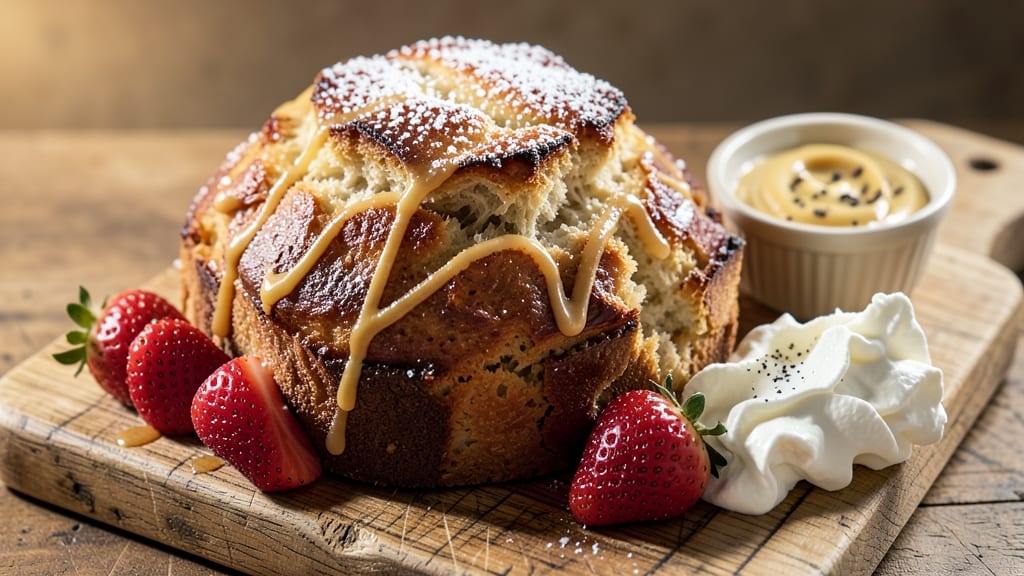
This ambrosia bread recipe transforms simple ingredients into a golden, swirled masterpiece with vanilla-infused layers and a buttery crust that cracks perfectly. 🌟 The secret lies in its tender crumb and subtle sweetness—no artificial flavors, just warm spices and a touch of citrus that elevate every bite.
What makes this bread special is its versatility: serve it fresh from the oven with butter, toasted for breakfast, or sliced for holiday desserts.
The dough comes together with just a few ingredients—flour, sugar, eggs, and vanilla—but the magic happens in the swirling technique. As the bread bakes, the layers melt into delicate ribbons, creating a texture that’s both flaky and moist.
Unlike quick breads, this recipe uses yeast for a lighter rise, though a quick-bread variation is included for those short on time.
Baking at 350°F for 30-35 minutes yields a loaf with a caramelized crust and a tender interior, infused with vanilla and just enough sweetness to satisfy. The aroma alone will fill your kitchen with warmth, making it perfect for gatherings or a cozy treat.
Whether you add raisins, orange zest, or keep it classic, this bread is a showstopper.
For best results, let the dough rise overnight in the fridge—this enhances flavor and texture. The recipe also includes tips for troubleshooting common baking issues, like uneven swirls or a dense crumb. Once you try it, you’ll never buy store-bought again.
Ingredients for ambrosia bread
Golden swirls and tender layers—just these 13 ingredients create ambrosia bread magic.
| Ingredient | Amount | Notes |
|---|---|---|
| All-Purpose Flour 🌾 | 4 cups | Sifted for even texture |
| Granulated Sugar 🍚 | 1 ½ cups | Light brown sugar for depth |
| Unsalted Butter 🧈 | 1 cup | Cold, cubed for swirls |
| Large Eggs 🥚 | 2 whole | Room temperature for blending |
| Pure Vanilla Extract 🌿 | 2 tbsp | High-quality for flavor |
| Active Dry Yeast 🍞 | 2 ¼ tsp | Fresh or 1 packet |
| Warm Milk 🥛 | 1 cup | 110°F for yeast activation |
| Salt 🧂 | ½ tsp | Kosher or sea salt |
| Orange Zest 🍊 | 1 tbsp | Freshly grated for brightness |
| Ground Cinnamon 🌶️ | ½ tsp | Freshly ground preferred |
| Raisins 🍇 | 1 cup | Optional, plump and rinsed |
| Coarse Sugar 🍚 | 2 tbsp | For topping before baking |
| Water 💧 | ¼ cup | For yeast activation |
The butter and vanilla are non-negotiable here. European-style butter from Land O'Lakes or Plugrá melts beautifully for those signature swirls, but any good-quality unsalted will work. Vanilla extract should be pure—Nielsen-Massey or McCormick are reliable choices. For the flour, King Arthur or Bob's Red Mill brands stay consistent in texture. The raisins? Golden raisins add moisture, but dried cranberries or chopped dates work too if you prefer. Store your butter in the fridge until ready to use—it needs to be cold for those perfect swirls.
No vanilla extract? Vanilla bean paste at half the amount gives you those little specks. Swap the orange zest for lemon zest if that's what you have—just double the amount. Running low on butter? Coconut oil solidified in the fridge mimics the texture, though it lacks flavor depth. The yeast is critical—check the expiration date and use within 3 months of opening. For a quicker version, instant yeast at the same amount skips the proofing step. If your raisins feel dry, soak them in warm water for 10 minutes before adding to the dough.
This dough rises best overnight in the fridge—up to 24 hours for deeper flavor. Once shaped, cover with a damp towel to prevent drying. The baked loaf keeps well at room temperature for 3 days wrapped in foil, or 1 week in the fridge. For longer storage, slice and freeze portions—3 months in a sealed bag. Reheat slices in a toaster or oven for that fresh-from-the-oven texture. The crust stays crisp for about 2 hours after baking, so slice while still warm for clean cuts.
Why You'll Love This Recipe
- No Mixer Needed: I swear by this—just fold the butter into the flour with my fingers until it looks like wet sand. That’s it. No electric mixer, no fuss, and the crumb turns out tender without a single lump.
- Vanilla Butter Magic: The moment that warm vanilla butter scent hits the air? Unreal. That sugar-butter-vanilla combo isn’t just sweet—it’s got this deep, almost caramel-like richness that makes you want to cut yourself a second slice right out of the pan.
- Breakfast or Dessert: Honestly, I make this for both. Toast it with jam for breakfast or dust it with powdered sugar for a midnight treat. The eggs keep it sturdy enough for morning, but the sugar makes it feel like a celebration any time of day.
- Stays Fresh for Days: Between us, this bread doesn’t go stale in my house. I’ll bake a loaf on Sunday, and by Thursday it’s still soft enough to slice without a serrated knife. Plus, the butter keeps it from drying out—no sad, crusty leftovers here.
Step-by-step instructions for ambrosia bread
Here's how to create this classic vanilla-infused loaf with perfect swirls and a golden crust.
👨🍳 Step 1: Activate the Yeast with Warm Milk
In a small bowl, combine the 2.25 tsp active dry yeast with the 0.25 cup water and let sit for 5 minutes until foamy. This proves the yeast is alive and ready to work. While waiting, heat the 1 cup warm milk to 110°F—it should feel warm to the touch but not hot.
Pour the warm milk over the yeast mixture and stir gently. Let this sit for another 5 minutes until bubbly. If it doesn't bubble, your yeast may be dead—start fresh with new yeast. The yeast needs time to activate properly before mixing with other ingredients, ensuring your bread rises beautifully.
👨🍳 Step 2: Mix the Dough Ingredients
In a large mixing bowl, combine the 4 cups all-purpose flour, 1.5 cups granulated sugar, 0.5 tsp salt, and 0.5 tsp ground cinnamon. Whisk to distribute evenly. Add the 1 cup unsalted butter, cut into cubes, and use a pastry cutter or your fingers to work it into the flour mixture until crumbly.
In a separate bowl, beat the 2 whole large eggs lightly, then add the 2 tbsp pure vanilla extract and 1 tbsp orange zest. Mix well, then pour this egg mixture into the flour mixture along with the yeast-milk mixture. Stir just until combined—don't overmix or the dough will become tough.
👨🍳 Step 3: Knead and Add Raisins
Turn the dough onto a lightly floured surface and knead for 5-7 minutes until smooth and elastic. If the dough feels sticky, add flour 1 tablespoon at a time until it comes together but doesn't stick to your hands. Shape the dough into a ball and place it back in the bowl.
Cover the bowl with a damp towel and let the dough rise in a warm place for 1-1.5 hours or until doubled in size. While it rises, fold in the 1 cup raisins—this is easier after the dough has expanded slightly. The raisins will distribute more evenly and create beautiful pockets throughout the bread.
🔥 Step 4: Shape and Swirl the Dough
Punch down the risen dough and turn it onto a lightly floured surface. Roll it into a 12x18-inch rectangle about ½-inch thick. Sprinkle the 2 tbsp coarse sugar evenly over the dough, then gently roll it up from the long side to form a log. Pinch the seam to seal.
Cut the log in half lengthwise and twist the two halves together to create a swirled pattern. Place the swirled loaf in a greased 9x5-inch loaf pan, seam-side down. Cover with a towel and let rise for another 30-45 minutes until puffy. The dough should spring back slowly when gently pressed—this indicates it's ready for baking.
🔥 Step 5: Bake to Golden Perfection
Preheat your oven to 350°F. Bake the bread for 50-60 minutes until the top is golden brown and a toothpick inserted in the center comes out clean. The bread is done when it pulls away slightly from the pan edges and has a beautiful caramelized crust.
Remove from the oven and let cool in the pan for 10 minutes, then transfer to a wire rack to cool completely. The internal temperature should reach 200°F before slicing—this ensures clean cuts and prevents gumminess. Slice while still warm for the best texture and flavor.
Pro Tips For Making Ambrosia Bread
- Mix Butter and Sugar First: I used to toss the butter in with the dry ingredients like a normal cake, but this bread needs that butter-sugar emulsion to stay tender. Beat the softened butter and sugar until it’s light and fluffy—about 3-4 minutes with a mixer—so the crumb stays soft instead of turning into a brick.
- Use Room-Temp Eggs: Cold eggs? No thanks. Whisk them at room temperature first, or the batter will fight you when mixing. Stick them in warm water for 5 minutes if you’re in a rush—just don’t overdo it, or they’ll turn rubbery.
- Don’t Overmix the Batter: This isn’t a muffin. Once the flour hits the wet ingredients, mix just until combined—maybe 10-12 strokes with a spatula. Overmixing = tough bread. Stop when there’s no more flour streaks, and call it done.
- Bake at 325°F, Not 350°F: I burned my first batch because I assumed 350°F was standard, but ambrosia bread needs a gentler oven. 325°F keeps the center moist while the outside gets that signature crackly top. And yes, even if your oven runs hot, resist the urge to crank it up.
Storing and reheating this dish
Room Temperature Storage
Ambrosia bread stays fresh for 3 days at room temperature when wrapped tightly in plastic wrap or aluminum foil. I like using wax paper between slices to prevent sticking—just store the wrapped loaf in an airtight container with a silicone lid.
Keep it in a cool, dark place like a pantry away from direct sunlight to maintain that buttery aroma. 🌟
Fridge Preservation
For longer freshness, refrigerate your bread for up to 1 week in an airtight container or ziplock bag. I remove the bread from its foil wrapper and place it in a glass loaf pan with a lid to preserve moisture.
Always let slices cool completely before refrigerating to prevent condensation, which can make the crust soggy. The cold slows down staling, but the texture will be slightly denser than fresh-baked.
Freezer-Friendly Slices
Slice the bread before freezing for perfect portions. Wrap individual slices in plastic wrap, then place them in a freezer bag with all the air pressed out. Label with the date—these slices stay good for 3 months.
To reheat, toast directly in a toaster or warm in a 350°F oven for 5-7 minutes until golden and crisp. The freezer method works best for sharing or meal prep.
Reviving Stale Bread
If your ambrosia bread loses its crispness, revive it by wrapping it in a damp paper towel and microwaving for 10-15 seconds. For a stovetop refresh, place the wrapped bread on a baking sheet and heat in a 350°F oven for 5 minutes.
The steam reactivates the gluten, restoring that fresh-baked texture. This trick works especially well for toasted slices—just pop them back in the toaster after reheating. ✨
Butter vs. Jam Pairings
Store any extra butter you use for topping in the fridge (not the freezer) to keep it spreadable. For jam pairings, store opened jars in the fridge and seal tightly with parchment paper pressed directly on the surface to prevent mold.
I recommend orange marmalade or strawberry jam—both complement the bread's vanilla and citrus notes beautifully. Keep these refrigerated for up to 3 weeks past the printed date. 🍯
Nutrition facts
Frequently asked questions
Can I make ambrosia bread without raisins?
The raisins are optional but add natural sweetness and texture. For a classic version, try golden raisins or dried cranberries. If you prefer no fruit, omit them entirely—the bread will still be delicious with just the vanilla and citrus notes. The dough will be slightly less dense without them.
Why does my ambrosia bread turn out dense?
Dense bread usually means the yeast didn't activate properly or the dough was overmixed. Always check your yeast is fresh (test it in warm water first) and avoid kneading too long. Also, ensure your oven is properly preheated to 350°F—too low a temperature slows baking. Let the dough rise until doubled for lightness.
How do I get perfect swirls in the dough?
The key is rolling the dough evenly and keeping it chilled. Roll the rectangle to a ½-inch thickness and sprinkle sugar evenly before rolling. Twist the halves gently but firmly—overtwisting can break the dough. Bake immediately after shaping to prevent the swirls from flattening.
Can I substitute milk with something else?
Yes! Use evaporated milk, almond milk, or even coconut milk for a dairy-free option. The liquid should be warm (110°F) to activate the yeast. For richer flavor, try vanilla almond milk—it enhances the bread's sweetness without extra sugar.
What's the best way to serve ambrosia bread?
Warm slices with softened butter or orange marmalade are classic, but it's also great toasted with cinnamon sugar. For a dessert twist, drizzle with caramel sauce or serve with whipped cream. The bread keeps well for 3 days at room temperature, making it perfect for gifting.