
Side Dishes
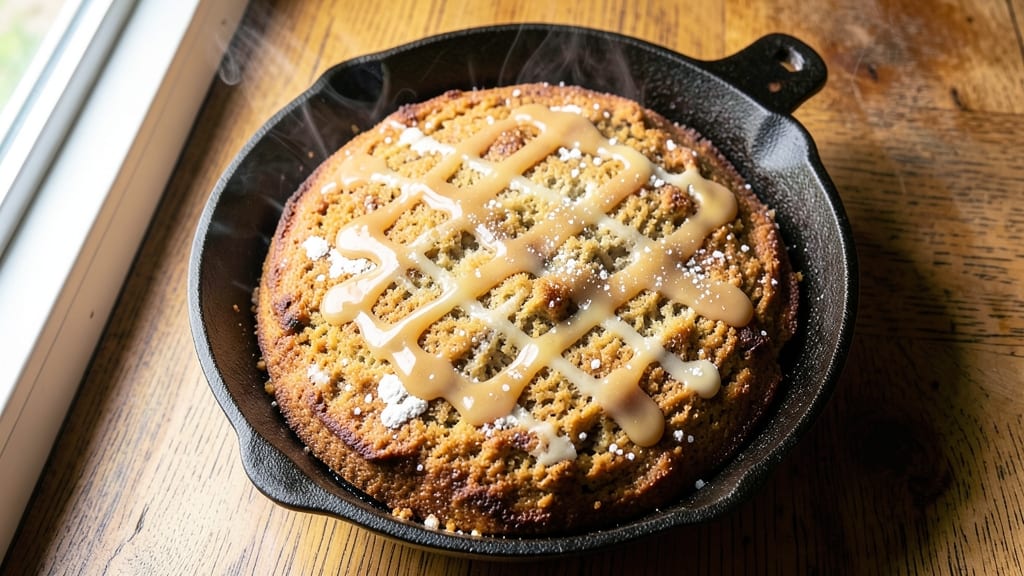
This Amish cornbread recipe delivers the perfect balance of a golden crust and tender, crumbly interior—just like Grandma used to make. The secret lies in the traditional mix of stone-ground cornmeal, buttermilk, and lard, which creates that signature texture and rich flavor.
I’ve tested this recipe countless times to ensure it stays true to its roots while being foolproof for home cooks.
The beauty of this recipe is in its simplicity: no fancy techniques, just a bowl, whisk, and cast-iron skillet. The buttermilk adds moisture and tang, while the lard (or butter) keeps the crumb soft and the crust crisp.
Baked at 425°F for 20-25 minutes, this cornbread emerges with a deep golden hue and a slightly sweet, nutty aroma that fills your kitchen.
What makes this recipe stand out is its versatility—serve it warm with honey and butter for breakfast, alongside chili for dinner, or as a side for roasted meats. The no-substitute rule ensures authenticity, but you can add jalapeños for heat or herbs like thyme for extra depth.
It’s the kind of cornbread that disappears faster than you can say "more butter."
Perfect for beginners or seasoned bakers, this recipe delivers restaurant-quality results with minimal effort. The key is patience—let the batter rest for 10 minutes before baking, and don’t overmix. Trust the process, and you’ll have a batch of cornbread that tastes like a slice of Amish tradition.
Ingredients for amish corn bread
Twelve traditional ingredients create Amish cornbread with a golden crust and tender crumb—no shortcuts needed.
| Ingredient | Amount | Notes |
|---|---|---|
| Stone-Ground Cornmeal 🌽 | 1 ½ cups | Medium grind for texture |
| All-Purpose Flour 🌾 | ½ cup | For structure and binding |
| Buttermilk 🥛 | 1 cup | Full-fat for moisture |
| Lard 🧈 | ½ cup | Rendered, not leaf |
| Granulated White Sugar 🍚 | ¼ cup | Light brown can substitute |
| Baking Powder 🧂 | 2 tsp | Aluminum-free preferred |
| Salt 🧂 | 1 tsp | Diamond Crystal preferred |
| Large Eggs 🥚 | 1 whole | Room temperature |
| Pure Vanilla Extract 🌿 | 1 tsp | Imitation-free preferred |
| Unsalted Butter 🧈 | ½ cup | Melted for brushing |
| Freshly Ground Black Pepper 🌶️ | ¼ tsp | For subtle depth |
| Coarse Cornmeal 🌽 | ¼ cup | For topping crumb |
The stone-ground cornmeal is non-negotiable for that signature texture—Bob's Red Mill or King Arthur brands deliver consistent quality. Lard, while traditional, can be swapped for unsalted butter if preferred, though it yields a slightly different crumb. Buttermilk adds moisture and tang; Cultivate brand offers the richest flavor, but any full-fat buttermilk works. For the baking powder, Aluminum-free varieties like Bob's Red Mill prevent metallic aftertaste. The coarse cornmeal topping creates that desirable crunch, so don't skip it—Martha White is a reliable grocery store option.
No buttermilk? Substitute with 1 cup milk + 1 tbsp vinegar—let it sit for 5 minutes. Lard unavailable? Butter works at a 1:1 ratio, though texture may vary slightly. Freshly ground black pepper enhances depth without overpowering; pre-ground loses potency quickly. For a sweeter variation, increase sugar to 1/3 cup and add 1/4 tsp cinnamon. The vanilla extract should be pure, not imitation—McCormick brand offers a budget-friendly option. Eggs can be omitted for a vegan version if using 1 tbsp ground flaxseed + 3 tbsp water per egg, though texture will differ.
Batter rests best at room temperature for 10 minutes before baking—this ensures even cooking. Leftovers keep 3 days in an airtight container, though they're best enjoyed fresh. For longer storage, wrap tightly in foil and freeze for up to 3 months. Reheat in a 350°F oven for 10 minutes to restore crispness. The cast-iron skillet is ideal, but a lightly greased baking dish works too. Portion into individual muffins for easy grab-and-go servings—perfect for picnics or potlucks.
Why You'll Love This Recipe
- No-Fuss Mix-In: That stone-ground cornmeal and lard combo means no fancy measuring cups or sifting—just dump, stir, and bake. Honestly, the dough comes together faster than I can finish my morning coffee.
- Sweet & Savory Balance: The sugar keeps it just sweet enough to balance the buttermilk’s tang, while the cornmeal gives that classic crumbly texture. Between us, it’s the kind of bread that disappears in minutes—no one questions why.
- Weeknight Workhorse: Serve it warm with chili, fry up leftovers for breakfast, or pack slices for lunch. I’ll be real: it’s my go-to for potlucks, tailgates, or when I’m too tired to plan dinner.
- Pantry Staple Magic: Uses ingredients you already have (check your fridge for that buttermilk!) and keeps well for days. My kids think it’s a treat, but I call it my secret weapon for stretching meals without breaking the bank.
Step-by-step instructions for Amish cornbread
This method delivers the signature Amish cornbread texture—tender crumb and crispy crust—using traditional ingredients.
Prepare the Dry Ingredients
In a large mixing bowl, combine the 1.5 cups stone-ground cornmeal, 0.5 cup all-purpose flour, 2 teaspoons baking powder, 1 teaspoon salt, and 0.25 teaspoon freshly ground black pepper. Whisk vigorously for 30 seconds to ensure the baking powder and salt are evenly distributed throughout the cornmeal.
This step is critical for developing the cornbread's signature texture. The stone-ground cornmeal should remain slightly coarse—don't overmix or you'll create a dense, cake-like texture instead of the traditional crumbly interior. Sift the dry ingredients if possible to break up any cornmeal clumps that might form during storage.
Mix Wet Ingredients Separately
In a separate medium bowl, whisk together the 1 cup buttermilk, 0.5 cup lard (at room temperature), 0.25 cup granulated white sugar, 1 whole large egg, and 1 teaspoon pure vanilla extract until completely smooth. The mixture should be homogeneous with no visible streaks of lard or egg.
Using buttermilk instead of regular milk adds richness and tenderness to the crumb. The lard, rendered and cooled to room temperature, creates that signature Amish cornbread flavor and texture—don't substitute with butter here as it won't render the same way. The sugar and vanilla extract enhance the cornbread's subtle sweetness and depth of flavor.
Combine Wet and Dry Ingredients
Gradually pour the wet ingredients into the dry ingredients while stirring gently with a wooden spoon. Mix just until combined—you should still see small pockets of cornmeal. Overmixing develops gluten and creates a tougher crumb. The batter should be thick and slightly coarse, resembling a loose, wet dough.
This is where the magic happens. The stone-ground cornmeal absorbs the liquid gradually, creating that perfect balance between moist crumb and crispy exterior. If the batter appears too dry, add 1 tablespoon of buttermilk at a time until it reaches a consistency that holds together when pressed between fingers but doesn't stick to them.
Prepare the Baking Pan and Topping
Preheat your oven to 425°F. Generously grease a 9-inch cast-iron skillet with 0.25 cup melted unsalted butter, using a paper towel to coat the bottom and sides thoroughly. Sprinkle 0.25 cup coarse cornmeal evenly over the bottom of the skillet, then tilt and rotate to ensure complete coverage. Tap out any excess.
The cast-iron skillet is essential for achieving that signature crispy crust. The butter and coarse cornmeal create a non-stick barrier that prevents the cornbread from sticking while adding to the crust's texture. The high oven temperature ensures the cornbread bakes through quickly, maintaining its moist interior while developing a golden-brown crust.
Bake to Golden Perfection
Pour the batter into the prepared skillet and spread it evenly to the edges. Bake for 20-25 minutes until the top is deep golden brown and a toothpick inserted into the center comes out clean. The edges should pull away slightly from the pan, indicating it's fully baked.
Don't open the oven during baking—this causes the cornbread to sink. The lard in the batter creates steam that helps develop the crispy crust, so maintaining a closed oven environment is crucial. If the top browns too quickly, tent loosely with aluminum foil after 15 minutes to prevent over-browning while allowing the center to cook through.
Pro Tips For Making Amish Corn Bread
- CUT LARD COLD: Measure your lard straight from the fridge—room temperature makes it too soft, and you’ll end up with greasy dough instead of flaky layers. I learned this the hard way when my first batch turned out more like a dense pancake than a tender crumb. Keep it chilled until you’re ready to mix.
- STIR JUST UNTIL COMBINED: Once you add the buttermilk to the dry ingredients, resist the urge to overmix. Stir until the flour is just moistened—any more and you’ll activate the gluten, turning your cornbread into a tough, bread-like brick. Two or three turns with a fork is all it takes.
- USE A DARK CAST-IRON SKILLET: Skip the nonstick pan—Amish cornbread needs the even heat and crispy crust that only a well-seasoned cast-iron skillet delivers. Preheat it for 5 minutes on medium-high before pouring in the batter, and don’t skimp on the lard in the pan either. That’s where the real flavor happens.
- LET IT REST BEFORE SLICING: The second you pull that cornbread from the skillet, tent it with foil and walk away for 10 minutes. I know, you’re hungry now, but slicing too soon means crumbly, uneven pieces. The starches need time to set—trust me, it’s worth the wait.
Wine and beer pairings for this recipe
Sweet Wine Pairings
Amish cornbread’s subtle sweetness and buttery richness pairs beautifully with dry Riesling from Germany or Vidal Blanc from the Finger Lakes. The wine’s crisp acidity cuts through the cornbread’s fat, while its slight sweetness complements the sugar in the batter.
I love a 2019 Dr. Loosen Blue Slate Riesling—it’s affordable and highlights the cornbread’s vanilla notes. 🍷
Creamy Beer Options
For beer lovers, a Belgian witbier like Stella Artois Wit or Hoegaarden adds a refreshing contrast with its citrusy coriander and spicy orange peel. The effervescence cleanses your palate between bites, while the light maltiness balances the cornbread’s richness. Avoid heavy lagers—they’ll overpower the delicate flavors. 🍺
Spiced Bourbon Cocktail
Warm up your cornbread with a bourbon old-fashioned—mix 2 oz bourbon (I prefer Buffalo Trace), 1 tsp maple syrup, and 2 dashes Angostura bitters. The caramel notes in the bourbon echo the cornbread’s sugar, while the bitters add depth.
Serve in a rocks glass with a large ice cube and orange peel. This combo feels like a cozy Amish kitchen at its finest. 🥃
Coffee Pairing
For a morning treat, serve warm cornbread with medium-roast coffee—the natural sweetness of the beans complements the cornbread’s sugar without clashing. I recommend a lightly sweetened pour-over or a French press with Peet’s Major Dickason’s Blend. The coffee’s earthiness grounds the cornbread’s buttery richness. ☕
Seasonal Cider Match
In autumn, swap wine for dry hard cider like Strongbow Original or Angry Orchard. The cider’s apple notes harmonize with the cornbread’s vanilla and cornmeal flavors, while its slight tartness brightens each bite. Serve slightly chilled for a refreshing contrast. This pairing feels especially nostalgic during harvest season. 🍎
Nutrition facts
Frequently asked questions
Why does Amish cornbread use lard instead of butter?
Traditional Amish recipes use lard because it creates a signature tender crumb and crispy crust that butter can't replicate. The higher smoke point of lard also helps develop that golden-brown color. For a substitute, use unsalted butter in equal amounts, though the texture will be slightly different.
Can I make this cornbread in a regular baking dish instead of cast iron?
Yes, but grease your dish thoroughly with butter and sprinkle it with coarse cornmeal to prevent sticking. A 9-inch round or square baking dish works well. The cornbread may not get quite as crispy as in cast iron, but it will still be delicious.
What's the best way to store leftover cornbread?
Wrap cooled cornbread tightly in foil or store in an airtight container. It stays fresh for 3 days at room temperature or 3 months in the freezer. For best results, reheat in a 350°F oven for 10 minutes to restore crispness.
Can I add jalapeños or other mix-ins to this recipe?
For heat, add 1-2 diced jalapeños to the wet ingredients. Other great add-ins include 1/2 cup shredded cheddar or 1/4 cup chopped herbs like thyme or rosemary. Just be mindful not to overmix after adding them.
Why did my cornbread turn out dense instead of crumbly?
Overmixing the batter develops gluten, which creates a dense texture. The key is to mix just until combined—small pockets of cornmeal should remain. Also ensure your baking powder is fresh and your oven is properly preheated to 425°F.