
Side Dishes
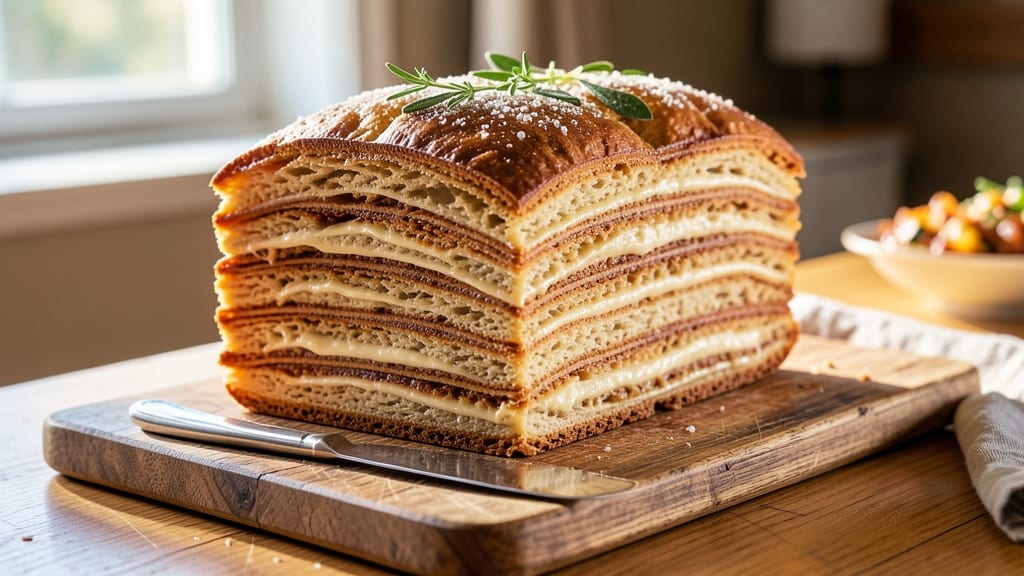
This Amish friendship bread no starter recipe delivers tender, pull-apart swirls with a golden crust—perfect for sharing without the fuss of yeast or long rises. 💛 The secret lies in baking powder's gentle lift, creating that signature flaky, buttery texture that's become a tradition in Amish communities.
What makes this recipe special is its simplicity: no starter, no waiting, just a straightforward mix that comes together in under 30 minutes before baking at 350°F for 25-30 minutes.
The beauty of this bread is its versatility—whether you're serving it warm with butter at a family gathering or packing it for lunches, the texture stays moist and the flavor remains rich and comforting.
Traditional recipes often include a touch of cinnamon or nutmeg, but this version keeps it classic with just flour, butter, sugar, and eggs. The dough's soft, slightly sticky consistency makes shaping easy, and the pull-apart swirls are a crowd-pleaser every time.
What you’ll end up with is a loaf that’s tender yet sturdy enough to hold its shape, with a golden-brown crust that’s just crisp enough to contrast the soft interior. The aroma alone—warm, buttery, and slightly sweet—will have everyone asking for seconds.
This recipe is a testament to Amish baking traditions, proving that simple ingredients and careful technique can create something truly special.
Perfect for holidays, potlucks, or everyday treats, this bread pairs beautifully with jam, honey, or even as a side to soups and stews. The best part? You can make it ahead and reheat it for freshness. Let’s get baking!
Ingredients for amish friendship bread no starter
Eight simple ingredients create this heavenly pull-apart bread—no yeast, no fuss, just pure comfort in every bite. 💛
| Ingredient | Amount | Notes |
|---|---|---|
| All-Purpose Flour 🌾 | 4 cups | Sifted for light texture |
| Unsalted Butter 🧈 | 1 cup | Cold, cubed for flakiness |
| Granulated Sugar 🍚 | ½ cup | Light brown preferred |
| Large Eggs 🥚 | 2 whole | Room temperature for even mixing |
| Baking Powder 🍞 | 2 tsp | Double-acting for lift |
| Salt 🧂 | ½ tsp | Fine sea salt preferred |
| Vanilla Extract 🌸 | 1 tsp | Pure vanilla for authentic flavor |
| Milk 🥛 | ½ cup | Warm for easier mixing |
| Powdered Sugar 🍚 | ¼ cup | For topping swirls |
| Cinnamon 🌿 | ½ tsp | Ground for even distribution |
The butter is the star here—cold, cubed pieces create those signature flaky layers. Grab European-style butter if you can (like Plugrá or Land O'Lakes) for richer flavor. The flour? King Arthur or Gold Medal are my go-tos—they handle the sticky dough like a dream. That powdered sugar topping? Diamond Crystal is my pick for smoother swirls. Pro tip: don't overmix the dough—just combine until it comes together. This bread is all about tender layers, not tough texture. The baking powder matters too—double-acting is a must for that perfect rise.
No vanilla extract? Vanilla bean paste works great, or even vanilla sugar at half the amount. Short on powdered sugar? A mix of granulated sugar and cornstarch (1:1 ratio) gets you close. The milk can be any kind—whole, 2%, even almond milk in a pinch. For an extra-special touch, add 1 tbsp lemon zest to the dough for brightness. The cinnamon is optional but totally worth it—McCormick is my reliable brand. And if you're feeling fancy, swap the powdered sugar topping for a mix of powdered sugar and cinnamon (1:1 ratio) for extra flavor.
This bread keeps beautifully—wrapped in foil at room temp for 2 days, or in the fridge for up to 5 days. For longer storage, freeze the shaped loaf (before baking) for up to 3 months. Reheat slices in a 350°F oven for 5-7 minutes to restore that fresh-from-the-oven warmth. The best part? It reheats perfectly, making it ideal for meal prep. I always bake two loaves—one for the table, one for lunches. Trust me, the second batch disappears just as fast!
Why You'll Love This Recipe
- No Yeast Hassle: I’ll admit—my first attempt at sourdough starter left me with a sad, bubbly blob in the fridge. This recipe skips that drama entirely. Just mix flour, butter, sugar, and eggs, then bake. The baking powder does all the work while you sip coffee.
- Buttery Sweet Magic: That rich butter and sugar combo? It’s like a hug in bread form. The crust gets golden and crisp, while the inside stays tender—no dry, sad loaves here. Honestly, I’ve made it for breakfast, dessert, and even as a sandwich base, and it never disappoints.
- Breakfast or Snack: Here’s what sold me—this bread works everywhere. Toast it with jam for a lazy morning, split it open for a sweet sandwich, or serve it warm with butter. My kids grab it straight from the pan, and I don’t even judge them.
- Budget Baking Win: Flour, butter, sugar, eggs—these are pantry staples, not splurges. A single batch stretches for days, and the leftovers? Perfect for French toast or bread pudding. I’ve made it for potlucks, picnics, and even as a last-minute gift (wrapped in foil, of course).
Step-by-step instructions for Amish friendship bread
This no-starter method delivers those iconic pull-apart swirls with a tender crumb—no yeast, no fuss, just pure homestyle goodness.
👨🍳 Step 1: Cut and Mix the Cold Butter into Flour
First, sift the 4 cups all-purpose flour into a large mixing bowl. Add the 0.5 cup granulated sugar and 0.5 tsp salt and whisk together. Cut in the 1 cup cold cubed butter using a pastry cutter or your fingers—this creates flaky layers that make the bread irresistible.
Work quickly but don't rush. You're looking for pea-sized butter pieces throughout the flour mixture. If it starts to look too shaggy, press the dough together gently. This step is all about texture—those cold butter pockets will melt into golden swirls when baked.
👨🍳 Step 2: Add Wet Ingredients for a Smooth Dough
In a separate bowl, whisk together the 2 whole room-temperature eggs, 1 tsp vanilla extract, and 0.5 cup warm milk. Pour this mixture into the flour-butter combination and gently fold with a wooden spoon until just combined. Add the 2 tsp baking powder and mix until evenly distributed.
Here's the thing—don't overmix. You want a soft, slightly sticky dough that comes together when pressed. If it feels too dry, add 1-2 tablespoons milk at a time until it holds together. The dough should feel like playdough when you squeeze it—if it crumbles, it needs more moisture.
🥘 Step 3: Shape and Swirl for Classic Presentation
Turn the dough onto a lightly floured surface and knead gently 5-6 times until smooth. Divide into 8 equal portions (about 1/3 cup each) and roll each into a 4-inch log. Arrange 4 logs side-by-side in a greased 9x13-inch baking dish.
Create the signature swirls by placing the remaining 4 logs perpendicular across the top, forming an "X" pattern. Gently press down to create the classic crosshatch design. This arrangement gives you those iconic pull-apart sections when served. Sprinkle the top with a mix of 0.25 cup powdered sugar and 0.5 tsp cinnamon for that sweet, aromatic finish.
🔥 Step 4: Bake Until Golden and Fragrant
Preheat your oven to 350°F. Bake the bread for 35-40 minutes until the top is golden brown and the edges are set. You'll know it's done when the bread pulls away slightly from the sides of the pan and smells like warm cinnamon.
For best results, let the bread cool in the pan for 10 minutes before transferring to a wire rack. The residual heat helps set the structure, preventing it from falling apart when you serve those pull-apart sections. This cooling time also lets the flavors meld—you'll be rewarded with that perfect balance of tender crumb and buttery richness.
🍽️ Step 5: Serve Warm with Sweet Butter
Slice the warm bread into squares and serve immediately. The texture should be soft in the center with crisp edges, and those cinnamon-sugar swirls should be visible on top. For the ultimate experience, serve with melted butter on the side—this is traditional for a reason!
Each bite should deliver that perfect combination of tender crumb, buttery richness, and subtle cinnamon warmth. If you have leftovers, store them wrapped at room temperature for up to 3 days, or freeze for up to 3 months. The bread reheats beautifully in a 300°F oven for 10 minutes to restore its softness.
Pro Tips For Making Amish Friendship Bread No Starter
- MEASURE BUTTER COLD: Take that unsalted butter straight from the fridge—no softening needed. I learned this the hard way when I used room-temperature butter and ended up with dense, greasy loaves instead of that classic tender crumb. Cut it into small cubes and let the dough handle the mixing; it’ll emulsify perfectly on its own.
- WHISK EGGS UNTIL THICK: Beat those large eggs for at least 2 minutes until they’re pale, thick, and ribbon-like. This isn’t just about volume—it’s about structure. My first batch had eggs that looked "done enough," but the bread collapsed in the middle. Overbeating? No. Just get them properly aerated.
- FOLD DOUGH JUST TWICE: Resist the urge to overmix after adding the dry ingredients. Two gentle folds with a spatula—one to combine, one to distribute—is all you need. I used to "really work it" like biscuit dough, and the bread turned out tough. Keep it light, like folding a blanket, not kneading bread.
- BAKE AT 350°F NO MATTER WHAT: Skip the "preheat" hype—this recipe demands 350°F. I tried 375°F for faster baking once, and the outside burned before the center set. The butter needs time to melt evenly, and the baking powder needs that steady heat to puff the loaves right. Set your oven and walk away.
Dietary considerations for this dish
Vegetarian-Friendly
This recipe is naturally vegetarian, relying on eggs, butter, and dairy for richness rather than meat. The 2 eggs and 1 cup butter provide structure and flavor without any animal protein.
For a vegan adaptation, replace the butter with 1 cup vegan butter (like Miyoko's) and use 2 flax eggs (2 tbsp ground flaxseed + 6 tbsp water per egg). The baking powder ensures a proper rise without yeast, keeping it plant-based friendly. 🌱
Gluten-Free Adaptation
For a gluten-free version, swap the 4 cups all-purpose flour for a 1:1 gluten-free baking flour blend (like King Arthur Measure for Measure). You may need to add 1 extra tbsp xanthan gum to improve texture.
Reduce the milk by 2 tbsp since gluten-free flours absorb moisture differently. The baking powder and butter remain the same, but expect a denser crumb. Test with a small batch first—gluten-free baked goods can vary widely. 💡
Dairy-Free Options
To make this bread dairy-free, replace the 1 cup butter with 1 cup coconut oil (solid) or vegan butter. Use ½ cup dairy-free milk (like oat or almond milk) instead of regular milk.
The powdered sugar topping can stay as-is, but check for dairy-free brands like Trader Joe's. The texture will be slightly different but still delicious—just be sure to use a reliable dairy-free butter substitute. 🧈
Egg-Free Substitution
For an egg-free version, replace the 2 eggs with 2 tbsp ground flaxseed + 6 tbsp water (let sit for 5 minutes to thicken). Alternatively, use ½ cup unsweetened applesauce for moisture. The baking powder will still provide lift, but the crumb may be slightly denser.
Test with one egg-free batch first to adjust consistency—this bread relies on eggs for structure, so expect a softer texture. 🥚
Nut-Free Considerations
This recipe is naturally nut-free, but if you're avoiding nuts for allergies, double-check all ingredients. The powdered sugar and vanilla extract are typically nut-free, but some brands may process in nut facilities. For extra safety, use certified nut-free brands like Bob's Red Mill for flour and McCormick for cinnamon.
The butter and milk are also safe as long as they're pure, with no additives. Always read labels carefully! 🌾
Nutrition facts
Frequently asked questions
Why does this recipe use baking powder instead of yeast?
This no-starter version relies on 2 teaspoons baking powder for quick rise and fluffy texture—no waiting for yeast to activate! The baking powder creates bubbles that lift the dough immediately, giving you those signature pull-apart swirls in just 35-40 minutes at 350°F. Traditional Amish friendship bread often uses yeast, but this method delivers the same tender crumb without the fuss.
Can I make this bread without eggs?
Yes! Replace the 2 eggs with 2 tbsp ground flaxseed + 6 tbsp water (let sit for 5 minutes). The texture will be slightly denser, but still delicious. For extra moisture, add 1 tbsp applesauce to the dough. The baking powder ensures rise, but eggs help bind the dough—expect a softer, more tender result with substitutions.
How do I fix dough that's too dry or crumbly?
Add 1-2 tablespoons milk at a time until the dough holds together when pressed. If it's still too dry, try mixing 1 tbsp melted butter into the milk before adding. The dough should feel soft and slightly sticky—like playdough—when you squeeze it. Overmixing can also make it tough, so fold gently until just combined.
Is this bread safe to eat the next day?
Store wrapped at room temperature for 2-3 days or freeze for 3 months. Reheat slices in a 300°F oven for 5-7 minutes to restore freshness. The bread keeps its moist texture well, making it perfect for meal prep. For extra crispiness, broil for 1-2 minutes after reheating.
Can I add fruit or nuts to this recipe?
Fold in ½ cup chopped apples, raisins, or pecans with the wet ingredients. For nuts, use ½ cup chopped walnuts or pecans—toast them first for extra flavor. Just reduce the milk by 2 tbsp to keep the dough from getting too sticky. The baking powder ensures rise even with mix-ins, but don't exceed 1 cup total additions to avoid overcrowding.