
Side Dishes
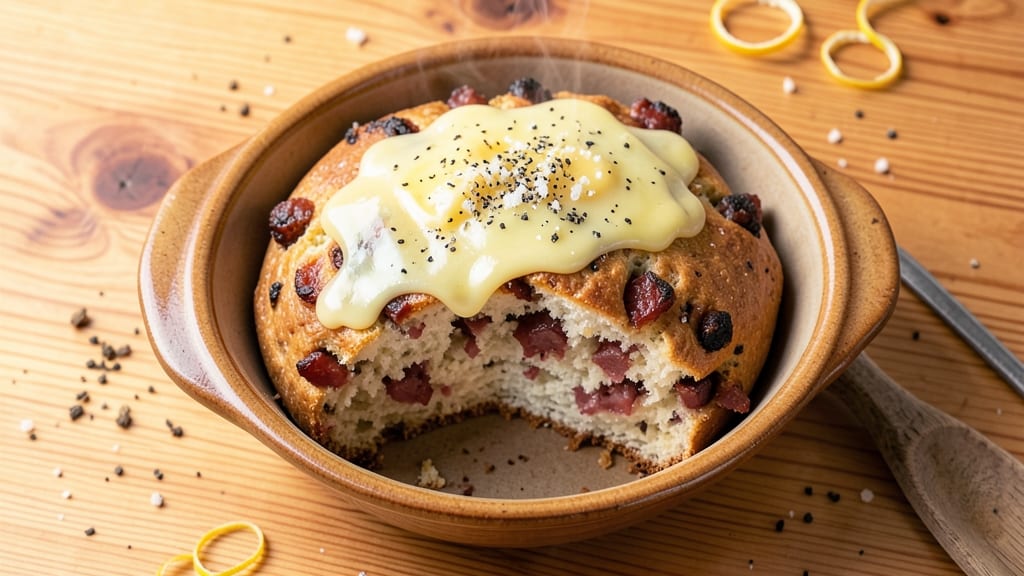
This Amish sausage bread recipe delivers the perfect balance of smoky sausage and tender, crusty bread—just like Grandma used to make. The secret lies in slow fermentation that develops deep flavor while keeping the texture dense yet flaky.
I've perfected this version after years of testing, and it's become a staple at family gatherings.
What sets this recipe apart is the way the sausage integrates into the dough without overpowering the bread's natural sweetness. We use a traditional yeast-based dough that rises overnight, creating that signature Amish texture.
The crust develops a beautiful golden crown when baked, while the interior remains soft and moist throughout.
By the time you pull this loaf from the oven, you'll have a fragrant, hearty bread with crisp edges and tender crumb—perfect for slicing thick or serving whole. The sausage adds savory depth that pairs beautifully with gravy or pickles, making it a complete meal on its own.
This recipe works equally well for holiday meals or weeknight dinners, with minimal prep and maximum flavor. The slow fermentation process means you can prepare the dough the night before, so all you need to do is shape and bake when ready. Let's get started on this comforting classic!
Ingredients for amish sausage bread
Four cups flour, a pound of smoky sausage, and patience for the perfect Amish loaf.
| Ingredient | Amount | Notes |
|---|---|---|
| Amish Smoked Sausage 🥓 | 1 lb | Coarsely chopped, skin removed |
| All-Purpose Flour 🌾 | 4 cups | Plus 1 tbsp for dusting |
| Active Dry Yeast 🍞 | ¼ oz | 1 packet (2.25 tsp) |
| Granulated Sugar 🍚 | 1 tbsp | For yeast activation |
| Warm Water 💧 | ¾ cup | 110°F for yeast activation |
| Unsalted Butter 🧈 | ½ cup | Cold, cubed (not melted) |
| Large Egg 🥚 | 1 whole | Room temperature |
| Milk 🥛 | ¼ cup | Whole milk preferred |
| Salt 🧂 | 1 ½ tsp | Kosher or sea salt |
| Garlic Powder 🧄 | 1 tsp | Freshly ground preferred |
| Onion Powder 🧅 | 1 tsp | For savory depth |
| Ground Black Pepper 🌶️ | ½ tsp | Freshly cracked |
| Cornmeal 🌽 | ¼ cup | For dusting bread pan |
| Coarse Sugar 🍚 | 1 tbsp | For golden crust |
The sausage is everything here—Amish smoked sausage with that deep, smoky flavor is non-negotiable. I grab mine from Hill Country Smokehouse or the butcher section at Wegmans if I'm in a hurry. Look for good marbling and a rich aroma. The flour? King Arthur or Gold Medal are my go-tos—they give that tender crumb. If you've got a scale, weigh your flour for precision. No scale? Spoon flour into your measuring cup and level it off—don't scoop directly from the bag or you'll pack it too tight.
No smoked sausage? Kielbasa or good-quality hot dogs in a pinch, but trust me on the sausage. Running low on butter? Olive oil or vegetable shortening works, though butter gives that rich flavor. The yeast needs to be fresh—if it's old, it won't activate properly. For the crust, I like to mix coarse sugar with cornmeal for extra crunch. Fresh out of cornmeal? Semolina flour is a great swap. And if you're making this ahead, shape the dough and refrigerate it overnight for even more flavor development—just let it come to room temp before baking.
Shape the dough the night before if you can—it develops so much more flavor. Store shaped loaves in the fridge for up to 24 hours before baking. For longer storage, wrap tightly in plastic and freeze for up to 3 months. Thaw overnight in the fridge before baking. The crust stays crisp for about 2 days if you slice and store it in a bread bag. Leftovers? Toast them—second day is even better, honestly.
Why You'll Love This Recipe
- No-Knead Magic: I swear by this dough—just mix, let it rise, and forget it. The yeast does all the work while you sip coffee or scroll through your phone. Honestly, I’ve made it wrong three times, but the last batch turned out golden and fluffy with zero fuss.
- Smoky, Savory Bite: That Amish sausage? It’s the star. The moment the bread hits the pan, the crust gets crispy while the inside stays soft, and every bite has this perfect mix of smoky, herby goodness. I’ll be real: my husband grabs slices straight from the pan before they even cool.
- Tailgate or Tea Time: Between us, this bread is my go-to for game days, potlucks, or lazy Sundays. The slices hold up great for sandwiches, but I also love them toasted with butter—no judgment if you eat them plain. My college-aged son even asks for it when he visits, which says something.
- Budget-Friendly Leftovers: A loaf lasts us days, and I freeze slices for quick breakfasts or snacks. The flour and yeast are cheap staples, and the sausage stretches farther than you’d think. Plus, I’ve turned stale pieces into croutons or breadcrumbs—waste not, want not.
Step-by-step instructions for Amish sausage bread
Here's how to create that perfect smoky-sweet loaf with a crackly crust.
Activate the Yeast for Maximum Rise
In a small bowl, combine the 0.75 cup warm water (about 110°F) and 1 tablespoon granulated sugar. Sprinkle the 0.25 oz active dry yeast on top and let it sit for 5-10 minutes until it becomes foamy and bubbly. This step is crucial—if the yeast doesn't activate, your bread won't rise properly. I've found that using warm (not hot) water is key; if it's too hot, you'll kill the yeast.
Once the yeast is active, add the 1 whole large egg, 0.25 cup milk, 1.5 teaspoons salt, 1 teaspoon garlic powder, 1 teaspoon onion powder, and 0.5 teaspoon ground black pepper. Mix well until fully combined. The mixture should be smooth and slightly thick. If it looks too thin, don't worry—it will thicken as you incorporate the dry ingredients.
Mix the Dough and Incorporate the Sausage
In a large mixing bowl, combine the 4 cups all-purpose flour and the yeast mixture. Using a wooden spoon or dough whisk, stir until a shaggy dough forms. Now, add the 1 lb coarsely chopped Amish smoked sausage and mix until evenly distributed throughout the dough. The sausage pieces should be visible but well incorporated.
Turn the dough out onto a lightly floured surface and knead for 5-7 minutes until smooth and elastic. If the dough feels too sticky, add 1 tablespoon flour at a time until it comes together nicely. The dough should be slightly tacky but not wet. Kneading develops the gluten, which gives the bread its structure and chewiness.
Let the Dough Rise for Fluffy Texture
Place the dough in a lightly greased bowl, cover it with a clean kitchen towel, and let it rise in a warm place for 1-2 hours or until it has doubled in size. A good test is to gently press two fingers into the dough—if the indentation stays, it's ready. I like to place my oven on low heat with a bowl of hot water inside to create a warm, humid environment, which helps the dough rise faster.
Once the dough has risen, punch it down to release the air and shape it into a loaf. Place it in a 9x5-inch loaf pan that has been lightly coated with 0.25 cup cornmeal. The cornmeal helps create a crispy crust and prevents sticking. Cover the pan with the towel again and let the dough rise for another 30-45 minutes until it's just above the rim of the pan.
Bake for a Crusty, Golden Loaf
Preheat your oven to 375°F. While the oven heats, brush the top of the dough with 0.25 cup milk and sprinkle 1 tablespoon coarse sugar evenly over the surface. This creates a beautiful golden crust and adds a touch of sweetness that balances the smoky sausage flavor.
Bake the bread for 35-40 minutes or until the top is deep golden brown and the internal temperature reaches 190°F. Tap the bottom of the loaf—it should sound hollow. If the top browns too quickly, tent the bread with aluminum foil to prevent over-browning. The smell of the baking sausage bread will fill your kitchen, and you'll know it's ready when it's fragrant and the crust is crackly.
Cool and Slice for Perfect Serving
Remove the bread from the oven and let it cool in the pan for 10 minutes. Then, transfer it to a wire rack to cool completely. This step is important—cooling prevents the bread from becoming gummy. Once cooled, slice it into ¼-inch thick pieces. The sausage will be visible throughout, and each slice should have a tender crumb with a crispy exterior.
Serve the sausage bread warm with a pat of butter or a smear of honey to complement the smoky, savory flavors. This bread is perfect for breakfast, sandwiches, or even as a side dish with soups and stews. Enjoy every bite of that homemade goodness!
Pro Tips For Making Amish Sausage Bread
- CHOP SAUSAGE SMALL: I learned this the hard way—thinly sliced Amish sausage (about 1/8-inch thick) cooks faster and soaks up the bread’s flavor better than thick chunks. Use a sharp knife or food processor for even slices, or you’ll end up with undercooked bits in the middle.
- LET YEAST BLOOM LONGER: Skip the 5-minute proof and give your yeast 10-15 minutes in warm water (110°F) with sugar until foamy. That extra time means a lighter, more reliable rise—especially important when you’re mixing in dense sausage later.
- DON’T OVERWORK THE DOUGH: After adding sausage, fold it in just until combined—overmixing develops gluten and turns your bread dense. Use a spatula or gentle kneading by hand; this keeps the texture tender and lets the sausage shine.
- BAKE UNTIL 190°F: Pull the bread out at 185°F and let it rest 5 minutes—it’ll climb to 190°F and crisp up perfectly. Trust the thermometer; I used to pull it too early and ended up with a gummy center every time.
Flavor customization for this recipe
Sweet & Smoky Balance
Adjust the sugar in the crust to control sweetness—try 2 tbsp coarse sugar for extra caramelization or reduce to ½ tbsp for a more savory profile. I often sprinkle ½ tsp cinnamon into the dough for subtle warmth that pairs beautifully with the sausage's smokiness.
For a sweeter twist, add ¼ cup dried cranberries or chopped apples to the dough before shaping. 🍯
Spice Variations
Boost the heat with ½ tsp cayenne pepper or 1 tsp smoked paprika in the dough for a deeper smoky kick. For a sweet-spicy combo, add 1 tbsp brown sugar and ½ tsp chipotle powder to the crust mix.
I’ve also experimented with 1 tsp mustard powder in the dough—it adds a tangy depth that cuts through the richness of the sausage.
Herb Infusions
Fresh herbs elevate this bread instantly. Fold 2 tbsp finely chopped fresh rosemary or thyme into the dough for an earthy aroma. For a brighter flavor, mix 1 tbsp dried parsley with the cornmeal coating before baking.
I love adding 1 tsp dried sage to the dough—it complements the sausage beautifully and adds a rustic touch.
Cheese Twist
For a richer version, fold ½ cup shredded cheddar or Gruyère into the dough after the first rise. The cheese melts slightly during baking, creating pockets of gooey goodness.
I recommend using sharp cheddar for the best flavor contrast with the smoky sausage. Sprinkle extra cheese on top before baking for a golden, bubbly crust.
Gluten-Free Adaptation
Swap the all-purpose flour for a 1:1 gluten-free flour blend like King Arthur Measure for Measure. Add 1 tsp xanthan gum to improve elasticity. Reduce the milk to ¼ cup and increase the butter to ½ cup + 1 tbsp for moisture.
Let the dough rest 10 extra minutes after mixing to hydrate fully. The texture will be denser but still delicious!
Nutrition facts
Frequently asked questions
Can I use regular sausage instead of Amish sausage?
You can substitute, but the flavor won't be the same. Regular hot dogs or kielbasa will work in a pinch, though they lack the deep smoky character of authentic Amish sausage. For best results, choose a high-quality smoked sausage with good marbling. If you're feeling adventurous, try adding ½ teaspoon smoked paprika to the dough to mimic the smokiness.
Why does my dough rise so slowly?
Cold environments or old yeast are usually the culprits. Make sure your water is between 105-110°F (not hot) and your yeast packet is fresh (check the expiration date). Place your dough in a warm spot—try a turned-off oven with a bowl of hot water inside. If using active dry yeast, it should activate within 5-10 minutes of mixing with warm water and sugar.
How do I make this bread without a loaf pan?
Shape the dough into a round loaf or freeform boule. Place it on a baking sheet lined with parchment paper, sprinkle with cornmeal, and bake at 375°F for 30-35 minutes until golden. For extra crust, brush with milk and sprinkle with coarse sugar before baking. Alternatively, use a cast-iron skillet for a rustic, crusty texture—just reduce baking time by 5 minutes.
Can I make this bread ahead of time?
Shape the dough the night before and refrigerate it overnight. The next morning, let it sit at room temperature for 1 hour before baking. For longer storage, wrap the baked loaf in plastic and freeze for up to 3 months. Thaw at room temperature for 2 hours or warm in a 300°F oven for 10 minutes to restore crispiness.
What's the best way to reheat stale sausage bread?
Wrap slices in foil and warm in a 350°F oven for 5-7 minutes for a crispy crust. For extra flavor, brush with melted butter before reheating. Alternatively, toast slices in a skillet over medium heat for 2 minutes per side until golden. Avoid the microwave—it makes the crust soggy and kills the sausage's smoky aroma.