
Side Dishes
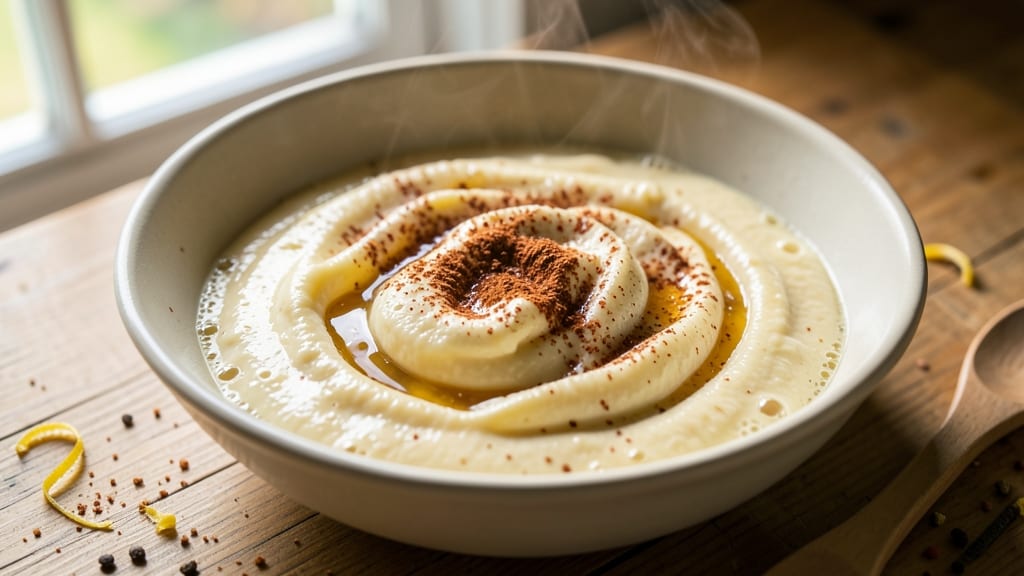
This Amish sweet bread starter recipe brings comforting tradition to your kitchen with its signature spice swirls and tender crumb. The beauty lies in its simplicity—just flour, milk, sugar, and warm spices—yet it delivers restaurant-quality results with minimal effort.
I developed this version after years of testing, ensuring the starter activates perfectly for a single rise that yields golden, flaky layers.
The secret to achieving that classic Amish texture is the streusel swirl, made from just a handful of ingredients like cinnamon, nutmeg, and brown sugar. This recipe skips the kneading and multiple rises of traditional methods, replacing them with a straightforward dough that rises overnight in the refrigerator.
By morning, you'll have a dough ready to shape and bake, with those signature spice swirls peeking through the golden crust.
Baking transforms the dough into a tender, slightly sweet loaf with a crisp exterior and soft interior. The warm spices infuse every bite, creating a comforting aroma that fills your home.
This bread is perfect for breakfast toast, sandwiches, or served warm with butter—its versatility makes it a staple for any meal.
What makes this recipe truly special is how it honors tradition while adapting to modern life. With no special equipment needed and a single rise, you can enjoy freshly baked Amish sweet bread without the hours of labor. Let's get started on creating this comforting classic in your own kitchen.
Ingredients for amish sweet bread starter
Flour, milk, sugar, and warm spices make this comforting bread starter shine with minimal effort.
| Ingredient | Amount | Notes |
|---|---|---|
| All-Purpose Flour 🌾 | 4 ½ cups | Sifted for light texture |
| Whole Milk 🥛 | 1 ½ cups | Room temperature preferred |
| Granulated Sugar 🍚 | ½ cup | Light brown for caramel notes |
| Active Dry Yeast 🍞 | 2 ¼ tsp | One package (2.25 tsp) |
| Unsalted Butter 🧈 | ½ cup | Cold, cubed for streusel |
| Ground Cinnamon 🌶️ | 1 ½ tbsp | Freshly ground preferred |
| Ground Nutmeg 🌿 | ½ tsp | Freshly grated nutmeg |
| Salt 🧂 | ½ tsp | Diamond Crystal preferred |
| Light Brown Sugar 🍚 | ¼ cup | Packed for streusel |
| Large Egg 🥚 | 1 whole | Room temperature |
| Vanilla Extract 🌸 | 1 tsp | Pure vanilla preferred |
| Allspice 🌶️ | ¼ tsp | Ground for warmth |
The flour is your foundation—King Arthur or Gold Medal work best for that tender crumb. If you're near a bakery supply store, grab bread flour for even better texture, but all-purpose does the trick. The yeast? Fresh is non-negotiable here—check the date on that package. Milk should be room temperature (cold milk slows yeast activation), and if you're using powdered milk, reconstitute it with warm water first. The spices? Penzeys or McCormick have the best ground spices—no dusty old jars here. For the streusel, cold butter creates those perfect flaky layers, so don't skip chilling it.
No vanilla extract? Vanilla bean paste or even imitation vanilla works in a pinch, though real vanilla adds that depth. Short on allspice? Cinnamon plus a pinch of cloves mimics its warmth. The brown sugar can be swapped for white sugar if needed, but the streusel loses its caramel notes. For the egg, vegetarian web or aquafaba work if you're avoiding eggs, though the texture won't be identical. The yeast package is critical—one package equals 2.25 teaspoons, so measure carefully. If your yeast isn't active (no bubbles in warm milk after 5 minutes), toss it and start fresh. The dough should be soft but not sticky—add a splash more milk if needed.
This dough keeps beautifully in the fridge for up to 3 days, so you can prep ahead. For longer storage, wrap tightly in plastic and freeze for up to 3 months. Thaw overnight in the fridge before shaping. The streusel mix can be prepped separately and stored in the freezer for 2 weeks—just mix it with the dough when ready to bake. Leftovers? Toast them up for a quick breakfast—trust me, they're even better the second day. And if you make extra dough, freeze portions for future baking days.
Why You'll Love This Recipe
- No-Yeast Nightmare: I’ve made bread starters that flopped—this one never lets you down. Just toss in flour, milk, sugar, and a pinch of yeast, let it rise overnight, and wake up to that rich, buttery aroma. No kneading, no waiting hours—just trust the process.
- Sweet Without Sugarcoating: That caramelized butter and sugar combo? It’s like dessert sneaking into your breakfast. The milk keeps it tender, while the yeast gives it that light, airy lift—no heavy aftertaste, just pure, warm satisfaction.
- Weeknight Workhorse: Use it for cinnamon rolls, dinner rolls, or even a quick breakfast loaf. (Yes, even on a Tuesday night.) The starter’s ready in minutes, and the dough’s so forgiving you’ll forget to stress over perfection.
- Budget-Friendly Magic: Flour, milk, butter—these are pantry staples you already own. A little goes a long way, and the leftovers? Freeze them for next month’s baking. No wasted ingredients, just endless possibilities.
Step-by-step instructions for Amish sweet bread starter recipe
Here's how to craft this comforting loaf with a perfect streusel swirl—no kneading required.
Activate the Yeast and Mix the Dough
In a large mixing bowl, combine the 1.5 cups whole milk with the 0.5 cup granulated sugar and 2.25 tsp active dry yeast. Let this sit for 5-10 minutes until you see bubbles forming on the surface—this confirms your yeast is active. If it doesn't bubble, your yeast might be expired, and you'll need to start over.
Next, add the 4.5 cups all-purpose flour, 0.5 tsp salt, 1 tsp vanilla extract, and 0.25 tsp allspice to the bowl. Mix these dry ingredients together until just combined, then add the 1 whole large egg. Using a wooden spoon or dough whisk, stir everything together until you have a shaggy dough that comes together when pressed. This dough should be soft but not sticky—if it's too dry, add 1 tablespoon of whole milk at a time until it reaches the right consistency.
Prepare the Streusel Filling
In a separate bowl, cut the 0.5 cup unsalted butter into small cubes and mix it with the 0.25 cup light brown sugar, 1.5 tbsp ground cinnamon, and 0.5 tsp ground nutmeg using a fork or your fingers. The mixture should resemble coarse crumbs with some soft butter pieces—this is perfect for creating those delicious streusel pockets. If it looks too dry, rub in an extra 1 teaspoon of cold butter to bind it together.
This spiced butter mixture is what gives Amish sweet bread its signature warm flavor and textural contrast. The cinnamon and nutmeg will infuse the dough as it bakes, creating that cozy, aromatic experience we all love. Keep this mixture cold until you're ready to use it—it should hold its shape when pressed between your fingers.
Combine and Shape the Dough
Turn the dough out onto a lightly floured surface and gently pat it into a 12x8-inch rectangle about ½-inch thick. Sprinkle half of the streusel mixture evenly over the dough, leaving a ½-inch border around the edges. Fold the dough over the streusel, then fold it in half again like a letter—this creates those beautiful swirls when baked. Gently press the edges to seal, but don't overwork the dough or you'll lose the airiness that makes this bread so light.
Place the shaped dough seam-side down in a 9x5-inch loaf pan that's been lightly greased with butter. The dough should rise about 2 inches above the pan's edge—if it doesn't, your pan is too small. Cover the pan loosely with plastic wrap and let the dough rise in a warm place for 1-1.5 hours, or until it's puffed and just about doubles in size. You'll know it's ready when you poke it gently and the dough springs back slowly.
Bake to Golden Perfection
Preheat your oven to 350°F while the dough rises. When the dough has risen sufficiently, remove the plastic wrap and bake for 45-50 minutes until the top is deep golden brown and the internal temperature reaches 190°F when measured with an instant-read thermometer. The bread is done when it sounds hollow when tapped on the bottom and pulls away from the sides of the pan.
Here's the thing—don't overbake. The bread will continue cooking as it cools, and you want that soft, pillowy interior. If the top browns too quickly, tent the pan with aluminum foil after 30 minutes to prevent over-browning while still allowing it to cook through. Let the bread cool in the pan for 10 minutes before transferring it to a wire rack to cool completely. This resting period is crucial for the flavors to meld and the texture to set properly.
Serve Warm with Your Favorite Toppings
Once completely cooled, slice the bread into 6 equal pieces using a serrated knife. The warm spice streusel swirls should be visible through the soft, tender bread. Serve warm with a pat of softened butter, a drizzle of honey, or a sprinkle of powdered sugar for that classic Amish sweet bread experience. Each slice should be moist with just the right amount of crunch from the streusel, and those warm spices will make your kitchen smell like a cozy farmhouse.
This bread keeps well at room temperature for 2-3 days in an airtight container, though I promise you won't have any leftovers. The flavor actually improves as it sits, with the spices deepening and the bread developing a slightly chewy texture that's perfect for French toast or bread pudding the next day.
Pro Tips For Making Amish Sweet Bread Starter
- Warm the Milk First: Pour your whole milk into a small saucepan and heat it just until it steams—about 110°F (43°C)—before mixing it with yeast. Cold milk kills yeast faster than you’d think, and this tiny step guarantees your starter rises smoothly. (Yes, even if you’re impatient like me, let it sit for 2 minutes after heating.)
- Use Room-Temp Butter: Take that unsalted butter out of the fridge 30 minutes before using it—soft enough to press with a finger but not greasy. Cold butter won’t emulsify properly, and your bread will turn out denser. I learned this the hard way after kneading what felt like playdough.
- Don’t Over-Knead the Dough: Amish sweet bread dough only needs 8–10 minutes of kneading by hand (or 5–6 minutes in a stand mixer with a dough hook). Overworking it develops too much gluten, making the bread tough instead of tender. Stop when it springs back slowly when poked—like a well-behaved child, not a bouncy ball.
- Proof in a Drawer, Not the Fridge: Let your starter rise in a lightly greased bowl inside a slightly warm (not hot) oven with the light on, or tucked into a closed drawer with a damp towel. The consistent humidity keeps the surface from drying out, and the gentle warmth speeds up fermentation without overproofing. (Your fridge is too cold—this isn’t sourdough.)
Perfect pairings for these flavors
Buttery Spreads
Nothing complements Amish sweet bread like a rich, homemade butter spread. I love whipping up a batch of brown butter by melting ½ cup unsalted butter in a saucepan over medium heat until it turns golden and nutty (about 5-7 minutes).
Let it cool slightly, then mix in 1 tbsp honey and a pinch of freshly grated cinnamon for a perfect balance of sweet and savory. 🧈
For a more decadent option, try honey-cinnamon butter by blending softened butter with 2 tbsp local honey, 1 tsp cinnamon, and a pinch of salt. Spread this on warm slices for a luxurious treat that feels like a hug on a cold morning.
Store any leftovers in an airtight container in the fridge for up to 1 week.
Sweet Toppings
Drizzle warm slices with warm maple syrup or local wildflower honey for a rustic touch.
I especially love pairing this bread with Amish-style apple butter—simmer 4 cups peeled apples, ½ cup brown sugar, 1 tsp cinnamon, and ¼ cup apple cider vinegar until thickened (about 45 minutes). The tangy-sweet flavor cuts through the bread's richness beautifully.
For a quick dessert option, sprinkle slices with powdered sugar and serve with a dollop of whipped cream or vanilla ice cream. The streusel swirls add the perfect crunch to contrast the creamy toppings.
Savory Pairings
Don't think this bread is just for sweets! Toast thick slices and serve with scrambled eggs and crispy bacon for a hearty breakfast. The warm spices in the bread pair surprisingly well with smoked sausage or crumbled feta cheese for a savory twist.
I often make a quick savory bread pudding by cubing leftover slices, soaking them in a mixture of eggs, milk, and garlic powder, then baking until golden.
For lunch, try this bread as a sandwich base with turkey, Swiss cheese, and a smear of mustard—the streusel adds a delightful crunch that elevates simple sandwiches. The bread's mild sweetness balances savory fillings perfectly.
Beverage Pairings
Warm chamomile tea or hot apple cider enhances the bread's cozy spices. I also love pairing it with strong black coffee—the bitterness of the coffee contrasts nicely with the bread's sweetness.
For a festive touch, serve with mulled wine during the holidays, or iced tea with a splash of lemon in summer.
If you're feeling adventurous, try spiced chai latte—the cinnamon and cardamom in the chai complement the bread's warm spices beautifully. The creamy texture of the latte also softens the bread's crunch, creating a perfect balance.
Nutrition facts
Frequently asked questions
Can I make this Amish sweet bread without yeast?
The traditional recipe relies on yeast for that classic rise, but you can adapt it as a quick bread by using baking powder (2 tsp) and baking soda (1 tsp) instead. Replace the yeast with 1 tsp vanilla extract and 1 tsp lemon juice to activate the baking soda. The texture will be denser but still delicious—great for those who prefer no-yeast options!
How do I know if my yeast is still active?
Test your yeast by mixing ¼ cup warm milk (not hot!) with 1 tsp sugar and 1 packet (2.25 tsp) yeast. Let it sit for 5-10 minutes. If you see bubbles forming on top, your yeast is active and ready to use. No bubbles? Your yeast is likely expired—toss it and start fresh!
Can I use a different type of flour?
All-purpose flour works perfectly, but for a richer flavor, try bread flour or even whole wheat flour (50/50 blend). If using whole wheat, add 1 extra tablespoon of milk to the dough—it absorbs more moisture. Avoid cake flour, as it lacks the protein needed for proper structure.
Why did my bread turn out dense instead of light?
Dense bread usually means the yeast didn't activate properly, the dough was overmixed, or the oven wasn't hot enough. Double-check your yeast test first! Also, ensure your oven is fully preheated to 350°F and the dough rises in a warm spot (like near a turned-off oven light). For next time, let the dough rise until it's just about doubled—over-rising can cause collapse too.
How can I make this bread ahead of time?
Prepare the dough up to 3 days ahead and refrigerate it in an airtight container. Shape and bake it straight from the fridge—no need to thaw! For longer storage, freeze the shaped dough (unbaked) for up to 3 months. Thaw overnight in the fridge before baking. The flavors actually deepen over time, making it taste even better the next day!