
Side Dishes
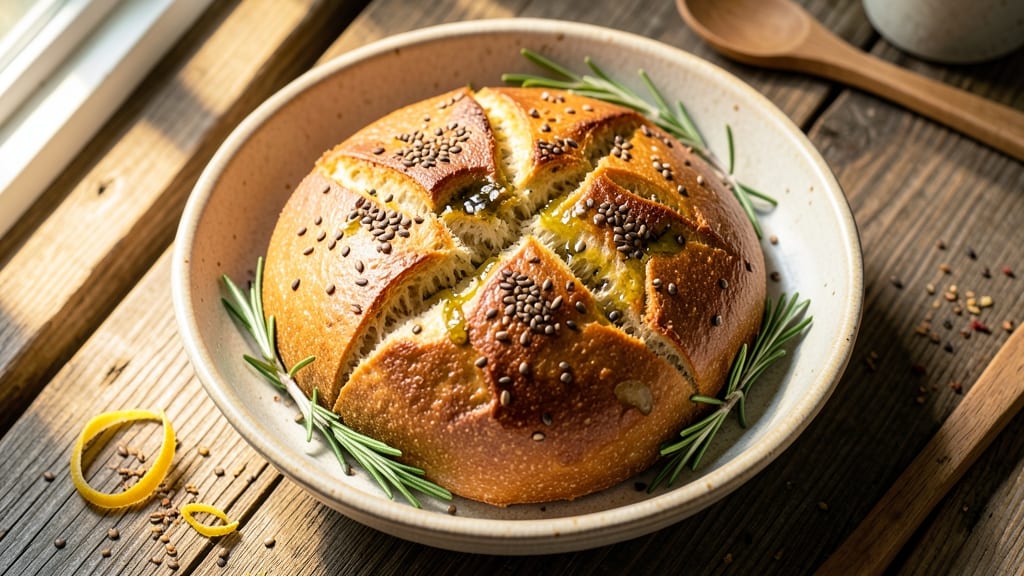
This Ana’s fasting bread recipe delivers the perfect gluten-free loaf without yeast—light, fluffy, and ready in under 2 hours. Inspired by traditional fasting breads, this version uses simple ingredients like almond flour and baking powder to create a tender crumb that pairs beautifully with olive oil or honey.
The secret lies in proper hydration and gentle folding, ensuring a rise that feels almost magical without relying on yeast.
What makes this recipe special is its versatility—it works for both vegan and vegetarian diets, making it an ideal fasting-friendly option. The dough comes together quickly, and with no kneading required, it’s perfect for busy days.
Whether you’re observing Lent or simply looking for a wholesome gluten-free bread, this recipe delivers a satisfying texture and mild, nutty flavor that’s hard to resist.
By the time it emerges from the oven, you’ll have a golden, gluten-free loaf with a soft interior and slightly crisp edges—ideal for dipping, toasting, or serving alongside soups and stews.
The absence of yeast doesn’t compromise flavor; instead, it enhances the bread’s natural sweetness and simplicity. This is the kind of bread that feels like comfort, even when you’re fasting.
Serve it warm with a drizzle of olive oil or a smear of almond butter for a satisfying meal. The recipe scales easily, so you can bake a single loaf for two or double it for a crowd. Here’s how to make it—step by step.
Ingredients for ana's fasting bread
Six simple ingredients transform into a tender, gluten-free loaf perfect for fasting traditions.
| Ingredient | Amount | Notes |
|---|---|---|
| Almond Flour 🌰 | 3 cups | Finely ground, unsweetened |
| Tapioca Starch 🌾 | ½ cup | For elasticity and rise |
| Baking Powder 🍞 | 1 ½ tsp | Aluminum-free, for lift |
| Salt 🧂 | 1 tsp | Fine sea salt preferred |
| Olive Oil 🫒 | ½ cup | Extra-virgin for richness |
| Warm Water 💧 | 1 cup | 110°F for optimal hydration |
| Apple Cider Vinegar 🍎 | 1 tbsp | For gentle leavening |
| Ground Flaxseed 🌾 | 1 tbsp | Mixed with 3 tbsp water for egg substitute |
| Honey or Maple Syrup 🍯 | 2 tbsp | Optional, for subtle sweetness |
| Sesame Seeds 🌻 | 1 tbsp | For topping, optional |
The almond flour is the heart of this bread—Bob’s Red Mill or Anthony’s Goods brands offer the finest grind for that tender crumb. Tapioca starch is non-negotiable here; it’s what gives this bread its signature rise without yeast. Bob’s Red Mill sells it in bulk, which is cost-effective for frequent bakers. For the olive oil, California Olive Ranch is my go-to for that fruity, rich flavor that elevates the bread’s natural nuttiness. If you’re using honey, make sure it’s raw and unprocessed—Madhava or Local Honey Co-op options work beautifully, but maple syrup is a perfect vegan alternative.
No almond flour? Coconut flour at half the amount plus extra liquid can work in a pinch, though texture will differ. Running short on tapioca starch? Arrowroot powder is a decent substitute, though it won’t rise as dramatically. The flax egg substitution is crucial for binding—don’t skip it. For the vinegar, apple cider vinegar is ideal, but white vinegar in the same amount will work. The optional sweetener can be omitted entirely if you prefer a more savory loaf, but it does enhance the bread’s subtle caramel notes when toasted. If you’re baking for a crowd, double the recipe—this dough doesn’t overproof easily, so mix only what you’ll use.
This dough is best used immediately, but you can prep it up to 24 hours ahead and refrigerate it in an airtight container. The sesame seeds, if using, should be toasted in a dry pan for 1-2 minutes before sprinkling to enhance their nutty flavor. Once baked, the bread keeps well at room temperature for 3 days wrapped in a clean kitchen towel, or it can be frozen for 3 months in slices. For reheating, a quick 10-second zap in the microwave restores its softness, or you can warm slices in a 350°F oven for 5 minutes to revive that fresh-baked feel.
Why You'll Love This Recipe
- No Mixing Madness: I swear by this recipe because it’s literally four ingredients plus a splash of olive oil—no butters, no eggs, no waiting for dough to rise. Just pulse, press, and bake. Honestly, I’ve made it while scrolling through my phone.
- Nutty-Creamy Crunch: That almond flour gives it a rich, toasty depth, while the tapioca starch keeps it light and slightly chewy—like a cross between focaccia and a cracker. (Yes, even on a Tuesday night.) Drizzle it with olive oil after baking, and it’s ridiculously good straight out of the oven.
- Meal Prep MVP: This bread holds up for days in the fridge or freezer—slice it, toast it, or pack it for lunch. I make a big batch on Sundays and use it for everything from avocado toast to charcuterie boards. No sad, dried-out bread here.
- Budget-Friendly Staple: Almond flour might seem pricey, but a little goes a long way, and it stretches further than regular flour. Plus, the tapioca starch is cheap, so you’re basically getting a high-quality, low-carb loaf for less. My wallet and my waistline thank me.
Step-by-step instructions for Ana's fasting bread
This gluten-free bread rises beautifully without yeast—here's how to achieve a light, airy texture every time.
Prepare the Flaxseed Egg Substitute
In a small bowl, combine the 1 tablespoon ground flaxseed with 3 tablespoons warm water (about 110°F). Stir vigorously and let it sit for 5 minutes until it thickens into a gel-like consistency. This flaxseed mixture replaces eggs in the recipe, providing the necessary binding for structure.
The gel should resemble raw egg whites in thickness—if it's too runny, add another teaspoon of flaxseed. This step is critical for achieving the right texture without yeast. Don't skip the waiting time; rushing this will result in a denser bread.
Mix Wet and Dry Ingredients Separately
In a large mixing bowl, whisk together the 3 cups almond flour, 0.5 cup tapioca starch, 1.5 teaspoons baking powder, and 1 teaspoon salt. Set this dry mixture aside. In a separate bowl, combine the 0.5 cup olive oil, 1 cup warm water, 1 tablespoon apple cider vinegar, 2 tablespoons honey or maple syrup, and the flaxseed gel.
This separation prevents overmixing, which can develop gluten-like properties in almond flour and make the bread dense. The vinegar and warm water create a gentle chemical reaction that helps lift the bread without yeast, while the honey adds subtle sweetness and moisture.
Combine and Let Batter Rest
Gradually pour the wet ingredients into the dry ingredients while stirring gently with a spatula. Mix just until combined—you should still see small flour pockets. Avoid overmixing, as this can make the bread tough. Transfer the batter to a greased 9x5-inch loaf pan and smooth the top with a spatula.
Let the batter rest at room temperature for 15 minutes. This brief rest allows the ingredients to hydrate fully and the baking powder to begin its work. You'll notice the batter will be thick but pourable—this is normal. Sprinkle the 1 tablespoon sesame seeds evenly over the top for texture and flavor.
Bake Until Golden and Springy
Preheat your oven to 350°F. Place the loaf pan in the center rack and bake for 40-45 minutes, until the top is golden brown and a toothpick inserted in the center comes out clean. The bread is done when it springs back slightly when pressed gently with a finger—this indicates proper doneness.
If the top browns too quickly, tent the pan with aluminum foil after 20 minutes to prevent over-browning while ensuring the interior cooks through. The bread should have a slightly domed top with a tender crumb inside. Let it cool in the pan for 10 minutes before transferring to a wire rack to cool completely.
Pro Tips For Making Ana'S Fasting Bread
- Mix Dry First: The almond flour and tapioca starch need to bond before oil touches them. Whisk them together until no streaks remain—this prevents dense, crumbly bread. I used to skip this, and my first batch tasted like sandpaper.
- Weigh Your Flour: Almond flour lies. That "cup" in your measuring cup isn’t the same as someone else’s. Use a kitchen scale for 1:1 ratios—300g almond flour, 50g tapioca starch. No guesswork, no dry or gummy bread.
- Skip Overmixing: This dough is finicky. Stir just until the olive oil is mostly absorbed—maybe 20 seconds. Overwork it, and you’ll end up with a tough, chewy loaf. Think "just combined," not "homemade playdough."
- Bake Until Golden: The edges should be deep golden (not pale), and an instant-read thermometer at 205°F (96°C) confirms doneness. I learned this the hard way—underbaked bread turns gummy when cooled. No shortcuts here.
Troubleshooting great ana's fasting bread
Dense Instead of Light
If your bread turns out dense, the issue is likely overmixing or insufficient rest time. When combining wet and dry ingredients, stir just until combined—you should still see small pockets of flour. Also, ensure you let the batter rest for the full 15 minutes before baking.
This allows the baking powder to activate properly and the almond flour to hydrate fully. If you're using a different brand of almond flour, like King Arthur, which is slightly coarser, you may need to add an extra 1 tablespoon of water to the batter to improve hydration. 🌰
Flat or Not Rising
A flat loaf usually means the baking powder wasn’t activated properly or the oven temperature wasn’t consistent. Double-check that your baking powder is fresh—old baking powder loses its lift. Preheat your oven for at least 20 minutes before baking to ensure it reaches 350°F evenly.
If your oven runs hot, reduce the temperature to 325°F and bake for an additional 5-10 minutes. Also, make sure your loaf pan is properly greased or lined with parchment paper to prevent sticking, which can inhibit rise. 🔥
Cracked Top or Overbrowned
Cracking or excessive browning often happens when the bread bakes too quickly. To prevent this, tent the loaf pan with aluminum foil after 20 minutes of baking. This slows the browning process while allowing the interior to cook through.
If you're using a dark-colored pan, like a Lodge cast iron, reduce the oven temperature by 25°F to avoid overbrowning. For a smoother top, brush the batter with a little extra olive oil before baking—this creates a thin barrier that helps the bread rise more evenly. 🍞
Gummy or Underbaked Center
A gummy center usually means the bread didn’t bake long enough or the oven wasn’t hot enough. Insert a toothpick into the center—it should come out clean or with just a few moist crumbs. If your bread is consistently underbaked, increase the baking time by 5 minutes and check again.
For even cooking, rotate the pan halfway through baking. If you’re baking in a convection oven, reduce the temperature by 25°F and bake for the full 40-45 minutes to avoid drying out the edges. 🌡️
Crumbly or Dry Texture
Crumbly or dry bread often results from overbaking or insufficient fat in the dough. First, ensure you’re using the correct amount of olive oil—don’t substitute with a lower-fat oil like canola. If the bread still turns out dry, try adding 1 extra tablespoon of olive oil to the batter.
Also, avoid overbaking; the bread is done when it springs back slightly when pressed. If you’re storing leftovers, wrap the bread tightly in a clean kitchen towel to retain moisture. For reheating, a quick 10-second microwave zap works best to restore softness. 💧
Nutrition facts
Frequently asked questions
Can I make this bread without almond flour?
Yes, but the texture will change. Try substituting with 2 cups coconut flour plus 1 extra tablespoon of water per cup, though it may be denser. For a closer match, blend 1.5 cups oat flour with 1.5 cups white rice flour—this combo mimics almond flour’s tenderness. The bread won’t rise as dramatically, but it’ll still be delicious!
How do I store this fasting bread?
Wrap the cooled loaf in a clean kitchen towel and store it at room temperature for up to 3 days to keep it soft. For longer storage, slice and freeze for 3 months—thaw overnight in the fridge or reheat slices in a 350°F oven for 5 minutes to revive freshness. Avoid plastic bags, as they trap moisture and make the bread stale faster.
Is this bread suitable for vegans?
This recipe is naturally vegan—it uses flaxseed as an egg substitute and olive oil instead of butter. For extra flavor, drizzle with olive oil and a sprinkle of flaky salt instead of honey. The subtle nuttiness from almond flour makes it satisfying without animal products.
Can I add seeds or nuts to the batter?
Yes, but fold them in gently after mixing to avoid overworking the dough. Try 1/4 cup chopped walnuts or sunflower seeds for extra crunch. Toast them first in a dry pan for 2-3 minutes to enhance flavor. Avoid adding too many, as they can make the bread dense. For a heartier loaf, sprinkle extra seeds on top before baking.
Why does my bread taste slightly bitter?
Bitterness often comes from overbaking or using old baking powder. Ensure your baking powder is fresh (test by mixing with water—it should bubble). Also, avoid overmixing, which can release almond flour’s natural oils and create bitterness. For a milder flavor, reduce the baking time by 2-3 minutes and check for doneness early.