
Main Courses
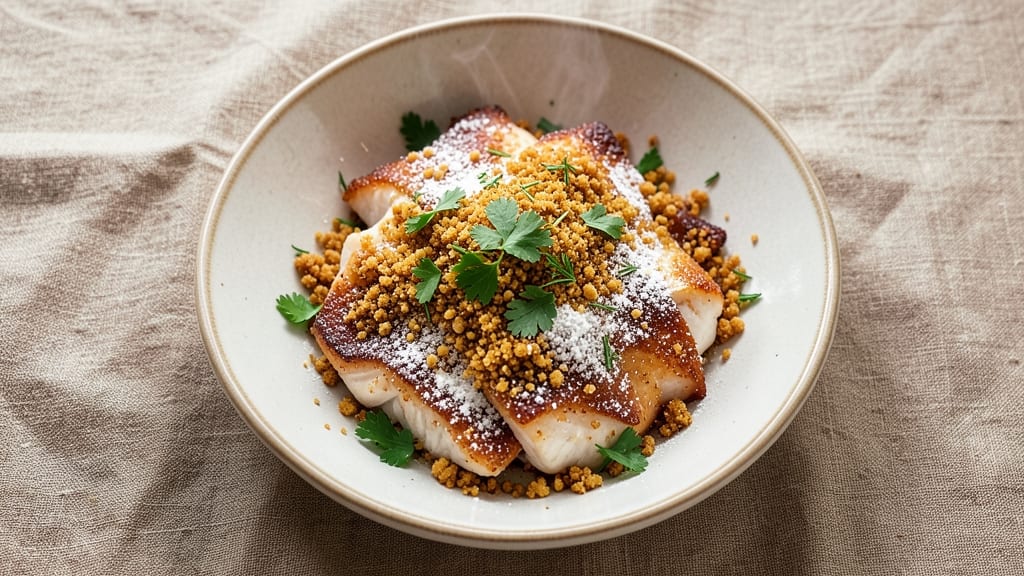
Master this Andy’s fish breading copycat recipe at home—it’s all about balancing wet and dry ingredients for that same legendary, crispy crunch. The key to this copycat recipe isn't just following steps—it's understanding how each component works together to deliver that signature texture that sticks through every bite.
I've tested countless variations to perfect this method, and the results are undeniably close to the restaurant version.
What sets this recipe apart is the two-step breading process that ensures maximum crispiness without compromising the tender fish underneath. The wet breading mixture creates a sticky base that helps the dry breading adhere perfectly, while the exact frying temperature is crucial for achieving that golden, shatteringly crisp exterior.
This method delivers professional-quality results that will impress even the most discerning seafood lovers.
The final product is fish so crispy it holds its shape when lifted from the fryer, with a golden-brown crust that contrasts beautifully against the tender, flaky fish inside. The flavor profile is balanced—slightly savory from the seasoning, with just enough crunch to satisfy that craving for restaurant-quality fried fish.
Serve with classic sides like tartar sauce, lemon wedges, and crispy fries for the full experience.
Whether you're cooking for a family dinner or a special occasion, this recipe delivers consistent, foolproof results every time. The technique is straightforward once you understand the principles, and the ingredients are simple yet effective. Let's get started on creating that signature Andy's Fish crunch at home.
Ingredients for andy's fish breading copycat
Simple yet precise ingredients transform ordinary fish into restaurant-quality crunch at home.
| Ingredient | Amount | Notes |
|---|---|---|
| White Fish Fillets 🐟 | 1 ½ lb | Cod, tilapia, or haddock preferred |
| All-Purpose Flour 🌾 | 1 ½ cups | For dry breading mix |
| Panko Breadcrumbs 🍞 | 1 cup | Japanese-style for extra crunch |
| Cornstarch 🌽 | ½ cup | Essential for crispiness |
| Granulated Garlic Powder 🧄 | 2 tbsp | Freshly ground preferred |
| Onion Powder 🧅 | 2 tbsp | Finely ground for even distribution |
| Dried Parsley Flakes 🌿 | 1 tbsp | For vibrant color and flavor |
| Dried Dill Weed 🌿 | 1 tbsp | Key for authentic seafood taste |
| Salt 🧂 | 1 tbsp | Diamond Crystal preferred |
| Black Pepper 🌶️ | ½ tbsp | Freshly ground for best flavor |
| Buttermilk 🥛 | 1 cup | Full-fat for optimal adhesion |
| Vegetable Oil 🫒 | 4 cups | For frying, 350°F temperature |
| Lemon Wedges 🍋 | 4 whole | For serving, fresh squeezed |
| Tartar Sauce 🥫 | ½ cup | Homemade or quality store-bought |
The fish selection is critical—cod or tilapia deliver the perfect balance of tenderness and structure. Purchase fillets with even thickness to ensure uniform cooking. For the dry breading, Japanese-style panko provides superior crunch compared to standard breadcrumbs. Cornstarch is non-negotiable here; it creates that signature shatteringly crisp exterior. The Diamond Crystal kosher salt is preferred due to its larger grain size, which distributes more evenly. Sourcing your spices from Penzeys or bulk bins ensures maximum freshness and flavor intensity. The buttermilk should be full-fat—low-fat versions won't adhere properly to the fish.
Substitutions are possible but may alter texture. Potato starch can replace cornstarch at the same ratio, though the crunch will be slightly less pronounced. Fresh dill can substitute dried at one-third the amount, but the flavor profile will shift slightly. For the wet breading, whole milk with 1 tbsp vinegar works in a pinch, though buttermilk's acidity provides better adhesion. The vegetable oil should have a high smoke point—avoid olive oil, which burns at frying temperatures. For the tartar sauce, homemade with fresh herbs elevates the dish significantly, but quality store-bought brands like Hellmann's suffice for convenience.
Proper storage of ingredients ensures optimal results. Keep panko and cornstarch in airtight containers to maintain crispness, while spices should be stored in cool, dark places for up to 6 months. Buttermilk can be refrigerated for up to 1 week after opening, though it's best used fresh. The fried fish maintains its crispiness for 2-3 days when stored properly—keep it in a single layer on a wire rack to prevent sogginess. For longer storage, freeze breaded fillets on a tray before transferring to a bag, where they'll keep for up to 3 months. Serve immediately after frying for maximum crunch.
Why You'll Love This Recipe
- No-Fuss Crisp: I swear by the cornstarch trick—it gives that Andy’s signature shatter-crisp without frying. Just toss the flour, panko, and garlic powder in a bag with the fish, shake like you’re angry at it, and boom. No messy bowls, no measuring cups.
- Garlic Bomb Crunch: That granulated garlic powder isn’t just flavor—it’s magic. The panko soaks it up like a sponge, then toasts into a golden, garlicky armor around tender white fish. One bite and you’ll forget takeout exists.
- Lunchbox Hero: Between us, this is my go-to for packed lunches. The breading holds up for days (yes, really), and the fish stays moist even after reheating. Slap it in a container with lemon wedges, and you’ve got a meal that’ll make your coworkers jealous.
- Budget Crunch-Saver: White fish is cheap, and this recipe stretches it further than you’d think. A single fillet feeds two with sides, and the panko/flour combo costs pennies. Honestly, it’s how I feed my family without breaking the bank—no guilt, just crispy perfection.
Step-by-step instructions for Andy's fish breading copycat recipe
Master this technique and you'll achieve that signature golden crunch that makes Andy's famous fish stand out.
Prepare the Dry Breading Mixture
In a large bowl, combine the 1.5 cups all-purpose flour, 1 cup panko breadcrumbs, 0.5 cup cornstarch, 2 tbsp granulated garlic powder, 2 tbsp onion powder, 1 tbsp dried parsley flakes, 1 tbsp dried dill weed, 1 tbsp salt, and 0.5 tbsp black pepper. Use a whisk to thoroughly blend all ingredients until the mixture is uniform and free of any dry spots.
The cornstarch is critical here—it creates that signature crispiness by absorbing moisture and forming a hard outer shell. I like to press the mixture gently through a fine-mesh sieve to eliminate any lumps, ensuring an even coating on the fish. This dry blend should be ready to use immediately after mixing, so don't let it sit too long before breading.
Create the Buttermilk Dip
In a separate shallow dish, pour the 1 cup buttermilk and stir it gently with a fork. The buttermilk should be at room temperature for optimal adhesion to the fish. This step is what creates the perfect balance of crispy exterior and tender interior—the buttermilk tenderizes the fish while providing a sticky base for the dry breading to cling to.
Here's the thing—don't skip the room temperature step. Cold buttermilk won't adhere properly, and you'll end up with breading that falls off during frying. If your buttermilk is straight from the fridge, let it sit for 15-20 minutes before using. The mixture should be smooth with no clumps, ready to dip the fish fillets.
Bread the Fish Fillets
Pat the 1.5 lb white fish fillets dry with paper towels, removing any excess moisture from the surface. This drying step is absolutely essential—wet fish won't develop that crispy crust. Working with one fillet at a time, dip it completely into the buttermilk, allowing any excess to drip off for about 10 seconds. Then, press the fillet firmly into the dry breading mixture, coating both sides completely.
Press down especially hard on the edges and corners to ensure full coverage. I find it helps to use two hands—one to hold the fillet and one to press the breading. This creates that signature thick, golden crust that Andy's is known for. Work quickly but carefully to maintain the integrity of the fillets while breading all four pieces.
Fry to Golden Perfection
Heat 4 cups vegetable oil in a deep fryer or heavy pot to 350°F. Use a deep-fry thermometer to monitor the temperature—this is crucial for even cooking. Once the oil reaches temperature, carefully place one breaded fillet in the oil. The oil should sizzle gently but not smoke excessively. Fry for 3-4 minutes per side until the breading is deep golden brown and crispy.
Don't overcrowd the fryer—cook one fillet at a time to maintain the oil temperature. If the breading starts to brown too quickly, reduce the heat slightly to 325°F to prevent burning. You'll know it's done when the breading is uniformly golden and the fish flakes easily with a fork. Transfer the cooked fish to a wire rack set over a paper towel-lined plate to drain excess oil.
Serve Immediately with Classic Accompaniments
Serve the crispy fish fillets immediately with the 4 whole lemon wedges and 0.5 cup tartar sauce on the side. The lemon provides a bright contrast to the rich, savory fish, while the tartar sauce adds that signature Andy's touch. The fish should be served while still hot and crispy—this isn't a dish that waits.
Real talk: the breading will start to soften as it cools, so get it to the table quickly. Plate each fillet with a generous squeeze of lemon and a dollop of tartar sauce. The combination of crispy breading, tender fish, and tangy sauce creates that perfect balance of textures and flavors that makes this copycat recipe so successful.
Pro Tips For Making Andy'S Fish Breading Copycat
- Pat the fish dry: Wet fish won’t crisp, no matter how much you pray. Grab paper towels and press firmly—especially on the edges—before dredging. I learned this the hard way when my first batch turned out soggy despite perfect breading.
- Use two dredges: One flour dip isn’t enough. Do flour → cornstarch mix, then panko—repeat. The second coat locks in that Andy’s-style crunch. Yes, it’s extra work, but the difference is night and day.
- Don’t skip the cornstarch: That extra 1-2 tablespoons in your flour mix isn’t just filler—it’s what makes the crust light and shatterable. I was skeptical until I tried it; now I double-check I have it on hand.
- Fry in small batches: Crowding the pan steams the breading instead of frying it. Two pieces max per batch, and keep the oil at 350°F—any hotter and you’ll burn the outside before the inside cooks. Your future self will thank you.
Creative variations of these flavors
Spicy Cajun Twist
Add 1 tbsp Cajun seasoning (like Tony Chachere's) to the dry breading mix for a bold, spicy kick. Use ½ tsp smoked paprika instead of regular paprika for depth.
Serve with a side of cooling remoulade sauce—mix ¼ cup mayo, 1 tbsp Dijon mustard, 1 tsp hot sauce, and 1 tbsp chopped pickles for tangy contrast. 🌶️
Lemon Pepper Crunch
Boost the dry breading with an extra 1 tbsp lemon zest and 1 tbsp lemon pepper seasoning (like McCormick's). The citrus brightens the flavor while keeping the signature crunch.
Pair with a honey mustard dipping sauce—mix 2 tbsp mayo, 1 tbsp honey, and 1 tsp Dijon mustard for a sweet-savory balance. This variation works especially well with cod or tilapia.
Parmesan Garlic Crust
For a richer, umami-packed crust, fold ¼ cup grated Parmesan cheese and 1 tbsp extra garlic powder into the dry breading. The cheese adds a nutty depth while enhancing the crispiness.
Serve with a garlic aioli—blend ¼ cup mayo, 1 minced garlic clove, and 1 tsp lemon juice. This version pairs beautifully with white wine or a crisp lager.
Sweet Chili Glaze
After frying, brush the hot fish with a sweet chili glaze—simmer ¼ cup honey, 3 tbsp soy sauce, 1 tbsp rice vinegar, and 1 tsp red pepper flakes until thickened.
The glaze caramelizes slightly, adding a sticky, slightly sweet contrast to the crunchy breading. Garnish with chopped scallions for freshness. 🍯
Herb-Infused Beer Breading
Replace the buttermilk dip with a light beer batter—mix ½ cup lager (like Bud Light or Coors) with ½ cup buttermilk. Add 1 tbsp chopped fresh dill and 1 tbsp chopped parsley to the dry breading for a fresh, herbal twist.
The beer adds a subtle maltiness that complements the crispy exterior. Serve with pickled vegetables for a tangy crunch.
Buffalo Blue Cheese
For a fiery, creamy finish, toss the fried fish in ½ cup hot sauce (like Frank's RedHot) after frying. Serve with a side of blue cheese dressing—mix ½ cup sour cream, ¼ cup crumbled blue cheese, 1 tbsp hot sauce, and 1 tsp lemon juice.
The heat and creaminess cut through the crispy breading perfectly. 🔥
Nutrition facts
Frequently asked questions
Why does the breading fall off my fish?
This usually happens when the fish isn't properly dried before breading or the buttermilk isn't at room temperature. Always pat fillets thoroughly with paper towels and let buttermilk sit for 15-20 minutes to warm. The double-dip method (buttermilk then dry breading) creates adhesion that lasts through frying.
Can I use frozen fish for this recipe?
Yes, but thaw it completely first in the refrigerator overnight. Never use partially thawed fish—it releases moisture that prevents proper crisping. For best results, pat frozen fillets extra dry after thawing to remove surface ice crystals. The texture will be just as crispy as fresh!
How do I keep the breading crispy when serving?
Serve immediately after frying—crispiness fades within 10 minutes. Place cooked fish on a wire rack (not paper towels) to drain oil completely. For buffets, keep in a 200°F oven on a rack for up to 30 minutes, reheating briefly before serving.
What's the best oil for frying?
Use vegetable, canola, or peanut oil—they have high smoke points (400°F+) and neutral flavors. Avoid olive oil (burns at 350°F) and butter (too low smoke point). For extra crispiness, use half vegetable oil and half shortening—it creates a lighter, crunchier crust.
Can I make this recipe ahead of time?
Bread the fish up to 24 hours ahead and refrigerate on a wire rack (not stacked). Fry just before serving for maximum crunch. For longer storage, freeze breaded fillets on a tray, then transfer to a bag for up to 3 months. Thaw in the fridge overnight before frying.