
Side Dishes
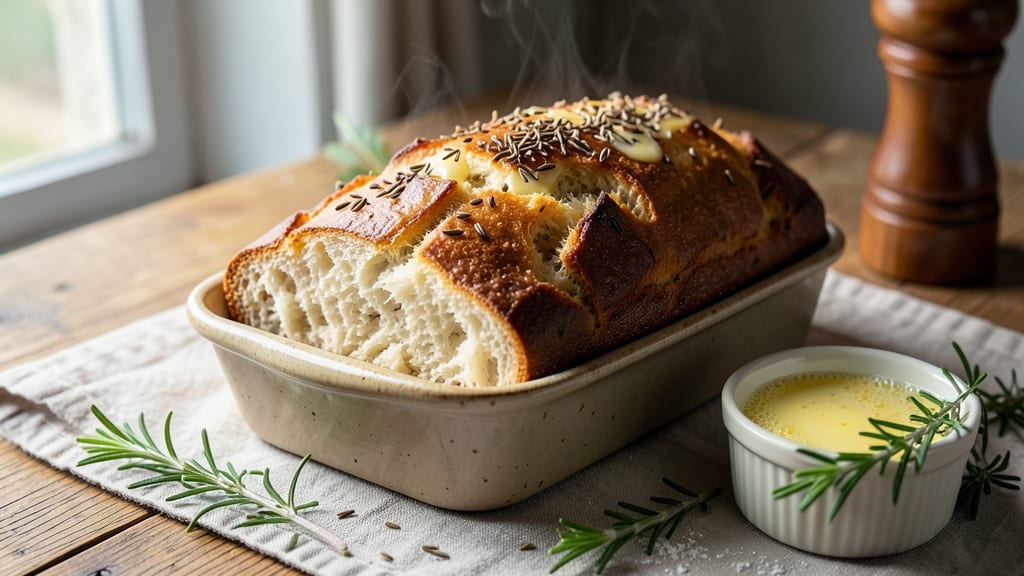
This anise bread machine recipe delivers a licorice-kissed loaf with a buttery crust that transforms ordinary bread into something extraordinary. The secret lies in anise seeds—those tiny, aromatic powerhouses that infuse every bite with a subtle sweetness reminiscent of black licorice.
I developed this recipe after years of experimenting with bread machine settings, hydration ratios, and flavor combinations to create a loaf that's both aromatic and foolproof.
The beauty of this recipe is its simplicity: just a few essential ingredients—flour, yeast, anise seeds, and a touch of sugar—come together in your bread machine to create a loaf with a tender crumb and a golden, crackly crust.
The anise seeds not only add a unique flavor but also contribute a slight crunch that enhances the texture. Whether you're a seasoned baker or a beginner, this recipe ensures a consistently delicious result every time.
What makes this anise bread truly special is its versatility. Toast it with a generous spread of butter for a breakfast treat, pair it with cheese and cured meats for an elegant appetizer, or enjoy it fresh with jam for a delightful snack.
The aroma alone will have everyone asking for seconds, making it a standout addition to any meal.
Ready in just a few hours with minimal effort, this recipe is perfect for those who want to elevate their bread game without the complexity. Let's get started on creating your own licorice-kissed loaf that's sure to impress.
Ingredients for anise bread machine
Four simple ingredients transform your bread machine into aromatic anise bread magic.
| Ingredient | Amount | Notes |
|---|---|---|
| All-Purpose Flour 🌾 | 3 ½ cups | Unbleached preferred for best texture |
| Active Dry Yeast 🍞 | ¼ oz | Ensure yeast is fresh and active |
| Granulated Sugar 🍚 | ¼ cup | White or light brown preferred |
| Whole Milk 🥛 | ½ cup | Warm to room temperature |
| Unsalted Butter 🧈 | ¼ cup | Softened, not melted |
| Anise Seeds 🌿 | 1 ½ tbsp | Lightly toasted for enhanced flavor |
| Salt 🧂 | ¾ tsp | Fine sea salt preferred |
| Large Egg 🥚 | 1 whole | Room temperature for even mixing |
| Honey 🍯 | 1 tbsp | For subtle sweetness and moisture |
The anise seeds are the heart of this recipe—whole seeds give the best flavor, but ground works in a pinch. Trader Joe's and bulk spice shops carry high-quality seeds. Toast them lightly in a dry pan for 30 seconds before adding to the dough—this enhances their aroma. For flour, King Arthur or Bob's Red Mill are reliable choices, but any all-purpose will work. The yeast must be fresh; test it in warm water with a pinch of sugar before starting—it should foam within 5 minutes.
No whole anise seeds? Ground anise at half the amount works, but the crunch is lost. Substitute fennel seeds for a similar licorice note, though the flavor differs slightly. Using milk powder instead of fresh milk? Add 1 tbsp powder to the dry ingredients and reduce water by 2 tbsp. Butter too hard to soften? Microwave for 20 seconds to make it pliable. The egg can be omitted if vegan, but the texture will be slightly denser.
Store the loaf in a bread bag or airtight container at room temperature for up to 3 days. For longer storage, freeze slices wrapped in plastic for up to 3 months. Toasting enhances the anise flavor—toast directly from frozen for best results. The crust stays crisp for about 2 days if kept sealed, but freshness peaks within the first 24 hours.
Why You'll Love This Recipe
- Hands-Off Magic: I swear by this bread—dump the ingredients into the machine, press start, and walk away. No kneading, no fuss, just warm, fragrant loaves waiting for you. (Yes, even on a Tuesday night.)
- Licorice-Kissed Warmth: That anise seed? It’s like a whisper of licorice in every bite—sweet, aromatic, and just enough to make you reach for seconds. The butter and milk keep it tender, so it doesn’t dry out fast.
- Breakfast, Snack, or Side: Tear it into chunks for toast with jam, slice it for sandwiches, or serve it fresh with soup. It’s my go-to when I need something reliable—no one turns it down, and it lasts days in the fridge.
- Budget-Friendly Staple: Flour, yeast, milk, butter—these are pantry basics that stretch far. One batch feeds my family for days, and the leftovers? Perfect for croutons or breadcrumbs. Minimal cost, maximum payoff.
Step-by-step instructions for anise bread machine recipe
Here's the method for a perfectly balanced loaf with aromatic anise and a golden crust.
Prepare the Anise Seeds and Warm the Milk
Toast the 1.5 tablespoons anise seeds in a dry skillet over medium heat for 2-3 minutes until fragrant and lightly golden. This enhances their flavor and prevents bitterness. Let them cool completely before using. While they toast, warm the ½ cup whole milk in a small saucepan over low heat until it reaches 110°F—just warm to the touch but not hot enough to scald. This temperature activates the yeast without killing it.
I always use a thermometer for this step because warm milk is crucial. If the milk is too hot, it will deactivate the yeast and your bread won't rise properly. If it's too cold, the yeast won't activate at all. The 110°F mark is your sweet spot for perfect activation.
Mix the Dough Ingredients in the Bread Machine Pan
In the bread machine pan, combine the 3½ cups all-purpose flour, ¼ cup granulated sugar, ½ teaspoon salt, and the toasted anise seeds. Make a well in the center and add the 1 whole large egg, 1 tablespoon honey, and the ¼ cup softened unsalted butter. Mix with a wooden spoon until the butter is fully incorporated and the mixture resembles coarse crumbs.
Next, pour in the ½ cup warm whole milk and stir until everything comes together into a shaggy dough. The dough should be slightly sticky but not wet. If it feels too dry, add 1 teaspoon more milk. If it's too sticky, sprinkle in 1 tablespoon more flour. The goal is a dough that holds together when pressed but isn't gluey.
Add Yeast and Set the Bread Machine
Sprinkle the ¼ ounce active dry yeast over the dough and gently stir it in with a spoon until fully distributed. The yeast should disappear into the dough within 30 seconds—this confirms it's active and ready to work. If any yeast remains visible after stirring, your yeast might be old or the milk wasn't warm enough.
Close the bread machine lid and select the "Basic White Bread" setting with a 2-pound loaf size. Most machines have this as the default setting, but check your manual if you're unsure. The machine will automatically knead, rise, and bake the bread according to its programmed cycle, which typically takes about 3 to 3½ hours. Don't be tempted to peek—the bread needs consistent conditions to rise properly.
Monitor the Baking Process
During the kneading phase, you'll hear the machine working as it develops the gluten. This usually takes about 10 minutes. The dough should become smooth and elastic, pulling away from the sides of the pan. If it feels too sticky, the machine will handle it—modern bread machines are designed to adjust to dough consistency.
After kneading, the machine will automatically switch to rising. You'll see the dough expand significantly in the pan. When it reaches the baking phase, you'll notice the machine heat up and smell the bread begin to brown. The bread is done when it's deep golden brown on top and sounds hollow when tapped on the bottom. This usually happens around the 3-hour mark, but timing can vary slightly depending on your machine.
Cool and Serve the Anise Bread
Once the bread machine completes its cycle, remove the loaf immediately and place it on a wire rack to cool for at least 30 minutes. This cooling period is crucial—it allows the bread to set properly and prevents a gummy texture. The anise flavor will mellow slightly as it cools, developing into a warm, licorice-like aroma that's characteristic of this bread.
Slice the bread when it's fully cooled. Each slice should have a tender crumb with subtle anise notes and a buttery, crisp crust. The bread keeps well at room temperature for 2-3 days or can be frozen for up to 3 months. For the best flavor, serve it warm with butter or jam—this bread is perfect for breakfast or as a side to soups and stews.
Pro Tips For Making Anise Bread Machine
- Warm the Milk First: I learned this the hard way—dumping cold milk into yeast dough kills the yeast faster than a New York winter. Heat the whole milk to about 110°F (just warm to the touch) before mixing, and your bread will rise twice as fast and twice as tall.
- Use Room-Temp Butter: Cold butter in dough means uneven crumb and a dense loaf. Let that unsalted butter sit out for 30 minutes before measuring, or even better, microwave it for 10 seconds to soften. Trust me, your bread’s texture will thank you.
- Don’t Overload the Machine: Anise bread machine recipes often call for extra flavor, but packing in too much anise (or other seeds) makes the dough sluggish. Stick to the recipe’s amount—usually 1-2 teaspoons—and resist the urge to double it. Dense dough = sad rise.
- Add Anise Last: If you’re mixing everything in the machine pan at once, toss the anise seeds in after the dough has kneaded for 3-4 minutes. This keeps the seeds evenly distributed and prevents them from clumping into flavorless pockets. (Yes, I’ve opened a loaf with a dry center—don’t be that person.)
Creative variations of these flavors
Sweet Citrus Twist
Brighten up your anise bread by adding 2 tablespoons of orange zest (about 1 large orange) to the dough ingredients. The citrus pairs beautifully with anise, creating a subtle sweetness that complements the licorice notes. I like to add it with the honey and egg for even distribution.
For extra zing, sprinkle 1 teaspoon of orange extract along with the yeast—just be sure to use sparingly, as extracts are potent. 🍊
Spiced Raisin Version
Fold in ½ cup raisins during the kneading phase for a sweet-and-spicy variation. Pair them with ½ teaspoon of ground cinnamon and ¼ teaspoon of ground cloves for a warm, aromatic twist.
The raisins add moisture and bursts of sweetness that balance the anise’s intensity. Soak the raisins in warm water for 10 minutes before adding to the dough to plump them up. 🍇
Herbal Infusion
Elevate the flavor profile by incorporating 1 tablespoon of dried lavender buds or 1 teaspoon of dried rosemary into the dry ingredients. Lavender adds a delicate floral note that harmonizes with anise, while rosemary brings an earthy depth.
Use culinary-grade lavender (food-safe) and reduce the anise seeds to 1 tablespoon to avoid overpowering the dough. Both herbs work beautifully with the buttery crust. 🌿
Whole Wheat Boost
Swap 1 cup of all-purpose flour for whole wheat flour to add fiber and a nuttier texture. The whole wheat absorbs more liquid, so reduce the milk by 2 tablespoons to maintain the right consistency.
This version has a denser crumb but still delivers that signature anise flavor. For best results, use King Arthur whole wheat flour—it bakes up lighter than other brands. 🌾
Cheesy Anise Twist
Add ½ cup shredded sharp cheddar cheese or feta crumbles during the kneading phase for a savory-sweet combination. The cheese melts slightly during baking, creating pockets of gooey goodness that contrast with the anise’s licorice notes.
For a cleaner crumb, crumble the cheese into the dough after the initial kneading phase. This variation is perfect for pairing with soups or charcuterie boards. 🧀
Nutty Crunch Addition
Fold in ¼ cup chopped walnuts or pecans during the final kneading phase for added crunch and richness. Toast the nuts in a dry pan for 3-4 minutes until fragrant before adding them to the dough.
The nuts complement the anise’s sweetness and add a satisfying texture contrast. For a more decadent touch, drizzle 1 tablespoon of honey over the top of the loaf before baking. 🌰
Nutrition facts
Frequently asked questions
Can I substitute anise seeds with another spice?
Yes! For a similar licorice flavor, try fennel seeds (use the same amount). Ground anise works too, but reduce to 1 tablespoon since it's more concentrated. For a different twist, star anise (½ teaspoon) adds depth, though it's stronger—use sparingly.
Why did my bread turn out dense?
Dense bread usually means the yeast didn't activate properly. Check these common fixes:
- Cold milk (warm to 110°F),
- old yeast (test in warm water first), or
- overmixing (bread machines handle this automatically). Also ensure your machine's pan isn't too small for a 2-pound loaf.
How do I store anise bread to keep it fresh longer?
Wrap the cooled loaf in a bread bag or airtight container at room temperature for 3 days. For longer storage, slice and freeze in plastic bags for 3 months. Toast directly from frozen for best texture. The crust stays crisp for 2 days if sealed properly.
Can I make this recipe without a bread machine?
Mix the dough as directed, then let it rise for 1-2 hours until doubled. Shape into a loaf, place in a greased 9x5-inch pan, and bake at 375°F for 30-35 minutes until golden. Use a thermometer—internal temp should reach 190°F. The texture will be slightly denser than machine-made.
What's the best way to serve anise bread?
Toast it with butter or honey for breakfast, or pair with cheese and cured meats for appetizers. The anise flavor shines in French toast (dip slices in egg-milk-cinnamon batter) or as a side for soups and stews. For dessert, spread with ricotta cheese and jam. The buttery crust makes it perfect for garlic butter dipping too!