
Desserts
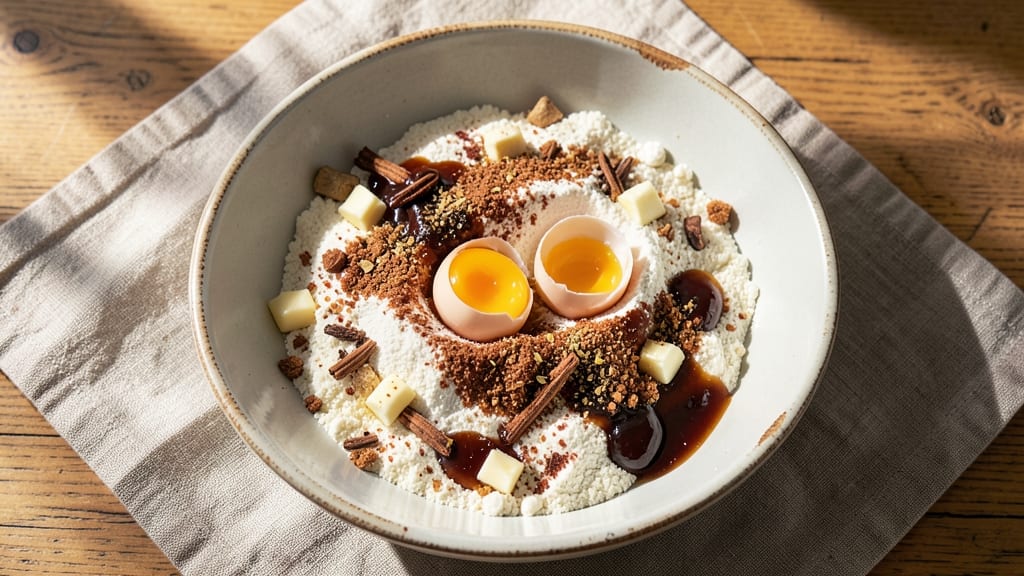
Ann Clark’s gingerbread cookies deliver the perfect balance of warm spices, molasses depth, and crisp edges that crumble just enough to reveal tender centers. The secret lies in a precise blend of traditional ingredients—baking soda for lift, molasses for richness, and freshly ground spices that sing when baked.
I’ve perfected this recipe over years of holiday baking, ensuring every batch captures that signature Ann Clark flavor profile.
What sets these apart is the swirled molasses buttercream that ties the cookies together, adding a subtle sweetness without overpowering the gingerbread’s bold spice notes.
The recipe uses simple ingredients you likely already have in your pantry, but the technique—rolling the dough to an even thickness and baking until edges are golden—is where the magic happens. No fancy equipment needed, just patience and a hot oven.
By the time your kitchen fills with that irresistible gingerbread aroma, you’ll have cookies that are crisp at the edges, tender in the middle, and perfectly spiced. The molasses swirl adds a visual and flavorful touch that makes them look as good as they taste.
These are the kind of cookies that disappear quickly—perfect for holidays, gifts, or satisfying a sudden craving for something warm and spiced.
The best part? These cookies improve with age, developing even deeper flavor as the spices meld. Store them in an airtight container for up to a week, if they last that long. Ready to bake a batch that tastes like nostalgia? Let’s get started with the ingredients and step-by-step instructions.
Ingredients for ann clark gingerbread cookie
These ingredients transform into cookies that taste like holiday nostalgia in every bite.
| Ingredient | Amount | Notes |
|---|---|---|
| All-Purpose Flour 🌾 | 4 cups | Sifted for even texture |
| Unsalted Butter 🧈 | 1 cup | Cold, cubed for cutting |
| Dark Brown Sugar 🍚 | 1 ½ cups | Packed tightly for sweetness |
| Molasses 🍯 | ½ cup | Unsulfured for authentic flavor |
| Large Eggs 🥚 | 2 whole | Room temperature for blending |
| Ground Ginger 🌿 | 1 ½ tbsp | Freshly ground for potency |
| Ground Cinnamon 🌶️ | 1 ½ tsp | Ceylon preferred for warmth |
| Ground Cloves 🌿 | ½ tsp | Lightly toasted for depth |
| Ground Nutmeg 🌶️ | ½ tsp | Freshly grated for aroma |
| Salt 🧂 | ½ tsp | Diamond Crystal preferred |
| Baking Soda 🧂 | 1 tsp | Freshly opened for lift |
| Vanilla Extract 🌿 | 1 tbsp | Pure Madagascar bourbon |
| Powdered Sugar 🍚 | 2 cups | For buttercream (sifted) |
| Molasses 🍯 | ¼ cup | For buttercream swirl |
| Heavy Whipping Cream 🥛 | ½ cup | Cold for stiff peaks |
The molasses is non-negotiable here—unsulfured delivers the rich, deep flavor Ann Clark’s cookies are famous for. Trader Joe’s and Whole Foods carry the best quality, but any grocery store’s dark molasses will work. For the spices, Penzeys Spices is my go-to for freshly ground cloves and nutmeg, but the bulk bins at Sprouts or WinCo are budget-friendly alternatives. The butter should be cold enough to hold its shape when cubed—this ensures tender cookies. Pro tip: Let your butter sit in the fridge for 30 minutes before measuring if it’s too soft. The baking soda is your secret weapon for that perfect lift, so make sure it’s freshly opened—old baking soda loses its punch.
No molasses? Maple syrup or dark corn syrup will work in a pinch, but the flavor won’t be quite the same. Running short on vanilla? Almond extract at half the amount gives a similar warmth. The buttercream swirl is where the magic happens—if you’re feeling fancy, add a pinch of cinnamon to the buttercream for extra spice. For the dough, if you don’t have powdered sugar on hand, blend granulated sugar into a fine powder using a food processor. The heavy cream should be cold and whipped to stiff peaks—this ensures the swirl stays put. And if you’re making these ahead, the dough can actually chill overnight for even better flavor development.
These cookies keep for 1 week in an airtight container at room temperature, but honestly? They’ll disappear faster than that. For longer storage, freeze the baked cookies (without the buttercream) for up to 3 months. Reheat in the oven at 300°F for 5 minutes to restore that crispy edge before adding the buttercream. The buttercream itself keeps for 3 days in the fridge—just give it a quick whip before using. And if you’re making these for gifting, wrap them in parchment-lined boxes with a sprig of fresh rosemary for a festive touch.
Why You'll Love This Recipe
- No-Fuss Mixing: I swear by this dough—just cream butter and sugar, then fold in the dry stuff. No food processor, no weird ratios, just 10 minutes of stirring while you sip coffee.
- Molasses Magic: That deep, caramelized molasses kick makes these taste like a hug from your grandma’s kitchen. The brown sugar? It keeps them chewy without being sticky.
- Holiday or Snack: Crunchy enough for gingerbread houses, soft enough for a midnight snack. I’ve frosted them for Christmas, dunked them in milk for lazy Sundays, and even packed them in lunchboxes—no judgment.
- Pantry Staples Only: Between us, you’re already buying these ingredients. Butter, flour, eggs—this recipe uses what you’ve got, and the leftovers? They last a week if you’re sneaky about it.
Step-by-step instructions for Ann Clark's signature gingerbread cookies
Here's how to create those legendary spiced swirls with crispy edges and tender centers.
Mix Dry Ingredients for Maximum Flavor
In a large bowl, whisk together the 4 cups All-Purpose Flour, 1.5 tbsp Ground Ginger, 1.5 tsp Ground Cinnamon, 0.5 tsp Ground Cloves, 0.5 tsp Ground Nutmeg, 0.5 tsp Salt, and 1 tsp Baking Soda. Sift the flour first to prevent lumps, then add the spices and baking soda. Mix until completely combined—you should see no flour streaks remaining. This step ensures even distribution of those warm, aromatic spices throughout every cookie.
The reason we combine everything now is to prevent the ginger and cloves from burning when they hit the hot butter later. I like to use a whisk for this part because it aerates the flour slightly, creating a lighter cookie texture. If you're using freshly ground spices, you'll notice an even more intense flavor—worth the extra effort!
Cream Butter and Sugar for Perfect Texture
In a separate large mixing bowl, combine the 1 cup Unsalted Butter (cold, cubed) and 1.5 cups Dark Brown Sugar (packed). Using a stand mixer fitted with the paddle attachment, beat on medium speed for 3-4 minutes until light and fluffy. The mixture should nearly triple in volume and become pale in color. This creaming process incorporates air, which creates those beautiful crackly tops and helps the cookies spread just enough for that perfect chewy center.
Here's the thing—don't skip the cold butter. If it's too soft, you'll end up with dense, cakey cookies instead of the tender, melt-in-your-mouth texture we're after. I press down gently on the butter cubes with a spatula during the first minute to help break them down evenly. You'll know you're on track when the mixture looks like wet sand and leaves clean streaks on the sides of the bowl.
Combine Wet Ingredients for Rich Flavor
Add the 2 whole Large Eggs (room temperature) and 1 tbsp Vanilla Extract to the butter-sugar mixture. Beat on medium speed for 1-2 minutes until fully incorporated. Then, gradually add the 0.5 cup Molasses while mixing on low speed to prevent splattering. The molasses will make the dough darker and add that distinctive deep flavor we all love in gingerbread.
I always use unsulfured molasses for this recipe—it has a cleaner taste that lets the spices shine. The dough will look thick and almost sticky at this point, but that's exactly what we want. If your molasses is particularly thick, you can gently warm it in the microwave for 10-15 seconds to make it easier to incorporate. Now's also the time to scrape down the sides of the bowl to ensure everything gets fully combined.
Fold in Dry Ingredients and Chill the Dough
With the mixer on low speed, gradually add the dry ingredient mixture to the wet ingredients. Mix just until combined—you should still see some flour streaks. The dough will be thick and sticky, almost like playdough. At this point, I like to use a silicone spatula to fold everything together by hand, making sure to scrape the bottom of the bowl thoroughly. This ensures we get the maximum flavor from every ingredient.
Transfer the dough to a piece of plastic wrap and shape it into a log about 2 inches in diameter. Wrap tightly and refrigerate for at least 2 hours (or up to 48 hours). This chilling step is crucial—it firms up the dough so it's easier to handle and prevents excessive spreading in the oven. The longer it chills, the more flavor develops, so if you have time, let it rest overnight. Real talk: This is the moment that matters for getting those perfect swirls later!
Roll, Swirl, and Bake to Golden Perfection
Preheat your oven to 350°F and line two baking sheets with parchment paper. On a lightly floured surface, roll out the chilled dough to about 1/8-inch thickness. Using a 3-inch round cutter, cut out circles and place them on the prepared baking sheets, spacing them about 2 inches apart. For the signature swirl, cut each circle into 8 equal wedges and twist them together at the base, creating a rosette shape.
Bake for 10-12 minutes until the edges are golden brown and the centers just look set. They'll continue cooking on the hot pan after you remove them from the oven. The cookies should be soft in the center but firm at the edges—this gives you that perfect chewy texture. If you're worried about over-baking, pull them out when they still look slightly underdone. They'll firm up as they cool.
Make the Molasses Buttercream and Assemble
While the cookies cool, make the buttercream by beating the 0.5 cup Heavy Whipping Cream (cold) until soft peaks form. Gradually add the 2 cups Powdered Sugar and 0.25 cup Molasses, beating on high speed for 3-4 minutes until light and fluffy. This buttercream is what makes these cookies truly special—its deep molasses flavor complements the spiced cookies perfectly.
Once the cookies have cooled completely (about 30 minutes), spread a generous layer of buttercream on one side of each cookie. Then, sandwich two cookies together with the buttercream facing in. For extra decoration, you can pipe additional buttercream in swirls on top. The cookies should hold together nicely—the buttercream acts as both a filling and a glue. If the buttercream is too soft to hold its shape, chill it for 10 minutes before piping.
Pro Tips For Making Ann Clark Gingerbread Cookie
- CHILL THE DOUGH: Ann Clark’s gingerbread dough is best when it’s firm but not stiff—like wet sand. After mixing, press it into a disc, wrap tightly in plastic, and refrigerate for at least 2 hours (overnight is ideal). I learned this the hard way when my first batch spread like pancake batter straight from the bowl. Cold dough holds its shape and develops deeper flavor.
- WEIGH THE MOLASSES: Molasses is thick and unpredictable—spoons vary wildly. Use a kitchen scale for the ½ cup called for; it’s usually about 120 grams. My grandmother swore by this, and she was right: precise measuring keeps the balance of sweetness and spice consistent. (Yes, even if you’re impatient like me.)
- BAKE LOW AND SLOW: These cookies need time to set properly—350°F (175°C) for 12–14 minutes until just set at the edges. I used to overbake them, thinking they’d crisp up, but they turn dry and chewy. Pull them when the centers still look slightly underdone; they’ll firm up as they cool. (Your future self will thank you.)
- SIFT THE FLOUR FIRST: Ann Clark’s recipe relies on aeration for light, tender cookies. Sift the flour (and spices) directly into the bowl before creaming the butter and sugar—this cuts out lumps and ensures even distribution. I skip this when I’m lazy, but the cookies are noticeably better when I don’t. (Does it look weird? Yes. Does it work? Every single time.)
Wine and beer pairings for this recipe
Spiced Red Wine Pairings
These gingerbread cookies need a wine with warm, spiced notes to complement their molasses depth and ginger warmth. A Cabernet Franc from the Loire Valley—like Château de la Ménitré—is my go-to choice.
Its red fruit flavors and subtle earthiness mirror the cookie’s spices without overpowering them. The wine’s natural acidity also cuts through the richness of the buttercream. 🍷
For a lighter option, try a Gewürztraminer from Alsace, such as Domaine Weinbach. The lychee and spice notes in the wine harmonize beautifully with the molasses and ginger, creating a perfect balance. Serve it slightly chilled to enhance its aromatic qualities.
Coffee Liqueur Infusion
If you love a boozy twist, add 1 tbsp Kahlúa coffee liqueur to the buttercream mixture. The deep, roasted notes of the coffee liqueur pair surprisingly well with the molasses and spices, adding a sophisticated layer of flavor.
This works especially well if you serve the cookies with a dark roast espresso on the side. ☕
Spiced Beer Pairings
For beer lovers, a dark ale or stout with caramel and spice notes is ideal. Guinness or Samuel Smith’s Nut Brown Ale both bring out the molasses and ginger flavors while adding their own malty depth. The slight bitterness in these beers balances the sweetness of the cookies beautifully. 🍺
If you prefer something lighter, a wheat beer like Allagash White with its coriander and citrus notes provides a refreshing contrast to the rich gingerbread. The effervescence helps cleanse the palate between bites, making it a great pairing for a cookie platter.
Holiday Cocktail Pairing
Create a festive gingerbread martini by blending 1.5 oz bourbon, 0.5 oz molasses, and 0.25 oz fresh ginger juice, then shaking with ice and straining into a chilled glass.
Garnish with a gingerbread cookie crumble for an extra touch. This cocktail mirrors the flavors of the cookies while adding a sophisticated twist for holiday gatherings. 🎄
For a non-alcoholic option, mix sparkling apple cider with a splash of ginger syrup (simmer 1 cup water, 1 cup sugar, and 2 tbsp fresh ginger for 10 minutes, then strain). The spiced cider complements the cookies’ warmth and pairs well with the molasses buttercream.
Nutrition facts
Frequently asked questions
Why does this recipe use molasses instead of syrup?
Molasses delivers that authentic gingerbread depth and rich, almost caramel-like flavor that syrups can't match. The unsulfured variety adds complexity without bitterness, while also helping tenderize the cookies. Plus, it's what gives these cookies their signature warm, spiced-sweet balance that makes them so special.
Can I make these cookies without a stand mixer?
Use a sturdy wooden spoon or even a fork to cream the butter and sugar by hand—just work it vigorously for 5-7 minutes until light and fluffy. For the dough, mix everything by hand in the bowl, then use a rubber spatula to fold in the dry ingredients. The chilling step is extra important when mixing by hand to ensure even texture.
How do I fix cracked tops on my gingerbread cookies?
Cracked tops happen when the dough is too dry or the oven is too hot. To prevent this, make sure your butter is cold and don't overmix the dough. Bake at 350°F and use the middle rack for even heat. If they crack anyway, don't worry—they'll still taste delicious! Just brush the tops with a little extra molasses glaze before serving for added flavor.
Can I use this dough for gingerbread people instead of cookies?
Yes! This dough works beautifully for gingerbread people too. Roll it to 1/4-inch thickness and cut out your favorite shapes. Bake for 8-10 minutes (they'll be softer than cookies) and decorate with royal icing. The molasses buttercream makes a great filling for gingerbread houses as well!
Why does my dough keep sticking to the rolling pin?
This usually happens when the dough isn't chilled enough or the surface isn't properly floured. Always chill the dough for at least 2 hours and work on a lightly floured surface. Dust your rolling pin with flour too, and re-roll the dough between layers of parchment paper for easier handling. A well-chilled dough rolls out much smoother!