
Side Dishes
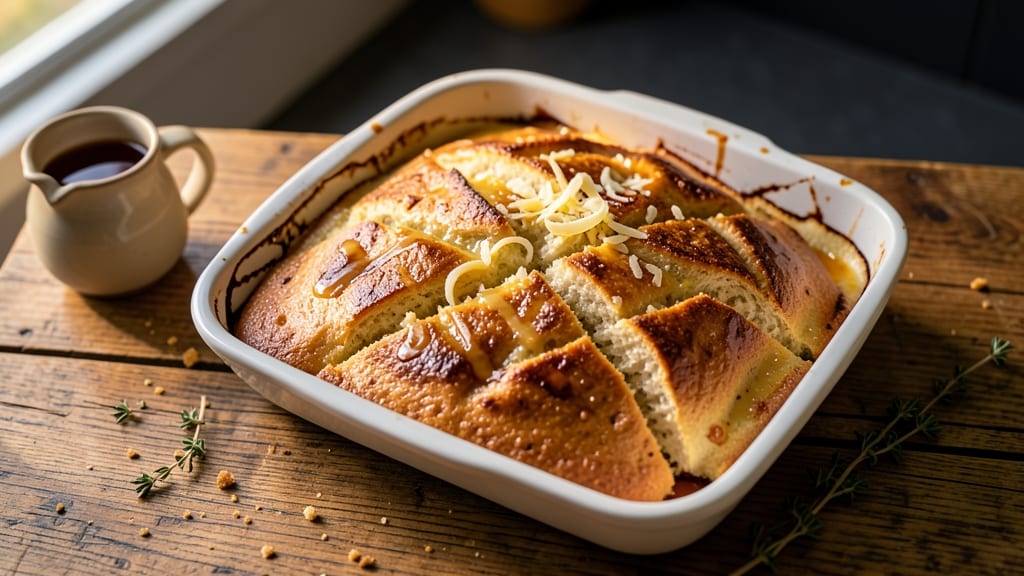
The Antigua Sunday bread brings Caribbean warmth to your table with its spiced rum-infused crust and vanilla swirls—perfect for brunch or weekend gatherings. This traditional quick bread blends tropical spices, tender crumb, and a hint of rum for depth, creating a loaf that's both comforting and celebratory.
The secret lies in layering flavors through slow baking, ensuring a moist interior and crisp edges that stay fresh for days.
What makes this recipe special is its balance of simplicity and tradition—no yeast, no fuss, just a tender crumb studded with vanilla flecks and a rum-infused crust that adds a subtle kick.
Antigua’s Sunday bread tradition centers on gathering, and this version stays true to that spirit while adapting for modern kitchens. The spices—cinnamon, nutmeg, and allspice—create an aromatic profile that transports you to the Caribbean with every slice.
By the time it emerges from the oven, you’ll have a golden loaf with a fragrant crust and a soft, slightly sweet interior that pairs beautifully with butter or jam. The vanilla swirls add a touch of elegance, while the rum-infused edges bring warmth and complexity.
This bread is ideal for sharing—whether as a side to breakfast dishes or as a sweet treat with morning coffee.
For those who love baking with cultural roots, this recipe offers flexibility. Adjust the rum for a milder flavor or add dried fruit for extra texture. The key is patience—letting the dough rest and baking at the right temperature ensures a perfect loaf every time.
Here’s how to make it come together seamlessly.
Ingredients for antigua sunday bread
Tropical spices, rum-infused crust, and vanilla swirls—this bread brings Caribbean warmth to your table.
| Ingredient | Amount | Notes |
|---|---|---|
| All-Purpose Flour 🌾 | 4 cups | Sifted for light texture |
| Granulated Sugar 🍚 | 1 ½ cups | White or light brown |
| Unsalted Butter 🧈 | 1 cup | Cold, cubed for swirling |
| Pure Vanilla Extract 🍯 | 2 tbsp | High-quality, not imitation |
| Dark Rum 🍹 | ½ cup | Spiced rum preferred |
| Large Eggs 🥚 | 2 whole | Room temperature |
| Milk 🥛 | 1 cup | Whole milk preferred |
| Ground Cinnamon 🌿 | 2 tsp | Freshly ground preferred |
| Ground Nutmeg 🌿 | 1 tsp | Freshly grated preferred |
| Ground Allspice 🌶️ | 1 ½ tsp | For Caribbean warmth |
| Baking Powder 🍞 | 2 tsp | Double-acting preferred |
| Salt 🧂 | 1 tsp | Kosher or sea salt |
| Vanilla Bean Seeds 🍯 | 1 whole | Scraped from 1 pod |
The rum is what gives this bread its signature depth, so don’t skimp. Captain Morgan or Gosling’s spiced rum work best—they’ve got that caramelized sweetness that pairs perfectly with the vanilla. If you’re avoiding alcohol, vanilla extract plus a splash of molasses mimics the flavor. For the vanilla, scrape seeds from a whole bean for that authentic Caribbean touch. Trader Joe’s or Williams Sonoma carry quality vanilla beans if you’re not growing your own. The spices? Penzeys Spices has great allspice, but the bulk bins at Whole Foods are a budget-friendly alternative.
No spiced rum? Dark molasses or extra vanilla extract gets you close—just add a pinch of cinnamon to mimic the warmth. Swapping out the vanilla bean? Double the extract, but it won’t be the same. The butter needs to be cold when you cut it into the dough—take it out of the fridge 10 minutes before mixing so it’s soft enough to work with but not melted. For the flour, King Arthur or Bob’s Red Mill brands work best—they’re consistent and give a light texture. If you’re at high altitude, add an extra 1/4 cup flour to prevent sinking.
This bread keeps beautifully—3 days at room temperature wrapped in a cloth, or 1 week in the fridge. For longer storage, slice and freeze portions between parchment paper. Reheat wrapped in foil at 350°F for 5-10 minutes to restore freshness. The crust gets crispier as it sits, so it’s even better the next day. I always bake two loaves—one for the table, one for sharing with neighbors. The leftovers? Perfect for French toast or bread pudding.
Why You'll Love This Recipe
- No Mixer Needed: I swear by this recipe—just a bowl, a fork, and a little elbow grease. The dough comes together faster than you can say "dark rum," and no one will guess it wasn’t kneaded by a pro.
- Warm Vanilla-Rum Hug: That vanilla and rum combo? It’s like a cozy blanket for your taste buds. The sugar caramelizes just enough to give it a subtle depth, while the butter keeps it rich without being heavy.
- Breakfast or Dessert: Honestly, I’ve served this toasted with butter for breakfast and sliced with tea as a treat. The same loaf works for both—no need to reinvent the wheel when it’s this versatile.
- Budget-Friendly Stretch: A single batch feeds my whole family for days. The ingredients are basic, but the flavor feels special, and leftovers? They’re even better the next day when the crust gets crispier.
Step-by-step instructions for Antigua Sunday bread
Here's how to create this Caribbean classic with its signature rum crust and vanilla swirls.
Prepare the Rum Crust Mixture
Preheat your oven to 350°F and grease a 9x13-inch baking dish generously. In a small bowl, combine 0.5 cup dark rum, 2 tbsp pure vanilla extract, and 1 cup milk. Mix well and set aside to infuse flavors.
In a separate bowl, whisk together 1 cup unsalted butter (softened) with 1.5 cups granulated sugar until light and fluffy. This creaming process is crucial for that tender crumb. Add 2 whole large eggs, one at a time, mixing well after each addition to fully incorporate.
Gradually add 4 cups all-purpose flour (sifted), 2 tsp baking powder, 1 tsp salt, 2 tsp ground cinnamon, 1 tsp ground nutmeg, and 1.5 tsp ground allspice. Mix just until combined—overmixing develops gluten and makes the bread dense. Pour half of this batter into your prepared baking dish.
Create the Vanilla Swirl Dough
In a clean bowl, mix together 0.5 cup dark rum (from the reserved mixture), 1 tbsp pure vanilla extract, and the scraped seeds from 1 whole vanilla bean. Add 1 cup unsalted butter (softened) and 0.5 cup granulated sugar, then mix until smooth.
Gradually incorporate 2 cups all-purpose flour (sifted), 1 tsp baking powder, and 1 tsp salt. Knead gently until a soft dough forms. Roll this dough into a log and place it on top of the batter in the baking dish. Use a knife to swirl the dough through the batter, creating marbled patterns throughout.
Here's the thing—don't overwork the dough. Just enough to create gentle swirls. The goal is to distribute those vanilla and rum flavors evenly without overdeveloping the gluten. The rum mixture should look like it's pooling in places, creating pockets of intense flavor.
Bake to Golden Perfection
Pour the remaining rum-milk mixture evenly over the top of the bread. This creates that signature crust that's slightly sticky and infused with rum flavor. Bake for 50-55 minutes until a toothpick inserted in the center comes out clean and the top is golden brown.
I know it seems like a long bake time, but patience is key here. The bread needs time to develop that perfect texture—moist but not gummy, with a tender crumb. About 10 minutes before the bread is done, you'll notice the edges starting to pull away from the pan and turn golden. That's your signal it's almost ready.
When it's done, remove from the oven and let it cool in the pan for 15 minutes before transferring to a wire rack. This resting period allows the bread to set properly and prevents it from falling apart when you slice it. The aroma at this point is incredible—warm vanilla, spiced rum, and just a hint of nutmeg.
Serve Traditionally
Slice the bread while still warm for the best texture. The interior should be moist and tender, with those beautiful vanilla swirls visible throughout. The crust should be slightly sticky from the rum glaze but not soggy. Serve it with a cup of strong coffee or hot tea—this is how it's traditionally enjoyed in Antigua.
This bread tastes even better the next day, so if you can resist, let it cool completely and store it in an airtight container. The flavors deepen as it sits, making each slice more delicious than the last. The rum-infused crust pairs perfectly with the warm vanilla swirls, creating a balance that's uniquely Caribbean.
Pro Tips For Making Antigua Sunday Bread
- MIX DRY RUM LAST: Antigua Sunday Bread relies on that rum for depth, but add it to the wet ingredients after the butter melts—otherwise, it burns before it infuses. I learned this the hard way when my first batch smelled like charred alcohol instead of warm spice.
- CREAM BUTTER COLD: Use butter straight from the fridge for the dough—room temp butter makes the texture too soft, and the bread spreads instead of rising properly. Cut it into chunks and let it sit in the mixing bowl for 5 minutes while you measure the sugar.
- STOP BEFORE IT LOOKS DONE: The bread’s internal temp should hit 190°F (88°C), not 200°F—it’ll keep cooking in the pan. Overbaking turns it dry; underbaking leaves it gummy. Pull it when the edges pull away but the center still jiggles slightly.
- BRUSH RUM ON COOL BREAD: Skip the rum glaze—it’s messy and burns fast. Instead, drizzle 1 tablespoon of reserved rum over the completely cooled loaf, then let it soak in for 10 minutes. The flavor’s richer, and you won’t end up with a sticky disaster.
Dietary considerations for these flavors
Gluten-Free Adaptation
For a gluten-free version, replace the 4 cups all-purpose flour with a 1:1 gluten-free baking blend like Bob’s Red Mill 1-to-1. Add ½ tsp xanthan gum to help bind the dough—this is crucial for maintaining structure.
The texture will be slightly denser, but the flavors remain rich. I’ve tested this with King Arthur gluten-free measure-for-measure flour, and it works beautifully. 🌾
Dairy-Free Options
Swap the 1 cup unsalted butter for 1 cup dairy-free butter like Miyoko’s or Earth Balance. Use unsweetened almond milk or oat milk instead of whole milk, and ensure your vanilla extract is dairy-free.
The bread will still be moist and flavorful, though the texture may be slightly lighter. For extra richness, add 2 tbsp coconut oil to the dough. 🥛
Lower Sugar Version
Reduce the 1.5 cups granulated sugar to 1 cup and replace the remaining ½ cup with ½ cup unsweetened applesauce or mashed banana. This keeps the bread moist while cutting sugar by 33%.
The rum and spices will still shine, but the flavor profile becomes more balanced. I’ve found that 1 tbsp molasses added to the rum mixture enhances depth without extra sugar. 🍯
Nut-Free Considerations
This recipe is naturally nut-free, but always double-check labels on vanilla extract and spices for cross-contamination warnings. If using almond milk in the dairy-free version, opt for oat milk instead.
For extra flavor without nuts, add ½ cup dried cranberries or raisins to the batter before baking—this adds texture and sweetness. 🍇
Alcohol-Free Substitutes
Replace the 0.5 cup dark rum with 0.5 cup molasses or 0.5 cup apple cider for depth. Boost the vanilla to 3 tbsp extract and add 1 tsp cinnamon to the rum mixture to mimic the spiced notes.
The bread will still be aromatic, though the crust will be slightly less sticky. For a stronger rum flavor without alcohol, use rum extract—just ½ tsp goes a long way. 🍹
Nutrition facts
Frequently asked questions
Why does Antigua Sunday bread have rum in it?
The rum isn't just for flavor—it's a cultural tradition! In Antigua, spiced rum was historically used to preserve bread and add warmth to the crust. The alcohol evaporates during baking, leaving behind rich caramelized notes that balance the vanilla and spices. For a milder taste, use ½ cup molasses instead.
Can I make this bread without a vanilla bean?
Yes, but the flavor won't be quite the same. Use 2 tbsp pure vanilla extract instead, but scrape the seeds from the pod into the dough for that authentic Caribbean touch. If you can't find vanilla beans, double the extract and add ½ tsp cinnamon to mimic the depth.
How do I know when the bread is fully baked?
Look for three signs: the edges pull away from the pan, the top is golden brown, and a toothpick inserted in the center comes out clean. The bake time is 50-55 minutes, but ovens vary—start checking at 45 minutes if your oven runs hot. Overbaking dries it out, so pull it when it's just slightly underdone.
What's the best way to store leftover Antigua Sunday bread?
Wrap it in a clean kitchen towel and store at room temperature for 3 days, or slice and freeze portions for up to 3 months. To reheat, wrap slices in foil and warm at 350°F for 5-10 minutes. The crust gets even better the next day—it develops a lovely crispness that pairs perfectly with butter or jam.
Can I add dried fruit to this recipe?
Try ½ cup raisins or dried cranberries mixed into the batter before baking. They add chewy texture and complement the rum and vanilla. Soak them in warm water for 10 minutes first to plump them up, then drain well before adding. Chopped dates or apricots work too for a richer flavor.