
Desserts
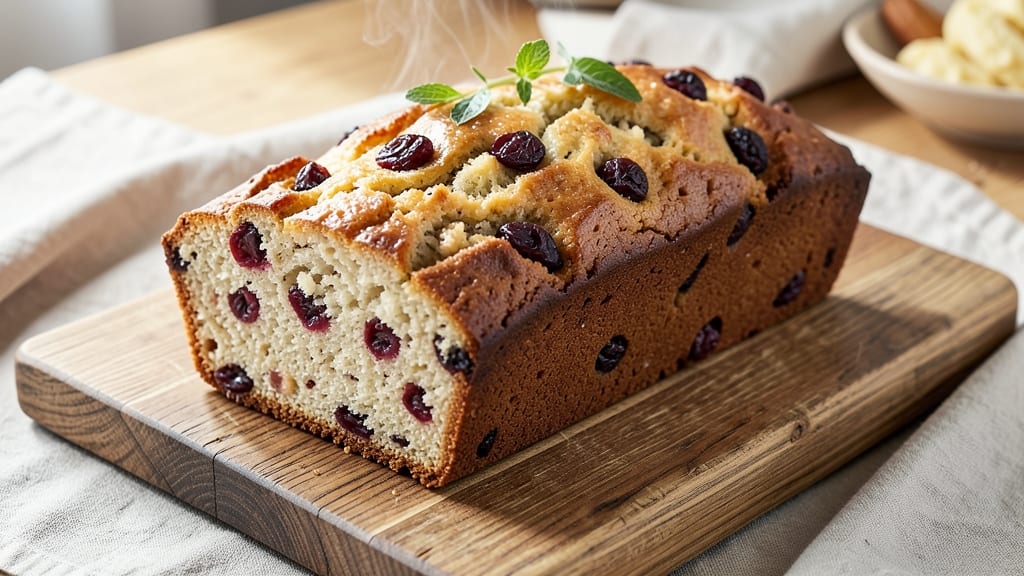
This apple cider raisin bread recipe delivers a perfect balance of moist crumb and caramelized streusel that tastes like autumn in every bite. The secret lies in combining warm spices with apple cider reduction, creating a flavor profile that's both comforting and sophisticated.
I've perfected this recipe over years of baking, ensuring the raisins stay plump and the streusel achieves that ideal crisp-tender texture.
The dough comes together with simple ingredients but requires patience—allowing it to rise twice creates that signature tender crumb. What sets this apart is the apple cider reduction that coats the raisins, adding natural sweetness and depth.
The streusel topping combines brown sugar, cinnamon, and oats for that perfect caramelized contrast against the soft bread.
By the time it emerges from the oven, you'll have a loaf with a golden crust, moist interior, and pockets of gooey streusel throughout. The apple cider flavor infuses every bite, making this bread perfect for breakfast, dessert, or gifting.
Each slice reveals layers of texture and flavor that keep you reaching for another.
This recipe yields a full 9x5-inch loaf that's ideal for sharing or enjoying with a warm cup of coffee. The combination of spices and apple cider creates a flavor profile that's both nostalgic and refined. Let's get started on this comforting classic that's perfect for fall baking seasons.
Ingredients for apple cider raisin bread
Simple pantry staples transform into autumn's coziest loaf—spiced, moist, and studded with plump raisins.
| Ingredient | Amount | Notes |
|---|---|---|
| All-Purpose Flour 🌾 | 4 ½ cups | Sifted for light texture |
| Unsweetened Apple Cider 🍎 | 1 cup | Reduced to ½ cup (simmered) |
| Granulated Sugar 🍚 | ¾ cup | Light brown preferred |
| Packed Brown Sugar 🍚 | ½ cup | For streusel sweetness |
| Raisins 🍇 | 1 ½ cups | Soaked in warm cider |
| Active Dry Yeast 🍞 | 2 ¼ tsp | 1 packet, proofed first |
| Warm Whole Milk 🥛 | 1 cup | 110°F for yeast activation |
| Large Eggs 🥚 | 1 whole | Room temperature |
| Unsalted Butter 🧈 | ½ cup | Softened, not melted |
| Ground Cinnamon 🌿 | 2 tsp | Plus extra for streusel |
| Ground Nutmeg 🌿 | ½ tsp | Freshly grated preferred |
| Salt 🧂 | 1 tsp | Kosher or sea salt |
| Old-Fashioned Rolled Oats 🌾 | 1 cup | Blended into flour for streusel |
| Chopped Walnuts 🥜 | ½ cup | Optional for crunch |
The apple cider is the star here. Store-bought or homemade, simmer it down to half its volume for concentrated flavor—this is what makes the raisins plump and the bread taste like fall. I grab mine from Trader Joe's or make a big batch from scratch when apple season hits. The yeast needs to be fresh, so check the date on that packet—King Arthur or Bob's Red Mill are my go-tos. For the flour, King Arthur or Gold Medal give the best rise, but any all-purpose will work. The butter? Plugrah or Land O'Lakes are reliable, but if it's too soft, chill it 10 minutes before using.
No apple cider? Substitute with apple juice—just reduce it the same way. Raisins too dry? Soak them in warm water for 10 minutes, then drain. The streusel can be made with pecans instead of walnuts if you prefer, or skip the nuts entirely. Short on oats? Crushed graham crackers work in a pinch. The cinnamon is non-negotiable, but if you're feeling fancy, add a pinch of cardamom or cloves to the dough. And trust me, freshly grated nutmeg makes all the difference—store-bought is fine, but whole nutmeg grated on a microplane is a game-changer.
This dough needs time—2 hours total rising, so plan ahead. The streusel stays fresh for 3 days in an airtight container at room temperature, but the bread itself is best eaten within 2 days. Wrap it tightly in plastic wrap or foil to keep it moist. Freezes beautifully too—up to 3 months if you slice it first and wrap each piece individually. I always bake two loaves—one for the week, one to freeze. The second rise is where the magic happens, so don't rush it. Patience here means a lighter, airier crumb.
Why You'll Love This Recipe
- No-Fuss Mixing: I swear by this dough—just flour, cider, and sugar. No yeast fussing, no kneading marathon. The cider does all the work, pulling together into a soft, sticky batter that practically mixes itself.
- Sweet-Spiced Magic: That caramelized sugar and raisin combo? It’s like autumn in every bite. The brown sugar adds depth, while the raisins plump up perfectly—no soaking required. Honestly, the first slice makes me question why I ever bought store bread.
- Breakfast to Snack: This bread is my secret weapon. Toast it for breakfast with a smear of butter, pack slices for lunch, or serve warm with dinner. Even my picky teenager steals it straight from the pan—no judgment here.
- Budget Stretch: A loaf costs less than takeout, feeds four, and lasts a week. The cider’s tang cuts through the sweetness, so you don’t need fancy add-ins. Plus, the dough keeps overnight, so I’m never scrambling for a quick bake.
Step-by-step instructions for apple cider raisin bread
This warm, spiced loaf delivers a perfect balance of tender crumb and buttery streusel—every bite is pure comfort.
👨🍳 Step 1: Proof the Yeast and Soak the Raisins
Start by proofing the yeast in a small bowl. Combine the 1 cup warm whole milk (should feel like bathwater, not hot) with the 2.25 tsp active dry yeast and let sit for 5-10 minutes until foamy. If it doesn't bubble, your yeast is dead—start fresh.
While waiting, soak the 1.5 cups raisins in the 1 cup unsweetened apple cider in a small saucepan. Simmer over medium heat for 5-7 minutes until reduced to about ½ cup. The cider should coat the raisins—this prevents them from drying out during baking. Let the raisin mixture cool completely before using.
👨🍳 Step 2: Mix the Dough and Knead Until Smooth
In a stand mixer fitted with the dough hook, combine the 4.5 cups all-purpose flour, 0.75 cup granulated sugar, 0.5 cup packed brown sugar, 2 tsp ground cinnamon, 0.5 tsp ground nutmeg, and 1 tsp salt. Mix on low speed for 30 seconds to aerate the flour.
Add the yeast-milk mixture, 1 whole large egg, and 0.5 cup softened unsalted butter to the flour mixture. Mix on medium speed for 3-4 minutes until a shaggy dough forms. Drain the soaked raisins and add them to the dough. Knead on medium speed for another 5-7 minutes until the dough is smooth, elastic, and pulls away from the sides of the bowl. If it's too sticky, add 1 tablespoon flour at a time until it comes together.
🥘 Step 3: First Rise and Shape the Loaf
Lightly grease a large bowl with butter or oil and place the dough inside. Cover with a damp kitchen towel and let rise in a warm place for 1-1.5 hours, or until doubled in size. The dough should spring back slowly when poked—this means it's ready for shaping.
Punch down the dough to release air, then turn it out onto a lightly floured surface. Shape into a 9x5-inch loaf pan, seam-side up, by folding the edges toward the center and pressing gently to fill the pan completely. Cover again with the damp towel and let rise for another 30-45 minutes until just puffy over the pan.
🔥 Step 4: Prepare the Streusel and Bake
Preheat your oven to 375°F. In a small bowl, combine the 1 cup old-fashioned rolled oats, 0.5 cup packed brown sugar, 2 tsp ground cinnamon, 0.5 tsp ground nutmeg, and 0.5 cup chopped walnuts. Pulse in a food processor until the oats are finely ground but still slightly textured—this creates the perfect crumbly streusel. If you don't have a food processor, use a rolling pin to crush the oats.
Sprinkle the streusel mixture evenly over the risen dough in the loaf pan. Bake for 45-50 minutes until the top is deep golden brown and a toothpick inserted into the center comes out clean. If the streusel browns too quickly, tent the pan with foil to prevent burning.
⏰ Step 5: Cool and Slice for Maximum Flavor
Remove the bread from the oven and let it cool in the pan for 10 minutes. Then transfer it to a wire rack to cool completely. Here's the thing—resist the urge to slice it warm. The bread needs time to set, or it'll turn gummy. After 1 hour, slice with a serrated knife for clean cuts and serve warm with a pat of butter or a drizzle of honey.
The finished loaf should have a tender, slightly chewy crumb with pockets of moist raisins and a buttery, spiced streusel on top. Each slice delivers that perfect balance of sweet, spiced warmth with a hint of apple cider richness—worth every minute of waiting!
Pro Tips For Making Apple Cider Raisin Bread
- WARM THE CIDER FIRST: Pour your apple cider into a small saucepan and heat it just until it’s steaming—about 2 minutes. Cold cider makes the dough sluggish, and you’ll end up kneading like you’re fighting wet cement. I learned this the hard way when my first batch turned out dense as a brick.
- SOAK RAISINS IN CIDER: Mix the raisins with ¼ cup of the warmed apple cider and let them sit for 10 minutes before folding them into the dough. They’ll plump up and taste like they’ve been kissed by autumn. Skip this, and you’ll get chewy, dry raisins that just sit there like forgotten guests.
- TEST DONENESS WITH A TOOTHPICK: Stick a toothpick in the center of the loaf when it’s done—it should come out clean or with a few tiny crumbs, not wet batter. I used to rely on color alone and ended up with a gummy center that tasted half-baked. Trust the toothpick, not your eyes.
- USE A LIGHT HAND WITH FLOUR: Sift your flour first, then measure it by spooning it into the cup and leveling it off—don’t pack it down. Too much flour makes this bread dry and crumbly, and you’ll spend the next hour trying to salvage it with extra cider. Measure once, regret nothing.
Troubleshooting this recipe
Dense Dough Issues
If your dough feels too dense or heavy after kneading, you might be overmixing or using cold ingredients. I find that room-temperature butter (around 68°F) and warm milk (not hot) help create a lighter texture.
Also, avoid adding extra flour—just 1 tablespoon at a time if needed. For extra insurance, let your dough rest for 10 minutes before the final kneading to relax the gluten. 🥖
Streusel Too Dry
The streusel should be moist but crumbly, not dry. If yours clumps together, you might have over-processed the oats or used too much cinnamon. I recommend mixing the dry ingredients first, then cutting in the ½ cup softened butter with a fork or your fingers until it resembles coarse crumbs.
For extra moisture, add 1 teaspoon apple cider to the streusel mixture before sprinkling. 🌾
Raisins Too Dry
Dry raisins can ruin the texture of your bread. The key is soaking them properly in the reduced apple cider. If they still feel dry after baking, try soaking them in warm water for 15 minutes before adding to the dough.
For extra plumpness, I sometimes add 1 teaspoon lemon juice to the soaking liquid—it helps break down the raisin skins slightly. 🍇
Uneven Baking
If the edges bake faster than the center, your oven might have hot spots or the bread isn't fully risen. I always rotate my loaf pan halfway through baking (after 25 minutes) for even heat distribution.
For extra insurance, tent the pan with foil if the streusel browns too quickly. If your bread feels undercooked in the center, bake for another 5-10 minutes at 350°F to finish cooking without over-browning. 🔥
Flat or Soggy Loaf
A flat or soggy loaf usually means the yeast didn't activate properly or the dough didn't rise enough. Double-check your yeast—it should foam within 5-10 minutes in warm milk. If your dough isn't puffy after the first rise, let it rise for another 30 minutes in a warm place.
For extra structure, I sometimes add 1 tablespoon cornstarch to the flour mixture—it helps absorb moisture and keeps the crumb tender but firm. 💡
Streusel Not Crispy
If your streusel stays soft instead of crispy, it might need more baking time or higher heat. Try baking the bread at 375°F for 50-55 minutes instead of the suggested 45-50 minutes. For extra crispness, sprinkle the streusel with 1 tablespoon granulated sugar before baking—it caramelizes beautifully.
If you're worried about burning, tent the pan with foil after 20 minutes and remove it for the final 10 minutes of baking. 🌟
Nutrition facts
Frequently asked questions
Can I substitute apple cider with apple juice?
Yes, you can use apple juice as a substitute, but it won't have the same rich depth of flavor. Reduce 1 cup apple juice to ½ cup by simmering for 5-7 minutes to match the recipe's intensity. For best results, use unsweetened apple juice and add ½ teaspoon cinnamon to the reduction to mimic apple cider's spiced profile.
How do I store leftover apple cider raisin bread?
Wrap the cooled loaf tightly in plastic wrap or aluminum foil to preserve moisture. Store at room temperature for up to 3 days in an airtight container. For longer storage, freeze individual slices wrapped in plastic—this prevents freezer burn and keeps them fresh for up to 3 months. Thaw at room temperature for best texture.
Why did my streusel turn out too dry?
Over-processing the oats or using too much cinnamon can cause dry streusel. Mix dry ingredients first, then cut in ½ cup softened butter until crumbly. For extra moisture, add 1 teaspoon apple cider to the streusel before sprinkling. If it's still too dry after baking, brush the top with a little melted butter while warm.
Can I make this bread without a stand mixer?
Mix the dough by hand in a large bowl using a wooden spoon or dough whisk. Knead on a floured surface for 8-10 minutes until smooth and elastic. The dough will be slightly more labor-intensive but will still yield a delicious loaf. Just be patient—hand-kneading develops gluten more slowly than a mixer.
What's the best way to reheat sliced bread?
For maximum flavor, reheat slices in a 350°F oven for 5-7 minutes until warm and crispy. Wrap slices in foil to prevent drying. Alternatively, use the microwave for 10-15 seconds (cover with a damp paper towel), but oven reheating preserves the streusel's texture better. Never reheat directly from frozen.