
Side Dishes
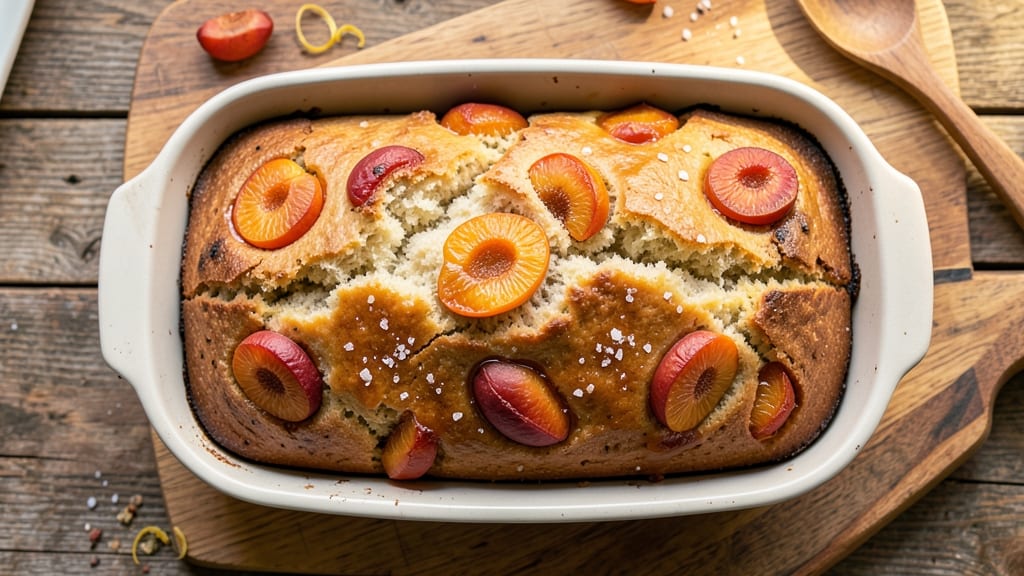
This apricot loaf bread recipe transforms a simple yeast dough into a golden-crusted masterpiece with tender crumb and bursts of jammy apricot throughout. The secret lies in a perfectly balanced dough that stays light yet sturdy enough to hold those sweet fruit swirls without collapsing. I've baked this recipe countless times for holiday tables, and it's always the first to disappear.
What makes this loaf special is the combination of a slightly sweet, buttery dough and the tangy-sweet apricot filling—whether you use fresh fruit, dried apricots, or homemade jam.
The dough develops a beautiful crusty crown while staying soft inside, and the apricot swirls caramelize just enough to create pockets of gooey sweetness. This recipe requires just one bowl and minimal effort, yet delivers restaurant-quality results.
By the time it emerges from the oven, you'll have a loaf with a perfectly golden crust, a tender crumb that's neither too dense nor too cakey, and those irresistible apricot swirls peeking through.
The aroma alone will have everyone gathering around your kitchen, and the first slice will be worth the wait. It's the kind of bread that elevates any meal from ordinary to extraordinary.
Serve warm with butter or jam, or save slices for toast the next morning. The leftovers keep beautifully for days, making this the perfect make-ahead bread for gatherings. Let's get started on creating this showstopping loaf.
Ingredients for apricot loaf bread
Pantry staples plus a few specialty touches—this dough comes together fast.
| Ingredient | Amount | Notes |
|---|---|---|
| Active Dry Yeast 🍞 | 2 ¼ tsp | One packet for convenience |
| All-Purpose Flour 🌾 | 4 cups | Plus 2 tbsp for dusting |
| Granulated Sugar 🍚 | ¼ cup | For dough sweetness |
| Unsalted Butter 🧈 | ½ cup | Cold, cubed for dough |
| Large Eggs 🥚 | 1 whole | Room temperature preferred |
| Milk 🥛 | ½ cup | Warm for yeast activation |
| Salt 🧂 | 1 tsp | Kosher or sea salt |
| Apricot Preserves 🍑 | ½ cup | Or homemade jam |
| Dried Apricots 🍑 | ½ cup | Chopped, for texture |
| Orange Zest 🍊 | 1 tsp | Brightens the flavor |
| Vanilla Extract 🌸 | 1 tsp | Pure vanilla preferred |
| Egg Wash 🥚 | 1 whole | For golden crust |
| Coarse Sugar 🍚 | 2 tbsp | For topping crust |
| Toasted Slivered Almonds 🌰 | ¼ cup | Optional garnish |
The yeast is non-negotiable here—Bob's Red Mill or Saf-Instant are my go-tos, but any active dry yeast works. Flour matters too: King Arthur or Gold Medal give that perfect crumb. The butter should be cold—use the fridge trick if it's too soft. For apricots, fresh is ideal but dried or preserves work too. I usually grab Trader Joe's dried apricots when I'm in a pinch—they're sweet and chewy. The orange zest? Use a microplane for maximum flavor without the bitter pith.
No apricot preserves? Peach jam or plum jam works just as well—just adjust sweetness to taste. Short on dried apricots? Chopped dates or raisins add chewiness. The vanilla extract can be imitation, but pure Madagascar bourbon makes a world of difference. For the egg wash, beat the egg with a splash of milk for extra shine. No slivered almonds? Toasted pecans or walnuts give a similar crunch. Pro tip: Warm the milk slightly before mixing with yeast—it activates faster and makes the dough rise better.
This dough is forgiving—knead just until combined (over-kneading makes it tough). Let it rise in a lightly greased bowl so it doesn't stick. For the apricot filling, heat the preserves slightly to make it spreadable. The loaf keeps 3-4 days wrapped at room temp, or 1 week in the fridge. Freeze slices for up to 3 months—perfect for quick toast. The crust stays crisp for 2 days if you store it in a paper bag.
Why You'll Love This Recipe
- No Yeast Stress: I swear, this dough comes together faster than my coffee brews. Just mix, knead for two minutes—yes, really—and let the yeast do the work while you sip your morning tea.
- Sweet & Simple Magic: That caramelized sugar swirl? It’s the star. The butter keeps it tender, the eggs bind it just right, and the apricots—whether fresh or jam—add a jammy sweetness that makes every slice feel like a hug.
- Breakfast or Snack Star: Honestly, I make this for lazy Sunday mornings or as a quick snack when my kids walk through the door starving. Toast it, slather with butter, or pack slices for lunch—it’s always a win.
- Budget-Friendly Luxury: Flour, sugar, butter, eggs—these are pantry staples. The apricots (fresh or canned) stretch the dough into something special without breaking the bank, and leftovers last days in the fridge.
Step-by-step instructions for apricot loaf bread
This sweet loaf delivers perfect fruit swirls and a golden crust every time.
Activate the Yeast for Maximum Rise
In a small bowl, combine the ½ cup warm milk (about 110°F) with the ¼ cup granulated sugar and 2.25 tsp active dry yeast. Let it sit for 5-10 minutes until it becomes frothy and bubbly. This tells you the yeast is alive and ready to work its magic.
Here's the thing—if the mixture doesn't bubble within 10 minutes, your yeast might be dead. Toss it and start fresh with a new packet. Warm milk is crucial; too hot kills the yeast, too cold makes it sluggish. I like to microwave milk for 20 seconds to get it just right.
Mix the Dough Until Smooth
In a large bowl, whisk together the 4 cups all-purpose flour and 1 tsp salt. Add the yeast mixture, 1 whole egg, 1 tsp vanilla extract, and 1 tsp orange zest. Mix until combined, then gradually add the ½ cup cold cubed butter.
Use your hands or a dough hook to work the butter into the flour until it resembles coarse crumbs. Then add 2 tablespoons flour for dusting and knead on a lightly floured surface for 8-10 minutes until smooth and elastic. The dough should be slightly tacky but not sticky—if it's too wet, add another tablespoon of flour.
Prepare the Apricot Filling
In a small bowl, mix the ½ cup apricot preserves with ½ cup chopped dried apricots. Set aside for later. This filling will create those beautiful swirls through the bread. I like to chop the dried apricots into small pieces so they distribute evenly without clumping.
While you're working, preheat your oven to 350°F and grease a 9x5-inch loaf pan with butter or nonstick spray. A well-greased pan prevents sticking and ensures easy release. Line the bottom with parchment paper for extra insurance against sticking.
Shape and Swirl the Dough
Roll the dough into a 12x16-inch rectangle on a floured surface. Spread the apricot mixture evenly over the dough, leaving a ½-inch border around the edges. Starting from the long side, tightly roll the dough into a log, sealing the edge to prevent filling from leaking out.
Place the sealed loaf seam-side down in the prepared pan. Cover with a clean kitchen towel and let it rise in a warm place for 45-60 minutes until it's puffy and nearly doubled in size. I like to turn on my oven light to create a warm environment for rising—it's more reliable than a warm oven.
Bake to Golden Perfection
Brush the loaf with the egg wash and sprinkle evenly with the 2 tbsp coarse sugar and ¼ cup toasted slivered almonds. Bake at 350°F for 35-40 minutes until the top is golden brown and the internal temperature reaches 190°F.
Here's where patience pays off: tap the loaf gently—it should sound hollow when done. Let it cool in the pan for 10 minutes before transferring to a wire rack. The filling will still be warm and gooey inside, but the bread will firm up as it cools. Slice while still slightly warm for the best texture and flavor.
Pro Tips For Making Apricot Loaf Bread
- Bloom the Yeast Properly: Skip the guesswork—mix warm water (110°F) with sugar first, then add yeast and let it foam for 5-10 minutes. If it’s sluggish, your dough will fight you later (and the loaf might turn dense). I learned this the hard way after watching a batch take three hours to rise.
- Cut Cold Butter: Use your hands to press chilled butter into the flour like you’re kneading tiny butter cookies. This creates pockets that melt into flaky layers—no food processor needed. My grandmother swore by this, and she was right: the texture is noticeably better when the butter stays cold longer.
- Don’t Overmix the Dough: Once the apricot filling is folded in, stop mixing after 10-12 turns. Overworking the dough toughens the gluten, and you’ll end up with a chewy brick instead of a tender loaf. Resist the urge to "fix" it—your future self will thank you.
- Steam the First 15 Minutes: Place a metal tray on the oven rack before baking, then pour ½ cup hot water into it when the loaf goes in. This creates steam that keeps the crust soft while the center rises. I was skeptical until I tried it—no more dry, cracked tops.
Storing and reheating this recipe
Room Temperature Storage
Keep your apricot loaf bread at room temperature in an airtight container or wrapped tightly in plastic wrap for up to 3 days. I like to store it in a bread box or even a paper bag to maintain that perfect crust.
The key is to prevent moisture from making the bread soggy—place a slice of bread in the container to absorb any excess humidity. 🌟
Refrigerator Refresh
For longer storage, refrigerate the loaf in an airtight container for up to 1 week. Before serving, revive the crust by warming the bread in a 350°F oven for 5-10 minutes or toasting slices in a toaster.
I also like to sprinkle a little water on the crust before reheating to restore crispiness. The filling stays perfectly gooey through refrigeration.
Freezer-Friendly Slices
Slice the loaf and freeze individual pieces in a single layer on a baking sheet for 1 hour before transferring to a freezer bag. This prevents slices from sticking together.
Thaw at room temperature for 30 minutes or warm directly in a toaster or oven. The texture remains moist and delicious—ideal for quick breakfasts or snacks. ✨
Reviving Day-Old Crust
If the crust loses its crispness, don't toss it! Place the loaf on a baking sheet and warm at 375°F for 5-7 minutes. For extra crunch, brush the crust with a little melted butter before reheating.
I also recommend sprinkling coarse sugar on top while warm to restore that golden sheen. The filling stays warm and flavorful through reheating.
Microwave Quick Fix
For fast reheating, wrap a slice in a damp paper towel and microwave on medium power for 15-20 seconds. This prevents drying while warming through. Add a splash of water to the paper towel if the bread seems dry.
The microwave method works best for toasted slices—just be gentle with the power level to avoid rubbery texture. 💡
Nutrition facts
Frequently asked questions
Can I substitute dried apricots with fresh ones?
Yes, but you'll need to adjust the recipe. Use 1 cup chopped fresh apricots instead of the dried version, and reduce the preserves to ¼ cup to avoid excess moisture. Pat the fresh fruit dry first to prevent a soggy loaf. The texture will be juicier but equally delicious!
Why did my apricot loaf turn out dense instead of light?
Over-kneading or under-proofing usually causes dense bread. Knead just until smooth (8-10 minutes), and let the dough rise until nearly doubled (45-60 minutes). Also, ensure your yeast is active—test it in warm milk before mixing. Cold butter or flour can also make the crumb heavier.
Can I make this loaf without a loaf pan?
Shape the dough into a round or oval and bake on a parchment-lined sheet pan. Brush with egg wash and sprinkle with sugar/almonds. Bake at 350°F for 30-35 minutes until golden. For a rustic look, bake directly on the pan for 25-30 minutes before transferring to a rack.
How can I make this loaf gluten-free?
Replace the all-purpose flour with a 1:1 gluten-free baking flour blend (like Bob's Red Mill 1-to-1). Add 1 tsp xanthan gum to help bind the dough. The texture will be slightly denser, but the flavor remains excellent. Let the dough rise 10-15 minutes longer since gluten-free bread rises slower.
What's the best way to serve this bread?
Warm slices make the best toast with butter or jam! For breakfast, spread with cream cheese and honey. Serve with soup or coffee for a sweet-savory contrast. The crust stays crisp for 2 days if stored properly, so slice just before serving for maximum freshness.