
Side Dishes
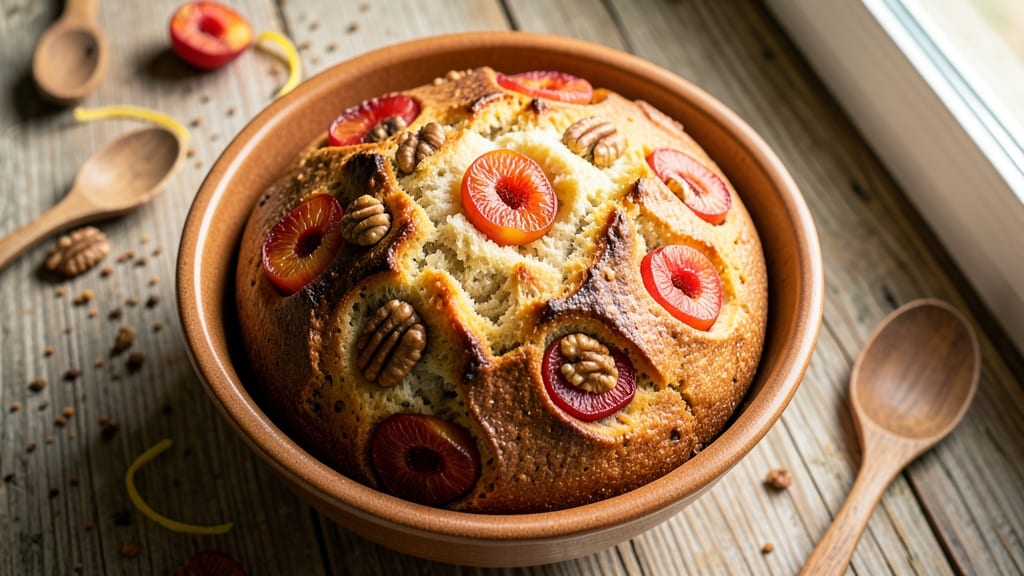
This apricot walnut bread recipe delivers a perfect balance of sweet-tart fruit and nutty crunch that elevates any breakfast or brunch table. The secret lies in a homemade streusel topping that caramelizes beautifully while keeping the bread's interior moist and tender—no dense, heavy texture here.
I developed this recipe after years of testing different fruit-nut combinations, and the apricot-walnut pairing consistently wins over even the most skeptical bread lovers.
The beauty of this recipe is its versatility—whether you use fresh apricots for juicy bursts or dried apricots for concentrated sweetness, both work beautifully.
The walnuts add a satisfying crunch that contrasts perfectly with the soft, slightly chewy bread, while a touch of cinnamon and vanilla deepens the flavor profile. Baking at 350°F for 50-55 minutes ensures a golden crust without overcooking the fruit, and the proofing step guarantees a light, airy texture that's impossible to resist.
What you'll end up with is a warm, fragrant loaf that smells like a bakery and tastes even better.
The streusel topping caramelizes into a sticky, buttery layer that's impossible to stop eating, while the bread itself has just the right amount of sweetness to pair perfectly with butter, jam, or even as a side to savory dishes.
The walnuts add a nutty depth that rounds out the fruit's tartness, creating a harmonious flavor that's both comforting and exciting.
This bread is perfect for breakfast, brunch, or even dessert—it's the kind of recipe that makes you feel like a baker without requiring advanced skills.
The dough comes together in just 15 minutes of prep, and the baking process is hands-off, leaving you free to enjoy the aroma while it cooks.
Whether you're making it for a special occasion or just treating yourself to a homemade loaf, this apricot walnut bread is sure to become a staple in your kitchen.
Ingredients for apricot walnut bread
Fresh apricots, toasted walnuts, and a buttery streusel topping make this bread irresistible.
| Ingredient | Amount | Notes |
|---|---|---|
| All-Purpose Flour 🌾 | 4 cups | Sifted for even texture |
| Granulated Sugar 🍚 | 1 cup | White or light brown preferred |
| Packed Brown Sugar 🍚 | ½ cup | For caramelized streusel |
| Unsalted Butter 🧈 | 1 cup | Cold, cubed for streusel |
| Large Eggs 🥚 | 2 whole | Room temperature for mixing |
| Plain Yogurt 🥛 | ½ cup | Full-fat for richness |
| Vanilla Extract 🍯 | 1 tbsp | Pure, high-quality |
| Ground Cinnamon 🍃 | 1 tbsp | Freshly ground preferred |
| Salt 🧂 | ½ tsp | Diamond Crystal preferred |
| Baking Powder 🌾 | 1 ½ tsp | Aluminum-free for best rise |
| Fresh Apricots 🍑 | 1 ½ cups | Diced, skin removed |
| Chopped Walnuts 🥜 | 1 ½ cups | Toasted for enhanced flavor |
| Dried Apricots 🍑 | ½ cup | Chopped, for concentrated sweetness |
| Rolled Oats 🌾 | ½ cup | Quick or old-fashioned |
The apricots are the star here—fresh ones add juicy bursts while dried apricots bring concentrated sweetness. Grab ripe but firm apricots from the produce section (they should yield slightly to gentle pressure). For walnuts, Trader Joe's or Costco have the best prices, but any store's bulk bin works. Toast them in a dry pan for 5 minutes until fragrant—this step makes all the difference. The rolled oats should be old-fashioned if you can find them; they hold up better to baking than quick oats. If you're using dried apricots, chop them finely so they distribute evenly through the streusel.
No fresh apricots? Dried apricots only work just fine—just soak them in warm water for 10 minutes first to soften. Running short on walnuts? Pecans or almonds are great substitutes, though texture will differ slightly. The yogurt can be Greek or regular, but full-fat gives the best texture. For the streusel, if you're worried about the butter being too soft, chill it for 15 minutes before mixing. The cinnamon should be fresh—pre-ground spices lose potency fast, so check the date on the package. If it's been sitting in your spice rack for over 6 months, toss it and buy a new jar.
This bread keeps beautifully—3 days at room temperature wrapped in a clean kitchen towel, or up to 5 days in an airtight container. For longer storage, freeze the loaf (unwrapped) for up to 3 months. To reheat, wrap in foil and warm at 300°F for 10 minutes. The streusel topping is best eaten fresh, but if you make extras, store them separately and sprinkle on top when serving. I always bake two loaves—one for the family and one to freeze for later. The aroma alone will have your house smelling like a bakery, so plan accordingly.
Why You'll Love This Recipe
- No-Fuss Mixing: I swear by this dough—just toss the flour, sugars, and softened butter in a bowl until it’s almost crumbly. No food processor, no overworking, just a quick knead and you’re done. The walnuts and apricots fold in like a dream.
- Sweet & Nutty Magic: That caramelized brown sugar and butter combo? It’s the secret weapon. The walnuts add crunch while the dried apricots burst with jammy sweetness—every slice tastes like a hug from your grandma’s kitchen.
- Breakfast or Snack Star: Slice it warm for toast with butter, pack it in lunches, or serve it cold with tea. It’s the one loaf that works at any time of day, and honestly? I’ve been known to eat it straight from the pan.
- Budget-Friendly Staple: Flour, sugar, butter—these are pantry basics you already have. A single batch stretches for days, and the walnuts and apricots make it feel special without breaking the bank. My wallet and taste buds thank me every time.
Step-by-step instructions for apricot walnut bread
Here's how to create a tender crumb with a caramelized streusel that bursts with apricot and walnut goodness.
Prepare the Streusel Topping
In a medium bowl, combine the 1 cup granulated sugar, 0.5 cup packed brown sugar, 1 tbsp ground cinnamon, and 0.5 tsp salt. Mix until evenly distributed—this dry mixture will form the flavorful crust. Cut in the 1 cup cold unsalted butter using a pastry cutter or your fingers until the mixture resembles coarse crumbs with pea-sized butter pieces still visible.
Add the 0.5 cup rolled oats, 1.5 cups chopped walnuts, 1.5 cups fresh apricots (diced), and 0.5 cup dried apricots (chopped). Toss gently with a fork until everything is evenly coated. The streusel should look moist but not wet—if it seems too dry, add 1-2 teaspoons of cold water to help it bind. Set aside while you prepare the batter.
Mix the Batter for a Light Texture
In a large mixing bowl, whisk together the 4 cups sifted all-purpose flour, 1.5 tsp baking powder, and an additional 0.5 tsp salt to ensure even distribution. In a separate bowl, beat the 2 whole large eggs (room temperature) with the 1 cup granulated sugar until pale and slightly thickened, about 2-3 minutes using an electric mixer on medium speed.
Add the 0.5 cup plain yogurt and 1 tbsp vanilla extract to the egg mixture, whisking until smooth. Gradually pour the wet ingredients into the dry ingredients while mixing on low speed just until combined—you'll still see some flour streaks, which is perfect. Overmixing develops gluten and can make the bread dense. The batter should be thick but pourable.
Layer and Bake for Perfect Rise
Preheat your oven to 350°F and grease a 9x5-inch loaf pan thoroughly with butter or nonstick spray. Pour half of the batter into the prepared pan and spread it evenly. Sprinkle about half of the streusel mixture over the batter, pressing down gently with your fingers. Repeat with the remaining batter and streusel.
Bake for 50-55 minutes until a toothpick inserted in the center comes out clean and the top is golden brown. If the streusel isn't brown enough after 45 minutes, tent the pan with foil and continue baking. The bread is done when the internal temperature reaches 205-210°F—this ensures a fully baked center without over-browning the top.
Cool and Serve for Maximum Flavor
Remove the bread from the oven and let it cool in the pan for 10 minutes before transferring it to a wire rack to cool completely. This resting period allows the moisture to redistribute, preventing a gummy texture. The contrast between the tender crumb and the caramelized streusel will be most pronounced when fully cooled.
Slice the bread into 8 equal portions (about 1-inch thick slices) and serve at room temperature. The walnuts will add satisfying crunch, while the dried and fresh apricots provide bursts of sweet-tart flavor in every bite. Store any leftovers wrapped tightly in plastic at room temperature for up to 3 days or freeze for longer storage.
Pro Tips For Making Apricot Walnut Bread
- SOFTEN THE BUTTER FIRST: I learned this the hard way—trying to cut cold butter into flour for this recipe is a nightmare. Let the butter sit at room temperature for 30-45 minutes before mixing, or even better, microwave it in 10-second bursts until it’s pliable but not melted. This ensures the dough comes together smoothly without turning into a greasy mess.
- TOAST THE WALNUTS: Skip the raw walnuts—they’ll make your bread taste bitter and release too much moisture. Toast them in a dry skillet over medium heat for 5-7 minutes, stirring constantly, until fragrant and golden. Let them cool completely before folding into the dough, or they’ll melt the butter and ruin your texture.
- DON’T OVERMIX THE DOUGH: This isn’t a cake—apricot walnut bread thrives on a rustic, slightly dense crumb. Mix the wet and dry ingredients just until combined, then stop. Overworking it develops gluten, which makes the bread tough. Fold in the apricots and walnuts by hand at the end to keep things gentle.
- USE A THERMOMETER FOR THE LOAF: The oven’s “bake” setting is a lie. For this recipe, pull the bread out when the internal temperature hits 190-195°F (a toothpick inserted should come out clean but slightly sticky). Without one, you’re guessing—underbaked bread sinks like a rock, and overbaked bread turns dry. Invest in a cheap one; it’s worth it.
Pro cooking tips for great apricot walnut bread
Streusel Texture Secrets
The streusel topping is where the magic happens—its texture should be moist but not wet, with pea-sized butter pieces still visible. I use a pastry cutter for this step, but if you don’t have one, two forks work perfectly.
For extra caramelization, sprinkle the streusel with ½ tsp cinnamon right before baking—this adds a warm, aromatic finish. 🔥
If your streusel seems too dry after mixing, add 1 tsp cold water to help it bind. The walnuts should be toasted (5 minutes in a dry pan) for maximum flavor—this step makes all the difference in the final crunch.
For a deeper flavor, I sometimes add ½ tsp lemon zest to the streusel, which cuts through the sweetness beautifully.
Batter Consistency Matters
The batter should be thick but pourable, with just a few flour streaks remaining. Overmixing develops gluten, leading to a dense loaf, so mix only until combined. For a lighter texture, I recommend using full-fat yogurt—it adds richness without weighing down the crumb.
If your batter is too thick, add 1 tbsp milk to loosen it slightly.
Room-temperature eggs incorporate more easily into the batter, so take them out of the fridge 15 minutes before mixing. For extra tenderness, I sometimes replace ½ cup of the all-purpose flour with ½ cup cake flour—this keeps the crumb ultra-light.
The batter should hold its shape when spooned but still be easy to pour.
Layering Like a Pro
Spread the batter evenly in the pan to avoid thick spots, which can lead to uneven baking. Press the streusel down gently but firmly—this ensures it sticks to the batter and caramelizes properly.
I like to use a light touch to avoid compacting the streusel too much, which can make it dense.
For a double-layered effect, divide the batter and streusel exactly in half. This creates a visually stunning loaf with alternating layers of bread and streusel. If you’re baking in a glass loaf pan, reduce the baking time by 5 minutes—glass conducts heat faster than metal.
Baking Time & Temperature
Bake at 350°F for 50-55 minutes—this ensures a golden crust without overcooking the center. If the streusel isn’t browning enough after 45 minutes, tent the pan with foil to prevent over-browning while the center finishes baking.
The bread is done when a toothpick comes out clean and the internal temperature reaches 205-210°F.
For a crispier crust, broil the bread for 1-2 minutes at the end of baking—just watch it closely to avoid burning. If your oven runs hot, reduce the temperature to 325°F and bake for 60-65 minutes.
The key is patience—the bread continues to cook as it cools, so pull it out when it’s just slightly underdone.
Nutrition facts
Frequently asked questions
Can I substitute dried apricots for fresh ones?
Use 0.5 cup dried apricots (chopped) instead of fresh, but soak them in warm water for 10 minutes first to soften. For extra moisture, reduce the flour by 1 tablespoon since dried fruit holds less water. The texture will be slightly denser but still delicious.
Why did my bread turn out dense?
Dense bread usually means overmixing the batter or underbaking. Mix just until combined (flour streaks are okay!) and bake until a toothpick comes out clean. Also check your baking powder—old leavening can cause poor rise. For extra lightness, try replacing ½ cup flour with cake flour.
How can I make this bread nut-free?
Omit the walnuts and replace with ½ cup extra dried apricots or ½ cup chopped dates. For crunch, add ½ cup toasted oats or ½ cup shredded coconut to the streusel. The texture will differ slightly but still taste wonderful—just reduce the sugar by 1 tablespoon if using dates.
Can I make this in a different pan shape?
Yes! For a 9x9-inch pan, reduce baking time to 40-45 minutes and cover with foil if browning too fast. For a round cake pan, bake at 325°F for 50-55 minutes. Adjust streusel quantity by 15-20% based on pan size—more surface area means less streusel per square inch.
What's the best way to reheat slices?
Wrap slices in foil and warm at 300°F for 5-7 minutes to restore freshness. For microwave reheating, wrap in a damp paper towel and heat for 10-15 seconds—this prevents drying. The streusel stays best when reheated gently, so avoid high heat which can make it rubbery.