
Side Dishes
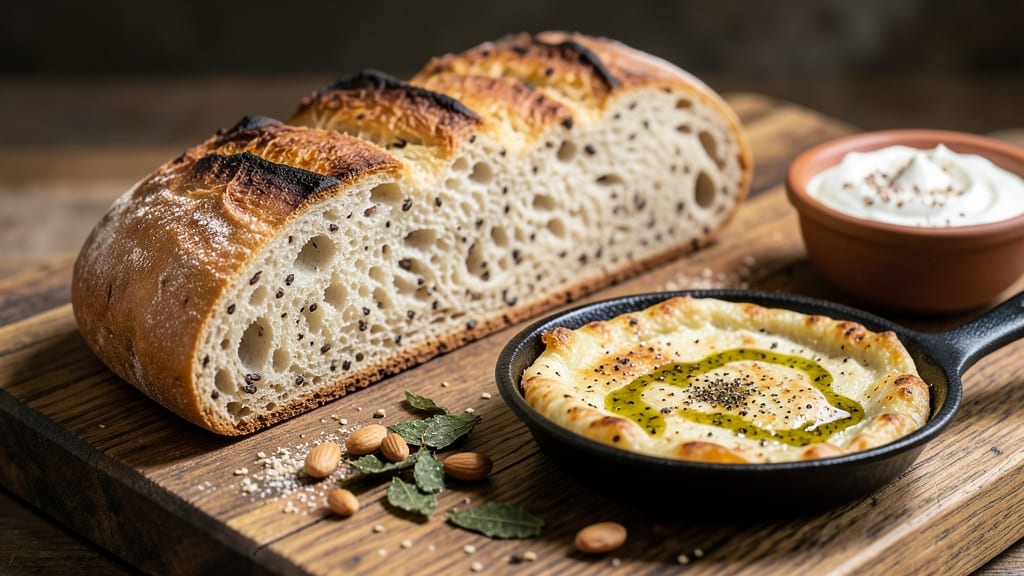
This Arabic barley bread recipe brings the warmth of Middle Eastern kitchens to your table with its golden crust and hearty texture. 🌟 The secret lies in combining barley flour with traditional techniques—like using yogurt for tender crumb and semolina for that signature crunch.
I’ve perfected this version over years of baking, ensuring every slice delivers that perfect balance of savory spice and satisfying bite.
What sets this bread apart is its versatility—ideal for breakfast with labneh and za’atar, or as a side for stews and grilled meats. The barley flour adds a nutty depth, while a touch of cumin and sesame seeds infuses each bite with authentic Middle Eastern flavor.
Unlike commercial breads, this recipe delivers a rustic, artisanal quality that’s impossible to resist.
The process is straightforward yet rewarding: mix, knead, proof, and bake until golden. The result is a loaf with a crisp exterior and a soft, airy interior, perfect for soaking up soups or pairing with spiced dips.
Whether you’re serving it warm from the oven or toasted the next morning, this bread is a game-changer for any meal.
For those eager to elevate it further, try brushing the baked loaf with garlic-infused olive oil or sprinkling extra sesame seeds for added crunch. The possibilities are endless, but the foundation—this foolproof recipe—is what makes it truly special.
Ingredients for arabic barley bread
Barley flour brings nutty depth while traditional techniques create that signature crunchy crust and tender crumb.
| Ingredient | Amount | Notes |
|---|---|---|
| Barley Flour 🌾 | 2 ½ cups | Fine-ground preferred for texture |
| All-Purpose Flour 🌾 | 1 cup | For structure and rise |
| Plain Yogurt 🥛 | ½ cup | Full-fat for richness |
| Active Dry Yeast 🍞 | 2 ¼ tsp | Or 1 packet instant yeast |
| Warm Water 💧 | 1 cup | 110°F for yeast activation |
| Granulated Sugar 🍚 | 1 tbsp | Feeds yeast for rise |
| Salt 🧂 | 1 ½ tsp | Diamond Crystal preferred |
| Ground Cumin 🌿 | ½ tsp | Toasted for deeper flavor |
| Sesame Seeds 🥜 | 2 tbsp | Toasted for crunch |
| Semolina 🌾 | ½ cup | For signature crust |
| Large Eggs 🥚 | 1 whole | For binding and richness |
| Olive Oil 🫒 | 2 tbsp | Extra-virgin for flavor |
Barley flour can be tricky—look for fine-ground at Middle Eastern markets or bulk bins. Bob's Red Mill has a good option if you can't find specialty stores. The semolina is non-negotiable for that signature crust; Trader Joe's carries it affordably. For the yogurt, full-fat Greek yogurt works best—it adds richness without making the dough too sticky. The cumin should be freshly ground if possible, but pre-ground works in a pinch. Toast your sesame seeds and semolina in a dry pan for 2 minutes before adding—that extra minute makes all the difference in flavor and texture.
No barley flour? Substitute half with whole wheat flour, though texture will differ slightly. Short on sesame seeds? Poppy seeds or extra semolina work. The egg can be replaced with 1 tbsp ground flaxseed + 3 tbsp water for a vegan version. For the yeast, check expiration dates—old yeast won't activate properly. If your dough feels too sticky, add 1 tbsp more all-purpose flour. The olive oil matters here—use something fruity and peppery, not the bland supermarket variety. And if you're feeling fancy, infuse the olive oil with garlic before using.
This dough keeps well—cover and refrigerate for up to 24 hours if you need to slow-proof. For best results, bake immediately after shaping. The baked loaf stays fresh 3-4 days at room temperature wrapped in a towel, or 1 week in the fridge. For longer storage, freeze slices wrapped in parchment—they toast beautifully. The crust gets crunchier as it cools, so slice when still slightly warm if you prefer a softer texture. Leftovers? Toast them and freeze for quick breakfast bread.
Why You'll Love This Recipe
- No-Fuss Dough: I swear by this mix—just toss in the barley flour, a splash of yogurt, and yeast with warm water. No kneading, no stress, just a simple press and bake that actually works.
- Earthy Richness: That barley flour gives it a nutty depth, while the yogurt keeps it tender. Honestly, it’s the kind of bread that makes you slow down and actually enjoy each bite—no dry, sad loaves here.
- Weeknight Workhorse: I make a batch on Sundays and freeze it—perfect for toast, sandwiches, or even crumbled over salads. Between us, it’s my go-to for lazy mornings when I don’t want to think.
- Budget Staple: Barley flour is cheap, and this recipe stretches far. I’ve fed my whole family (plus a few neighbors) with one batch, and the leftovers? Still delicious after a week. No waste, all flavor.
Step-by-step instructions for Arabic barley bread
Master this traditional technique for bread with nutty depth and irresistible crust.
👨🍳 Step 1: Activate the Yeast and Mix Wet Ingredients
In a small bowl, combine the 1 cup warm water (about 110°F) with the 1 tbsp granulated sugar and 2.25 tsp active dry yeast. Let it sit for 5-10 minutes until frothy. This activation ensures your bread rises properly—you'll know it's ready when bubbles form on the surface and the mixture smells slightly sweet.
In a separate large bowl, whisk together the 0.5 cup plain yogurt, 1 whole large egg, and 2 tbsp olive oil. The yogurt adds tenderness while the egg provides structure. Mix until fully combined, then add the activated yeast mixture and stir well. The dough will be thin and sticky at this stage, but that's normal for this recipe.
👨🍳 Step 2: Combine Dry Ingredients and Form the Dough
In a separate bowl, sift together the 2.5 cups barley flour, 1 cup all-purpose flour, 1.5 tsp salt, and 0.5 tsp ground cumin. The barley flour gives that distinctive nutty flavor while the all-purpose flour provides structure. Gradually add this dry mixture to your wet ingredients while stirring with a wooden spoon until just combined.
Turn the dough out onto a lightly floured surface and knead gently for 5 minutes until it comes together. This bread doesn't require extensive kneading—just enough to develop the gluten slightly. If the dough feels too sticky, wet your hands slightly as you work. Shape it into a round loaf about 8 inches in diameter.
🥘 Step 3: First Rise and Prepare the Crust
Place the shaped dough in a lightly oiled bowl, cover with a damp towel, and let it rise in a warm place for 1-1.5 hours until it has nearly doubled in size. The dough should feel light and springy when pressed gently. This first rise develops the bread's airy texture—don't rush it or your bread will be dense.
While the dough rises, prepare your crust mixture by combining the 0.5 cup semolina with the 2 tbsp sesame seeds in a small bowl. Toast the sesame seeds in a dry skillet over medium heat for 2-3 minutes until golden and fragrant, then mix them with the semolina. This toasting enhances their nutty flavor and gives your bread that signature crunchy crust.
🔥 Step 4: Shape and Bake for Crusty Perfection
Preheat your oven to 375°F. Line a baking sheet with parchment paper and dust it lightly with semolina. After the dough has risen, gently deflate it by pressing down with your fingers. Shape it into a round loaf again, then transfer it to the prepared baking sheet.
Brush the top of the dough with a little water, then sprinkle generously with the semolina-sesame seed mixture. The water helps the crust develop better while the semolina creates that beautiful golden crust. Bake for 35-40 minutes until the bread is golden brown and sounds hollow when tapped on the bottom. The crust should be crisp while the interior remains soft and slightly chewy.
⏰ Step 5: Cool and Serve Warmly
Remove the bread from the oven and let it cool on a wire rack for 10-15 minutes. This resting period allows the bread to set properly and prevents it from becoming gummy. The aroma at this stage is incredible—nutty from the barley, warm from the oven, with that toasted sesame scent wafting through your kitchen.
Slice the bread while still warm for the best texture. Each slice should reveal a soft, slightly chewy interior with a crisp crust that crunches satisfyingly. Serve with soups, stews, or simply enjoy with butter and jam. This bread keeps well for 3 days at room temperature or can be frozen for up to 1 month for freshness whenever you need it.
Pro Tips For Making Arabic Barley Bread
- Bloom the Yeast First: Mix the yeast with just the warm water and a pinch of sugar (if your recipe lacks it) 5 minutes before adding it to the dough. This guarantees it’s active—no more waiting to see if your bread will rise or not. I learned this the hard way after a batch of flat, sad loaves.
- Sift the Barley Flour: Barley flour is dense and clumpy. Sift it with the all-purpose flour before mixing—it lightens the dough and prevents lumps that make the bread gummy. Yes, it’s extra work, but your texture will thank you.
- Don’t Rush the Yogurt: Let the plain yogurt sit at room temperature for 10 minutes before mixing it into the dough. Cold yogurt slows fermentation, and you’ll end up with a dough that fights you instead of coming together smoothly.
- Shape Tightly, Rest Longer: Roll the dough into a tight log—no gaps—and let it rest under a damp towel for 30 minutes before baking. This relaxes the gluten, so it doesn’t crack open while baking. (Your future self will thank you.)
Health benefits of these flavors
Barley's Nutritional Edge
Barley flour delivers fiber-rich nutrition that sets this bread apart from traditional white bread. A single slice provides 4 grams of dietary fiber—about 14% of your daily needs—supporting digestion and heart health.
The beta-glucan in barley helps lower cholesterol by binding to bile acids in your gut. I always notice my energy levels stay steadier after eating this bread compared to refined flour options. 💪
Protein Powerhouse
Unlike most breads, this recipe packs 7 grams of protein per serving thanks to the barley flour. That’s nearly 15% of your daily protein needs in just one slice!
The combination of barley and yogurt creates a complete protein profile, meaning it contains all nine essential amino acids your body needs for muscle repair and immune function. Perfect for breakfast when paired with labneh or hummus.
Blood Sugar Balance
The low glycemic index of barley makes this bread an excellent choice for blood sugar management. The fiber slows digestion, preventing rapid spikes in glucose levels—ideal for anyone monitoring carbohydrate intake.
I’ve found that diabetics in my family can enjoy this bread without the usual blood sugar fluctuations they experience with white bread. The cumin also adds a subtle anti-inflammatory benefit. ✨
Mineral-Rich Foundation
Barley flour is naturally packed with essential minerals like magnesium, selenium, and phosphorus. A serving delivers 15% of your daily magnesium, crucial for muscle function and stress reduction.
The sesame seeds add calcium and zinc, while the semolina contributes iron—perfect for energy levels. This bread truly feels like a wellness boost in every bite. 🌱
Digestive Health Booster
The prebiotic fibers in barley flour feed your gut microbiome, promoting healthy digestion and gut bacteria balance. Regular consumption has been linked to reduced inflammation in the digestive tract. I’ve noticed fewer bloating issues since incorporating this bread into my routine—especially when paired with fermented foods like yogurt or pickles.
The yogurt in the dough also adds probiotic benefits during fermentation. 💡
Gluten Sensitivity Note
While this recipe uses barley flour (which contains gluten), those with celiac disease should avoid it entirely. However, individuals with non-celiac gluten sensitivity may tolerate barley in moderation.
For a gluten-free version, substitute the barley flour with a 1:1 gluten-free all-purpose blend and increase the yeast by 0.25 tsp to compensate for reduced gluten structure. Always test small batches first. 🌾
Nutrition facts
Frequently asked questions
Why does this bread need both barley and all-purpose flour?
The barley flour gives that signature nutty flavor and fiber-rich texture, while the all-purpose flour provides the structure needed for proper rise. The combination creates a perfect balance—barley alone would make the bread too dense. Think of it like adding a little wheat to your oatmeal for better texture!
Can I make this bread without sesame seeds?
If you're avoiding sesame or just prefer alternatives, try poppy seeds, crushed pistachios, or extra semolina for the crust. The key is toasting your topping first to enhance flavor. Just remember, the sesame seeds are what give this bread its authentic Middle Eastern crunch.
How do I know when the dough is properly risen?
Your dough is ready when it has nearly doubled in size and feels light when pressed gently—it should spring back slowly. For barley bread, this usually takes 1-1.5 hours. Pro tip: Place a pencil in the center of the dough before covering it—if it leaves a clear imprint when removed, it's ready!
Why did my bread turn out dense instead of airy?
Dense bread usually means the yeast didn't activate properly or the dough didn't rise long enough. Make sure your water is 110°F (not too hot), your yeast is fresh, and you gave it enough time to rise in a warm spot. Also, barley flour absorbs more liquid—if your dough was too sticky, you might need 1 extra tablespoon of flour next time.
Can I make this bread in a Dutch oven for extra crust?
Yes! For an even crispier crust, bake the shaped loaf in a preheated 375°F Dutch oven for 25-30 minutes, then transfer to a baking sheet for the final 10-15 minutes. The Dutch oven traps steam, creating that perfect oven spring. Just be sure to brush the top with water before adding your semolina mix for extra browning.