
Side Dishes
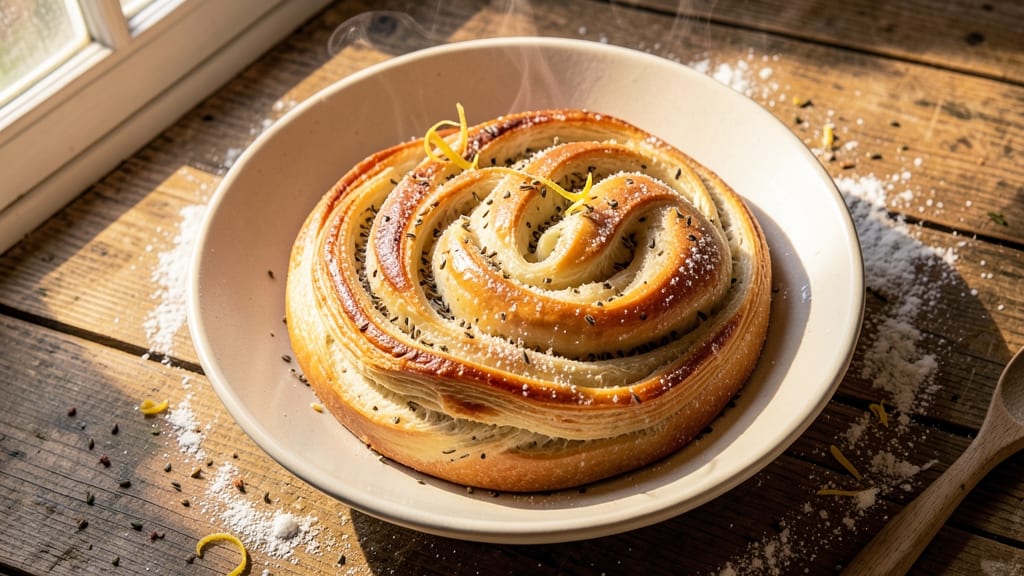
This Argentinian sweet bread recipe delivers the perfect balance of buttery crust and rich dulce de leche swirls—just like your favorite panadería. The secret lies in a foolproof dough that combines lard for tenderness with just enough flour to create that signature flaky texture.
I’ve perfected this version over years of baking, ensuring every slice has that melt-in-your-mouth softness with a crisp edge that’s impossible to resist.
The dough starts with a simple mix of flour, sugar, eggs, and a touch of anise for that authentic Argentinian flavor, but the magic happens when you layer it with dulce de leche before baking.
The golden-brown crust forms beautifully in the oven, while the swirls of caramelized filling stay gooey inside. No special equipment is needed—just patience and a little practice to shape it right.
By the time you pull this loaf from the oven, your kitchen will smell like sunshine and childhood memories, and every bite will be worth the effort. The buttery crust gives way to tender crumbs infused with anise, while the dulce de leche swirls add a sweet, creamy contrast.
This bread pairs perfectly with coffee or tea, but it’s so delicious you might just eat it straight from the pan.
Whether you’re serving it at breakfast, dessert, or as a snack, this recipe guarantees a showstopper that tastes like a trip to Buenos Aires. Ready to bake? Let’s get started with the dough—it’s easier than you think.
Ingredients for argentinian sweet bread
Buttery dough, anise warmth, and dulce de leche swirls—this Argentinian bread needs just 13 simple ingredients for pure magic.
| Ingredient | Amount | Notes |
|---|---|---|
| All-Purpose Flour 🌾 | 4 cups | Sifted for light texture |
| Granulated Sugar 🍚 | ½ cup | White or light brown |
| Large Eggs 🥚 | 4 whole | Room temperature preferred |
| Unsalted Butter 🧈 | 1 cup | Cold, cubed for dough |
| Lard 🥓 | ½ cup | Leaf or leaf lard preferred |
| Anise Seeds 🌿 | 1 tbsp | Ground or whole, toasted |
| Salt 🧂 | ½ tsp | Fine sea salt |
| Active Dry Yeast 🍞 | 2 ¼ tsp | 1 packet or 7g |
| Warm Milk 🥛 | 1 cup | Whole milk, 110°F |
| Dulce De Leche 🍯 | 1 ½ cups | Store-bought or homemade |
| Granulated Sugar 🍚 | ¼ cup | For breadcrumb coating |
| Egg Wash 🥚 | 1 whole | 1 egg beaten with 1 tbsp milk |
| Coarse Sugar 🍚 | ¼ cup | For sprinkling on top |
The lard and butter combo is key here—it gives that signature flaky, melt-in-your-mouth texture. Leaf lard is ideal (check the baking aisle at Whole Foods or Latin markets), but regular lard works too. For the anise, Penzeys or bulk bins at Trader Joe's carry the best quality. If you can't find anise seeds, ground anise works but toast it first for extra flavor. The yeast? Fresh is best, but instant yeast works too—just dissolve it in the warm milk first. And don't skip the sugar in the dough—it helps with browning and tenderness.
No lard? Extra butter works in a pinch—just add another 0.25 cup. No anise? 1 tsp anise extract (find it at Williams Sonoma) or even a pinch of fennel seeds. For dulce de leche, La Salteña or Nocilla are my go-tos, but any good-quality brand works. The breadcrumb coating? Just mix the extra sugar with a pinch of flour—no need for fancy breadcrumbs. Short on time? Skip the egg wash, but your crust won't be as golden. And if you're feeling fancy, swap the coarse sugar for pearl sugar for extra crunch.
This dough needs time—let it rise at least 2 hours (or overnight in the fridge for deeper flavor). Store the dulce de leche in the fridge, and once opened, it keeps for 3 months. The baked loaf stays fresh for 3 days at room temperature, wrapped tightly. For longer storage, freeze slices wrapped in plastic—3 months is no problem. And trust me, the leftovers reheat beautifully in a 350°F oven for 5 minutes—crispy crust, gooey inside every time.
Why You'll Love This Recipe
- Sweet Butter Magic: I swear by that lard-butter combo—it’s what gives this bread that melt-in-your-mouth tenderness. The sugar caramelizes just enough to keep it moist for days, and honestly? It’s the kind of rich, buttery flavor that makes plain coffee taste like a treat.
- No-Knead Nightmare Solved: Between us, I used to dread baking bread. But this recipe? Just mix, proof, bake—no punchy arms or failed rises. The dough’s forgiving, and that one rise in the fridge means I can set it and forget it until morning.
- Breakfast or Dessert: Toss a slice with jam for a lazy weekend brunch, or toast it with Nutella for a midnight craving. It’s the ultimate blank canvas—my kids even ask for it plain, and that’s saying something.
- Budget-Friendly Staple: Flour, sugar, eggs—these are pantry basics that stretch far. A single batch feeds my family for days, and the leftovers? Perfect for French toast or breadcrumbs. I’ve turned this into my go-to way to use up odd bits of butter too.
Step-by-step instructions for Argentinian sweet bread
This rich, swirled loaf combines buttery dough with creamy dulce de leche for a dessert that's as beautiful as it is delicious.
Activate the Yeast and Prepare the Dough Base
In a large mixing bowl, combine the 1 cup warm milk (about 110°F) with the 2.25 teaspoons active dry yeast and let sit for 5-10 minutes until foamy. This step is crucial—you'll see tiny bubbles forming, signaling the yeast is alive and ready to work. If it doesn't foam, your yeast might be dead, and you'll need to start over.
In a separate bowl, whisk together the 4 cups all-purpose flour (sifted for lightness), 0.5 teaspoon salt, 1 tablespoon anise seeds, and 0.5 cup granulated sugar. The anise seeds add that classic Argentinian flavor, so don't skip this step. Create a well in the center and pour in the yeast mixture along with the 4 whole large eggs and 1 cup cold cubed unsalted butter.
Mix and Knead the Dough Until Smooth
Using a dough hook attachment on your stand mixer, combine everything on low speed until just mixed. Then increase to medium speed and knead for 8-10 minutes until the dough becomes smooth and elastic. You'll know it's ready when it pulls away cleanly from the sides of the bowl and forms a "windowpane" when stretched thin.
If the dough feels too sticky, add 1 tablespoon flour at a time until it comes together. The ideal dough should be soft but not tacky. Once kneaded, transfer it to a lightly greased bowl, cover with a damp towel, and let rise in a warm place for 1-2 hours or until doubled in size. This rise develops the bread's airy texture.
Prepare the Filling and Shape the Loaf
While the dough rises, prepare the filling by combining the 1.5 cups dulce de leche with 0.5 cup lard in a small bowl. The lard adds richness that complements the dulce de leche perfectly. Mix until smooth and set aside.
Once the dough has risen, punch it down to release air, then roll it out on a lightly floured surface into a 12x16-inch rectangle. Spread the dulce de leche mixture evenly over the surface, leaving a 1-inch border around the edges. This border prevents the filling from leaking out during baking.
Swirl and Bake for a Golden Crust
Starting from the long side, tightly roll the dough into a log, sealing the edge to trap the filling inside. Place the log seam-side down on a parchment-lined baking sheet and cover with a damp towel. Let it rise for another 30-45 minutes until puffy.
Preheat your oven to 350°F. Brush the loaf with the egg wash (1 egg beaten with 1 tablespoon milk) and sprinkle evenly with the 0.25 cup coarse sugar for that signature crunchy crust. Bake for 40-45 minutes until the bread is golden brown and sounds hollow when tapped on the bottom.
Cool and Slice for Maximum Enjoyment
Remove the bread from the oven and let it cool on a wire rack for at least 15 minutes before slicing. This resting period allows the filling to set slightly, making it easier to slice cleanly. The bread should have a golden crust with a tender crumb and creamy swirls of dulce de leche throughout.
Slice into 1-inch thick pieces and serve warm for the best experience. The contrast between the warm, buttery bread and the cool, caramelized dulce de leche is what makes this dessert so special. Store any leftovers in an airtight container at room temperature for up to 3 days.
Pro Tips For Making Argentinian Sweet Bread
- Chill the Dough Twice: I learned this the hard way—skipping the second rest makes the bread dense. After mixing, let it sit covered at room temp for 1 hour, then refrigerate overnight. The cold slows yeast activity just enough to develop flavor without overproofing, giving you that signature tender crumb.
- Cut Butter/Lard Cold: Use frozen butter and lard straight from the fridge—yes, even if it looks like it’ll never melt. The fat should incorporate like tiny pebbles, not grease. This creates those signature flaky layers; if it gets too soft, your bread turns gummy instead of light.
- Don’t Overproof the Yeast: Test your yeast first in warm water with sugar—if it doesn’t bubble in 5 minutes, toss it. For this recipe, proof the dough until it’s just puffy (about 1–1.5 hours), not until it collapses when poked. Overproofing gives you a sad, dense loaf, not the airy sweet bread you want.
- Use a Mix of Butter and Lard: Skip the shortcut of using all butter—lard’s higher smoke point and firmness make the bread richer and more stable when baking. Split the fat 50/50: butter for flavor, lard for structure. (I know, I know—lard isn’t trendy, but this recipe demands it.)
Health benefits of argentinian sweet bread
Energy Boost
This Argentinian sweet bread delivers a natural energy lift thanks to its balanced mix of complex carbohydrates from the flour and sugar for quick fuel. The combination of whole eggs and butter provides sustained energy, making it perfect for breakfast or a midday pick-me-up.
The anise seeds add a subtle herbal note that aids digestion, helping you feel lighter after enjoying a slice. 💪
Protein Power
With 4 whole eggs and lard in the dough, this sweet bread offers a surprising 7-8 grams of protein per slice—great for muscle repair and keeping you full longer. Unlike many pastries that rely solely on refined flour, this recipe includes protein-rich ingredients that help stabilize blood sugar levels.
It’s a delicious way to sneak in extra protein without sacrificing sweetness. 🥚
Heart-Healthy Fats
The lard and butter in the dough provide monounsaturated fats, which support heart health by lowering bad cholesterol (LDL) when consumed in moderation. The dulce de leche adds a touch of natural sweetness without the need for excessive refined sugar, making this a more balanced treat.
Just be mindful of portion sizes—enjoy one slice as a dessert rather than a full loaf! 🧈
Calcium and Bone Health
This bread includes milk in the dough, which contributes calcium and vitamin D for strong bones and teeth. A single serving provides about 10% of your daily calcium needs, supporting overall bone health.
The anise seeds also contain small amounts of magnesium, another mineral essential for bone strength. It’s a tasty way to incorporate these nutrients into your diet. ⚡
Antioxidant Benefits
The anise seeds in this recipe are packed with antioxidants that help combat oxidative stress in the body. These compounds support cell health and may reduce inflammation. While the primary focus is flavor, they also contribute to the bread’s nutritional profile.
Pairing this sweet treat with a cup of green tea (rich in antioxidants) amplifies the health benefits even further. 🌿
Blood Sugar Balance
Unlike many store-bought pastries, this bread uses whole eggs, lard, and anise to create a slower-digesting carbohydrate source. The fiber from the flour and the protein from the eggs help moderate blood sugar spikes, making it a more balanced option for those watching their sugar intake.
Enjoy it as part of a meal with protein or healthy fats to further stabilize blood sugar levels. 🌟
Nutrition facts
Frequently asked questions
Can I make this Argentinian sweet bread without lard?
Yes! While lard adds that authentic flaky texture, you can substitute it with an extra 0.25 cup unsalted butter (so 1.25 cups total). For best results, chill the butter cubes before mixing to mimic lard's firmness. The bread will still be delicious, though slightly less tender.
How do I prevent the dulce de leche from leaking out during baking?
Leave a 1-inch border of dough around the edges when spreading the filling. Also, seal the seam tightly when rolling the dough into a log. For extra insurance, chill the shaped loaf for 15 minutes before baking to help the dough firm up. This keeps the filling contained while creating that perfect golden crust.
What's the best way to store leftovers?
Wrap cooled slices tightly in plastic wrap or store in an airtight container at room temperature for up to 3 days. For longer storage, freeze slices for up to 3 months. To reheat, warm in a 350°F oven for 5 minutes—this restores the crust's crispness while keeping the filling gooey.
Can I substitute anise seeds with something else? If you can't find anise seeds, use 1 tsp anise extract (find it at specialty stores) or 1 tsp ground fennel seeds as a close substitute. Both provide that signature warm, licorice-like flavor. Just
Why did my bread turn out dense instead of light and fluffy?
Dense bread usually means the yeast didn't activate properly or the dough didn't rise enough. Double-check that your milk was 110°F (not hot) and yeast was fresh. Also, ensure the dough doubled in size during the first rise—if not, let it rise longer (up to 2 hours). For next time, try a warm oven with a bowl of hot water underneath to help the dough rise faster.